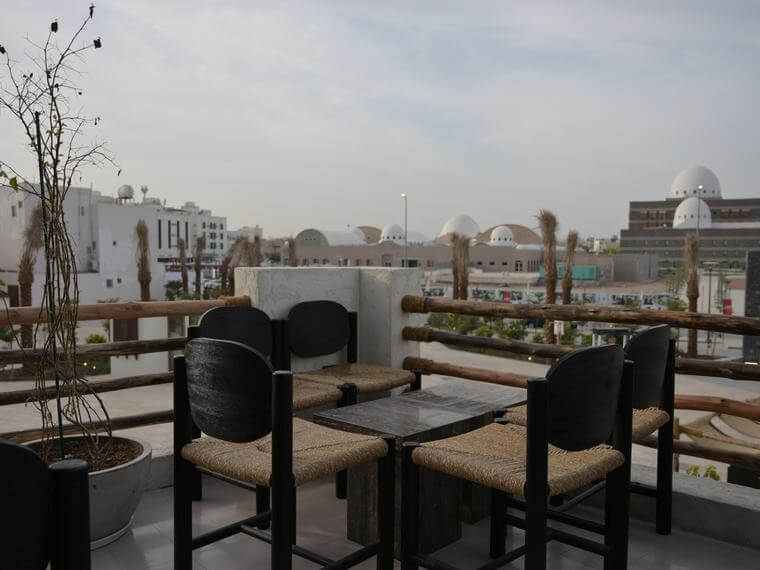



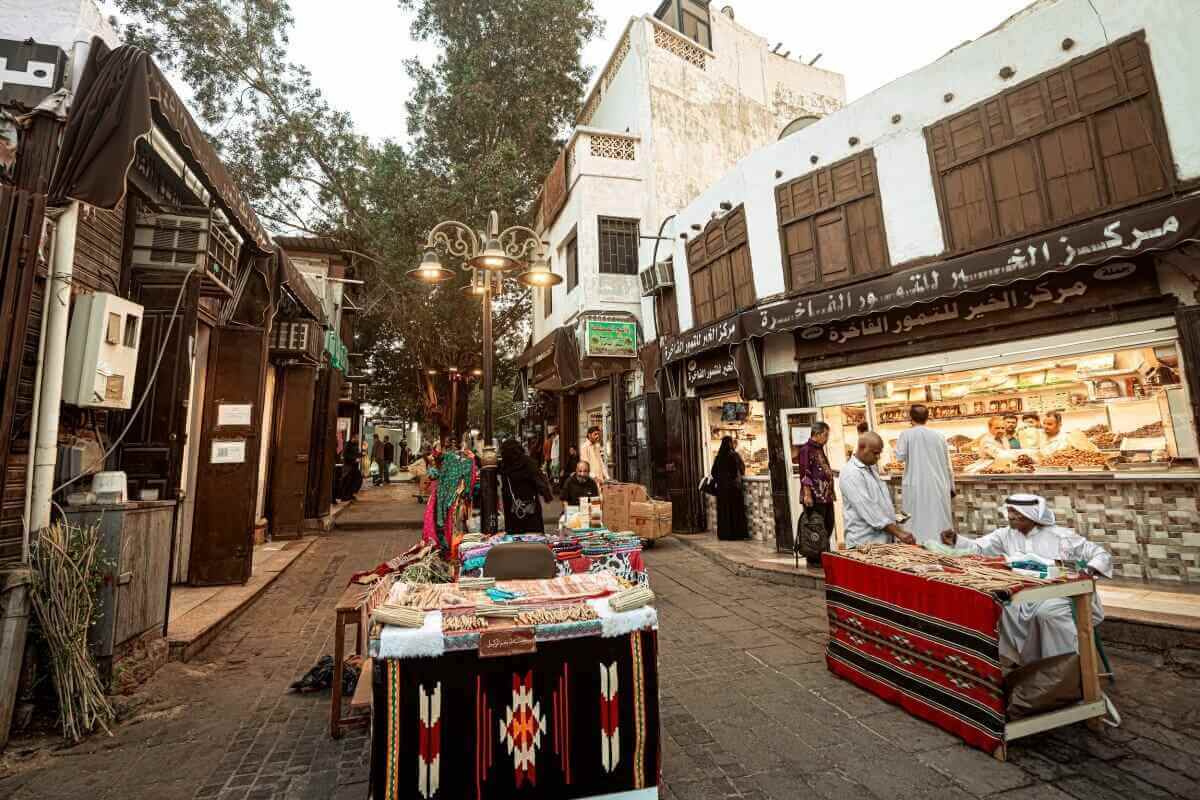
Al Balad is the historic centre of Jeddah, a UNESCO-listed district of coral-stone houses, carved wooden balconies and traditional souqs beside the Red Sea. It sits roughly 20 to 25 km from King Abdulaziz International Airport (JED) and about 78 km by road from Makkah. Walking its lanes costs nothing, and the best time to go is late afternoon into the evening, between October and April.
That is the short answer. The rest of this guide covers what Al Balad is, what is worth seeing, when to go, and the part most guides skip: how to get there without losing half your day to traffic, heat and parking.
It is written for three kinds of readers: Umrah pilgrims with a few spare hours in Jeddah, tourists who want to see the old city properly, and families who need to plan around children, elders and luggage.
Old Jeddah Al Balad at a Glance
| Detail | What to know |
|---|---|
| What it is | The historic centre of Jeddah, also called Old Jeddah or Historic Jeddah |
| Meaning of the name | “Al Balad” means “the town” in Arabic |
| UNESCO status | Inscribed in 2014 as “Historic Jeddah, the Gate to Makkah” |
| Distance from JED airport | About 20 to 25 km, usually 30 minutes, longer in evening traffic |
| Distance from Makkah | About 78 km by road, roughly 50 minutes to an hour by car |
| Entry cost | Free to walk; some museums and houses may charge |
| Best season | October to April |
| Best time of day | From about 4 pm until late evening |
| Time needed | 2 to 4 hours |
What Is Al Balad in Jeddah?
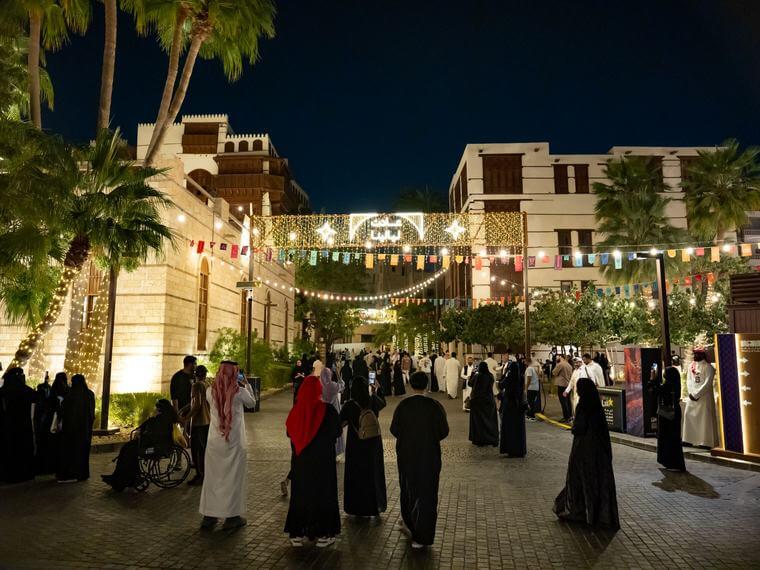
Al Balad is the walled core of the original city of Jeddah. Locals call it “Balad”, and you will also see it written as Al-Balad, Old Jeddah, Downtown Jeddah or Jeddah Historic District.
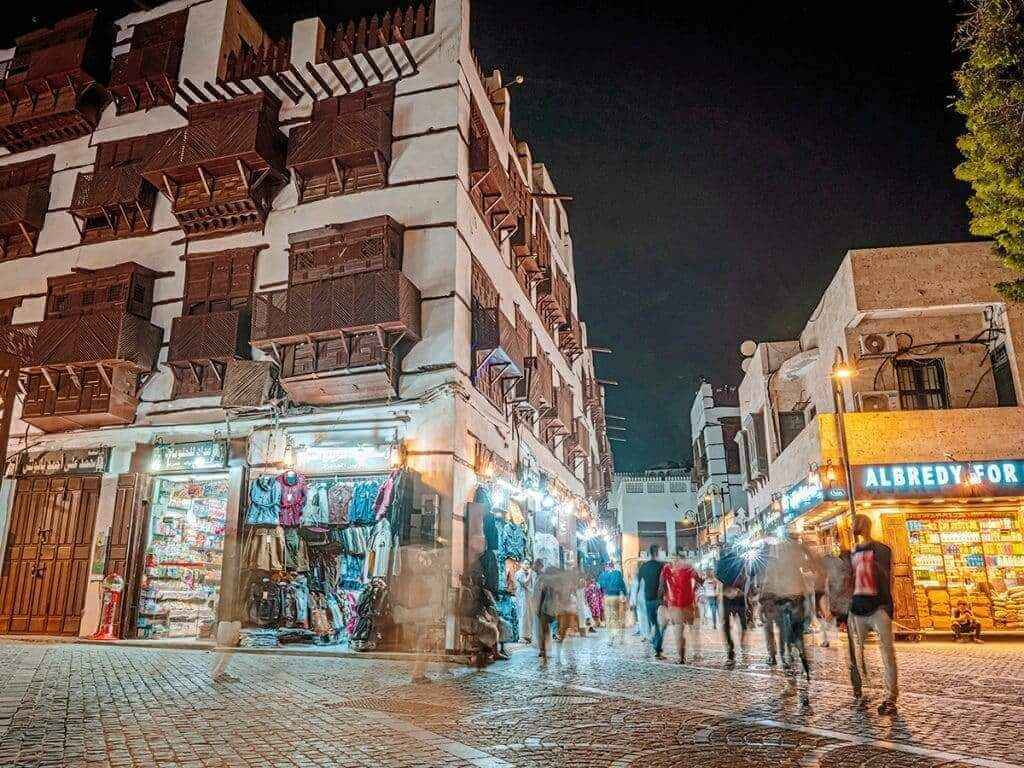
The district is built mostly from coral stone and limestone, often with teak or other imported timber worked into the walls. The most recognisable feature is the rowshan (plural rawashin): a projecting wooden balcony with latticework that let air move through a house while keeping family life out of view from the street.
UNESCO inscribed the area in 2014 under the name Historic Jeddah, the Gate to Makkah. The name is accurate. For centuries this was where sea-borne pilgrims landed before continuing to Makkah, and where merchants moved goods across the Red Sea.
A Short History of Old Jeddah
Traditional accounts date the settlement to the 7th century. Over the following centuries Jeddah grew as a port, handling trade with Egypt and the wider Red Sea, and receiving pilgrims bound for the Haramain.
A defensive wall once enclosed the town. It was built to protect Jeddah from attack by sea and was pulled down in the 1940s as the city expanded. Two of its old gates, Bab Makkah and Bab Madinah, are still part of how people describe the district, because they mark the roads leading to the two holy cities.
After the wall came down, many families moved to newer neighbourhoods and parts of Al Balad fell into neglect. Preservation work began in the late 20th century, and the area has since been restored in stages, with museums, cafés and heritage hotels opening inside old buildings. Restoration is still ongoing, so you may see scaffolding or closed lanes on any given visit.
How the Old Town Is Laid Out
Al Balad was traditionally divided into four quarters: Al-Sham to the north, Al-Yemen to the south, Al-Mazloum, and Al-Bahr near the sea. You do not need to memorise them, but the names help when reading signs or asking for directions.
The lanes are narrow and slightly twisting by design. They give shade for much of the day and funnel sea breezes through the district. They also make it very easy to lose your bearings, which is part of the charm and part of the reason a loose plan helps.
What to See in Al Balad
You can see the main sights in one evening. Here are the ones that repay the time.
Nassif House (Beit Nassif)
Nassif House is the best single stop for understanding the district. Construction began in 1872 on Souq Al-Alawi, the old main street, and finished around 1881. It is a tall merchant house with a grand staircase and a mix of Hijazi and Ottoman-era detail.
It is also known as the house with the tree. For a long time it was the only house in Balad with one, and the tree outside is often described as the oldest in Jeddah.
Opening times are the most common complaint from visitors. Listings and reviews describe a morning session and an evening session with a closure in between, and times can change for events or restoration. Check current hours with the official Visit Saudi listing before you plan around it.
Souq Al-Alawi
Souq Al-Alawi is the best-known market in the district. Expect perfume oils, incense, prayer mats, rosaries, textiles, spices and dried goods. Bargaining is normal and expected, so stay friendly and calm.
Most shops open properly in the late afternoon. Arriving at midday often means shuttered doors.
Nearby Souq Al-Nada is another traditional market with a long history among locals.
Al-Shafi’i Mosque
Al-Shafi’i Mosque is widely described as the oldest mosque in Jeddah. It has a courtyard, a distinctive minaret and a strong sense of continuity with the pilgrim history of the town. Other historic mosques in the district include Al-Basha, Akkash and Al-Hanafi.
These are working mosques. Dress modestly, remove your shoes where indicated, and avoid walking through prayer halls during prayer times.
Bab Makkah and Bab Madinah
The city gates are fragments of the old fortifications. Bab Makkah in particular is a useful landmark for orientation, and it is close to several hotels and cafés.
Bait Ba’eshen and the Heritage Houses
Visit Saudi highlights the rawashin of Bait Ba’eshen, and several other restored houses operate as museums or cultural venues. If you are short on time, choose one house museum and spend the rest of the evening in the lanes.
Cafés and Food
Diab Coffee is described by Visit Saudi as the oldest café in Al Balad, which makes it a good place to rest. Rooftop cafés are popular for evening views, and Hijazi street food, including balila (a warm chickpea dish) and mutabbaq (stuffed pan-fried pastry), is part of the experience.
Just Outside Al Balad
Two popular stops are close by but not inside the old town. The Al-Rahma Mosque, known as the Floating Mosque, sits on the Corniche to the north. The Jeddah Corniche itself is a natural pairing for dinner after the old town.
When to Visit Al Balad
If you remember one rule: go late, not early.
Best Season
October to April brings milder temperatures and is the most comfortable window for walking. From May to September daytime heat is severe, and the district feels very different. Evening visits in summer are still possible and some seasonal events run after dark, but plan on water, light clothing and shorter distances.
Best Time of Day
Al Balad is a district that wakes up in the evening. Many shops and restaurants open in the afternoon or later, and the lanes feel liveliest after sunset. Arriving around 4 to 5 pm gives you light for photos and enough time for dinner.
If you want empty lanes for photography, a morning visit works, but check which sites are open. Many places are closed or quiet.
Prayer Times and Fridays
Shops and cafés close briefly for each prayer. Friday opening usually starts later in the day. Check prayer times for the day of your visit and treat Maghrib as a natural pause for a drink or a walk rather than a deadline.
Ramadan
Ramadan nights are the most atmospheric time in Al Balad and also the busiest. Streets are crowded, parking is very hard, and taxi drop-off points move. If you plan to visit during Ramadan, arrange your return pickup in advance rather than hoping to find a car afterward.
How to Get to Al Balad
Getting there is straightforward. Getting in, parking and getting out again is where visits go wrong.
From Jeddah Airport (JED)
Al Balad is about 20 to 25 km from King Abdulaziz International Airport. The drive usually takes around 30 minutes and can stretch to 30 to 40 minutes in evening traffic.
Standard taxis and ride-hailing rides from the airport to central Jeddah are commonly reported in the range of SAR 50 to 100 depending on time, vehicle and surge pricing. A pre-booked private transfer has a fixed price and a driver who meets you at arrivals, which matters after a long flight.
If you have a long layover or you arrive in the afternoon, you can go straight to Al Balad, leave luggage with your driver or hotel, and carry on to Makkah afterward. Talk this through before booking so the pickup plan is clear.
From Makkah
The road distance from the Makkah area to Al Balad is about 78 km. By car it takes roughly 50 minutes to an hour, longer during the Hajj season, Ramadan, Friday afternoons and busy Umrah weekends.
The Haramain high-speed rail connects Makkah and Jeddah, and a taxi from the Jeddah station to Al Balad adds about 25 to 30 minutes. Door to door from a central Makkah hotel, that comes to roughly 75 to 90 minutes. The train is a good option if you travel light. With luggage, children or elderly parents, a private car usually removes several awkward changes.
From Madinah
Madinah is roughly 420 km from Jeddah by road, so a return trip to Al Balad is a full day rather than a half-day detour. It makes sense mainly when you are moving between cities anyway: stop in Al Balad on the way to the airport or the Makkah hotel instead of making a separate trip.
Moving Around Inside Jeddah
Between the Corniche, malls and hotels, short taxi or app rides are inexpensive and common. Al Balad is walkable once you are inside, and walking is the best way to see it.
Where Cars Can and Cannot Go
Vehicle access is restricted in parts of the old town, and the lanes are very narrow. Drivers commonly drop passengers at the edge of the historic area rather than inside it, and street parking is difficult at busy times.
A few habits make this easy:
- Agree a drop-off point and a pickup point before you arrive, and share a map pin.
- Do not rely on finding a taxi at the end of the evening. Pre-arrange the return.
- Keep the driver’s phone number saved so you can call when you finish, not an hour before.
- Carry only what you need. Leave luggage in the car or at the hotel.
Which Vehicle Suits Your Group?
Choose by group size and luggage rather than price alone.
- Toyota Camry: couples and small families travelling light.
- Hyundai Staria: larger families who want space for strollers, bags and elderly relatives.
- Toyota Hiace: groups travelling together with luggage.
- GMC Yukon: executive or VIP transfers and guests who prefer extra comfort.
- Coaster bus: tour groups and larger pilgrim parties.
A Half-Day Plan Combining Al Balad With Your Trip
This simple plan suits pilgrims who have finished their rituals and want to see Jeddah, or travellers with an afternoon between flights. Adjust it to your own schedule and confirm opening times first.
- 3:30 to 4:00 pm: Leave your hotel or the airport for Al Balad. Aim to arrive just as the heat eases.
- 4:30 pm: Start at Nassif House if it is open, then walk Souq Al-Alawi while shops are opening.
- Maghrib: Pause near Al-Shafi’i Mosque, pray if you wish and rest at a café.
- 7:00 pm: Walk the lanes after dark, buy souvenirs and try Hijazi street food.
- 8:30 pm: Meet your driver at the agreed point and continue to the Corniche, your hotel or the airport.
If you are travelling with a flight on the same day, leave a generous buffer. Jeddah evening traffic is unpredictable, and Al Balad’s narrow lanes are slow to leave.
Visiting Al Balad as a Pilgrim
Many Umrah pilgrims arrive in Jeddah and move on to Makkah immediately. Al Balad is a worthwhile stop either before the journey or after the rituals, when you are rested.
It is also a meaningful place to understand because it was the landing point for generations of pilgrims. Reading the district as part of the pilgrimage story, rather than as a shopping stop, changes how it feels.
A sensible approach: complete your Umrah first, rest, and visit Al Balad on a lighter day. Walking on stone lanes for several hours after Tawaf and Sa’i can be tiring, especially for older pilgrims.
Families, Elders and Accessibility
Al Balad is family-friendly, but it was not designed for strollers or wheelchairs.
- Lanes are uneven and sometimes stepped.
- Many heritage houses have stairs and few lifts.
- A baby carrier is easier than a stroller.
- Sun protection, water and regular rests help with elders and young children.
- Ask your driver to drop you as close as access allows and to be ready at a fixed time.
If mobility is a concern, choose a shorter route: one house museum, one café and a short walk along the main souq lane.
Etiquette, Safety and Practical Tips
Jeddah is generally considered safe for visitors, and Al Balad is one of its most popular districts. Common sense still applies.
- Dress modestly. Cover shoulders and knees, and women should carry an abaya or a scarf for mosque visits.
- Ask before photographing people, especially women and children. Photography inside mosques may be restricted.
- Keep cash for small shops, though cards are increasingly accepted.
- Stick to well-lit lanes at night and stay with your group.
- Drink water, even in cooler months.
- Wear comfortable shoes with good grip for stone surfaces.
Booking a Private Transfer to Al Balad With Al Maqam Transport
Al Maqam Transport provides private taxi and chauffeur services across Makkah, Madinah, Jeddah and the airports, so Al Balad can be combined with your wider Umrah or Saudi itinerary.
When you book, it helps to share:
- Your flight number and arrival time, so your driver can track delays
- Number of passengers and bags
- Whether you want a drop-off only, a return pickup or a waiting arrangement
- Special needs such as child seats, wheelchair assistance or an elderly passenger
Confirm the fare, vehicle and meeting point before you travel so there are no surprises.
FAQs
What is Al Balad in Jeddah?
Al Balad is the historic centre of Jeddah, also known as Old Jeddah. It is a UNESCO World Heritage district known for coral-stone buildings, carved wooden balconies, souqs, mosques and museums.
Why is Al Balad a UNESCO World Heritage Site?
UNESCO listed it in 2014 as Historic Jeddah, the Gate to Makkah, recognising its traditional architecture and its role as a port and gateway for pilgrims travelling to Makkah.
How far is Al Balad from Jeddah airport?
About 20 to 25 km. The drive usually takes around 30 minutes, and up to 40 minutes in heavy evening traffic.
How far is Al Balad from Makkah?
About 78 km by road. Expect roughly 50 minutes to an hour by car, and longer during peak Umrah periods, Ramadan or Hajj.
What is the best time to visit Al Balad?
October to April, and from about 4 pm onward. The heat eases, shops open and the lanes become lively.
Is it free to visit Al Balad?
Walking around the district is free. Some museums and heritage houses may have their own ticket or opening rules, so check before you go.
How long do I need in Al Balad?
Two to four hours covers the main sights comfortably. Allow more if you plan to shop, eat and visit more than one museum.
Can a taxi drive into Al Balad?
Only to a point. Vehicle access is restricted in parts of the old town, so drivers usually stop at the edge and you continue on foot. Agree the meeting point for your return.
Is Al Balad safe for families and women travelling alone?
It is generally considered safe and popular with families. Stay on busy, well-lit lanes at night, dress modestly and keep valuables out of sight.
What should I wear in Al Balad?
Loose, modest clothing that covers shoulders and knees. Bring a scarf or abaya for mosque visits and comfortable shoes for stone lanes.
Can I visit Al Balad during my Umrah trip?
Yes. Many pilgrims visit after completing their rituals, when they are rested. It is easy to pair with an airport transfer or a Makkah–Jeddah journey.
Is Al Balad worth visiting in summer?
Yes, in the evening. Daytime heat is intense from May to September, so plan for after sunset, carry water and keep walking distances short.
Can I book a private car from Madinah or Makkah to Al Balad?
Yes. A private transfer is a practical option, especially with family, luggage or elderly travellers. Share your pickup point, passenger count and return plan when booking.

Zeeshan is a professional driver and tour guide who has been living and driving in Saudi Arabia for the past 5 years. With deep knowledge of the roads, landmarks, and Ziyarat locations across Makkah, Madinah, Jeddah, and Taif, he helps pilgrims and travelers enjoy safe, smooth, and well-organized journeys. His experience in Umrah transport, city tours, and airport transfers makes him a trusted expert for visitors exploring Saudi Arabia.