


Tucked away in Madinah’s quiet Al-Awali neighborhood, a few minutes’ drive from Masjid Quba, sits one of the least-crowded yet most meaningful historical sites in the city: Ghars Well (Bir al-Ghars). Most pilgrims rush between the Prophet’s Mosque, Quba Mosque, and the Qiblatain Mosque without ever knowing this well exists – yet it is one of only seven wells directly connected to the Prophet Muhammad ﷺ, and one he personally requested be used to wash his body after his death.
This guide covers everything a pilgrim, tourist, or family visiting Madinah needs to know: the well’s history, its exact location, how to get there, what to expect on arrival, nearby Ziyarat sites you can combine into one trip, and how to arrange comfortable, reliable transport for the visit.
What Is Ghars Well and Why Does It Matter?
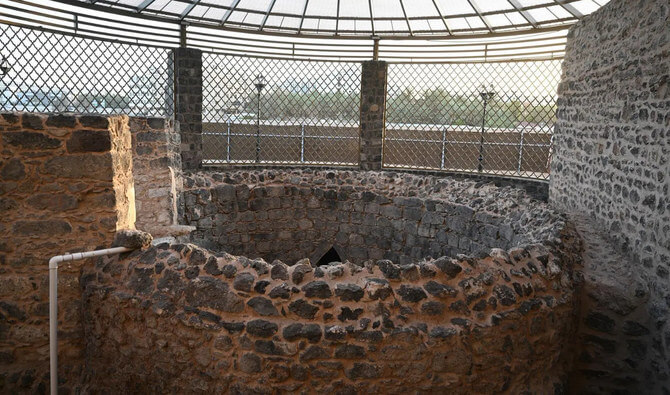
Ghars Well, also written as Bir Ghars or al-Aghras Well, is a historic water well located in the Quba area of Madinah, roughly 1,500 meters northeast of Quba Mosque. Historical sources identify it as one of the wells associated with Prophet Muhammad ﷺ, located in Quba, about 1,500 meters northeast of Quba Mosque.
The well predates Islam. According to historical accounts, it was dug by Malik bin al-Nahhat, the grandfather of Sa’ad bin Khaythama bin al-Harith bin Malik bin al-Nahhat, in whose house the Prophet ﷺ stayed after arriving in Madinah following the migration from Makkah.By the time of the Hijrah, ownership of the well had passed to Sa’ad bin Khaythama himself.
What elevates Ghars Well beyond an ordinary archaeological site is its direct connection to the Prophet ﷺ. Several narrations describe the Prophet ﷺ drinking water from the well, praying for its blessing, praising it, performing ablution with its water, and pouring the remnants of his ablution back into it. Perhaps the most striking narration comes through Ali ibn Abi Talib (RA), who reported that the Prophet ﷺ said: When I die, wash me with seven water-skins from al-Ghars Well. This instruction was carried out after his passing, which is why many scholars and local historians regard Ghars as one of Madinah’s most spiritually significant wells, even though it receives a fraction of the visitors that Quba Mosque or the Rawdah do.
The name itself carries meaning. “Ghars” comes from the Arabic root related to planting palms and trees, and the well is sometimes referred to as al-Aghras Well.
A Well Documented Since the 1800s
Ghars Well isn’t only known through classical Islamic sources – it also appears in early Western travel literature. The explorer Richard Burton, who traveled through the Hejaz in the 1850s, described it in his book “Personal Narrative of a Pilgrimage to Al Madinah and Meccah” as a large well with an abundance of water, located about half a mile northwest of Quba Mosque. Burton’s account suggests the well remained in active use into the mid-nineteenth century before eventually drying up.
Where Exactly Is Ghars Well Located?
Ghars Well sits in the Al-Awali neighborhood, in the Quba/Qurban area of Madinah, close to the intersection of Al-Hijra Road and Ali bin Abi Talib Street.
- Distance from Masjid an-Nabawi (Prophet’s Mosque): approximately 1,500 meters south , as the well sits in the Al-Awali neighborhood, approximately 1,500 meters south of the Prophet’s Mosque
- Distance from Quba Mosque: approximately 1,500 meters northeast of Quba Mosque
- Nearby landmark: the site is located next to a private school off Ali bin Abi Talib Road, making it a straightforward point of reference for taxi drivers familiar with the Quba district
Because it sits inside a residential pocket of Madinah rather than along the main pilgrim corridor, Ghars Well is easy to miss without local knowledge – which is exactly why most visitors arrange a private taxi rather than trying to walk or use public transport from the Haram area.
What You’ll See When You Visit
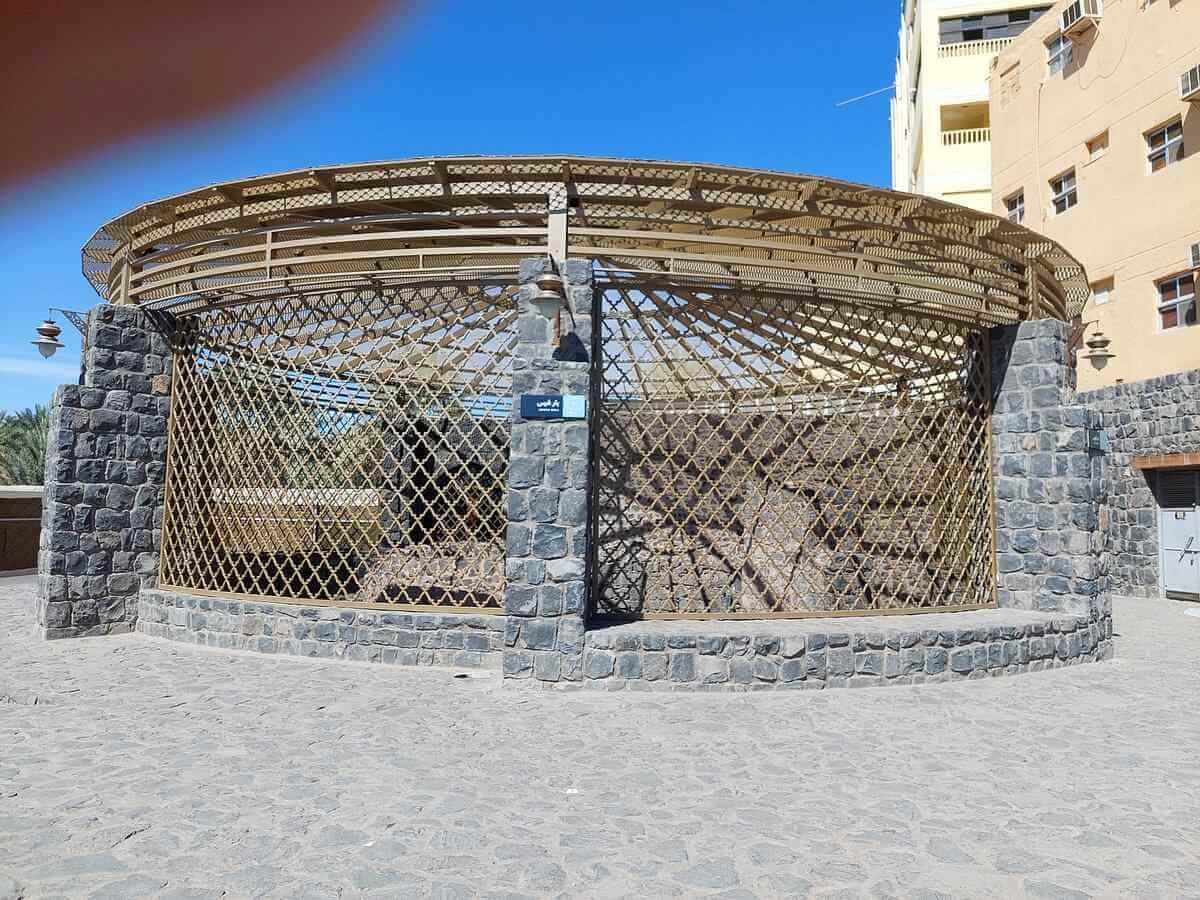
The site has undergone significant restoration in recent years. The complex was renovated around 2023, and the modern tourist site now includes an outer stone enclosure wall, a small mosque to the north, and a small sabil (drinking fountain). The retaining walls combine basalt stone, carved stone, and natural unhewn rock held together with mortar, giving the site a distinctly historic, understated character rather than a polished tourist attraction.
Practically, visitors can expect:
- A walled courtyard surrounding the original well shaft
- A small adjoining prayer area/mosque
- Drinking-water taps where visitors can take water, echoing the well’s original purpose
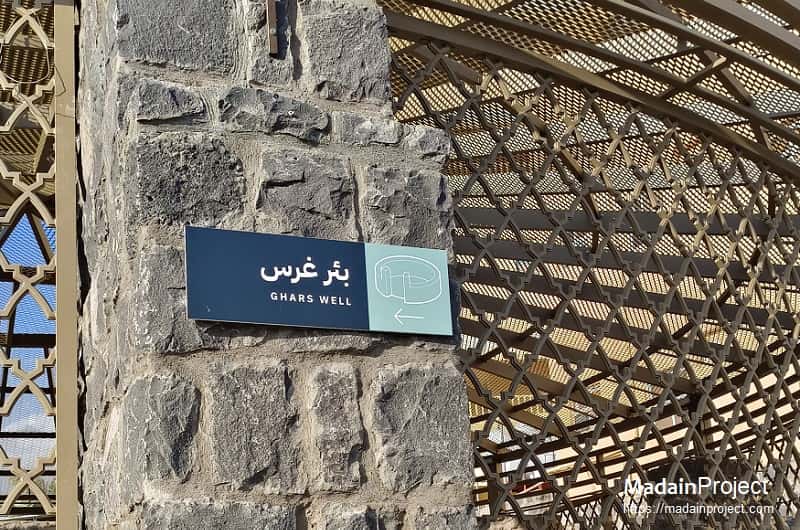
- Informational signage describing the well’s history and its connection to the Prophet ﷺ
Visitors are typically seen enjoying the natural surroundings, drinking water from the designated points, and taking photographs of the site.
Current Visiting Status
Sites managed under Madinah’s heritage preservation programs occasionally undergo maintenance closures, and reports on Ghars Well’s exact open/closed status have varied. Some tourism sources list it as open daily, while others have noted temporary closures for restoration work. Because this can change without much public notice, we recommend confirming current access with your driver or hotel concierge on the day of your visit – our chauffeurs check local conditions before every Ziyarat trip so you’re not caught off guard.
The History Behind the Well: A Deeper Look
Understanding Ghars Well requires understanding Quba itself. Quba was the first stop of the Prophet Muhammad ﷺ after his migration (Hijrah) from Makkah to Madinah, and it’s where he laid the foundation of Quba Mosque – the first mosque built in Islam. The Ghars Well sits within this same historic corridor, part of a cluster of sites connected to the earliest days of the Muslim community in Madinah.
Historically, the Ghars Well belonged to Saad ibn Khaythama, in whose house the Prophet often stayed during his time in Quba before his migration to Madinah, which is why it is considered one of the wells of Quba. The well was one of several water sources the Prophet ﷺ relied on and favored, reportedly for the freshness of its water. Bilal ibn Rabah (RA) is remembered as one of the companions who would bring water from Ghars to the Prophet ﷺ.
Today, the Saudi government treats the well as a heritage asset worth preserving. Ghars Well is one of the historical sites the Kingdom is working to preserve under the Pilgrim Experience Program, alongside related heritage entities, in order to facilitate visits and provide accurate historical information. This is part of a broader Vision 2030 effort to document and open lesser-known Prophetic sites to pilgrims, alongside the seven mosques, Mount Uhud, and Jannat al-Baqi.
How to Get to Ghars Well From Key Madinah Locations
Because Ghars Well is off the main pilgrim route, transport planning matters more here than for sites like the Rawdah or Quba Mosque, which are walkable from most Haram-area hotels. Below is a realistic breakdown by starting point.
From Masjid an-Nabawi / Haram Hotels
This is roughly a 1.5-kilometer trip through residential Madinah streets. Walking is possible for those with time and energy, but the route isn’t shaded or set up for pedestrian pilgrim traffic, and midday heat in Madinah (especially outside winter months) makes it uncomfortable on foot. A short private taxi ride takes about 8–12 minutes depending on traffic near the Haram.
From Quba Mosque
Ghars Well is roughly 1.5 kilometers from Quba Mosque, making it a natural add-on stop if you’re already visiting Quba, Masjid al-Qiblatain, or the Seven Mosques cluster. Most pilgrims combine these stops into a single Ziyarat taxi booking rather than arranging separate transport for each site.
From Madinah Airport (Prince Mohammad Bin Abdulaziz Airport)
If you’re arriving in Madinah and want to fit Ziyarat sites into your itinerary before or after checking into your hotel, Ghars Well can be added to an airport transfer route, though most travelers prefer to settle into their hotel first and book a dedicated half-day Ziyarat taxi for Quba, Qiblatain, Uhud, and Ghars Well together.
Why Private Taxi Is the Practical Choice for This Visit
Public transport options around Madinah’s residential districts are limited compared to the well-signed routes near the Haram, and rideshare apps don’t always have drivers familiar with smaller heritage sites tucked into neighborhood streets. This is where a dedicated, English-speaking, licensed driver makes a real difference – not as a luxury, but as a practical solution to an awkward routing problem.
At Al Maqam Transport, our Madinah Ziyarat Taxi service is built specifically for this kind of itinerary. A single booking can take you to Quba Mosque, Masjid al-Qiblatain, Ghars Well, Mount Uhud, and Jannat al-Baqi in one comfortable trip, with the driver waiting at each stop rather than you needing to arrange transport site-by-site.
What this looks like in practice:
- Door-to-door pickup from your Madinah hotel, with no need to negotiate fares or wait for available taxis on the street
- Licensed, background-checked drivers who know the exact location of smaller heritage sites like Ghars Well, avoiding wasted time or wrong turns
- Flexible waiting time at each stop so you’re not rushed through prayer, reflection, or photos
- Family-friendly vehicles, including sedans like the Toyota Camry for smaller groups and larger options like the Hyundai Staria or Toyota Hiace for families and groups traveling together
- Fixed, agreed pricing communicated before the trip starts – no metered surprises
This same Ziyarat taxi model applies whether you’re visiting for Umrah, Hajj, or simply touring Madinah’s historical sites as part of a broader Saudi Arabia itinerary.
Combining Ghars Well With Other Madinah Ziyarat Sites
Most visitors don’t make a special trip just for Ghars Well – it works best as part of a broader half-day Ziyarat route through Quba and the surrounding area. A typical combined itinerary looks like this:
- Quba Mosque – the first mosque in Islamic history
- Masjid al-Qiblatain – where the Qiblah changed from Jerusalem to Makkah
- Ghars Well – the Prophet’s well in the Al-Awali district
- The Seven Mosques (Masajid al-Sab’ah) – a cluster of small historic mosques from the Battle of the Trench
- Mount Uhud and the martyrs’ cemetery – site of the Battle of Uhud
- Jannat al-Baqi – the historic cemetery adjacent to the Prophet’s Mosque
Booking all of these as one Ziyarat taxi trip is significantly more efficient than arranging transport separately, and it lets your driver plan the route to minimize backtracking across the city.
Practical Tips for Visiting Ghars Well
- Check access before you go. As noted above, opening hours and access have varied due to periodic maintenance. A quick check on the day of travel avoids a wasted trip.
- Dress modestly and bring water. Even though the site has drinking taps, carrying your own water is sensible, especially in summer months.
- Visit in the morning or late afternoon. Midday sun in Madinah is intense outside winter, and the well’s courtyard offers limited shade.
- Bring small cash. While the site itself typically doesn’t charge entry, nearby stalls or transport extras may require cash on hand.
- Respect the space. This is a place of quiet historical and spiritual significance rather than a typical tourist stop – many visitors use the moment for reflection or dua rather than sightseeing.
- Combine with nearby sites. Given its short distance from Quba Mosque, it rarely makes sense to visit Ghars Well in isolation.
- Ask your driver about current conditions. Local drivers who do this route regularly usually know the latest status of the site, parking availability, and the best approach road.
Frequently Asked Questions About Ghars Well
What is Ghars Well in Madinah?
Ghars Well, or Bir al-Ghars, is a historic water well in Madinah’s Al-Awali neighborhood, associated with Prophet Muhammad ﷺ, who is reported to have drunk from it, performed ablution with its water, and requested it be used to wash his body after his death.
Where is Ghars Well located?
It’s located in the Quba/Qurban area of Madinah, near the intersection of Al-Hijra Road and Ali bin Abi Talib Street, roughly 1,500 meters from both Quba Mosque and the Prophet’s Mosque.
Is Ghars Well open to visitors?
The site has generally been open to the public following its restoration, though it has periodically closed for maintenance. It’s worth confirming current access on the day of your visit, since status has changed at different points.
How far is Ghars Well from Quba Mosque?
Approximately 1,500 meters, making it easy to combine with a Quba Mosque visit in the same trip.
How far is Ghars Well from Masjid an-Nabawi?
Roughly 1,500 meters, about an 8–12 minute drive depending on traffic.
Can I walk to Ghars Well from the Haram?
It’s technically walkable, but the route runs through residential streets without pilgrim-specific signage or shade, so most visitors prefer a short taxi ride, especially in warmer months.
Why did the Prophet ﷺ request to be washed with water from this well?
According to a narration reported by Ali ibn Abi Talib (RA), the Prophet ﷺ instructed that he be washed with seven water-skins from Ghars Well after his death, reflecting his fondness for the well during his lifetime.
Who originally owned the well?
Historical sources say it was dug by Malik bin al-Nahhat and later owned by his grandson, Sa’ad bin Khaythama, in whose home the Prophet ﷺ stayed during his time in Quba after the Hijrah.
What does the name “Ghars” mean?
It derives from an Arabic root connected to planting palms and trees; the well is sometimes referred to as al-Aghras Well.
Is there an entry fee to visit Ghars Well?
No, the site is a public heritage location without a standard entry fee, though this can be confirmed locally at the time of your visit.
What else is nearby that I can visit on the same trip?
Quba Mosque, Masjid al-Qiblatain, the Seven Mosques, Mount Uhud, and Jannat al-Baqi are all within a reasonable driving distance and are commonly combined into a single Madinah Ziyarat taxi itinerary.
Do I need to book a private taxi to visit Ghars Well?
It’s not mandatory, but it’s the most practical option. Public transport near the Quba residential area is limited compared to the main Haram routes, and a private driver familiar with the site saves time and avoids wrong turns.
Can families and groups book Ziyarat transport together?
Yes. Al Maqam Transport offers vehicle options ranging from standard sedans for small groups to larger vans like the Hyundai Staria and Toyota Hiace for families or groups traveling together.
Is Ghars Well suitable for children or elderly visitors?
Yes. The site is a small, flat courtyard without significant walking distances once you arrive, making it manageable for most visitors, including elderly pilgrims and children.
What is the best time of year to visit Madinah’s Ziyarat sites, including Ghars Well?
Outside of Ramadan and peak Hajj season, Madinah is generally quieter, and cooler months (November through March) make outdoor heritage sites like Ghars Well more comfortable to visit.
Choose Your Vehicle for the Ghars Well Trip
All vehicles are private, air-conditioned, and GPS-tracked – no shared seating.
Toyota Camry – Max 4 passengers, 3 large bags. Best for solo travelers or couples visiting Ghars Well and Quba together.
Hyundai Staria – Max 7 passengers, 8 large bags. Ideal for small families combining Ghars Well with a wider Madinah Ziyarat tour.
Toyota Hiace – Max 11 passengers, 14 large bags. Popular with mid-size groups and Umrah delegations.
GMC Yukon – Max 7 passengers, 5 large bags. A more premium option for families wanting extra comfort and space.
Coaster Bus – Max 19 passengers, 15 large bags. Suited to larger Umrah groups doing a full Madinah historical-sites circuit.
Private Bus – Max 49 passengers, 30+ large bags. Built for full delegations and organized group Ziyarat tours.
What You’ll See at Ghars Well
The modern Ghars Well complex includes a restored outer wall lined with basalt stone, a small mosque to the north, and a sabil (water fountain structure). The well itself is enclosed, reflecting its historic role as a source the Prophet (PBUH) drank from and preferred for its clean water. It’s a quiet, reflective stop compared to the busier Haram-area sites – most visitors pair it with a walk through nearby Masjid Quba.
Combine Ghars Well With Other Madinah Ziyarat Sites
Since Ghars Well sits just off the Quba road, most pilgrims combine it into a single private Ziyarat route with:
- Masjid Quba – the first mosque in Islamic history
- Masjid al-Jummah – site of the first Friday prayer
- Salman Al-Farsi’s (RA) garden
- Masjid al-Qiblatain
- Mount Uhud
- Jannat al-Baqi
Tell your driver on WhatsApp which sites you’d like included, and we’ll build a single private route with no extra transfer fees between stops.
How to Book Your Ghars Well Taxi (3 Steps)
- Message us on WhatsApp with your hotel/pickup location, date, time, and number of passengers.
- Get an instant fixed quote and vehicle confirmation – usually within minutes.
- Your driver arrives on time, takes you to Ghars Well (and any nearby sites you choose), and brings you back – no waiting, no hidden charges.
Why Choose Al Maqam Transport
- Uniformed, professional drivers trained on Madinah’s Ziyarat routes, including lesser-known sites like Ghars Well
- 2026 fleet – clean, air-conditioned Camry, Staria, Hiace, GMC Yukon, Coaster and Private Bus options
- Multilingual team – Arabic, English, and Urdu speakers serving pilgrims from 30+ countries
- Instant WhatsApp booking, 24/7 – no forms, no delays
- Fixed, transparent pricing – even during Ramadan and Hajj season
- Trusted by 25,000+ satisfied travelers across Jeddah, Makkah, Madinah, Taif, and Riyadh
FAQs About Madinah Ziyarat
Where exactly is Ghars Well located in Madinah?
Ghars Well (Bir al-Ghars) is located in the Al-Awali district, in the Bat’haan valley, about 4 km south of Masjid an-Nabawi and roughly 1.5 km north of Masjid Quba.
How much does a private taxi to Ghars Well cost?
Pricing depends on your pickup location and vehicle choice. Message us on WhatsApp with your hotel and passenger count for an instant, fixed quote – with no hidden fees.
Can I combine Ghars Well with a Masjid Quba and Madinah Ziyarat tour?
Yes. Most travelers visit Ghars Well as part of a wider private Ziyarat route that includes Masjid Quba, Masjid al-Qiblatain, Mount Uhud, and Jannat al-Baqi. Just tell your driver which sites you’d like on WhatsApp.
Is Ghars Well open to visitors?
Yes, the site was renovated in 2023 and is managed by the Saudi Commission for Tourism and National Heritage. The well itself is enclosed, but the surrounding complex, mosque, and sabil are open to visitors.
How long does the Ghars Well visit take?
Most private visits take 20–30 minutes at Ghars Well itself. If combined with Masjid Quba and other nearby sites, plan for 1.5–2.5 hours total, depending on how many stops you add.
What vehicles are available for a Ghars Well Ziyarat trip?
Toyota Camry (solo/couples), Hyundai Staria and GMC Yukon (small families), Toyota Hiace (mid-size groups), and Coaster or Private Bus (large Umrah delegations).
Do you offer 24/7 booking for Ghars Well transport?
Yes. WhatsApp is our primary booking channel, available 24 hours a day. Send your pickup details and we’ll confirm your driver, vehicle, and fixed price within minutes.
Book Your Ghars Well Ziyarat Taxi Now
Ghars Well is a quiet, meaningful stop in Madinah’s sacred history – visit it in comfort, on your own schedule, with a private driver who knows exactly where to go.
Ready to visit Ghars Well and the Prophetic landmarks of Madinah? Book a private Madinah Ziyarat Taxi with Al Maqam Transport – clean vehicles, licensed drivers, flexible routes, and instant WhatsApp booking. View Madinah Ziyarat Taxi Service →

Zeeshan is a professional driver and tour guide who has been living and driving in Saudi Arabia for the past 5 years. With deep knowledge of the roads, landmarks, and Ziyarat locations across Makkah, Madinah, Jeddah, and Taif, he helps pilgrims and travelers enjoy safe, smooth, and well-organized journeys. His experience in Umrah transport, city tours, and airport transfers makes him a trusted expert for visitors exploring Saudi Arabia.