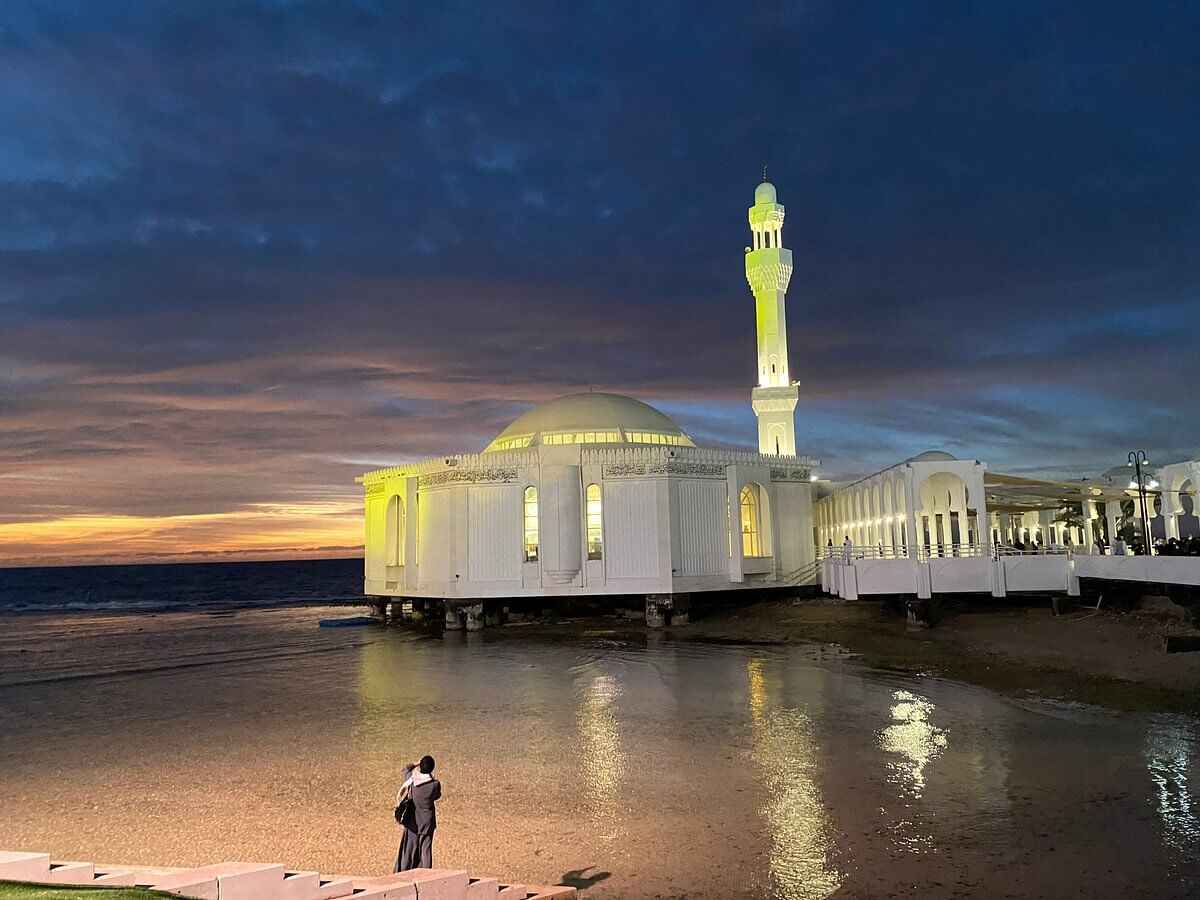



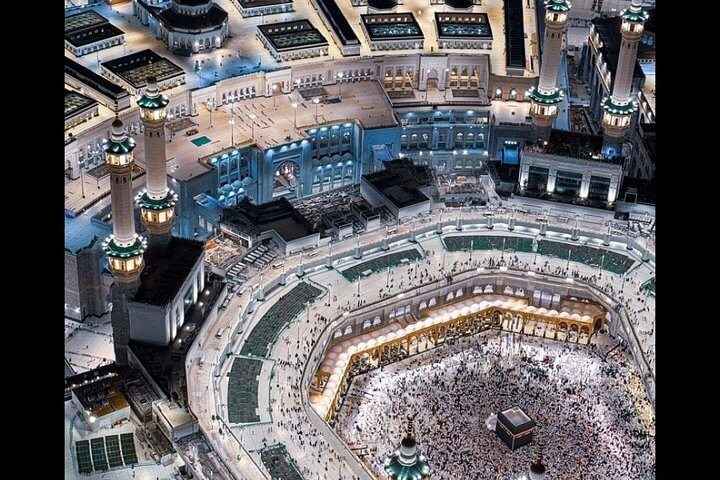
Makkah heritage is the story of the city itself: the valley where Hajar ran between Safa and Marwah, the cave where revelation began, the birthplace of the Prophet ﷺ, and the living customs of the people who have hosted pilgrims for centuries. For a Muslim visitor today, it means a set of places you can still stand in, a few excellent museums that explain what the skyline now hides, and a practical question: how do you reach all of it comfortably?
This guide answers both. It explains where Makkah’s heritage comes from, which sites you can visit, what has changed, and how to plan a respectful, unhurried heritage day, including how a private taxi fits in.
In this guide: what Makkah heritage means · a short history · sites to visit · museums · preserving the past · living traditions · visit planning · getting around by private taxi · a sample itinerary · FAQs
What Does “Makkah Heritage” Mean?
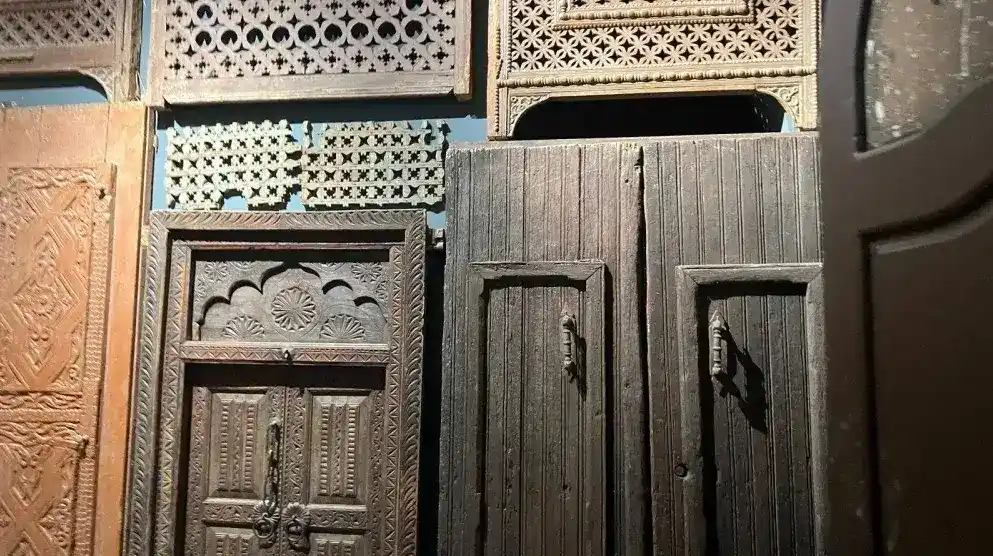
Makkah heritage covers everything that carries the memory of the city: its sacred geography, its surviving buildings and artefacts, and its customs. Heritage specialists usually split this into two groups. Tangible heritage means places and objects, such as mountains, caves, mosques, manuscripts and the Kiswa of the Kaaba. Intangible heritage means practices, such as Hijazi hospitality, Arabic coffee, food and the way Makkah’s families have served pilgrims across generations.
Makkah is unusual because its heritage is not mainly a monument to look at. It is a place people still travel to worship, so history and daily devotion share the same ground.
A Short History of Makkah
The Valley of Bakkah: Ibrahim, Hajar and Ismail
Islamic tradition places the beginning of Makkah in a dry valley, where Prophet Ibrahim (peace be upon him) left his wife Hajar and their son Ismail by Divine command. Hajar searched for water by moving between the hills of Safa and Marwah. Zamzam then appeared near the infant Ismail, and travelling tribes began to settle beside the spring.
That search is remembered in every Umrah and Hajj as the sa’i. The Qur’an also says that Ibrahim and Ismail raised the foundations of the Kaaba, which is why the Kaaba, Maqam Ibrahim, Zamzam and Safa and Marwah sit so close together inside Masjid al-Haram. They are not separate attractions. They are chapters of one story.
Makkah Before Islam: Trade and the Quraysh
By the time of the Prophet ﷺ, Makkah was a trading town on the caravan routes of the Hijaz, and the tribe of Quraysh held the honour of caring for the Kaaba and its visitors. This is the hospitality tradition that later shaped the city’s role toward pilgrims. The Prophet Muhammad ﷺ was born in Makkah, and the Qur’an itself refers to the Quraysh and their journeys of trade.
Revelation, Hijrah and Return
Before prophethood, the Prophet ﷺ would withdraw to the Cave of Hira on Jabal al-Nour for reflection. There the first verses of the Qur’an were revealed. After years of hardship in Makkah, the Prophet ﷺ left for Madinah in the Hijrah of 622 CE, sheltering with Abu Bakr (may Allah be pleased with him) in the Cave of Thawr on the way. Eight years later he returned to Makkah, and the Kaaba was cleansed of idols. The Hijrah marks the start of the Islamic calendar.
Centuries of Custodianship and Expansion
Through the Islamic centuries, caliphs, sultans and local families maintained and enlarged the Haram. In the modern era, successive Saudi expansions have multiplied its capacity many times over, and transport, hotels and the Haramain high-speed railway have followed. That growth made Umrah and Hajj possible for millions, but it also changed the old city, which brings us to a question most guides skip.
Heritage Sites You Can Visit in Makkah Today
The sites below are in or around Makkah. Visiting them is not part of the rites of Umrah or Hajj, and no ritual is attached to them. Go to learn, reflect and understand the history, and follow the guidance of the officials on site.
Masjid al-Haram: The Centre of the Story
Most pilgrims meet Makkah’s heritage first in Masjid al-Haram. Look beyond the crowd and you can read the whole early history in a few hundred metres: the Kaaba, Maqam Ibrahim (the stone associated with Ibrahim’s building of the Kaaba), the Zamzam well and the mas’a between Safa and Marwah. Each of these is tied to a named person and event, which makes them the best place to begin before heading out to the wider city.
Jabal al-Nour and the Cave of Hira
Jabal al-Nour, the “Mountain of Light,” rises north-east of the Haram and holds the Cave of Hira, where revelation began. The climb is steep and exposed. Many visitors find it takes well over an hour for the round trip, so decide honestly whether it suits your fitness, age and the weather. Going soon after Fajr keeps the heat down and the paths quieter. If you or an elderly relative cannot climb, the base of the mountain still gives a clear sense of the setting.
Hira Cultural District
At the foot of the mountain, Hira Cultural District is the easiest place to understand what Jabal al-Nour means. According to official Saudi tourism sources, it includes the Revelation Gallery, a Museum of the Holy Qur’an, a Saudi Coffee Museum, a visitor centre and the paved route up to the cave. The galleries use interactive and augmented-reality displays, which makes them approachable for children and first-time visitors. Opening hours differ between the district, the galleries and the ascent road, so check current times before you set out.
Jabal Thawr and the Cave of Thawr
On the southern side of Makkah, Jabal Thawr holds the cave where the Prophet ﷺ and Abu Bakr rested during the Hijrah. It is a quieter and less developed site than Hira. Wear sturdy shoes, start early, and agree your waiting arrangements with your driver, because the access roads are narrow and parking is limited.
The Prophet’s Birthplace Area
The Prophet’s birthplace is traditionally placed in the old Suq al-Layl quarter, close to the Haram. The spot is now marked by the Makkah Library. It is a modest place with little to see compared with its meaning, and a good reminder that heritage here is often about location, not architecture.
Mina, Arafat and Muzdalifah
These are the Hajj sites east and south-east of Makkah. Mina holds the Jamarat and the tent city, Arafat is the plain of the standing on the ninth of Dhul Hijjah, and Muzdalifah lies between them. Outside Hajj, they are open to visit, though the Mashaer railway that links them runs on a seasonal basis. Arafat and its Jabal al-Rahmah are included in the Royal Commission for Makkah City and Holy Sites’ heritage programme.
Museums and Exhibitions
Museums are where the vanished city is best explained.
- Clock Tower Museum: beside the Haram, with a viewing platform over the Mataf. No separate transport is needed if you are staying in the complex.
- International Fair and Museum of the Prophet’s Biography and Islamic Civilization: a long-running exhibition on the Prophet’s life and Islamic history.
- Kiswa Complex: the factory where the Kaaba’s covering is woven and embroidered. Saudi tourism information lists weekday morning visits for Muslim visitors, so confirm days and times in advance.
- Al-Zaher Palace Museum: a historic building that became a museum of Makkah’s history and antiquities in 2006.
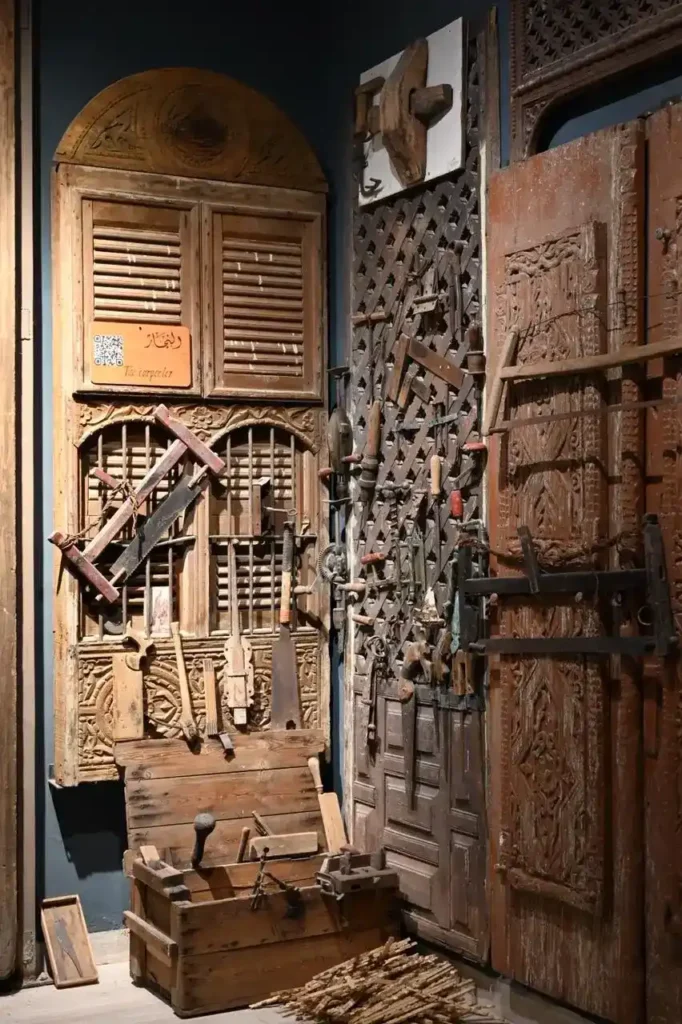
- Human Heritage Museum: a private museum in the Aziziyah district displaying daily-life objects, manuscripts, clothing and tools, founded by the Al-Ghamdi family.
What Has Changed: Heritage in a City Built for Millions
Most visitors notice towers, not old houses. Researchers who study Makkah’s built heritage point out that many historic buildings were lost because the city had to grow to host enormous numbers of pilgrims. Only a limited number of older structures remain.
That is why current preservation work matters. In 2025, the Royal Commission for Makkah City and Holy Sites launched the “Makkah: A Living Legacy” campaign to raise the visibility of the city’s cultural sites, part of a wider plan to preserve, develop and rehabilitate more than 98 sites. For visitors, the result is a growing number of well-presented, accessible places, and a good reason to see them with a guide or driver who knows which are open.
Living Heritage: Coffee, Food and Hospitality
Not all of Makkah’s heritage sits in a museum. Hijazi hospitality is visible in the way hosts serve Arabic coffee and dates, and in dishes such as mutabbaq, and sobia during Ramadan. Traditional objects, including brass coffee pots, incense burners and carved chests, are collected and displayed by museums and cultural initiatives. If a local family or shopkeeper offers coffee, accept it graciously. It is a small, genuine piece of the city’s culture.
Planning a Heritage Visit: Practical Advice
Who can visit. Only Muslims may enter Makkah, and the sites in this guide are for Muslim visitors. Non-Muslim travellers interested in Hijazi heritage can see the UNESCO-listed historic district of Jeddah, Al-Balad, which is on the road to Makkah.
Best time of day. Start after Fajr. Mornings are cooler, queues are shorter and the light is better. Avoid the hour before and after Friday prayer, when roads around the Haram are at their busiest.
Best seasons. Ramadan, the school holidays and Hajj season are the busiest and need the earliest bookings. Winter months are milder for walking and climbing.
What to wear and carry. Modest, comfortable clothing, supportive shoes, a refillable water bottle, sun protection, and your Nusuk or permit details if you are in the Hajj or Umrah period. Carry cash and a phone with data.
Etiquette. Keep your voice low. Do not photograph people without permission. Do not perform rituals at ziyarat sites, because none are required. Follow staff and signs.
Accessibility. Hira Cultural District is the most suitable stop for older visitors, wheelchair users and children, because it offers indoor galleries and flatter ground. The climbs to the Cave of Hira and the Cave of Thawr are not suitable for everyone.
Getting Around Makkah’s Heritage Sites by Private Taxi
Makkah’s heritage sites are spread across the city, they are not on one transit line, and heat and crowds make walking between them tiring. A private taxi lets you set the pace, wait while you visit, and avoid several separate rides.
Reaching Makkah
From King Abdulaziz International Airport (JED) in Jeddah, Makkah is roughly 80 to 95 km by road, and the drive usually takes between 60 and 90 minutes outside peak traffic. The Haramain railway also links the airport with Makkah, but its Makkah station is a taxi ride from the Haram area, so you still need ground transport for the last leg. For Madinah, the road journey is about 440 km, and most travellers should plan for four to five hours with a rest stop.
Choosing the Right Vehicle
- Toyota Camry: a comfortable choice for couples and small families with light luggage.
- Hyundai Staria or Toyota Hiace: better for larger families, extra luggage and elderly relatives.
- GMC Yukon: a premium option for executive or VIP travel.
- Coaster bus: for group Umrah or study tours.
Capacity depends on luggage as much as passengers, so confirm both when you book.
What a Good Heritage Ride Looks Like
For a ziyarat or heritage tour, ask for a fixed quote that includes waiting time at each stop, not only the distance. Share your list of places in advance so the driver can plan the order and warn you about closing times. If you are arriving by air, ask for a meet-and-greet at arrivals and flight tracking, so your driver adjusts to delays. Travelling with children? Request child seats when booking. Prefer a female passenger-friendly schedule or a family-only vehicle? Say so early.
A Sample Half-Day Makkah Heritage Itinerary
This route follows the map rather than the clock, which saves backtracking.
- After Fajr, Jabal al-Nour and Hira Cultural District. Start here while it is cool. Spend time in the Revelation Gallery, then decide whether to climb.
- Late morning, the Prophet’s birthplace area. A short stop near the Haram, before midday crowds build.
- Midday, Jabal Thawr. Visit the cave if the weather and your energy allow.
- After Dhuhr, a museum. Choose the Clock Tower Museum, the Prophet’s Biography museum, or the Kiswa complex if its visiting days match.
Allow about four to five hours in total, or longer if you add the climb or a museum. Return to your hotel before the afternoon heat.
FAQs
What is Makkah heritage?
Makkah heritage is the sacred history, historic places and living customs of Makkah. It includes Masjid al-Haram, Zamzam, Safa and Marwah, the Cave of Hira, the Cave of Thawr, the Prophet’s birthplace, the Kiswa and local Hijazi traditions.
Why is Makkah historically important?
Makkah is the site of the Kaaba, the birthplace of the Prophet Muhammad ﷺ and the place where the Qur’an began to be revealed. It is also the destination of Hajj and Umrah.
What are the main heritage sites in Makkah?
The most visited are Masjid al-Haram, Jabal al-Nour and the Cave of Hira, Hira Cultural District, Jabal Thawr and the Cave of Thawr, the Prophet’s birthplace, and the sites of Mina, Arafat and Muzdalifah.
Is ziyarat part of Umrah?
No. Visiting historic sites is not a rite of Umrah or Hajj. It is optional, and its value lies in learning and reflection.
Can non-Muslims visit Makkah’s heritage sites?
No. Entry to Makkah is limited to Muslims. Non-Muslim visitors can explore Jeddah’s historic Al-Balad district instead.
How long does a Makkah heritage tour take?
A half-day tour covering Hira, the birthplace area, Jabal Thawr and one museum takes around four to five hours. Add time if you plan to climb to the Cave of Hira.
What is the best time to visit the Cave of Hira?
Early morning, ideally after Fajr. It is cooler and quieter, and the climb is easier.
Is the climb to the Cave of Hira difficult?
It is steep and exposed, and not suitable for everyone, including people with heart, breathing or mobility problems. Visit Hira Cultural District if you prefer not to climb.
Are the museums open to everyone?
Makkah’s museums and exhibitions are for Muslim visitors. Opening days and hours vary, so check before you go.
How far is Makkah from Jeddah Airport?
About 80 to 95 km by road, normally 60 to 90 minutes depending on traffic and the pilgrimage season.
Should I book a private taxi for ziyarat?
If you are travelling with family, elderly relatives, children or luggage, or want to visit several sites in one trip, a private taxi is usually the most practical option, because the driver waits for you and can adjust the route.
What vehicle is best for a family heritage tour?
A Hyundai Staria or Toyota Hiace suits most families, while a Toyota Camry is enough for two or three travellers with light bags.
How do I book a heritage tour with Al Maqam Transport?
Share your dates, pickup point, number of passengers and the places you want to see through the website. You will receive a confirmed vehicle and a fixed quote before you travel.
Plan Your Makkah Heritage Visit with Al Maqam Transport
Makkah’s heritage rewards visitors who go slowly, start early and understand what they are looking at. Al Maqam Transport arranges private taxi, airport transfer and ziyarat journeys across Makkah, Madinah, Jeddah and Taif, with clear quotes and drivers who know the roads and the timings. Book your Makkah ziyarat taxi and spend your energy on the visit, not the logistics.

Zeeshan is a professional driver and tour guide who has been living and driving in Saudi Arabia for the past 5 years. With deep knowledge of the roads, landmarks, and Ziyarat locations across Makkah, Madinah, Jeddah, and Taif, he helps pilgrims and travelers enjoy safe, smooth, and well-organized journeys. His experience in Umrah transport, city tours, and airport transfers makes him a trusted expert for visitors exploring Saudi Arabia.