


Niyyah (نِيَّةٌ) is the Islamic concept of intention—the firm and sincere resolve in the heart to perform an action solely for the sake of Allah. In Islam, actions are not judged merely by their outward form, but by the intention that motivates them. This principle places niyyah at the very foundation of faith, worship, and daily conduct.
The Prophet Muhammad ﷺ established this rule clearly in the famous hadith:
“Actions are judged by intentions, and each person will have what they intended.”
This narration forms a core legal and spiritual maxim in Islamic teachings.
What Is Niyyah?
Linguistically, niyyah means intention or resolve. In Islamic terms, it refers to the conscious determination in the heart to perform a specific act of worship, seeking closeness to Allah. Niyyah connects the inner belief with the outer action, ensuring that worship is not mechanical or habitual, but meaningful and sincere.
Without niyyah, actions lose their spiritual value, even if they appear correct outwardly.
Why Niyyah Is Essential in Islam
Niyyah serves several essential purposes in Islamic worship:
First, it distinguishes acts of worship from ordinary actions. Washing the body could be routine hygiene, but with the intention of purification, it becomes an act of worship.
Second, niyyah distinguishes between types of worship, such as whether a prayer is obligatory (fard), voluntary (nafl), or a sunnah act.
Third, it determines reward and acceptance. Two people may perform the same act, yet receive entirely different rewards based on sincerity and purpose.
Because of this, niyyah is a prerequisite for the validity of core acts of ibadah such as Salah, fasting, Hajj, and Umrah.
Where Niyyah Is Made: Heart vs Tongue
Islamic scholars agree that the place of niyyah is the heart. It does not need to be spoken aloud for an act of worship to be valid. If a person verbally states an intention that contradicts what is in the heart, the intention of the heart takes precedence.
Some scholars consider verbalizing the intention mustahabb (recommended), as it may help focus the mind, but it is not obligatory. If spoken, it may be said in Arabic or in any language the person understands.
Niyyah in Daily Worship
Niyyah for Salah
For prayer, niyyah means being consciously aware of which prayer is being performed and for whom it is performed. Simply standing to pray with awareness that one is offering Fajr, Dhuhr, or another prayer for Allah is sufficient. There is no requirement to audibly declare the intention before beginning Salah.
Niyyah for Fasting
In obligatory fasting, such as Ramadan, the intention must be present before dawn. For voluntary fasts, niyyah can be made even after dawn, provided nothing has been consumed.
Niyyah for Charity and Daily Actions
Niyyah extends beyond ritual worship. Eating, working, earning a livelihood, or caring for family can all become acts of worship when done with the intention of pleasing Allah and fulfilling one’s responsibilities.
Niyyah for Hajj and Umrah
When and Where Niyyah Is Made
For Hajj and Umrah, niyyah is made at the Miqat or just before reaching it, after wearing the Ihram garments. This intention marks the formal entry into the state of Ihram.
Niyyah for Umrah
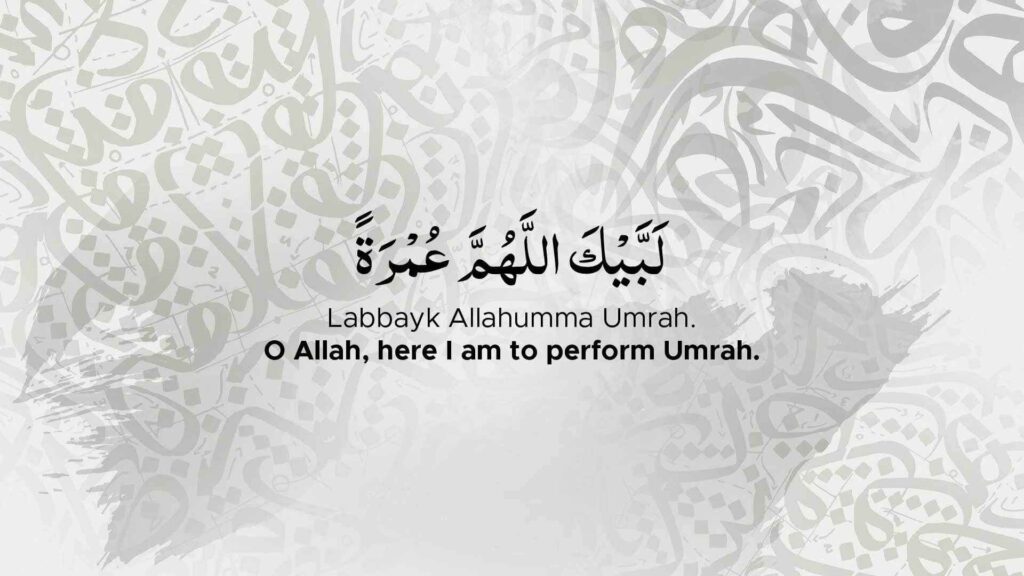
When performing Umrah at any time of the year, or as part of Hajj al-Tamattu, one may intend silently in the heart or say:
لَبَّيْكَ اَللَّهُمَّ عُمْرَةً
Labbayka Allāhumma ʿUmrah
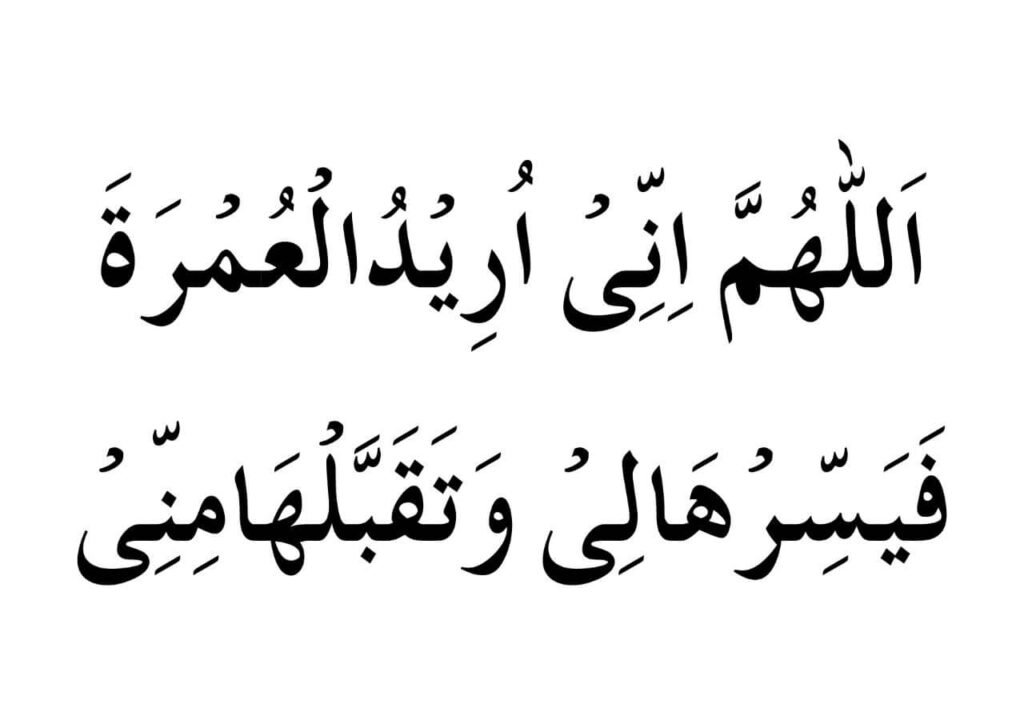
O Allah, here I am to perform Umrah.اَللَّهُمَّ إِنِّي أُرِيدُ الْعُمْرَةَ
Allāhumma innī urīdu l-ʿUmrah.
O Allah, I intend to perform Umrah.
Another permissible form is asking Allah for ease and acceptance, reinforcing humility and dependence on Him.
Niyyah for Hajj
For Hajj al-Ifrad or the Hajj portion of Hajj al-Tamattu, the pilgrim intends Hajj alone. The essence of the niyyah remains the same: a sincere resolve to perform Hajj for Allah.
Niyyah for Hajj al-Qiran
Those performing Umrah and Hajj together combine both intentions at the Miqat, entering Ihram for both acts simultaneously.
Common Misconceptions About Niyyah
A common misunderstanding is that niyyah must be recited in a fixed formula. In reality, sincerity and clarity in the heart are what matter most. Another misconception is limiting niyyah only to acts of worship, whereas Islam teaches that every permissible action can earn reward through correct intention.
How Niyyah Transforms Ordinary Actions into Worship
Niyyah is what elevates daily life into continuous worship. A believer who intends obedience, gratitude, or service to others can transform routine actions into means of spiritual growth. This reflects Islam’s holistic view of worship, where life itself becomes an act of devotion.
Summary: The Spiritual Power of Niyyah
Niyyah is the soul of worship in Islam. It aligns actions with faith, gives meaning to rituals, and ensures sincerity before Allah. Whether in Salah, Hajj, Umrah, or daily life, niyyah defines the value, reward, and acceptance of every deed. Through sincere intention, a believer turns actions into worship and worship into a path toward closeness with Allah.
Recommended: Talbiyyah
FAQs
What is the meaning of niyyah?
Niyyah means intention—the sincere resolve in the heart to perform an action for the sake of Allah.
How do you say niyyah in Salah?
Niyyah for Salah is made in the heart. There is no requirement to say it aloud before prayer.
What are examples of niyyah?
Intending to pray Fajr for Allah, fasting for His pleasure, or performing Umrah sincerely are all examples of niyyah.
Can I say niyyah in English?
Yes. If verbalized, niyyah may be said in any language. What matters most is the intention in the heart.

Zeeshan is a professional driver and tour guide who has been living and driving in Saudi Arabia for the past 5 years. With deep knowledge of the roads, landmarks, and Ziyarat locations across Makkah, Madinah, Jeddah, and Taif, he helps pilgrims and travelers enjoy safe, smooth, and well-organized journeys. His experience in Umrah transport, city tours, and airport transfers makes him a trusted expert for visitors exploring Saudi Arabia.