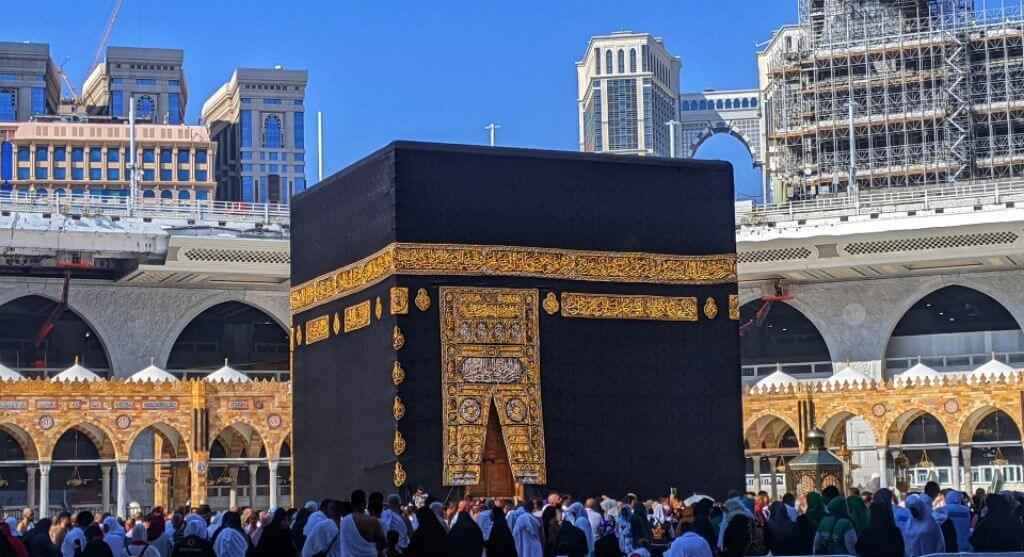



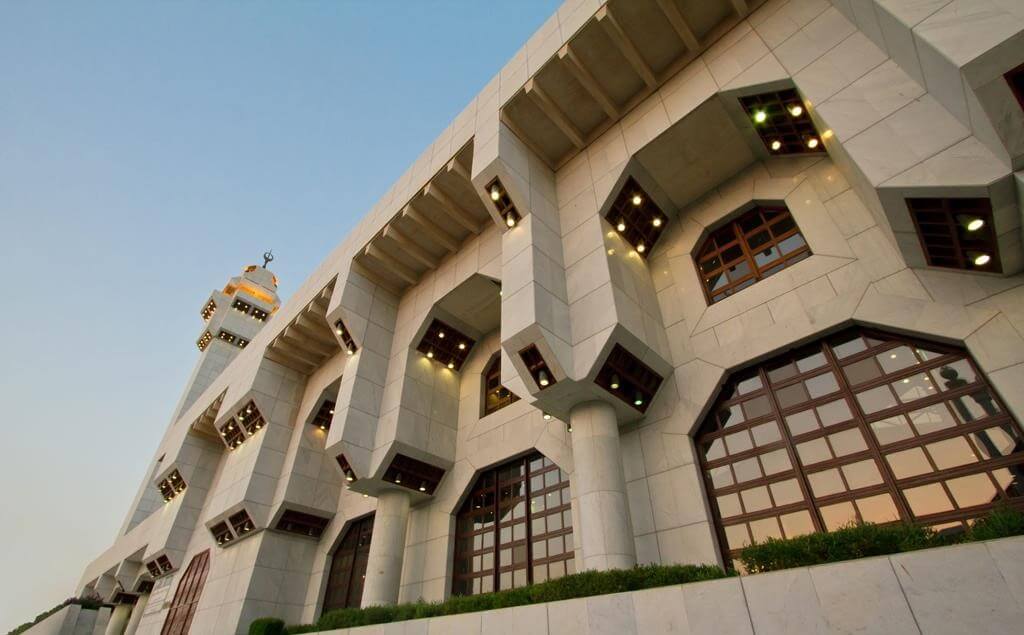
Yes – Masjid Ayesha (also called Masjid at-Tan’im or Masjid e-Taneem) functions as a miqat, but not in the same sense as the five classical miqat boundaries the Prophet Muhammad ﷺ designated for pilgrims arriving from outside Makkah. It is the recognized departure point for people who are already inside Makkah – residents, long-staying pilgrims, and visitors who want to perform an additional Umrah – to enter the state of Ihram before heading back to Masjid al-Haram.
If you’re planning to visit Masjid Ayesha for Ihram, this guide covers exactly what it is, why it’s used, how far it is from the Haram, and how to get there and back safely and on time.
What Is Masjid Ayesha?
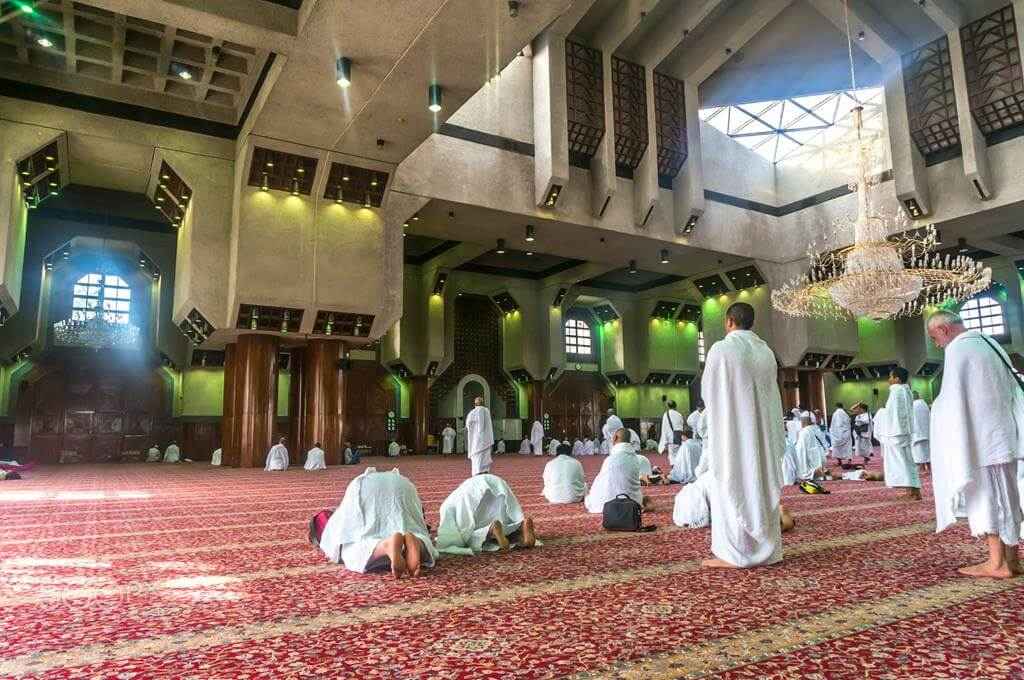
Masjid Ayesha sits in the Tan’im area, on the boundary of the Haram (sacred sanctuary), roughly 7–7.5 kilometers north of Masjid al-Haram on the road toward Madinah. The mosque takes its name from Aisha bint Abi Bakr, the wife of the Prophet Muhammad ﷺ, who traveled here during the Farewell Pilgrimage to begin Ihram for a makeup Umrah after being unable to complete an earlier one. Because of this history, the site is also widely known as Masjid at-Tan’im, and an Umrah performed after entering Ihram here is sometimes referred to locally as “Tan’im Umrah.”
Today the mosque complex covers roughly 84,000 square meters, with the main prayer hall covering around 6,000 square meters. It includes dedicated washrooms, bathing and changing areas for Ihram, wide parking for private cars, taxis, and buses, and shops selling Ihram garments, sandals, and other essentials – a full support setup for pilgrims arriving from Makkah hotels.
Miqat vs. Masjid Ayesha: What’s the Real Difference?
This is where a lot of confusion comes from, so it helps to separate two ideas clearly.
The classical miqat boundaries are the five (sometimes counted as five geographic points serving broader regions) locations the Prophet ﷺ specified for pilgrims traveling to Makkah from outside the Haram – places like Dhul Hulaifah, Juhfah, Qarn al-Manazil, Yalamlam, and Dhat Irq. Anyone passing one of these points with the intention of Hajj or Umrah is required to enter Ihram there.
Masjid Ayesha is different. It is not one of those original five boundary points. Its role emerged from a specific, narrated exception: Aisha (RA) was already inside the Haram area and needed a point just outside the sanctuary boundary to begin Ihram for a second Umrah. Because Masjid Ayesha sits exactly on that Haram boundary line, it became the standard, practical answer to a real logistical question – where does someone already in Makkah go to start Ihram for an additional Umrah, since Ihram cannot begin from inside the Haram itself?
In everyday usage – including on signage, in scholarly answers, and in how pilgrims and Saudi authorities describe it – Masjid Ayesha is called a “miqat” because it serves that functional purpose. So the honest, complete answer is: it is a miqat by function and common usage, specifically for those already within Makkah, rather than one of the original miqat stations for incoming pilgrims from other regions or countries.
Who Actually Needs to Go to Masjid Ayesha?
- Makkah residents who want to perform an extra, voluntary Umrah.
- Pilgrims already in Makkah for Hajj or Umrah who wish to perform a second or third Umrah during their stay.
- Family members accompanying someone, as happened with Aisha’s brother in the original narration – though scholars note the exception applied to her situation, and most jurists hold that repeat Umrahs from Tan’im are a separate, permissible practice rather than a strict requirement.
If you are arriving in Makkah for the first time from outside Saudi Arabia, you do not use Masjid Ayesha – you would have already entered Ihram at your regional miqat (at the airport, before boarding your flight, or at the boundary point on your route) before ever reaching the city.
Distance, Travel Time, and Route from Makkah
- Distance from Masjid al-Haram: approximately 7–7.5 km (about 5 miles) by road.
- Typical taxi travel time: roughly 15–25 minutes each way, depending on traffic and time of day.
- Route: the mosque sits on the northern edge of Makkah along the road toward Madinah, making it a quick detour rather than a long trip.
- Round trip: most pilgrims budget 45–60 minutes total for the return journey, including a short stop at the mosque to make the Ihram intention and pray two rak’ahs, if desired, before heading back toward the Haram.
Traffic around Tan’im and along the Haram-bound roads can build up quickly during Ramadan, peak Umrah season, and the days surrounding Hajj, so timing your trip and having a reliable, pre-booked vehicle matters more than the distance itself.
Getting to Masjid Ayesha: Practical Travel Tips
- Book a private taxi rather than relying on street hailing, especially at night or during Ramadan, when demand for cars near the Haram spikes and wait times grow.
- Ask your driver to wait while you complete your Ihram preparations and make your intention – round-trip bookings are more convenient than trying to find a second taxi from Tan’im back into the city.
- Travel in comfortable, easy-to-change clothing if you plan to change into Ihram at the mosque rather than at your hotel.
- Carry your Ihram, sandals, and any personal items with you; while shops at Tan’im sell essentials, prices are higher than in central Makkah.
- Avoid peak prayer times for the drive itself, since roads around the Haram get congested just before and after each salah.
- Families and groups are usually better served by a larger vehicle (such as a Hyundai Staria, Toyota Hiace, or GMC Yukon) so everyone can travel together comfortably, especially with luggage or elderly family members.
- If you’re combining Ziyarat with your Tan’im trip, plan the order of stops in advance – some pilgrims visit other nearby sites first and go to Masjid Ayesha last, right before returning for Tawaf.
How Al Maqam Transport Can Help
Al Maqam Transport arranges private, driver-led transfers between your Makkah hotel and Masjid Ayesha, with the same vehicle waiting to bring you straight back to the Haram area once you’ve entered Ihram. This is particularly useful for:
- Families and groups who want to travel together in one vehicle rather than splitting across multiple taxis.
- Elderly or first-time pilgrims who prefer a fixed, pre-arranged pickup time instead of negotiating a ride on the spot.
- Pilgrims performing multiple Umrahs during their stay, who need dependable, repeatable transport rather than relying on availability each time.
- Late-night or Ramadan trips, when finding a taxi on the street near the Haram can take much longer than the journey itself.
Drivers are familiar with the route, the mosque’s parking and pickup areas, and the best times to avoid congestion – so the trip stays simple and predictable from hotel to Tan’im and back.
FAQs
Is Masjid Ayesha a miqat for Makkah residents?
Yes. For people already in Makkah, Masjid Ayesha is the standard place to enter Ihram before performing an additional Umrah, since Ihram cannot be started from inside the Haram boundary itself.
Do pilgrims arriving from outside Saudi Arabia need to go to Masjid Ayesha?
No. If you’re traveling to Makkah from outside the country, you enter Ihram at your designated regional miqat before or during your journey – not at Masjid Ayesha.
Why is Masjid Ayesha also called Masjid at-Tan’im?
Tan’im is the name of the area where the mosque is located, situated between two hills known as Jabal Na’im. Both names refer to the same mosque.
How far is Masjid Ayesha from Masjid al-Haram?
It’s about 7 to 7.5 kilometers (roughly 5 miles) north of the Haram, typically a 15–25 minute taxi ride depending on traffic.
Can I perform more than one Umrah after entering Ihram at Masjid Ayesha?
One Ihram is generally valid for one Umrah. If you want to perform another Umrah afterward, you would need to return to Masjid Ayesha (or another valid point outside the Haram) to enter Ihram again.
Is there a fee to enter Masjid Ayesha?
No, the mosque itself is free to enter and pray in. You may choose to purchase Ihram clothing or other items from nearby shops, which are priced separately.
What facilities are available at Masjid Ayesha?
The complex has washrooms, bathing and changing areas, wide parking for cars and buses, and shops selling Ihram garments, sandals, and other essentials.
Can I take a taxi directly from Jeddah Airport to Masjid Ayesha?
It’s uncommon, since most pilgrims arriving internationally have already entered Ihram before landing. If you have a specific reason to travel there directly, a private transfer can be arranged, but confirm your Ihram status with a knowledgeable source first.
What’s the best time to visit Masjid Ayesha to avoid crowds?
Mid-morning and mid-afternoon, outside of prayer times, tend to be quieter than late evenings and the hours just before Isha, especially during Ramadan and peak Umrah season.
Do I need to change into Ihram at the mosque, or can I do it at my hotel?
Both are acceptable. Many pilgrims prefer to change at their hotel and simply make the intention (niyyah) at or near Masjid Ayesha, which saves time at the mosque itself.
Is Masjid Ayesha the same as Masjid al-Taneem?
Yes, these are two names for the same mosque – Masjid Ayesha and Masjid al-Taneem (or Masjid e-Taneem) refer to the identical location in the Tan’im district.
Can families and large groups travel together to Masjid Ayesha?
Yes. Private transfer services can provide larger vehicles, such as vans or SUVs, so families and groups can travel together in one trip instead of splitting across several taxis.
What should I bring for the trip to Masjid Ayesha?
Your Ihram garments (or a plan to change at the mosque), comfortable sandals, a small amount of cash for any essentials, and your phone for tracking your driver or return pickup time.
How long should I budget for a round trip to Masjid Ayesha?
Most pilgrims plan for 45 minutes to an hour total, including travel time both ways and a short stop to prepare and make the Ihram intention.
Does traffic affect the trip to Masjid Ayesha during Ramadan or Hajj season?
Yes, significantly. Roads around the Haram and Tan’im get busy around prayer times and in the evenings during Ramadan, so booking transport in advance is more reliable than hailing a taxi on the spot.

Zeeshan is a professional driver and tour guide who has been living and driving in Saudi Arabia for the past 5 years. With deep knowledge of the roads, landmarks, and Ziyarat locations across Makkah, Madinah, Jeddah, and Taif, he helps pilgrims and travelers enjoy safe, smooth, and well-organized journeys. His experience in Umrah transport, city tours, and airport transfers makes him a trusted expert for visitors exploring Saudi Arabia.