


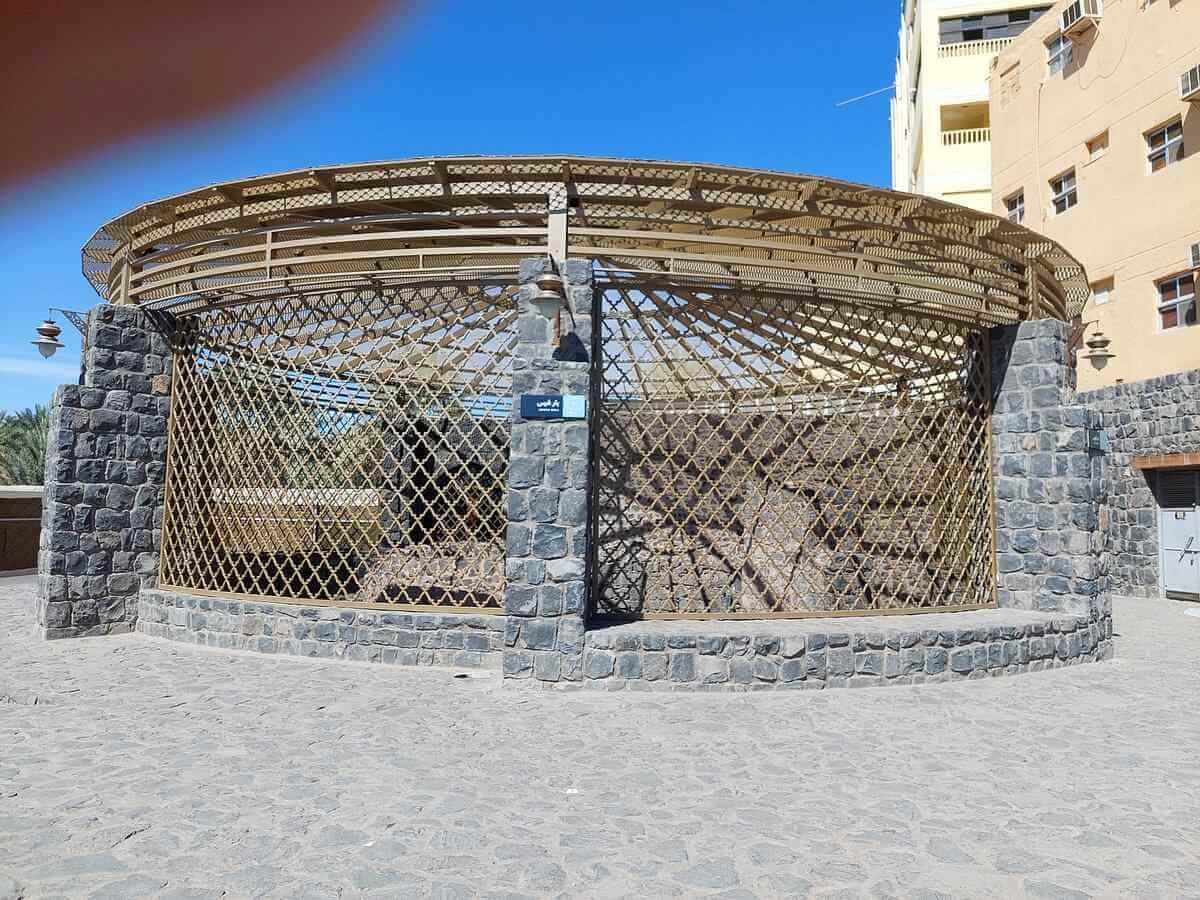
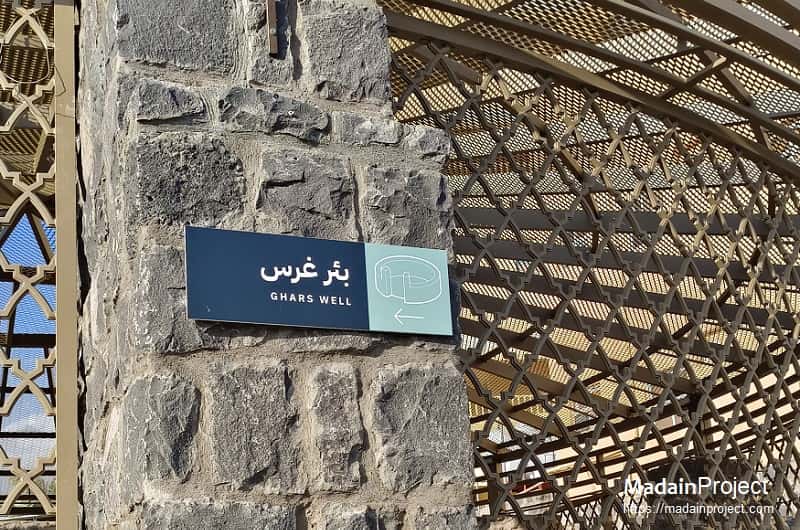
Ghars Well, also known as Bir al-Ghars (بئر غرس), is one of the most spiritually significant and historically authentic landmarks in Madinah. It is among the very few preserved sites directly connected to the personal life of Prophet Muhammad (peace be upon him). Unlike many locations associated broadly with Islamic history, Ghars Well is referenced in clear prophetic traditions, making it a place of deep reverence for visitors, pilgrims, and students of Seerah.
Located in the Al-Awali district, Ghars Well continues to attract Muslims who wish to connect with the physical spaces frequented by the Prophet during his life in Madinah.
What Is Ghars Well and Why It Matters in Islam
Ghars Well holds a unique position among the historic wells of Madinah. Authentic narrations establish that the Prophet Muhammad (peace be upon him) drank from this well, performed ablution using its water, and preferred it over many others. Its importance is further elevated by the Prophet’s instruction that water from Ghars Well be used for his final ritual washing after his passing.
Because of this direct prophetic connection, Ghars Well is often described by scholars as one of the most honored wells in Islam, and it is traditionally referred to as “my well” in prophetic narrations.
Historical Origins of Ghars Well
Who Dug Ghars Well
According to early historical sources, Ghars Well was originally dug by Malik bin al-Nahhat, the grandfather of Sa‘ad bin Khaythamah (may Allah be pleased with him). Sa‘ad later became the owner of the well during the time of the Prophet Muhammad.
Ghars Well During the Hijrah Period
During the Hijrah from Makkah to Madinah, the Prophet stayed with Sa‘ad bin Khaythamah. This historical detail further strengthens the connection between Ghars Well and the early Madinan period of Islam, placing the well within the lived environment of the Prophet and his Companions.
Prophetic Traditions and Authentic Narrations
The Prophet’s Preference for Ghars Well
Multiple narrations mention that Bilal ibn Rabah (may Allah be pleased with him) regularly brought water from Ghars Well to the Prophet Muhammad. The water was known for its freshness, pleasant taste, and purity. Some narrations describe the Prophet referring to Ghars Well as a spring from Paradise, highlighting its spiritual symbolism rather than making any theological claim beyond honor and virtue.
The Final Washing Request
One of the most significant narrations reported by scholars such as Ibn Majah quotes Ali ibn Abi Talib (may Allah be pleased with him), stating that the Prophet instructed that seven water-skins from Ghars Well be used for washing his blessed body after his death. This instruction firmly establishes Ghars Well as a site of exceptional prophetic preference.
Meaning, Name, and Pronunciation of “Ghars”
The word “Ghars” (غرس) linguistically refers to planting or cultivating, particularly the planting of trees or saplings. Historical scholars, including Al-Samhudi, noted that the people of Madinah pronounced the name in more than one way, both with a fathah and a dammah on the letter ghayn. The name reflects the agricultural nature of the area, which historically contained gardens and cultivated land.
Location of Ghars Well in Madinah
Ghars Well is located in the Bat’han Valley within the Al-Awali neighborhood of Madinah.
Distance from Major Landmarks
- Approximately 4 kilometers south of Masjid Nabawi
- Around 1.5 kilometers northeast of Masjid Quba
- About 1,200 meters east of Masjid al-Jum‘ah
The well lies along Ali ibn Abi Talib Road (Qurban Road), within a historically agricultural zone.
How to Reach Ghars Well Easily
Most visitors reach Ghars Well by taxi. Local drivers are familiar with the site when referred to as “Bir Ghars”. For Umrah pilgrims or families traveling with elders, using a dedicated Ziyarat taxi service ensures comfort, accurate routing, and the ability to combine Ghars Well with nearby historical sites in one journey.
Visiting Ghars Well Today
Opening Hours and Accessibility
Ghars Well is open daily:
- 9:00 AM to 1:00 PM
- 3:00 PM to 7:00 PM
The site is wheelchair accessible, with designated pathways, parking areas, and restroom facilities. Entry is free.
Site Facilities and Recent Renovation
A major renovation completed in 2023 transformed the site into a managed heritage complex under official Saudi supervision. Visitors can now access shaded areas, drink water from regulated water stations, and pray at a small adjacent mosque.
Structure and Architecture of Bir al-Ghars
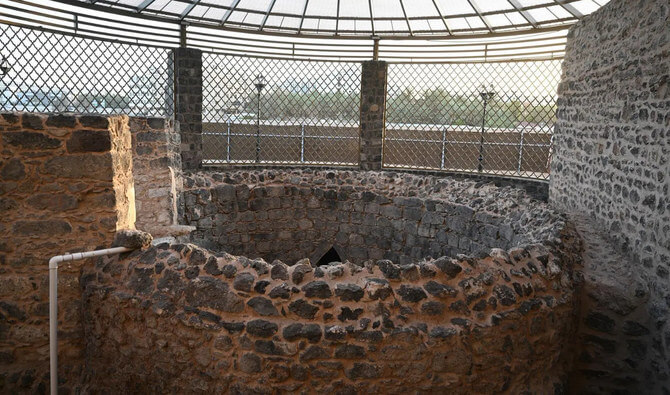
The well’s retaining walls are constructed from basalt and volcanic stone, bonded with traditional mortar. Historical accounts describe a staircase built to reach the water during low-water seasons, elements of which may still exist beneath modern protective structures. The site is enclosed by a protective boundary to preserve its dignity and safety.
The Water of Ghars Well – Historical Accounts and Beliefs
Historical travelers, including Richard Burton in the 19th century, described Ghars Well as a deep well with abundant water. Medieval scholars recorded periods when the water appeared green due to stagnation, yet remained drinkable. Today, modern pumping systems safely extract water, allowing visitors to drink from it as part of their visit, following official guidelines.
Ghars Well Through the Centuries
Ghars Well experienced periods of neglect due to flooding and natural sedimentation. It was restored multiple times, notably in the 13th and 15th centuries, when gardens and a small mosque were added. The modern restoration reflects Saudi Arabia’s broader initiative to preserve Islamic heritage sites in Madinah while maintaining historical authenticity.
Combining Ghars Well with Other Ziyarat Sites
A visit to Ghars Well is often combined with:
- Masjid Quba
- Masjid al-Jum‘ah
- The Seven Mosques
- Mount Uhud
- Masjid al-Qiblatain
Many Umrah visitors prefer structured Ziyarat routes that cover these locations efficiently within half a day.
Transportation, Umrah & Ziyarat Taxi Services in Madinah
For pilgrims performing Umrah or visiting Madinah with family, reliable transportation plays a key role. Professional Umrah and Ziyarat taxi services in Madinah allow visitors to reach Ghars Well comfortably, especially during peak seasons. Private taxis are ideal for elderly pilgrims, families, or groups seeking flexible schedules, air-conditioned vehicles, and drivers familiar with Islamic landmarks.
Such services also make it easy to plan custom Ziyarat tours, connecting Ghars Well with Quba Mosque and other prophetic sites without logistical stress.
Conclusion
Ghars Well stands as a rare, living connection to the personal life of Prophet Muhammad (peace be upon him). Its historical authenticity, verified narrations, and continued preservation make it one of Madinah’s most meaningful landmarks. Visiting Ghars Well is not merely a sightseeing experience but an opportunity for reflection, remembrance, and spiritual connection. Whether visited independently or as part of a guided Ziyarat during Umrah, Ghars Well remains a timeless symbol of the Prophet’s presence in Madinah and a site deserving of reverence, respect, and thoughtful engagement.

Zeeshan is a professional driver and tour guide who has been living and driving in Saudi Arabia for the past 5 years. With deep knowledge of the roads, landmarks, and Ziyarat locations across Makkah, Madinah, Jeddah, and Taif, he helps pilgrims and travelers enjoy safe, smooth, and well-organized journeys. His experience in Umrah transport, city tours, and airport transfers makes him a trusted expert for visitors exploring Saudi Arabia.