


The Salman Al-Farsi Date Garden is one of the most meaningful yet understated ziyarat locations in Madinah. It is closely associated with a powerful moment in Islamic history: the liberation of Salman Al-Farsi (RA), one of the Prophet Muhammad’s closest companions. Unlike grand mosques or large complexes, this garden remains simple, calm, and deeply reflective, making it a special stop for visitors who want to connect with the Seerah on a personal level.
Historical and Religious Significance
The Story of Salman Al-Farsi’s Freedom
Salman Al-Farsi (RA) was born in Persia and spent years searching for the true religion, traveling across regions and enduring hardship. His journey eventually led him to Madinah, where he accepted Islam but remained enslaved under a Jewish master. To gain his freedom, he was required to plant approximately 300 date palms and pay a sum of gold.
The Prophet’s Role and the 300 Date Palms
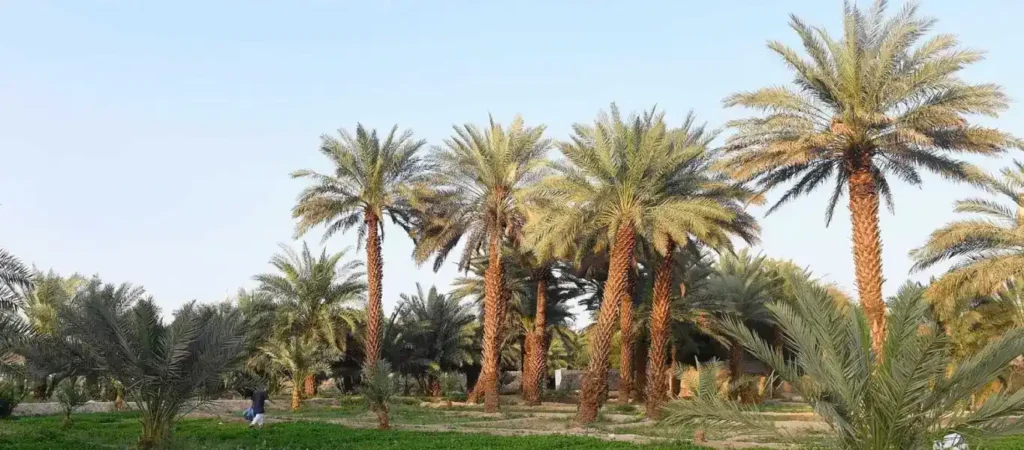
The Prophet Muhammad (peace and blessings be upon him) personally participated in this effort. He planted the date palms with his own blessed hands, and through Allah’s will, every palm tree survived and bore fruit. This event is remembered as a symbol of brotherhood, perseverance, dignity, and the Islamic stance against oppression. The garden is traditionally identified as the place connected to this extraordinary act.
What Is the Salman Al-Farsi Date Garden Today
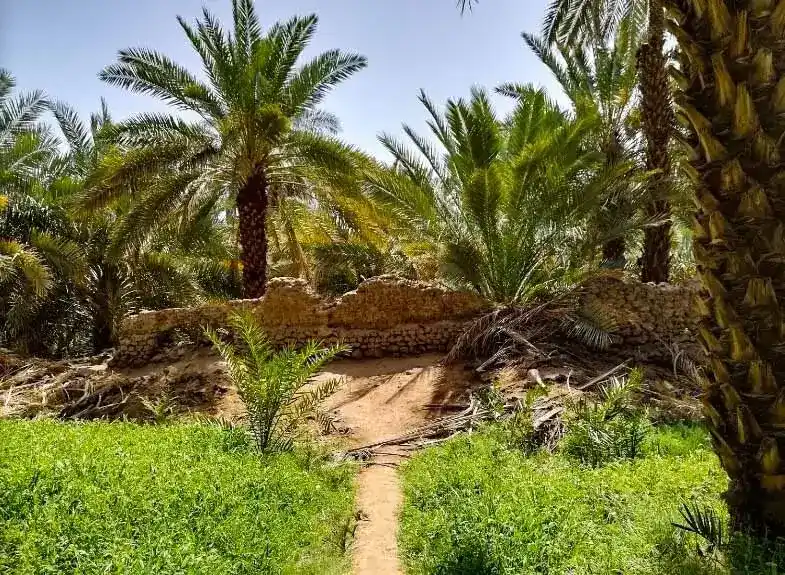
The Date Palms and the Garden Environment
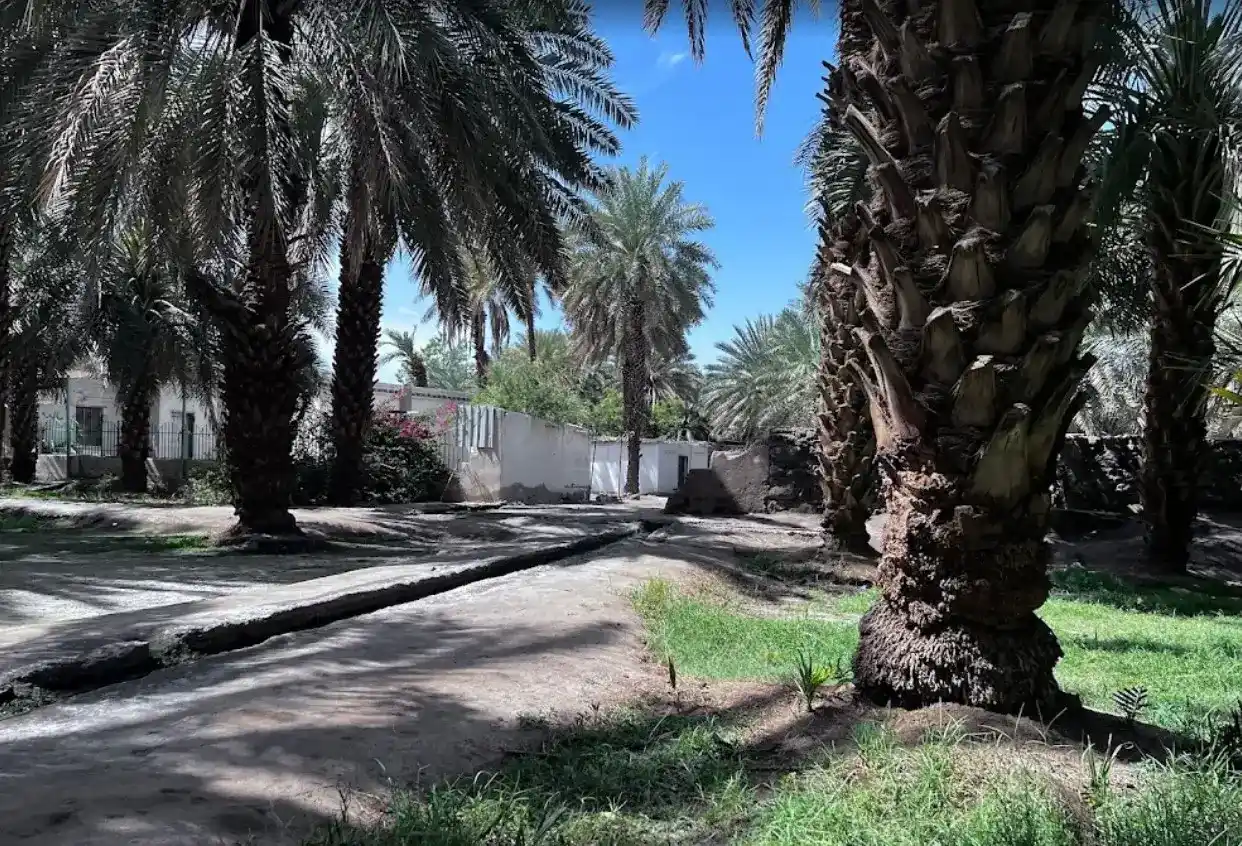
Today, the Salman Al-Farsi Date Garden is a small working date farm located in a quiet area of Madinah. While not all original palms remain, the site preserves the historical identity and spiritual memory of the event. Visitors walk among mature palm trees, gaining a tangible sense of Madinah’s agricultural life during the Prophet’s time.
The Freshwater Well and Its Tradition
The garden also contains a freshwater well, known for its clear and sweet water. When accessible, visitors may drink from it, following a long-standing tradition associated with barakah and reflection. The presence of the well reinforces how water and date cultivation shaped daily life in early Madinah.
Location and How to Reach the Garden
Distance from Masjid an-Nabawi
The garden is located in the Al-Awali District, approximately 5–6 kilometers south of Masjid an-Nabawi. Due to the distance, most visitors reach it by taxi or organized Madinah ziyarat transport rather than walking.
Nearby Ziyarat Sites
The Salman Al-Farsi Date Garden is often visited alongside other significant locations, including Masjid Quba, Ghars Well, and nearby historic wells. These sites together provide a broader understanding of the Prophet’s life in Madinah and the daily realities of the early Muslim community.
What to Do During Your Visit
Reflection and Learning
Visitors usually spend time quietly walking through the garden, reflecting on the life of Salman Al-Farsi (RA) and the Prophet’s compassion and leadership. Many guides narrate the story on site, helping visitors connect the physical space with its historical meaning.
Buying Dates from the Garden
Small vendors sell fresh dates grown locally, making it a popular place to purchase dates as gifts or personal keepsakes from Madinah. Buying directly from the garden supports local farming traditions and adds a meaningful dimension to the visit.
Date Varieties Available at the Garden
The garden and nearby farms commonly offer well-known Madinah date varieties. Ajwa dates are especially valued for their religious significance and association with Madinah. Other popular types include Sukkari, known for its golden color and sweetness, and Safawi, recognized for its darker tone and rich flavor.
Best Time and Practical Tips for Visiting
Early morning or late afternoon is the most comfortable time to visit, especially during warmer months. The garden is generally accessible throughout the day, though it remains a privately managed farm, so respectful behavior is essential. Modest dress, calm conduct, and brief visits of around 20 to 40 minutes are typical and appropriate.
Transport and Ziyarat Planning in Madinah
Because the Salman Al-Farsi Date Garden is located outside the central Haram area, reliable transport is essential for a smooth ziyarat experience. Many pilgrims prefer to include it as part of a half-day Madinah ziyarat tour along with Masjid Quba and other historic sites.
For visitors performing Umrah or Madinah ziyarat, arranging a private taxi or guided transport service allows flexible timing, family comfort, and efficient coverage of multiple locations in one trip. Professional Umrah and ziyarat taxi services in Madinah help ensure respectful, punctual, and knowledgeable travel between sacred sites, especially for elderly pilgrims and families.
Frequently Asked Questions
Where is the Salman Al-Farsi Date Garden located?
It is located in the Al-Awali area of Madinah, around 5–6 km from Masjid an-Nabawi, near Masjid Quba and Ghars Well.
What is the historical importance of the garden?
It is traditionally associated with the place where the Prophet Muhammad (PBUH) planted 300 date palms to free Salman Al-Farsi (RA) from slavery.
Is there an entrance fee?
There is no formal entrance fee, though visitors often purchase dates from the farm.
Can visitors drink water from the well?
When accessible, visitors may taste water from the well, depending on local conditions and availability.
Conclusion
The Salman Al-Farsi Date Garden is not just a date farm but a living reminder of faith, sacrifice, and Islamic brotherhood. Its simplicity reflects the humility of the early Muslim community, while its history carries profound lessons from the Seerah. For pilgrims visiting Madinah, this garden offers a quiet yet powerful ziyarat experience, especially when included in a thoughtfully planned Madinah tour with reliable Umrah and taxi transport services. Visiting this site allows believers to walk through history, reflect deeply, and leave with a renewed appreciation for the values that shaped Islam’s earliest generation.

Zeeshan is a professional driver and tour guide who has been living and driving in Saudi Arabia for the past 5 years. With deep knowledge of the roads, landmarks, and Ziyarat locations across Makkah, Madinah, Jeddah, and Taif, he helps pilgrims and travelers enjoy safe, smooth, and well-organized journeys. His experience in Umrah transport, city tours, and airport transfers makes him a trusted expert for visitors exploring Saudi Arabia.