


Uthman ibn Affan’s Farm & Well-known historically as Bir Rumah or the Well of Rumah-is one of the most enduring charitable institutions in Islamic civilization. Located in the blessed city of Madinah, this site is directly associated with Uthman ibn Affan, the third Caliph of Islam and one of the most generous companions of the Prophet ﷺ.
More than a historic well, this location represents one of the earliest and longest-running examples of waqf (Islamic endowment), continuing to generate charitable benefit over 1,400 years later.
Where Is Bir Rumah Located in Madinah?
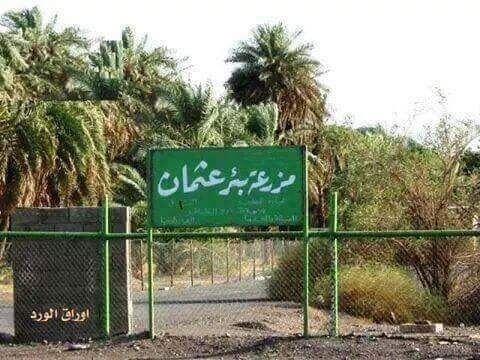
The Well of Rumah lies approximately 5–6 kilometers northwest of Masjid an-Nabawi in the Wadi al-Aqiq area. Historically, settlement in this region depended heavily on water sources, making wells central to social and economic life.
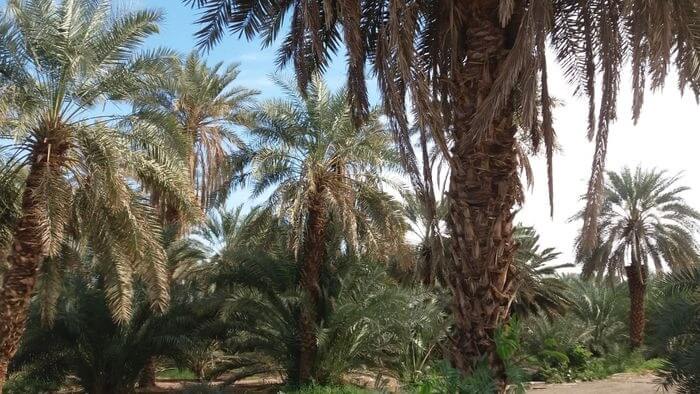
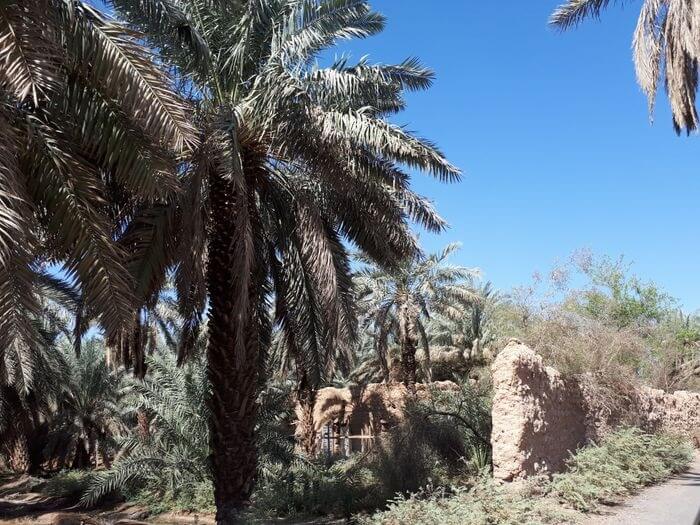
Today, the site sits within an agricultural district still characterized by palm groves and irrigation channels. Its semi-rural atmosphere contrasts with the dense urban area surrounding the Prophet’s Mosque.
The Historical Background of the Well of Rumah
Water Scarcity in Early Madinah
When the Prophet Muhammad ﷺ migrated to Madinah (then Yathrib), fresh drinking water was limited. Some wells were privately owned and water was sold commercially. Islamic narrations mention that the Well of Rumah was among the best freshwater sources in the area.
Reports preserved in classical sources, including narrations cited in Sahih al-Bukhari, record the Prophet ﷺ saying that whoever secured the well for the Muslims would be granted Paradise.
Who Owned the Well?
Historical accounts differ slightly regarding the original owner. Some sources mention a man named Rumah from Banu Ghiffar; others refer to a Jewish landowner associated with the name Mazni. This variation is common in early Madinan topographical traditions, where oral memory and written transmission intersect.
What remains consistent across narrations is the commercial nature of the well before its endowment.
How Uthman ibn Affan Established One of Islam’s First Waqf
Responding to the Prophet’s encouragement, Uthman ibn Affan first negotiated to purchase partial rights to the well. On his designated days, Muslims would draw sufficient water for multiple days, reducing demand from the private owner. Eventually, he purchased the well completely.
Rather than retaining it as private property, he declared it a waqf lillāh-a perpetual charitable endowment for public use. This institutional act transformed the well from a commercial asset into a communal resource.
Why This Matters in Islamic Law
The purchase of Bir Rumah is frequently cited in classical fiqh discussions as an early model of endowed public infrastructure. It demonstrates:
- Transfer from private ownership to charitable trust
- Perpetual public benefit
- Asset-based sustainability (land + water + agriculture)
The legal concept of waqf later became foundational in funding mosques, schools, hospitals, caravanserais, and pilgrimage services throughout Islamic history.
The Farm, Date Palms, and Long-Term Sustainability
Over centuries, the land surrounding the well was cultivated with date palms. What began as a water source gradually evolved into a productive agricultural endowment.
Historical records mention periods of neglect and later restoration, including rebuilding efforts during the medieval era and further development under Ottoman administration. In the modern Saudi state, the waqf remains active.
Today, more than 1,500 date palms are reported on the property. Revenue from date sales is managed through official waqf channels. Traditionally, proceeds are divided between:
- Support for the poor and orphans
- Reinvestment into the farm’s maintenance and growth
This structured revenue model exemplifies sustainable Islamic philanthropy-an asset generating ongoing sadaqah jariyah (continuous charity).
What You Can See at the Site Today
When accessible, visitors may observe:
- The historic well location (protected structure)
- A newer operational well integrated into irrigation
- Date palm groves
- Irrigation infrastructure and reservoirs
- A small mosque within the complex
Some Ottoman-era water installations and later reservoirs remain visible. However, access may occasionally be restricted due to renovation or development initiatives aimed at preserving Islamic heritage sites.
Because it is an active agricultural endowment rather than a formal museum, facilities can be limited.
Recommended: Ghars Well
Visiting Guide: How to Reach Uthman’s Farm & Well
From Masjid an-Nabawi, the drive typically takes 10-15 minutes depending on traffic.
The easiest way to visit is by private car or taxi. For pilgrims performing ziyarat across Madinah, arranging reliable transportation ensures a smoother experience-especially when combining multiple sites in one trip.
If you are visiting Madinah for Umrah or planning a complete ziyarat tour, arranging professional local transport makes the journey comfortable and time-efficient. Our Umrah and Madinah ziyarat taxi services provide direct trips from your hotel near Masjid an-Nabawi to Bir Uthman and other historical landmarks, with experienced drivers familiar with Islamic heritage routes.
The best time to visit is early morning or late afternoon to avoid heat.
Clarification About the “Waqf Uthman Hotel”
A common misconception links a hotel north of Masjid an-Nabawi directly to the original well property. While a hotel named after Uthman ibn Affan exists and is associated with charitable endowment, historical research indicates it is not physically part of the original Bir Rumah site but rather a separate waqf named in his honor.
Why the Well of Uthman Still Matters Today
Uthman ibn Affan’s Farm & Well is not merely a historical anecdote-it is a living institution. It demonstrates:
- The social importance of water in early Islamic urbanism
- The institutionalization of waqf as public welfare
- Long-term sustainability through agriculture
- Continuity of charitable governance across centuries
Few historical endowments in the world have functioned continuously for over fourteen centuries. Bir Rumah stands as one of the earliest documented examples.
For pilgrims in Madinah, visiting this site transforms history from theory into lived reality-where charity established during the Prophet’s lifetime continues to benefit people today.
Conclusion
Uthman ibn Affan’s Farm & Well (Bir Rumah) represents one of the most remarkable examples of Islamic philanthropy in action. From a privately owned freshwater well in early Madinah to a 1,400-year-old waqf supporting charitable causes, its legacy reflects visionary generosity and institutional wisdom.
For visitors performing Umrah or exploring Madinah’s sacred history, including Bir Uthman in your ziyarat deepens appreciation for how faith shaped social welfare systems. With convenient local taxi services, reaching this historic endowment is simple and spiritually enriching.
FAQs
What is Bir Rumah?
Bir Rumah, also known as the Well of Uthman, is a historic freshwater well in Madinah purchased and endowed as a waqf by Uthman ibn Affan.
How far is Uthman ibn Affan’s well from Masjid an-Nabawi?
It is approximately 5–6 kilometers northwest of Masjid an-Nabawi in the Wadi al-Aqiq area.
Is the well still active today?
Yes, the waqf remains operational. The surrounding farm continues to produce dates, and revenue is used for charitable purposes.
Can visitors enter the farm?
Access may vary depending on renovation or agricultural operations. It is best to check locally in Madinah or visit with organized ziyarat transport.
Why is this well important in Islamic history?
It is one of the earliest documented examples of waqf in Islam and is frequently cited in classical legal discussions on charitable endowments.

Zeeshan is a professional driver and tour guide who has been living and driving in Saudi Arabia for the past 5 years. With deep knowledge of the roads, landmarks, and Ziyarat locations across Makkah, Madinah, Jeddah, and Taif, he helps pilgrims and travelers enjoy safe, smooth, and well-organized journeys. His experience in Umrah transport, city tours, and airport transfers makes him a trusted expert for visitors exploring Saudi Arabia.