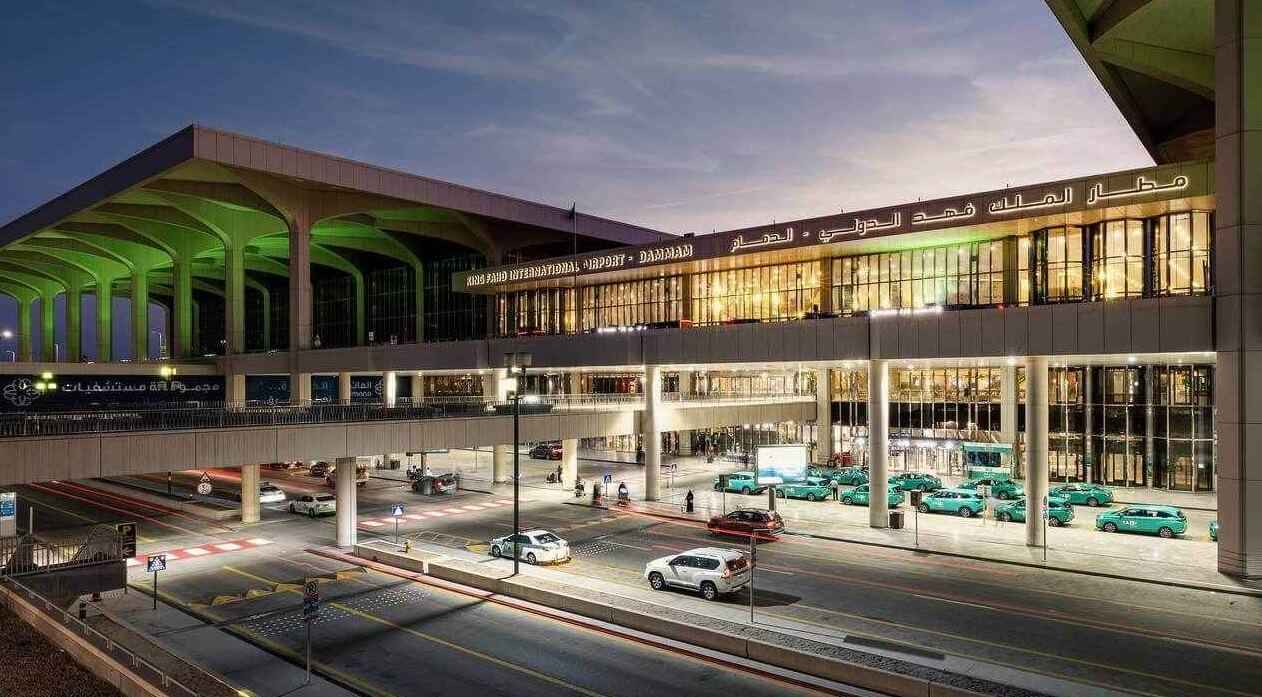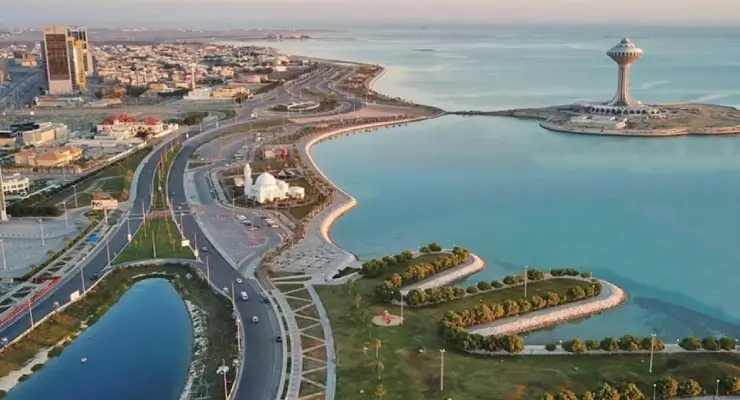



Located in northwestern Saudi Arabia near the Jordanian border and the Gulf of Aqaba, Tabuk is one of the Kingdom’s most historically layered and geographically diverse destinations. Known as an oasis city, Tabuk blends Islamic heritage, Ottoman-era landmarks, fertile farmland, dramatic valleys, and pristine Red Sea coastline.
If you are searching for the best things to do in Tabuk, this guide covers historical sites, family-friendly spots, natural wonders, and spiritual locations-structured to help you plan efficiently and experience the region with depth.
Understanding Tabuk – History, Geography & Cultural Significance
Tabuk and the Expedition of Tabuk
Tabuk holds a unique place in Islamic history as the location of the Expedition of Tabuk (9 AH / 630–631 CE), led by Prophet Muhammad ﷺ. This event marked the final military campaign of his lifetime and positioned Tabuk as a key frontier region during early Islamic expansion.
The city later became an important stop for pilgrims traveling between the Levant and Madinah, reinforcing its religious and commercial importance.
Hejaz Railway & Ottoman Heritage
During the Ottoman period, Tabuk became a major station on the historic Hejaz Railway, which connected Damascus to Madinah in the early 20th century. This railway significantly improved pilgrimage travel and trade routes across the region.
Today, remnants of that era remain visible in restored stations, locomotives, and architectural influences found across the city.
Oasis Landscape & Rose Farms
Unlike many assume, Tabuk is not purely desert. It sits within a fertile oasis supported by underground water reserves. The region produces wheat, fruits, vegetables, and especially Damask roses. During spring, rose farms bloom in vibrant color, and local distilleries produce rose oil and perfumes exported internationally.
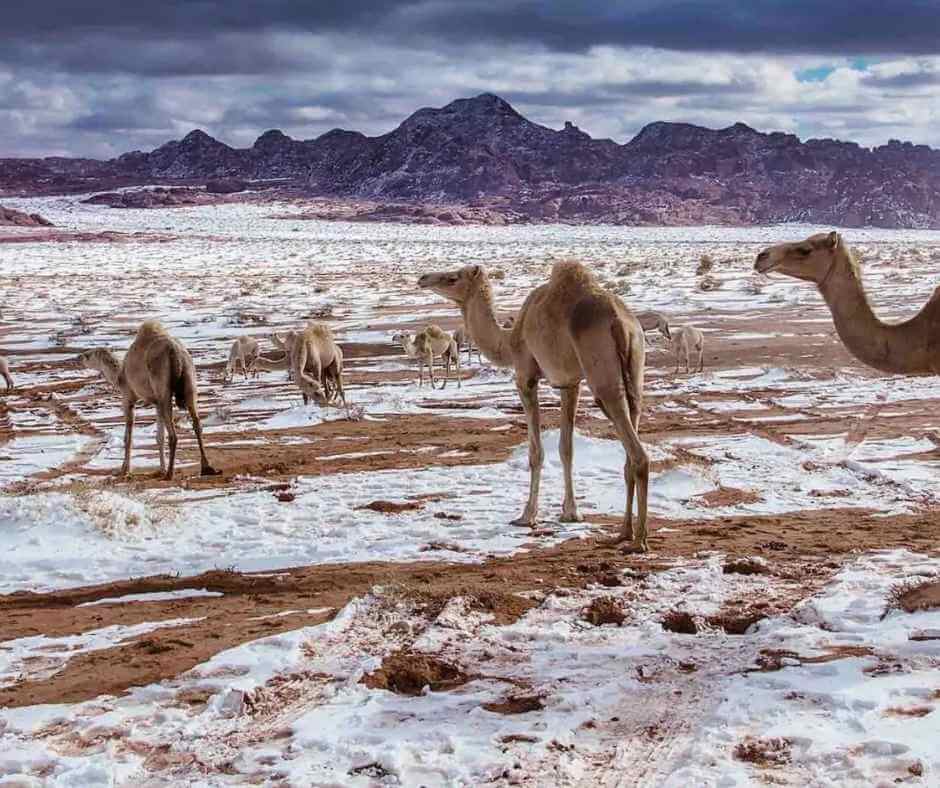
In winter, higher elevations such as Jabal Al-Lawz may even witness snowfall-an unusual and memorable experience in Saudi Arabia.
Top Historical & Islamic Places to Visit in Tabuk City
Tabuk Castle
Built in 1559 CE, this Ottoman-era fortress served as a resting station for pilgrims traveling toward Makkah and Madinah. The structure includes watchtowers, a courtyard mosque, wells, and exhibition rooms displaying historical artifacts.
Visitors interested in Islamic history and Hajj routes will find this site essential to understanding Tabuk’s strategic role across centuries.
Al Tawbah Mosque
Also known as Masjid Al Tawbah, this mosque is traditionally associated with the Prophet’s stay during the Expedition of Tabuk. Though renovated in later periods, the site remains spiritually significant.
Its simple architecture and calm atmosphere make it a reflective ziyarat stop within the city.
Ain Al Sukkar
Often referred to as the Springs of Moses, Ain Al Sukkar is linked in local tradition to Prophet Musa (AS). The well and surrounding area are frequently included in Islamic historical tours inside Tabuk.
Hejaz Railway Station
This preserved station displays locomotives, rail cars, tools, and manuscripts from the Ottoman railway era. It provides insight into early 20th-century engineering and the importance of pilgrimage infrastructure.
Natural Wonders Around Tabuk
Wadi Al Disah
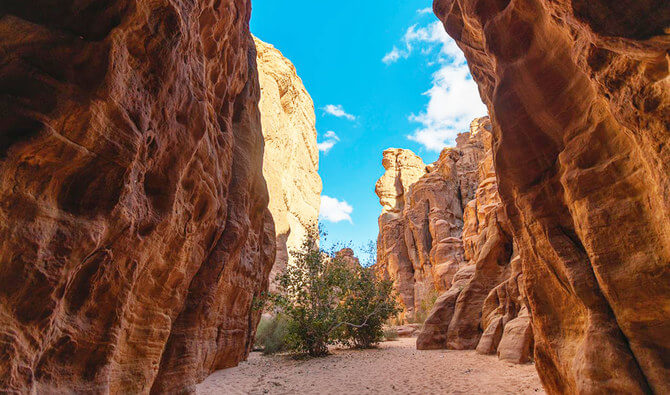
One of the most breathtaking landscapes in Saudi Arabia, Wadi Al Disah features towering sandstone cliffs, palm groves, flowing water streams, and ancient inscriptions. Located within the Prince Mohammed bin Salman Royal Reserve, it offers hiking, photography, and light adventure opportunities.
The cooler months between October and April are ideal for visiting.
Tayeb Al Ism
Near the coastal town of Maqna, Tayeb Al Ism is a dramatic canyon valley opening toward the Red Sea. Its narrow rock corridors and striking geological formations make it a favorite for explorers and photographers.
Umluj
Often called the “Maldives of Saudi Arabia,” Umluj is known for its crystal-clear waters, coral reefs, and over 100 small islands. It is ideal for boat trips, snorkeling, and beach relaxation.
Beaches & Coastal Attractions Near Tabuk
Haql & the Georgios G Shipwreck
Haql sits along the Gulf of Aqaba and features turquoise waters and white sand beaches. Offshore, the visible wreck of the Georgios G cargo ship has become a recognizable landmark for visitors and photographers.
Gulf of Aqaba Coastline
Stretching toward Sharma and Al Wajh, the Red Sea coastline in Tabuk Province offers quiet beaches, scenic drives, and emerging eco-tourism projects linked to regional development initiatives.
Things to Do in Tabuk with Family
Tabuk is well-suited for family travel thanks to its open parks, safe roads, and diverse attractions.
Green spaces such as Prince Fahd bin Sultan Park and King Abdulaziz Garden provide shaded picnic areas and walking paths. Traditional markets like Souq Twaheen offer a glimpse into local crafts, rugs, spices, and Bedouin products.
For modern leisure, Tabuk Park Mall and Al Hokair Mall provide cafés and indoor entertainment options.
Families can combine a short historical tour (Tabuk Castle, Al Tawbah Mosque, Ain Al Sukkar) into a half-day itinerary inside the city before heading toward coastal or valley excursions.
Travel Planning Tips for Visiting Tabuk
Tabuk’s climate is generally mild compared to central Saudi Arabia, but conditions vary by season and elevation.
- Visit natural valleys during cooler months.
- Carry sufficient water and fuel for coastal drives.
- Check road conditions before heading toward mountainous areas.
- Respect prayer times and local customs when visiting mosques.
A two- to three-day trip is usually sufficient to cover city landmarks and one major nature excursion.
Getting Around Tabuk & City-to-City Transfers
Tabuk’s attractions are spread across city, valley, and coastal zones. For visitors arriving from Makkah, Madinah, or Jeddah, reliable intercity transport makes planning easier and safer-especially for families.
If you are performing Umrah and planning to extend your journey north, or traveling between cities such as Makkah to Madinah, Madinah to Tabuk, or Tabuk to Jeddah, arranging a private taxi service ensures comfort, luggage space, and flexible stops for ziyarat and sightseeing.
Professional city-to-city transfers are particularly useful for:
- Family trips to Wadi Al Disah
- Ziyarat tours inside Tabuk
- Coastal day trips to Haql or Umluj
- Direct airport or hotel transfers
Pre-booked transport allows you to focus on exploring rather than navigating unfamiliar routes.
Conclusion
Tabuk is far more than a northern gateway. It is a city shaped by Islamic history, Ottoman heritage, fertile agriculture, dramatic valleys, and pristine Red Sea shores. From the spiritual reflection at Al Tawbah Mosque to the towering cliffs of Wadi Al Disah and the calm waters of Haql, the diversity of experiences makes Tabuk one of Saudi Arabia’s most underrated destinations.
Whether you are a history enthusiast, nature explorer, or family traveler, Tabuk offers meaningful experiences rooted in heritage and landscape.
FAQs
What is Tabuk famous for?
Tabuk is famous for the Expedition of Tabuk, Ottoman-era landmarks, the Hejaz Railway Station, Wadi Al Disah valley, rose farms, and Red Sea coastal attractions like Haql.
Is Wadi Al Disah accessible by car?
Yes, most of the route is accessible by sedan, but it is recommended to park before rough tracks and continue on foot. Always check local conditions.
Does it snow in Tabuk?
Snow occasionally falls in higher elevations such as Jabal Al Lawz during winter months.
How many days are enough for Tabuk?
Two to three days are sufficient to explore historical sites inside the city and one major nature or coastal destination.
Is Tabuk suitable for family trips?
Yes. The city offers parks, malls, historical sites, beaches, and safe road networks suitable for family outings.

Zeeshan is a professional driver and tour guide who has been living and driving in Saudi Arabia for the past 5 years. With deep knowledge of the roads, landmarks, and Ziyarat locations across Makkah, Madinah, Jeddah, and Taif, he helps pilgrims and travelers enjoy safe, smooth, and well-organized journeys. His experience in Umrah transport, city tours, and airport transfers makes him a trusted expert for visitors exploring Saudi Arabia.