


What is the Mataf in Makkah?
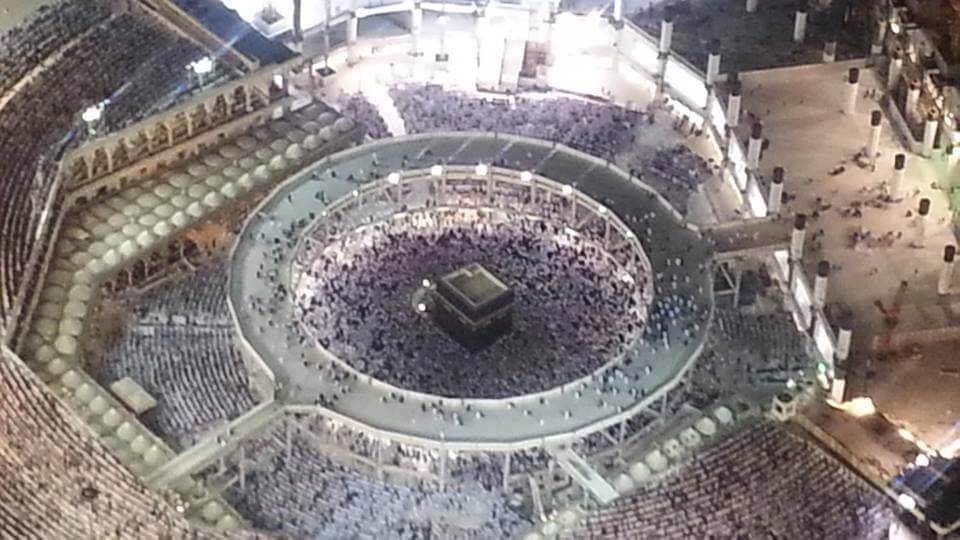
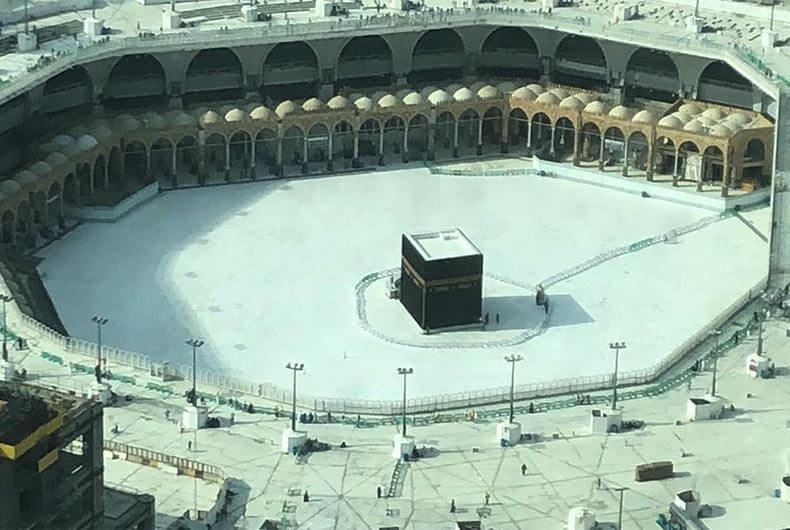
The Mataf is the open circular space surrounding the Kaaba inside Masjid al-Haram. This sacred area is specifically designed for performing Tawaf, the act of walking around the Kaaba seven times in a counter-clockwise direction.
The word Mataf comes from the Arabic root ṭāfa, meaning “to circle.” Because Tawaf is a central ritual in both Hajj and Umrah, the Mataf is one of the most spiritually significant areas in Islam.
Millions of Muslims visit this sacred space every year to perform Tawaf as part of their pilgrimage.
Location and Structure of the Mataf
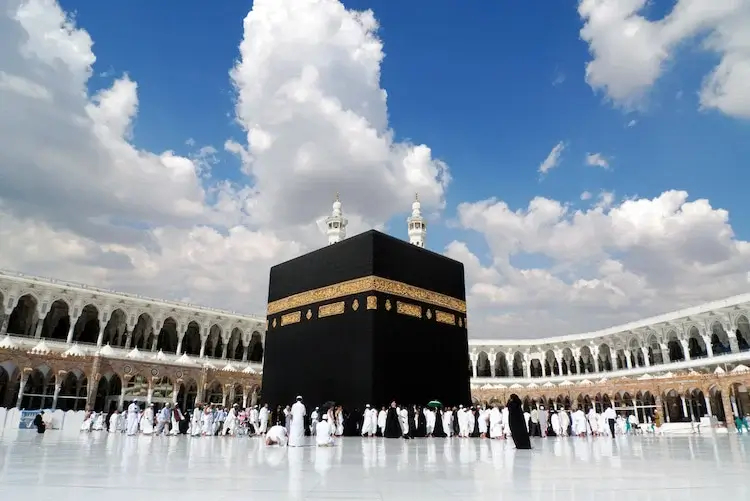
The Mataf lies at the very heart of Masjid al-Haram, with the Kaaba positioned at its center. Pilgrims circulate around it continuously day and night.
Today, the Mataf has been developed into a multi-level structure to accommodate the massive number of pilgrims visiting Makkah.
Modern Mataf Levels
The current design includes several levels:
- Ground Mataf courtyard closest to the Kaaba
- First floor and mezzanine levels
- Roof level for Tawaf
These levels are connected through ramps, staircases, and escalators, ensuring smooth movement for worshippers.
The entire system allows over 100,000 pilgrims per hour to perform Tawaf across different floors.
Marble Flooring
The ground Mataf is paved with special heat-resistant white marble, which remains relatively cool even in the intense heat of Makkah. This allows pilgrims to comfortably perform Tawaf barefoot, as is traditionally done.
Key Landmarks Within the Mataf Area
Several important religious landmarks are located within or near the Mataf.
Maqam Ibrahim
The Maqam Ibrahim marks the spot where Prophet Ibrahim (Abraham) is believed to have stood while building the Kaaba.
After completing Tawaf, pilgrims usually perform two units of prayer behind this location.
Hijr Ismail
The Hijr Ismail is a semi-circular wall adjacent to the Kaaba. It is considered part of the original structure built by Prophet Ibrahim.
Pilgrims do not enter this area during Tawaf but walk around it as part of the circumambulation.
Black Stone
The Black Stone marks the starting and ending point of each Tawaf circuit.
Pilgrims attempt to kiss or touch it if possible, but due to crowds many simply raise their hand toward it and say “Allahu Akbar.”
Zamzam Well
The famous Zamzam Well lies beneath the mosque complex. Pilgrims traditionally drink Zamzam water after completing Tawaf and prayers.
How Tawaf is Performed in the Mataf
Performing Tawaf inside the Mataf follows a specific sequence.
Step-by-Step Tawaf Guide
- Enter the Mataf while in a state of Ihram if performing Umrah or Hajj.
- Stand facing the Black Stone with the Kaaba on your left.
- Make the intention for Tawaf.
- Begin walking counter-clockwise around the Kaaba.
- Each time you pass the Black Stone, raise your hand and say “Allahu Akbar.”
- Continue until seven complete circuits are finished.
Pilgrims often recite Qur’an, supplications, and remembrance of Allah during the walk.
After finishing the seven rounds, pilgrims proceed to Maqam Ibrahim to perform two rak‘ahs of prayer before continuing to Safa and Marwah for Sa’i.
How to Enter the Mataf Area
Several entrances lead directly toward the Mataf from different parts of Masjid al-Haram.
Commonly used gates include:
- King Abdulaziz Gate
- King Fahd Gate
- Bab al-Umrah
- Bab al-Salam
From these gates, internal corridors guide worshippers toward the central Mataf courtyard.
During peak seasons, authorities may restrict the ground Mataf to pilgrims in Ihram to prioritize those performing Tawaf.
History of the Mataf Expansions
The Mataf has evolved significantly over centuries as the number of pilgrims increased.
Early Islamic Period
During the time of Prophet Muhammad ﷺ, the area around the Kaaba was open ground surrounded by houses. Paths between homes served as entrances to the sacred space.
Later, the second Caliph Umar ibn al-Khattab ordered early expansions after floods damaged the Kaaba and surrounding area.
Ottoman Developments
During the Ottoman period, the Mataf was paved with stone and marble. Structures such as the Zamzam building, pulpit, and several prayer stations for different Islamic schools existed around the Kaaba.
Saudi Expansion
The most dramatic changes came during the modern Saudi expansions of Masjid al-Haram.
Beginning with King Abdulaziz, and continuing under later rulers, the mosque underwent massive development projects.
These projects removed many historical structures, widened the Mataf courtyard, introduced multi-level Tawaf areas, and improved crowd management systems.
Today the Mataf is capable of accommodating over 107,000 pilgrims per hour, making it the largest circumambulation area in Islamic history.
Practical Tips for Pilgrims Performing Tawaf
Pilgrims visiting the Mataf should keep several practical considerations in mind.
Maintain a steady walking pace and avoid sudden stops during Tawaf. Since thousands of pilgrims move together in the same direction, sudden pauses can disrupt the flow.
If you wish to perform extra prayers or rest, step aside from the main Tawaf path to prevent congestion.
During extremely crowded periods, many pilgrims prefer performing Tawaf on upper floors or the roof, where movement can be easier for families, elderly pilgrims, or wheelchair users.
Hydration is also important. Pilgrims usually drink Zamzam water after completing Tawaf before proceeding to the Sa’i ritual between Safa and Marwah.
Transportation to Masjid al-Haram for Umrah Pilgrims
Many Umrah travelers arrive in Makkah from nearby cities such as Jeddah or Madinah. Reliable transportation helps ensure a smooth pilgrimage experience.
Pilgrims traveling between cities can book private Umrah taxis for routes such as:
- Makkah to Madinah
- Makkah to Jeddah Airport
- Madinah to Makkah
Services like Al Maqam Transport provide comfortable long-distance transfers for Umrah pilgrims across Saudi Arabia. Private taxis are especially convenient for families, elderly travelers, or pilgrims carrying luggage.
Booking a reliable transport service allows pilgrims to focus on worship while traveling safely between holy cities.
Conclusion
The Mataf is the spiritual heart of Masjid al-Haram and one of the most sacred spaces in Islam. Every day, thousands of pilgrims walk around the Kaaba in devotion, continuing a tradition that dates back to the time of Prophet Ibrahim.
Through centuries of expansion and architectural development, the Mataf has transformed into a vast and carefully designed area capable of accommodating millions of worshippers annually.
Understanding its layout, history, and rituals helps pilgrims perform Tawaf with greater awareness, comfort, and spiritual focus during their visit to Makkah.
FAQs
What does Mataf mean?
Mataf comes from the Arabic word meaning “place of circling.” It refers to the area surrounding the Kaaba where Tawaf is performed.
Where is the Mataf located?
The Mataf is located inside Masjid al-Haram in Makkah and surrounds the Kaaba.
How many people can perform Tawaf in the Mataf at once?
Across multiple floors of Masjid al-Haram, the Mataf system can accommodate over 100,000 pilgrims per hour.
Can pilgrims perform Tawaf on upper floors?
Yes. Tawaf can be performed on upper levels or the roof, especially during crowded periods.
Do you need to be in Ihram to enter the Mataf?
During busy seasons, the ground Mataf may be restricted to pilgrims in Ihram performing Tawaf for Umrah or Hajj.

Zeeshan is a professional driver and tour guide who has been living and driving in Saudi Arabia for the past 5 years. With deep knowledge of the roads, landmarks, and Ziyarat locations across Makkah, Madinah, Jeddah, and Taif, he helps pilgrims and travelers enjoy safe, smooth, and well-organized journeys. His experience in Umrah transport, city tours, and airport transfers makes him a trusted expert for visitors exploring Saudi Arabia.