


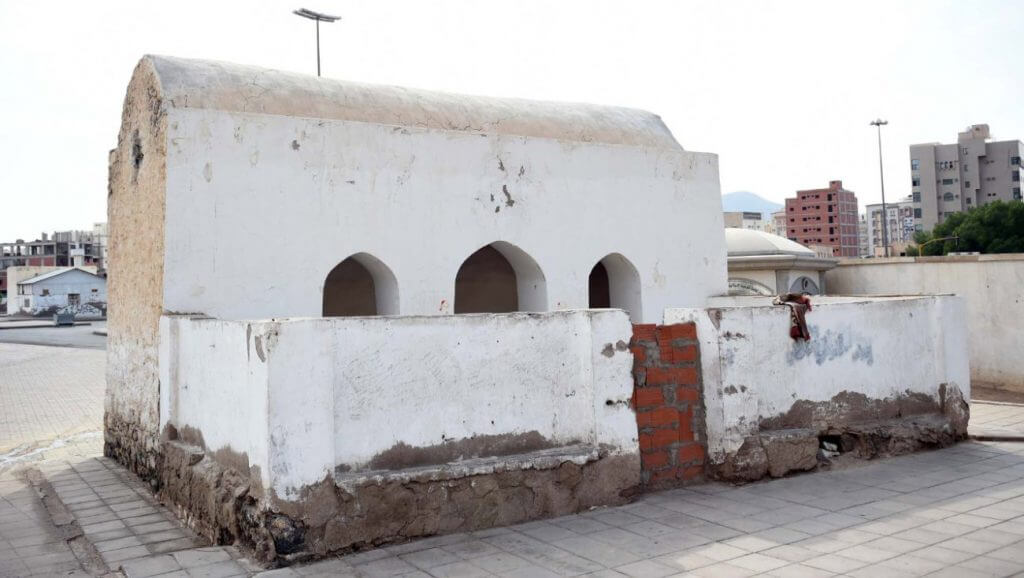
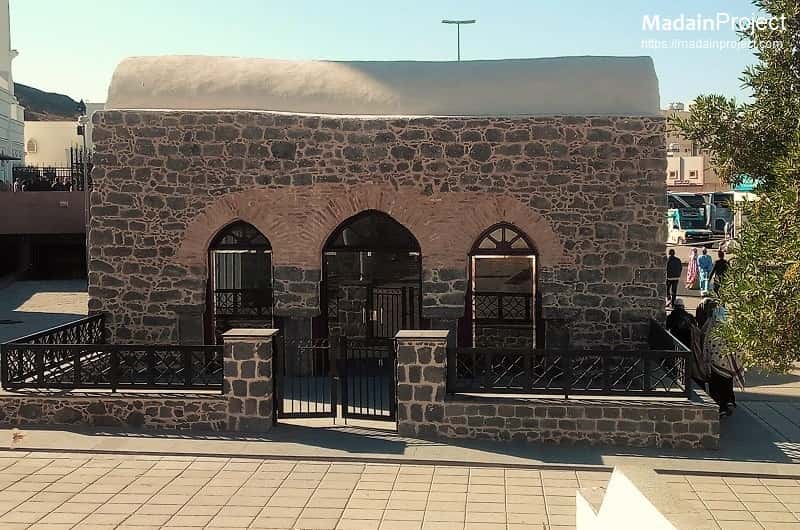
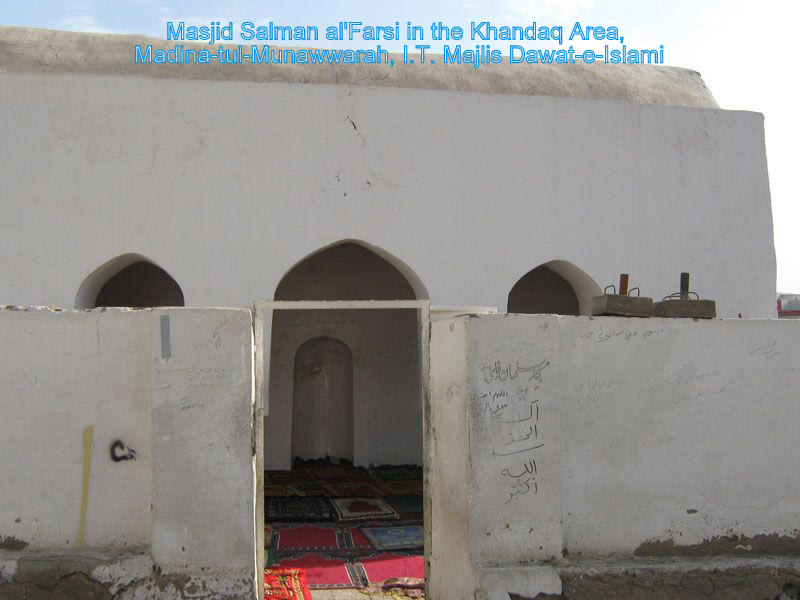
Masjid Salman Al Farisi is one of Madinah’s most meaningful yet often overlooked historical mosques. Located in the Qurban and Khandaq area near Jabal Sala’, this mosque commemorates Salman al-Farisi (رضي الله عنه) – a companion of the Prophet Muhammad ﷺ whose wisdom and faith left a permanent mark on Islamic history. For visitors performing Umrah or spending time in Madinah, this mosque represents reflection, strategy, sacrifice, and the universal spirit of Islam.
Who Was Salman Al Farisi (RA)?
Salman al-Farisi was born in Persia in the sixth century and began his life as a devoted follower of Zoroastrianism. His relentless search for the truth led him through Christianity and across regions of the Middle East until he eventually reached Madinah. Betrayed and sold into slavery along the way, his destiny unfolded when he met the Prophet Muhammad ﷺ after the Hijrah.
After recognizing the signs of prophethood, Salman embraced Islam and became one of the most trusted companions of the Prophet ﷺ. His status is uniquely honored by the famous declaration:
“Salman is from us, from the people of the household.”
This statement alone reflects his extraordinary closeness, regardless of ethnicity or origin.
Historical Significance of Masjid Salman Al Farisi
Connection to the Battle of the Trench (Ghazwat al-Khandaq)
The importance of Masjid Salman Al Farisi is inseparable from the Battle of the Trench in 5 AH (627 CE). When a confederation of tribes advanced toward Madinah with an army of nearly 10,000 warriors, the Muslim community faced an existential threat. It was Salman al-Farisi who proposed a defensive strategy unknown in Arabia – digging a trench along Madinah’s exposed side.
This strategic idea neutralized enemy cavalry and protected the city. The Prophet ﷺ not only accepted the proposal but personally participated in digging the trench alongside his companions. The eventual withdrawal of the enemy marked a decisive turning point in Islamic history.
Strategic Wisdom and Islamic Inclusivity
Masjid Salman Al Farisi stands as a physical reminder that Islam values knowledge, wisdom, and sincerity, regardless of cultural background. Salman’s Persian military insight saved Madinah, reinforcing Islam’s universal character and respect for intellect wherever it originates.
Masjid Salman Al Farisi and the Seven Mosques of Madinah
Location within the Khandaq Area
Masjid Salman Al Farisi is part of the historically significant Seven Mosques (Masajid Sab‘ah) area, situated on the western slope of Jabal Sala’, approximately 3.5–4 kilometers northwest of Masjid al-Nabawi.
Relationship with Masjid al-Fath and Jabal Sala’
The mosque lies close to Masjid al-Fath, where the Prophet ﷺ made heartfelt supplications for victory during the siege. Together, these mosques mark the defensive positions of key companions during the battle and form an essential Ziyarah stop for those seeking to understand Madinah’s early Islamic history.
Salman Al Farisi’s Garden and the Story of Freedom
The 300 Date Palms
Another deeply moving chapter of Salman al-Farisi’s life is connected to a garden near this area. While still enslaved, his master demanded 300 date palms and gold for his freedom. The Prophet ﷺ and the companions personally planted the palms – each one taking root by Allah’s will. This garden remains a living testimony to brotherhood, dignity, and divine blessing.
Al-Faqir Well (Well of Ali)
Nearby lies Al-Faqir Well, also known as the Well of Ali, known for its sweet water. Visitors today can still taste the water, connecting physically with Madinah’s prophetic past.
Visiting Masjid Salman Al Farisi Today
Location, Access & Facilities
Masjid Salman Al Farisi is located on Ali Ibn Abi Talib Road in the Qurban district and is open 24 hours daily. The area includes accessible pathways, wheelchair-friendly entrances, and nearby parking, making it suitable for elderly pilgrims and families.
Best Time to Visit
Early morning after Fajr or late afternoon after Asr is ideal, especially during warmer months. These times allow for quieter reflection and a more comfortable Ziyarah experience.
Ziyarah Experience and Spiritual Reflection
Visiting Masjid Salman Al Farisi is not about architectural grandeur but about meaning. Standing here encourages reflection on patience, sacrifice, and reliance on Allah during hardship. Visitors often describe the area as peaceful and spiritually grounding, especially when combined with visits to the nearby trench site and Masjid al-Fath.
Transportation for Ziyarah Visitors
Taxi & Private Ziyarah Services
The most convenient way to reach Masjid Salman Al Farisi is by taxi or private Ziyarah transport. Many Umrah visitors prefer pre-arranged Ziyarah taxi services that combine multiple historic sites such as Masjid Quba, Masjid al-Qiblatain, Mount Uhud, and the Seven Mosques in one well-organized route.
Reliable Umrah and Madinah taxi services allow pilgrims to travel comfortably, especially for families, elderly visitors, or those with limited time. A knowledgeable driver familiar with Ziyarah locations adds immense value to the experience.
Combining Masjid Salman Al Farisi with Other Madinah Sites
This mosque is often visited as part of a half-day Madinah Ziyarah, along with Masjid Quba, Mount Uhud, and the Battle of the Trench area. Efficient transport planning ensures maximum spiritual benefit without physical strain.
Important Religious Perspective on Visiting the Site
Islamic scholars clarify that while Masjid Salman Al Farisi holds historical importance, there is no specific religious obligation or special reward tied exclusively to visiting it. Worship is valid as voluntary prayer, and the primary focus of Madinah remains Masjid al-Nabawi. The value of this visit lies in learning, reflection, and connection with Islamic history.
FAQs
Is Masjid Salman Al Farisi open all day?
Yes, the mosque is open 24 hours daily.
Is it part of the Seven Mosques?
Yes, it is historically associated with the Seven Mosques area near Jabal Sala’.
Can I visit it during Umrah?
Absolutely. It is commonly included in Madinah Ziyarah tours during Umrah trips.
Is there a garden connected to Salman al-Farisi?
Yes, the garden where 300 date palms were planted to secure his freedom still exists nearby.
Conclusion
Masjid Salman Al Farisi in Madinah is more than a historical landmark—it is a symbol of faith, perseverance, and the universal nature of Islam. From the Battle of the Trench to the garden of liberation, every element of this site reflects lessons that remain relevant today. For pilgrims and visitors, especially those performing Umrah, visiting Masjid Salman Al Farisi as part of a well-planned Ziyarah offers deep spiritual insight and historical understanding. With convenient taxi and Ziyarah transport services available across Madinah, experiencing this remarkable chapter of Islamic history can be both comfortable and profoundly meaningful.

Zeeshan is a professional driver and tour guide who has been living and driving in Saudi Arabia for the past 5 years. With deep knowledge of the roads, landmarks, and Ziyarat locations across Makkah, Madinah, Jeddah, and Taif, he helps pilgrims and travelers enjoy safe, smooth, and well-organized journeys. His experience in Umrah transport, city tours, and airport transfers makes him a trusted expert for visitors exploring Saudi Arabia.