


By the Al Maqam Transport travel team
Masjid Addas is a historic mosque in the Al-Mathnah district of Taif, linked to the place where Prophet Muhammad ﷺ rested in an orchard after being turned away by the people of Taif, and where a young servant named Addas offered him grapes. It lies roughly 90 km from Makkah by road, about an hour’s drive, and is an easy half-day ziyarat for pilgrims who have finished Umrah.
Most visitors who search for this mosque want three things: the real story, a clear idea of what they will actually see when they arrive, and a practical plan for getting there. This guide covers all three. It also clears up a few common mix-ups, because the history of this site is often told with more certainty than the sources allow.
Quick Facts About Masjid Addas
| Detail | What to know |
|---|---|
| Location | Al-Mathnah neighbourhood, Wadi Waj area, Taif, Makkah Region |
| Also known as | Al-Qantara Mosque, Al-Madhoun Mosque (names used for the same site in many references) |
| Linked event | The Prophet’s ﷺ visit to Taif during the Year of Sorrow, around 620 CE |
| Linked person | Addas, a young Christian servant from Nineveh |
| Present building | Ottoman-era, mid-19th century, not from the Prophet’s lifetime |
| Distance from Makkah | About 90 km by road, roughly 1 to 1.25 hours without heavy traffic |
| Best vehicle for families | Hyundai Staria, Toyota Hiace or GMC Yukon |
| Ritual status | A historical visit, not part of Umrah or Hajj |
What Is Masjid Addas in Taif?
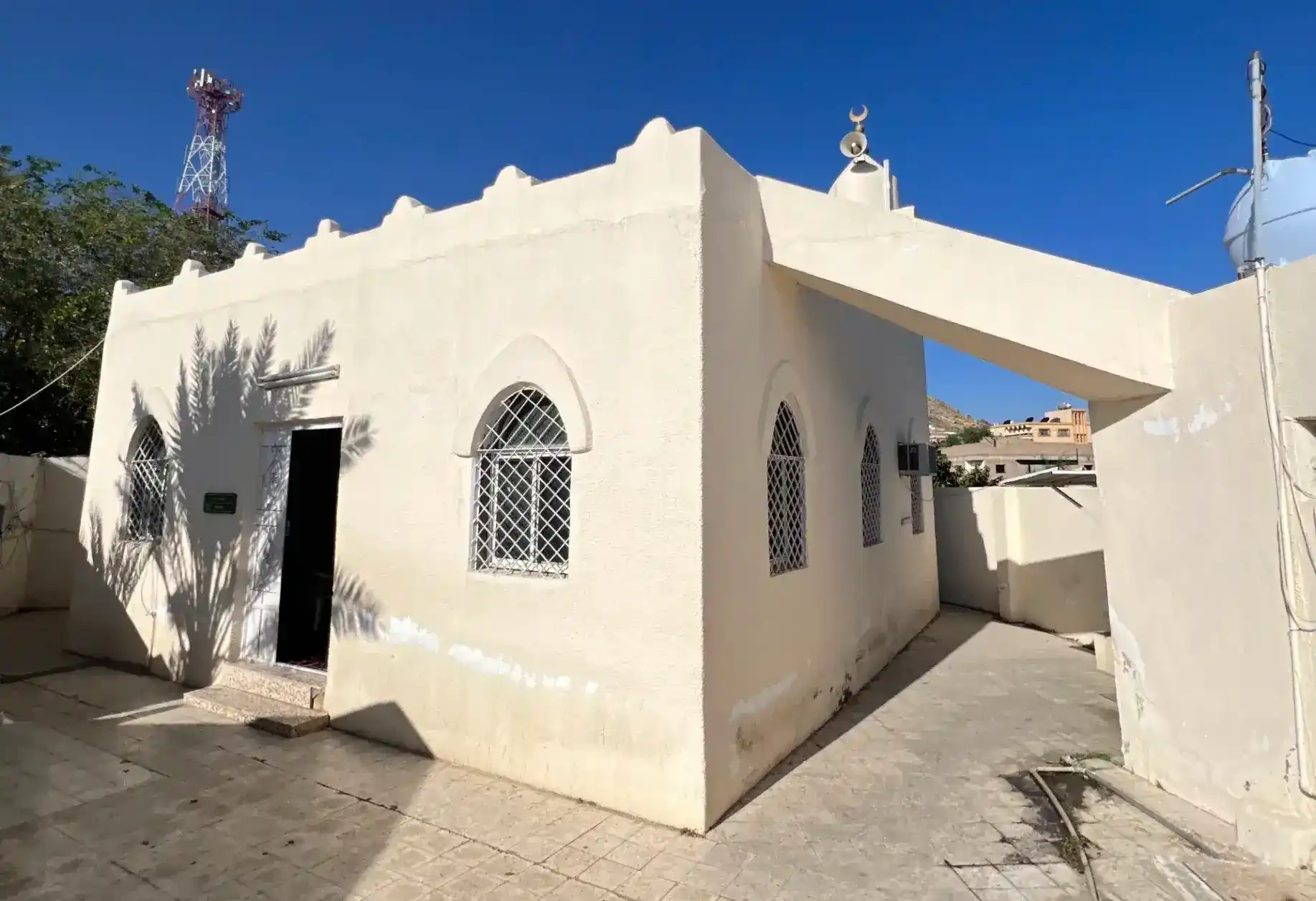
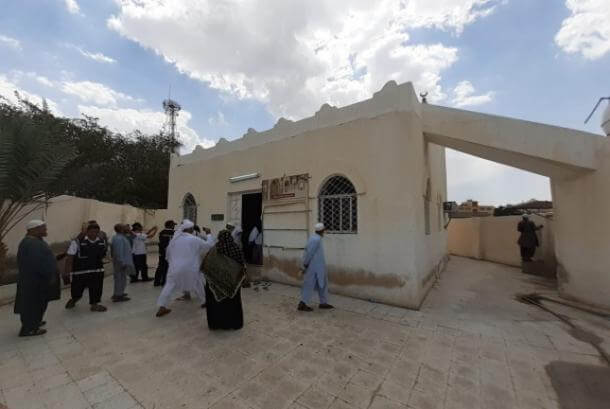
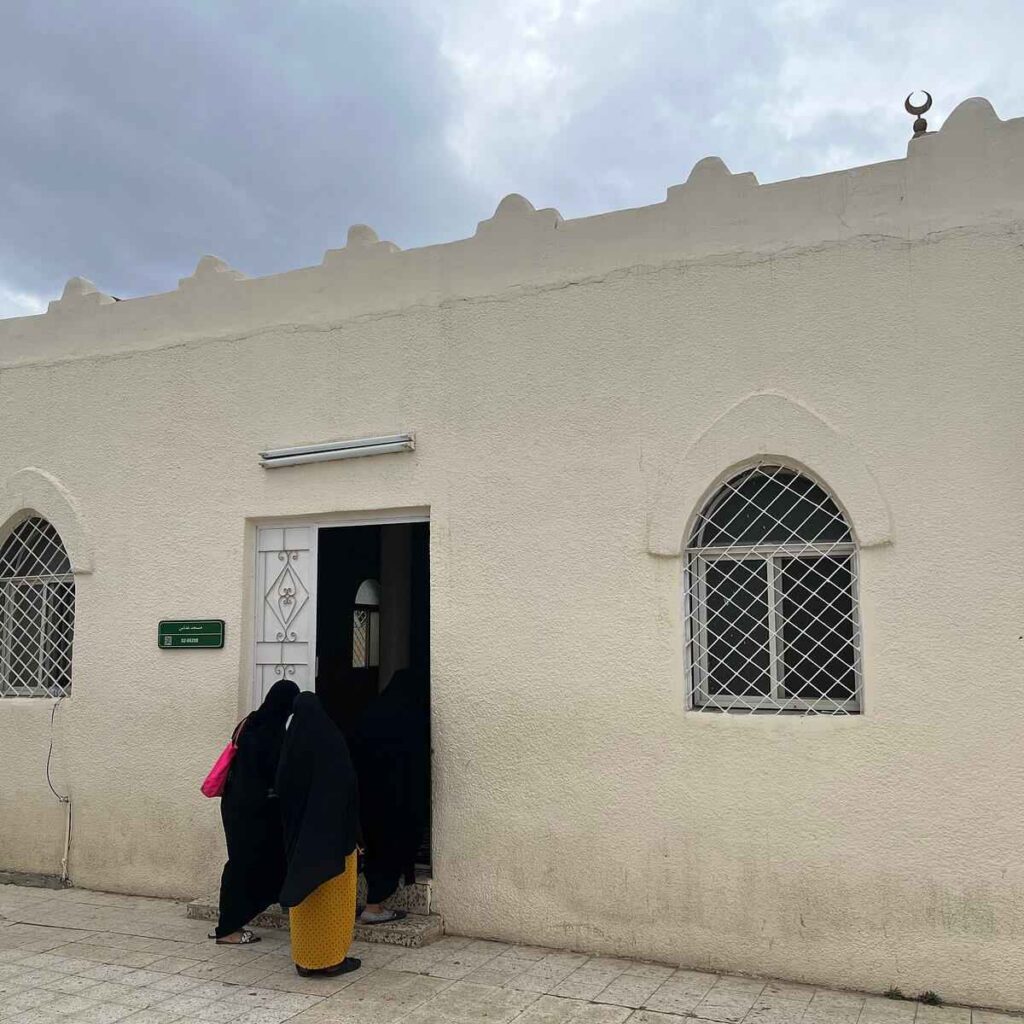
Masjid Addas is the name many pilgrims and tour guides use for a small historic mosque in Al-Mathnah, on the edge of the valley that runs through southern Taif. Local sources and Saudi tourism references also call the same site the Al-Qantara Mosque or the Al-Madhoun Mosque, the latter taking its name from a nearby mountain. If you search a map app for any of these names, you should land in the same neighbourhood.
The mosque matters because of what happened beside it, not because of its architecture. It is a place to stop, pray, and reflect on one of the hardest days in the Prophet’s ﷺ mission.
There is a second reason it appeals to pilgrims. Taif is the nearest cool-weather escape from Makkah, so a visit to Masjid Addas fits naturally into a wider Taif ziyarat that also includes Masjid Abdullah ibn Abbas, the Al Hada mountain road, and the city’s rose farms.
The Story Behind Masjid Addas
The Year of Sorrow and the journey to Taif
In the tenth year of the Prophet’s ﷺ mission, he lost two of his closest supporters within a short time: his wife Khadijah (may Allah be pleased with her) and his uncle Abu Talib, who had protected him in Makkah. Muslims remember this period as the Year of Sorrow.
With Makkah growing harder, the Prophet ﷺ travelled to Taif, accompanied by Zayd ibn Harithah, hoping the leaders there would listen and offer protection. They refused. The leaders and the crowd turned on him, and he was driven out of the city with stones thrown at him until he and Zayd were injured.
The orchard and the grapes
Outside the city, the Prophet ﷺ rested in an orchard belonging to Utbah and Shaybah, the sons of Rabi’ah. Both men were from the Quraysh and were opponents of the message, yet accounts say they felt some sympathy for a fellow Makkan in such a state. They sent a servant named Addas with a plate of grapes.
When the Prophet ﷺ took the grapes, he began with Bismillah. Addas noticed it, remarking that the people of that land did not speak that way. The Prophet ﷺ asked where he was from, and Addas answered that he was from Nineveh. The Prophet ﷺ replied that this was the town of the righteous man Yunus (Jonah), son of Matta, and that he too was a prophet. Addas was moved, kissed the Prophet’s ﷺ hands and head, and accepted Islam, according to the traditional biographies.
The details differ slightly between narrators, and that is worth saying honestly. What every account shares is the contrast: a city rejected him, and a servant, an outsider, recognised the truth in a single word.
Mercy after rejection
The lesson most pilgrims take from this site is the Prophet’s ﷺ response to his suffering. According to a well-known narration reported through Aisha (may Allah be pleased with her), the angel in charge of the mountains offered to crush the people of Taif between the two mountains. The Prophet ﷺ declined, hoping instead that Allah would bring from their descendants people who worship Him alone.
That is why this small mosque is often described as a place of mercy and patience, and why many visitors say it affects them more than larger, busier sites.
Is the Mosque Itself From the Prophet’s Time?
No, and this is the point most guides skip.
The event happened around 1,400 years ago in an orchard in Al-Mathnah. The mosque standing there today is an Ottoman-era structure, generally dated to the mid-19th century, during the time of Sharif Abd al-Muttalib ibn Ghalib. A licensed tour guide interviewed by Arab News explained that the building only gives an impression of great age because its style draws on Abbasid architecture. The same guide noted that the orchard linked to the story is on the opposite side of the mosque.
So when you visit, you are standing near the area associated with the story, not inside a building the Prophet ﷺ prayed in. Understanding this keeps the visit grounded and avoids the common mistake of attributing special rulings to the building itself.
There is also an important note on intention. Scholars generally teach that visiting historical sites in Taif is permissible and valuable for learning, but it is not an act of worship with a prescribed reward, and it is not required for Umrah or Hajj. Go to learn and reflect, not to perform rituals that have no basis.
Where Is Masjid Addas Located?
The mosque sits in Al-Mathnah, along the Wadi Waj road, in the southern part of Taif. Mapped coordinates for the site are approximately 21.256° N, 40.391° E, which is a reliable pin to share with your driver.
Several other ziyarat points lie within the same general area of the city, so one trip can cover them:
- Masjid Abdullah ibn Abbas: the mosque beside the grave of the Prophet’s ﷺ cousin, one of the most respected scholars among the Companions. It is the most visited Islamic site in Taif.
- Al-Ku’ Mosque (Masjid Al-Ku’): a mosque visited because of a popular belief that the Prophet ﷺ rested his elbow on a stone there.
- Al Hada road and cable car: the mountain approach to Taif from Makkah, with views across the escarpment.
Two common misunderstandings
The Arab News interview mentioned above addresses both of these directly, and they come up constantly with visitors.
First, some pilgrims, particularly from South Asia, refer to a Taif mosque as the mosque of Ali ibn Abi Talib (may Allah be pleased with him), believing he accompanied the Prophet ﷺ on the journey. The guide called this untrue. Biographers differ on whether the Prophet ﷺ travelled alone or with Zayd ibn Harithah, but Ali is not among the companions mentioned.
Second, the Al-Ku’ Mosque was built roughly 800 years after the Prophet’s ﷺ time. The stone-mark story is a popular belief, and guides try to correct it. You can still visit and pray there, but you do not need to rely on the story.
Is Masjid Addas Open? What to Expect on Site
This is the question search results answer least clearly, so here is an honest picture.
Some visitor listings show the site as accessible at all hours. Other references describe the Ottoman-era building as disused and in a partly ruined condition under government ownership. Because the condition of heritage sites in Saudi Arabia is being renewed in places, and because the listings do not always agree, treat the status as something to confirm closer to your travel date rather than something to assume.
Plan your visit around these realistic expectations:
- You may be able to visit the exterior and the surrounding area even if the building itself is closed.
- The visit is short. Most people spend 20 to 40 minutes, including reflection and photos.
- There are few facilities at the site itself. Plan restroom stops, water, and food at larger stops in Taif.
- Local fruit vendors sometimes operate nearby, which is fitting given the story. Fresh figs and grapes are common in season.
- Photography rules can differ at religious sites. Follow any posted signs and avoid photographing other worshippers without permission.
Because conditions change, ask your driver or the Al Maqam Transport team to check access before you leave, so you are not surprised on arrival.
How to Get From Makkah to Masjid Addas in Taif
The drive from Makkah to Taif is about 90 km. In normal traffic it takes roughly an hour to an hour and a quarter. Taif sits at a much higher elevation than Makkah, so the route climbs through the Sarawat mountains, and that is the part of the journey travellers remember.
The Al Hada road
The usual route runs fairly straight east of Makkah, then reaches the base of the Al Hada escarpment near the Al-Kar area. From there it climbs about 21 km in a series of tight, well-engineered curves. The climb takes around 20 minutes. Wild baboons are often seen near the upper curves, and visitors are asked not to feed them.
The road is scenic, and it is the main reason experienced drivers matter on this route. Passengers who are prone to motion sickness, especially children and older travellers, should sit toward the front, keep windows slightly open, and avoid heavy meals before the climb.
Choosing the right vehicle
| Group | Suggested vehicle |
|---|---|
| 1 to 3 travellers | Toyota Camry |
| Family of 4 to 6 | Hyundai Staria or GMC Yukon |
| Larger family or small group | Toyota Hiace |
| Organised groups | Coaster bus |
If you are travelling with elderly parents or a wheelchair, tell your driver in advance so boarding space and luggage room are planned properly.
From other starting points
- From Jeddah Airport (JED): the distance to Taif is around 170 km, about two hours or a little more depending on traffic and route. Many pilgrims choose to go straight to Taif on arrival, then continue to Makkah the same day or the next.
- From Taif International Airport: the airport lies on the city’s outskirts, and a private transfer to the Al-Mathnah area is straightforward.
- From Madinah: this is a long journey. Most travellers split it by going to Makkah first and treating Taif as a separate day trip.
A Sample Half-Day Taif Ziyarat Plan
The timings below are estimates and will shift with traffic, prayer times, and how long your group likes to linger.
- Leave your Makkah hotel after Fajr or after breakfast. An early start means cooler roads and fewer crowds.
- Drive up the Al Hada road and take a short photo or rest stop at a safe viewpoint.
- Visit Masjid Abdullah ibn Abbas and pray there if timing allows.
- Continue to Masjid Addas in Al-Mathnah and spend time reflecting on the story.
- Stop at Al-Ku’ Mosque if your group wants to include it.
- Have lunch and rest in Taif, and pick up local fruit or rose products if you like.
- Return to Makkah before late afternoon, ideally before the evening rush.
A private taxi suits this kind of day because stops are flexible. You can add time at one site and shorten another without negotiating with a group.
Best Time to Visit Taif and Masjid Addas
Taif is noticeably cooler than Makkah and Jeddah for much of the year, which is why many Saudis travel there in summer. For ziyarat, the most comfortable windows are:
- Mornings for walking around the sites without heat.
- Late afternoon if you want softer light and a calmer atmosphere.
- Spring, when the rose harvest brings visitors to the city’s farms. This is also when roads and hotels can be busier.
Crowds rise during Ramadan, the final days of Hajj, and school holidays. Fridays also bring heavier traffic around midday prayer. If your Umrah dates are flexible, a weekday morning gives the calmest visit.
During peak Umrah and Hajj weeks, book your transfer early. Demand for private vehicles climbs quickly, and the best-suited vehicles for families sell out first.
Etiquette and Practical Tips
A short visit goes better with a little preparation.
- Dress modestly, covering shoulders and knees. Women should carry a scarf for prayer areas.
- Bring water, a hat, and sun protection, especially outside the cooler months.
- Wear comfortable shoes that are easy to remove at the mosque entrance.
- Carry small cash for fruit vendors, as card machines are not guaranteed outdoors.
- Keep voices low and avoid treating the visit as only a photo stop.
- Do not feed the baboons on the Al Hada road, as it encourages them toward vehicles.
- Allow rest time for older family members, since the day combines a long drive and short walks.
Taif is outside the sacred boundary of Makkah, so you do not need to be in ihram for this visit. If you are still in ihram, ask your group leader or scholar how to plan the day, because the usual restrictions continue until you complete your rites.
What Affects the Taxi Cost to Taif?
Set pricing is not published here because it changes with season and demand, but these are the factors that move a quote up or down:
- Vehicle type: a sedan costs less than a Staria, Hiace, or GMC Yukon.
- One-way or round trip: a return with waiting time costs more than a single transfer.
- Number of stops: each additional site adds time, and time is what drivers charge for.
- Pickup location: Jeddah Airport, a Makkah hotel, and Taif Airport each lead to a different route length.
- Season: Ramadan, Hajj, and school holidays raise demand.
- Waiting time: if you want a long lunch or extra prayer time, tell your driver beforehand.
Ask for the full price, including waiting time and all stops, before you confirm. A clear quote avoids disputes later.
How to Book a Taif Ziyarat Taxi With Al Maqam Transport
Booking a private ziyarat is simple.
- Send your details: pickup point, date, number of travellers, and luggage.
- List the places you want to visit, such as Masjid Addas, Masjid Abdullah ibn Abbas, and the Al Hada road.
- Mention special needs, such as child seats, wheelchair access, or elderly passengers.
- Confirm the quote and vehicle. For airport pickups, share your flight number so arrival can be tracked.
- Meet your driver at the agreed point and begin the journey.
Al Maqam Transport arranges private Umrah taxi, Makkah and Madinah transfers, airport and hotel pickups, and ziyarat trips across Saudi Arabia, including Taif. If you would like a pilgrimage-focused day with a driver who knows the routes, you can contact the team to plan it.
FAQs
Who was Addas in Islamic history?
Addas was a young Christian servant from Nineveh who worked for Utbah and Shaybah in their orchard near Taif. When the Prophet ﷺ rested there after being driven out of the city, Addas brought him grapes, recognised the phrase Bismillah, and accepted Islam, according to the traditional biographies.
Why is Masjid Addas famous?
It is associated with the Prophet’s ﷺ visit to Taif and the story of Addas and the grapes. For many pilgrims it symbolises patience and mercy after rejection.
Where is Masjid Addas located in Taif?
It is in the Al-Mathnah neighbourhood, along the Wadi Waj road, in southern Taif. Many references also call the site the Al-Qantara Mosque or the Al-Madhoun Mosque.
How far is Masjid Addas from Makkah?
Taif is about 90 km from Makkah by road. The drive takes roughly an hour to an hour and a quarter in normal traffic.
Is Masjid Addas from the time of the Prophet ﷺ?
No. The event took place around 1,400 years ago, but the present building is an Ottoman-era structure from the mid-19th century. The orchard connected to the story is on the opposite side of the mosque, according to a tour guide cited by Arab News.
Is Masjid Addas open to visitors?
Some listings say it is open at all hours, while other sources describe the building as disused and partly ruined. Confirm access shortly before your visit, and expect that you may be able to see the exterior and surrounding area.
Is visiting Masjid Addas part of Umrah or Hajj?
No. It is a historical and reflective visit. It is permissible and educational, but it is not a ritual of Umrah or Hajj.
How long should I spend at Masjid Addas?
Most visitors spend 20 to 40 minutes. A full Taif ziyarat including other mosques and the Al Hada road usually takes four to six hours.
What other places can I visit in Taif on the same trip?
Popular choices include Masjid Abdullah ibn Abbas, Al-Ku’ Mosque, the Al Hada cable car area, and Taif’s rose farms in season.
Is a private taxi better than a bus for visiting Taif?
For ziyarat, a private taxi is usually easier. You control the stops, the timing, and the pace, which matters for families, elders, and anyone planning to pray at several places. Buses are cheaper but follow fixed routes and times.
Which vehicle is best for a family trip to Taif?
A Hyundai Staria or GMC Yukon suits most families of four to six. A Toyota Hiace gives more space for larger families or extra luggage, and a Coaster bus works for organised groups.
Can I book a Taif ziyarat from Jeddah Airport?
Yes. You can arrange a transfer from King Abdulaziz International Airport (JED) directly to Taif, or combine the visit with your Makkah transfer. Share your flight details so the pickup time can be planned around your arrival.
Do I need ihram to visit Taif?
No. Taif lies outside the sacred boundary of Makkah, so ihram is not required for the visit itself. If you are still in ihram from Umrah, follow your group leader’s guidance on planning the day.
Is the Al Hada road safe for children and elderly travellers?
The road is well maintained, but it has many sharp curves. An experienced driver, a smooth driving style, and a light meal before the climb help reduce motion sickness.
Final Thoughts
Masjid Addas is small, quiet, and easy to overlook next to the great mosques of Makkah and Madinah. That is part of its message. A young servant offered a wounded man a plate of grapes, and the story has been told ever since.
If you plan the trip well, with the right vehicle, an early start, and an understanding of what you will actually see, the visit becomes a meaningful part of your journey rather than a rushed photo stop. When you are ready to arrange it, Al Maqam Transport can plan a private Taif ziyarat that fits your group and your schedule.

Zeeshan is a professional driver and tour guide who has been living and driving in Saudi Arabia for the past 5 years. With deep knowledge of the roads, landmarks, and Ziyarat locations across Makkah, Madinah, Jeddah, and Taif, he helps pilgrims and travelers enjoy safe, smooth, and well-organized journeys. His experience in Umrah transport, city tours, and airport transfers makes him a trusted expert for visitors exploring Saudi Arabia.