



Every year, millions of pilgrims circle the Kaaba during Tawaf, and each circuit begins and ends at the same fixed point: Hajar al-Aswad, the Black Stone. Set into the eastern corner of the Kaaba in a silver frame, this small, dark stone carries a weight of history and devotion far beyond its size. Pilgrims travel from every part of the world hoping to touch or kiss it, following a practice established by the Prophet Muhammad (peace be upon him) fourteen centuries ago.
For anyone preparing for Umrah or Hajj, understanding what Hajar al-Aswad is, where it came from, and how to approach it respectfully is part of preparing for a meaningful pilgrimage. This guide covers the stone’s origins, its place in Islamic tradition, the etiquette around approaching it during Tawaf, and practical travel guidance for reaching Masjid al-Haram safely and comfortably – an area where reliable transportation, such as private Umrah taxi and Makkah taxi services, makes a real difference to a pilgrim’s experience.
What Is Hajar al-Aswad?
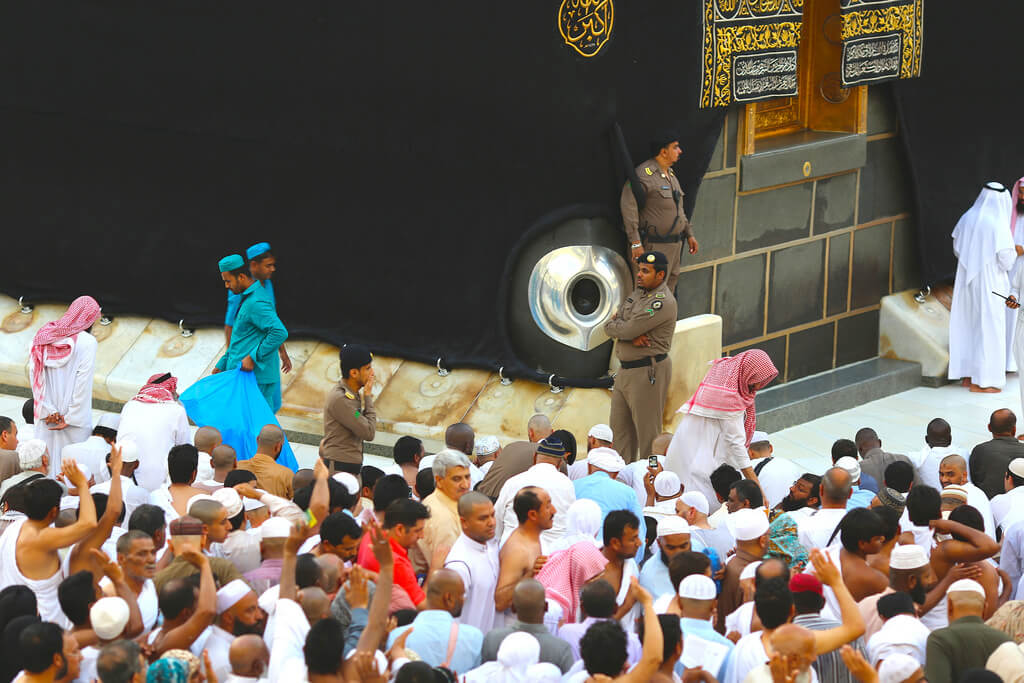
Hajar al-Aswad, literally “The Black Stone,” is a stone set into the eastern corner of the Kaaba inside Masjid al-Haram in Makkah. It marks the starting and ending point of Tawaf, the ritual circumambulation of the Kaaba performed during Umrah and Hajj. Pilgrims who can safely reach it attempt to kiss it or touch it; when the area is too crowded, pointing toward it while reciting the takbeer (“Allahu Akbar”) is considered an acceptable alternative.
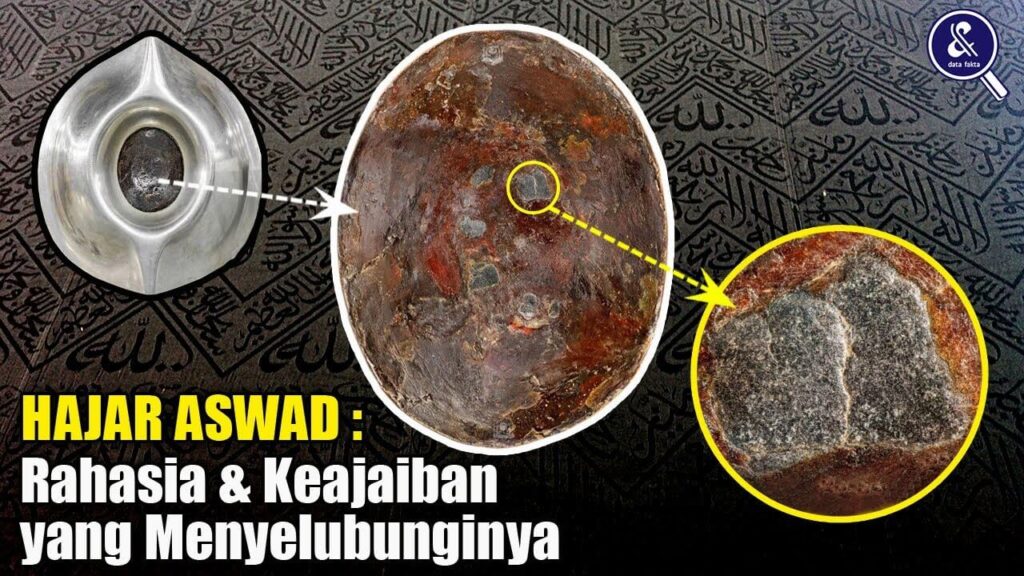
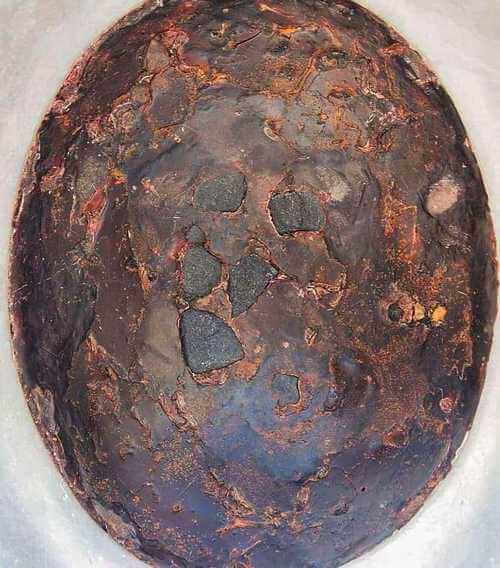
The stone is no longer a single piece. Centuries of handling, historical damage, and at least one theft have left it in fragments — commonly described as around eight pieces of varying sizes, held together and mounted on a larger stone base, all encased in a silver frame. That frame was first fitted by Abdullah ibn al-Zubair and has been replaced and reinforced by various rulers throughout Islamic history as needed.
Origin of Hajar al-Aswad in Islamic Belief
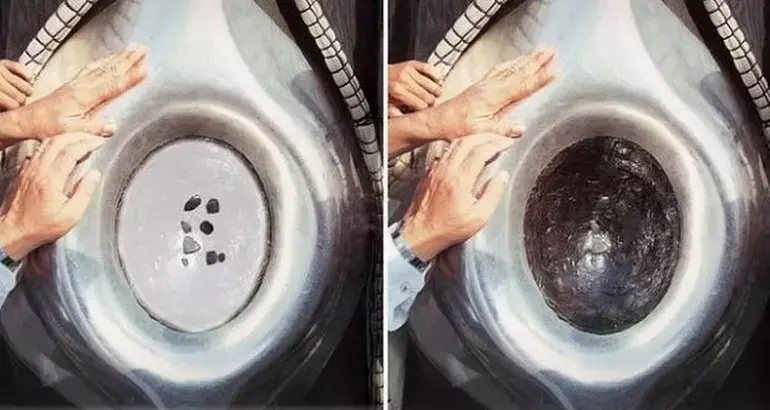
Islamic tradition holds that Hajar al-Aswad was sent down from Jannah (Paradise). According to authentic narrations, the stone was originally pure white, brighter than milk, but gradually turned black due to the sins of humanity. It was entrusted to Prophet Ibrahim (AS) and placed at the Kaaba during its original construction, making it deeply connected to the foundation of monotheistic worship.
This origin establishes Hajar al-Aswad not as an object of worship, but as a divinely honored sign, linked to obedience, covenant, and remembrance of Allah.
Spiritual and Religious Significance
Hajar al-Aswad holds immense symbolic value in Islam. It represents a point of initiation in worship, not a source of divine power itself. The Prophet Muhammad (ﷺ) taught the Ummah through practice that honoring the stone is an act of following Sunnah, not stone veneration.
Authentic hadith mention that the stone will bear witness on the Day of Judgment for those who approached it with sincerity and faith. At the same time, Islamic scholarship consistently emphasizes that benefit and harm come only by Allah’s will, a principle clearly demonstrated by the companions.
Physical Description and Present Condition
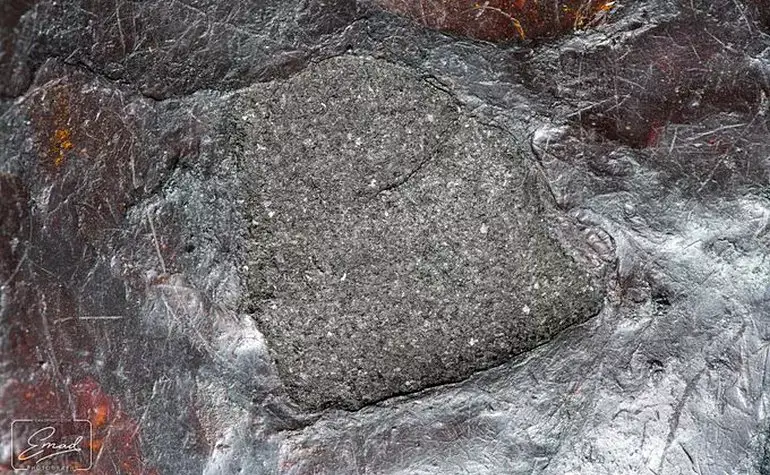
Today, Hajar al-Aswad is not a single intact stone. Due to historical incidents, fires, and crowd pressure, it consists of eight small fragments, embedded together and secured with a bonding substance. These fragments are housed within a polished silver frame, which serves to protect the stone from further damage.
The stone is positioned approximately 1.5 meters above ground level in the corner known as al-Rukn al-Aswad, clearly visible to pilgrims performing Tawaf.
Role of Hajar al-Aswad in Tawaf
Hajar al-Aswad defines the beginning and completion of each Tawaf circuit. Pilgrims align themselves with the stone and make intention before starting. The Sunnah act known as Istilam involves kissing the stone, touching it, or gesturing toward it when physical access is not possible.
Islamic teachings are clear that kissing the stone is not obligatory. When crowds are dense, simply pointing toward Hajar al-Aswad while reciting Takbeer fulfills the Sunnah without causing harm.
Historical Events Related to Hajar al-Aswad
One of the most significant moments in the stone’s history occurred before Prophethood, when the Quraysh rebuilt the Kaaba. A dispute nearly led to war over who would place the Black Stone. Prophet Muhammad (ﷺ) resolved the conflict with wisdom by placing the stone on a cloth and allowing each tribe to lift it together, then setting it in place himself.
In 930 CE, the stone was stolen by the Qarmatians, who removed it from Makkah and took it to Bahrain. After more than two decades, it was returned and reinstated in its original position. Over centuries, it has endured fires, sieges, and structural damage, resulting in its current fragmented state.
Correct Islamic Etiquette When Approaching Hajar al-Aswad
Islam strictly forbids causing harm. While honoring Hajar al-Aswad is Sunnah, pushing, injuring, or endangering others is haram. Scholars emphasize that spiritual reward lies in intention and obedience, not physical contact.
When access is difficult, pilgrims may:
- Point toward the stone
- Raise the hand in acknowledgment
- Continue Tawaf calmly without disruption
This balance reflects Islam’s emphasis on mercy, discipline, and communal respect.
Common Questions About Hajar al-Aswad
Many ask why Muslims kiss the Black Stone. The answer lies in following the Prophet (ﷺ), not attributing divinity to the stone. Others question why it turned black, which Islamic tradition explains as a symbolic transformation linked to human sin, not a physical or scientific function.
The companions clarified these matters early on to protect Islamic belief from misunderstanding, reinforcing pure Tawheed (monotheism).
Visiting Hajar al-Aswad During Umrah and Hajj
For pilgrims performing Umrah or Hajj, seeing Hajar al-Aswad is often a deeply emotional moment. Given the scale of Masjid al-Haram and the density of crowds, proper planning and reliable transportation play a crucial role in a smooth pilgrimage experience.
Pilgrims arriving in Makkah benefit greatly from professional Umrah taxi services, airport transfers, and inter-city transport that understand pilgrimage schedules and religious needs. Reliable transport allows worshippers to focus on devotion rather than logistics, especially when moving between Jeddah, Makkah, Madinah, and sacred sites.
The Theft and Recovery of the Black Stone
Hajar al-Aswad was not always safely fixed in the Kaaba. Around 930 CE, a Qarmatian raiding party – a breakaway Ismaili sect – attacked Makkah, causing widespread destruction and removing the Black Stone from its place, taking it to their stronghold in eastern Arabia. According to historical accounts, including that of the historian al-Juwayni, the stone remained missing for roughly two decades before being returned and reset into the Kaaba around 952 CE.
This episode is part of why the stone exists today as multiple joined fragments rather than a single smooth stone – the damage sustained across its history, including this period, contributed to its fractured state.
Disputed Fragments in Istanbul
Some historical accounts claim that several additional fragments of Hajar al-Aswad exist outside Makkah, particularly in Istanbul, Turkey, a legacy of the era when the Ottomans oversaw the Hijaz. These are said to include pieces associated with the Blue Mosque and the Sokullu Mehmed Pasha Mosque. The authenticity of these fragments is debated among historians and scholars, and no definitive religious or academic consensus confirms their origin.
Hajar al-Aswad’s Role in Tawaf
Tawaf is the ritual of circling the Kaaba seven times, performed during both Umrah and Hajj, and Hajar al-Aswad functions as the fixed reference point for the entire ritual. Each of the seven circuits begins in line with the stone and ends there as well, which is why the area around it is consistently the most crowded section of the Mataf (the circular area around the Kaaba).
Pilgrims are encouraged, wherever possible, to raise their right hand toward the stone at the start of each circuit and say “Bismillahi Allahu Akbar,” even if physically touching it isn’t possible. This is consistent with how the Prophet Muhammad himself is reported to have acted during periods of heavy crowding – pointing toward the stone rather than pushing through congestion to reach it physically.
Etiquette When Approaching the Black Stone
Because of the crowd density near Hajar al-Aswad, especially during peak Umrah season and Hajj, scholars emphasize a few points of etiquette:
- Physically touching or kissing the stone is Sunnah (a recommended practice), not an obligatory part of Tawaf.
- Causing harm to other pilgrims by pushing or shoving to reach the stone is not permitted, regardless of the reward associated with kissing it.
- When the area is congested, pointing toward the stone with a hand (or an object, if needed) while saying the takbeer fulfills the same symbolic gesture.
- Elderly pilgrims, families with children, and those with mobility limitations are strongly advised to avoid attempting direct contact during high-traffic periods, and to use the pointing gesture instead.
Best Times to Approach Hajar al-Aswad
Pilgrims hoping to touch or kiss the stone directly generally have better luck during quieter windows:
- Late night to early Fajr: The hours after Isha and before Fajr tend to see thinner crowds around the Mataf.
- Outside peak Umrah season: Ramadan, the weeks around Hajj, and school holiday periods bring the highest congestion; visiting in quieter months increases the chance of a calmer Tawaf.
- Weekdays over weekends: Local and regional visitor numbers are typically lower on weekdays.
Even during quieter periods, patience and caution around fellow pilgrims – many of whom are elderly or traveling with young children – remain essential.
Getting to Masjid al-Haram: Practical Travel Guidance
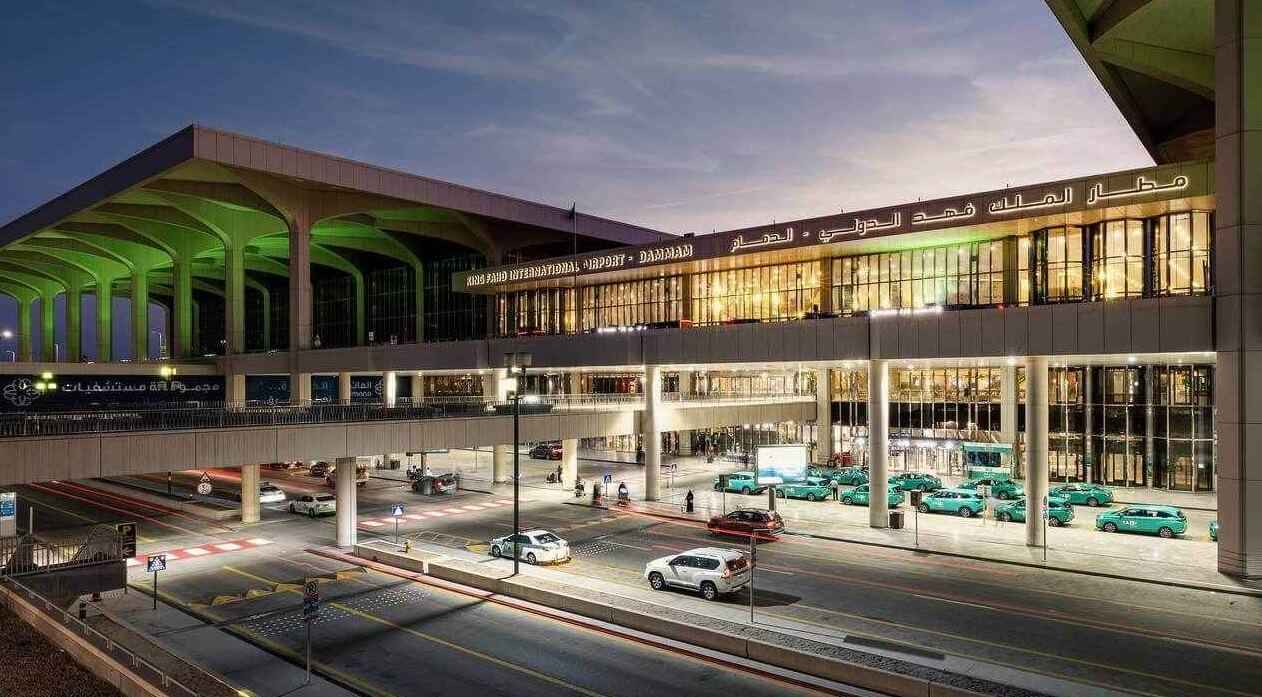
Reaching Masjid al-Haram safely and on time is part of preparing for a meaningful Tawaf, and this is where transportation planning matters as much as spiritual preparation. Pilgrims typically arrive in Saudi Arabia through King Abdulaziz International Airport (JED) in Jeddah, or Prince Mohammad bin Abdulaziz International Airport (MED) in Madinah, before continuing on to Makkah.
A private Umrah taxi or chauffeur-driven transfer from the airport removes much of the uncertainty that comes with navigating an unfamiliar city while carrying luggage, managing jet lag, and coordinating with family members. For pilgrims heading straight from Jeddah Airport to Makkah, a private airport transfer typically takes around 60–90 minutes depending on traffic and time of day, with licensed drivers familiar with the most efficient routes into the Haram area.
Families and groups often prefer larger vehicles such as a Hyundai Staria, Toyota Hiace, or a coaster bus for group Umrah travel, while pilgrims seeking additional comfort may opt for a luxury Umrah taxi or an executive vehicle such as a GMC Yukon. Whichever vehicle is chosen, a few practical considerations make the journey smoother:
- Flight tracking: A reliable transport provider tracks incoming flights to adjust pickup timing around delays.
- Meet & Greet service: Especially valuable for elderly pilgrims or those unfamiliar with Saudi airports.
- Hotel drop-off proximity: Hotels closer to Masjid al-Haram reduce walking distance before and after Tawaf, which matters most for pilgrims planning to approach Hajar al-Aswad directly.
- Child-friendly and family travel arrangements: Booster seats, luggage space, and flexible stops for family groups traveling with children or elderly relatives.
Ziyarat and Nearby Landmarks Worth Visiting
Pilgrims visiting Masjid al-Haram often extend their trip to nearby historical and religious sites, many of which carry their own connection to the events surrounding the Kaaba and the early history of Islam:
- Maqam Ibrahim – the station near the Kaaba associated with Prophet Ibrahim, referenced in the same hadith that describes Hajar al-Aswad as a treasure from Paradise.
- Safa and Marwah – the two hills where Sa’i is performed as part of Umrah and Hajj.
- Cave of Hira – located on Jabal al-Nour, associated with the beginning of the Prophet’s revelation.
- Cave of Thawr – associated with the migration (Hijrah) of the Prophet and Abu Bakr.
- Mina, Arafat, Muzdalifah, and Jamarat – key sites visited during Hajj.
For pilgrims planning Ziyarat around Makkah or Madinah, a private Ziyarat taxi service allows for a flexible, unhurried schedule between these sites, rather than being tied to fixed group tour timings.
Frequently Asked Questions
1. What is Hajar al-Aswad?
Hajar al-Aswad, or the Black Stone, is a stone set into the eastern corner of the Kaaba in Masjid al-Haram, Makkah. It marks the starting and ending point of each circuit of Tawaf.
2. Where exactly is the Black Stone located on the Kaaba?
It sits in the eastern corner of the Kaaba, roughly at shoulder to chest height, encased in a silver frame that holds its fragmented pieces together.
3. Why is Hajar al-Aswad significant in Islam?
Tradition holds that it was sent from Paradise and given to Prophet Ibrahim to be placed in the Kaaba. It also marks the fixed reference point for Tawaf and carries deep symbolic meaning tied to hadith describing its origin and virtue.
4. Why is the Black Stone black in color?
According to a hadith in Sunan al-Tirmidhi, the stone descended whiter than milk and darkened over time due to the sins of mankind, which is the traditional explanation for its current color.
5. Is it obligatory to kiss the Black Stone during Tawaf?
No. Kissing or touching Hajar al-Aswad is Sunnah (recommended), not obligatory. Pointing toward it while saying the takbeer is an accepted alternative, especially during crowded periods.
6. Is it safe to push through crowds to reach the stone?
No. Islamic guidance is clear that causing harm to other pilgrims while attempting to reach the stone is impermissible, even though touching it is a recommended practice. Safety and consideration for others take priority.
7. Why is the Black Stone in pieces rather than a single stone?
Historical events, including damage over centuries and a period when the stone was removed from Makkah by Qarmatian raiders around 930 CE, left it fragmented. It now consists of several pieces held together and framed in silver.
8. Was the Black Stone ever stolen?
Yes. Around 930 CE, Qarmatian forces removed it from the Kaaba during a raid on Makkah. It was returned and restored to its place roughly two decades later, around 952 CE.
9. What is the story of the Prophet Muhammad and the Black Stone?
Before his prophethood, Muhammad was chosen to arbitrate a dispute among Quraysh clans over who should place the stone back into the rebuilt Kaaba. He resolved it by having representatives of each clan lift the stone together on a cloth, then placing it himself – an episode often cited as an early example of his wisdom.
10. What is the best time to approach the Black Stone with fewer crowds?
Late-night hours between Isha and Fajr, weekdays, and periods outside Ramadan and Hajj season tend to have noticeably thinner crowds around the Mataf.
11. Are there pieces of the Black Stone outside Saudi Arabia?
Some historical claims place additional fragments in Istanbul, including sites linked to the Ottoman era, though their authenticity is debated and not confirmed by religious or historical consensus.
12. How do I get from Jeddah Airport to Masjid al-Haram?
A private taxi or chauffeur transfer from King Abdulaziz International Airport (JED) to Makkah typically takes 60–90 minutes depending on traffic, with door-to-door service to your hotel near the Haram.
13. What type of vehicle is best for a family performing Umrah?
Larger vehicles such as a Hyundai Staria, Toyota Hiace, or coaster bus suit families and groups, while smaller groups often prefer a comfortable sedan such as a Toyota Camry or a luxury vehicle for added comfort.
14. Should elderly pilgrims attempt to touch the Black Stone directly?
It’s generally advised that elderly pilgrims or those with mobility concerns use the pointing gesture instead of attempting direct contact, particularly during crowded hours, to avoid the risk of injury.
15. Can I visit other historical sites near Masjid al-Haram in the same trip?
Yes. Nearby sites such as Maqam Ibrahim, Safa and Marwah, the Cave of Hira, and the Cave of Thawr are commonly included in a Ziyarat itinerary alongside a visit to Masjid al-Haram.
Final Thoughts
Hajar al-Aswad is far more than a physical landmark – it is a stone woven into the earliest history of the Kaaba, into hadith describing its origin, and into a story about the Prophet Muhammad’s wisdom long before his mission began. For pilgrims, understanding this history adds depth to the moment they stand before it during Tawaf, whether they’re able to touch it or simply raise a hand in its direction.
Getting to that moment safely, comfortably, and on schedule starts well before arrival at Masjid al-Haram – with dependable airport transfers, well-planned hotel transport, and vehicles suited to your group. Al Maqam Transport provides private Umrah taxi, Hajj transportation, and Ziyarat taxi services across Makkah, Madinah, and Jeddah, helping pilgrims focus on the spiritual journey rather than the logistics of getting there.

Zeeshan is a professional driver and tour guide who has been living and driving in Saudi Arabia for the past 5 years. With deep knowledge of the roads, landmarks, and Ziyarat locations across Makkah, Madinah, Jeddah, and Taif, he helps pilgrims and travelers enjoy safe, smooth, and well-organized journeys. His experience in Umrah transport, city tours, and airport transfers makes him a trusted expert for visitors exploring Saudi Arabia.