


By the Al Maqam Transport travel team
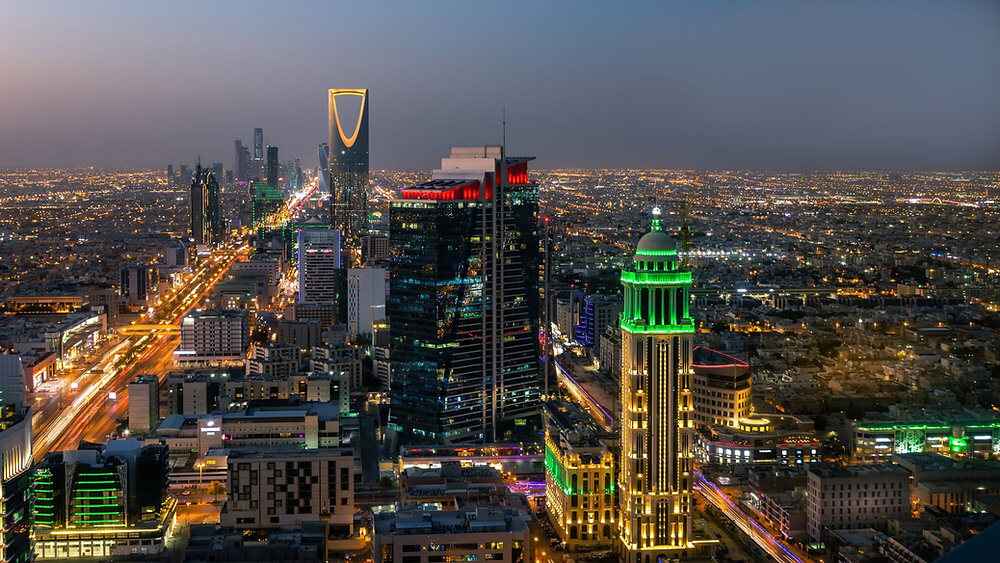
Riyadh is the capital and largest city of Saudi Arabia, a fast-changing desert metropolis of old mud-brick walls, glass towers, and wide boulevards. For most visitors it is the first stop in the Kingdom, and for many Umrah pilgrims it is the starting point of a long road west to Makkah and Madinah.
This guide covers what actually matters when you plan time in Riyadh: when to go, what to see, how the city moves, and how to continue to the Holy Cities comfortably. It is written from a transport point of view, because distances in Saudi Arabia are large and the right ride makes a real difference.
In short: Riyadh is best visited between November and March. Use the new metro or a pre-booked car for city trips. Allow a full day, or a short domestic flight, for the 870 km journey to Makkah.
Riyadh at a glance
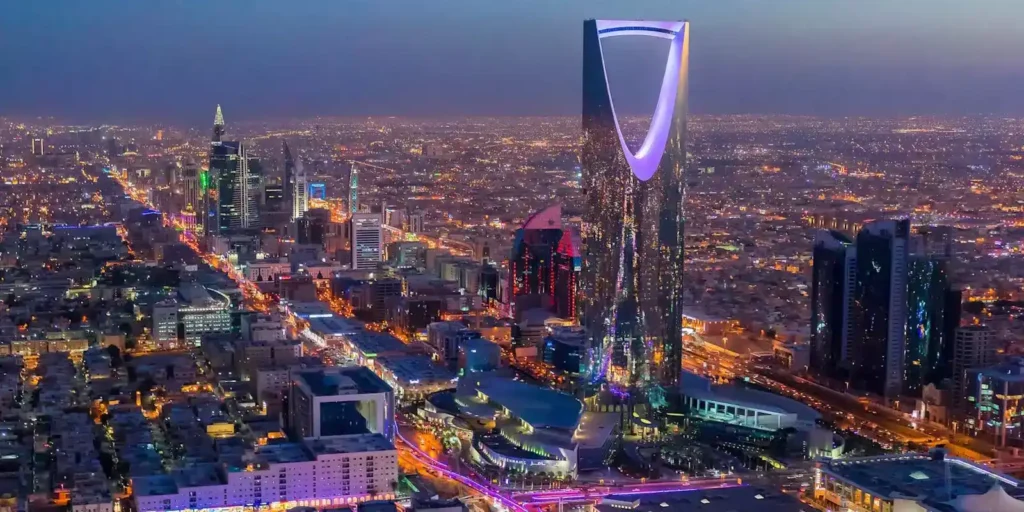
Riyadh sits in the centre of the country on the Najd plateau, far from the sea. That inland position shapes everything: hot summers, cool winter evenings, long highways in every direction, and a city built for cars first and trains second.
The city is the Kingdom’s political and financial centre. It is home to government ministries, the King Abdullah Financial District (KAFD), major universities, and the capital’s main international gateway, King Khalid International Airport (RUH).
Two things surprise first-time visitors. First, Riyadh is very spread out, so a place that looks close on a map can be 30 to 45 minutes away in traffic. Second, the city is changing quickly. Metro lines, new districts, and large cultural projects have opened in just the last few years, so older guidebooks are often out of date.
Best time to visit Riyadh
The best months are November to March. According to Visit Saudi, winter days reach roughly 23°C with nights around 13°C, while summer can climb to about 45°C. Spring and autumn sit in between and are usable if you plan outdoor stops for early morning or after sunset.
If you are combining Riyadh with Umrah, note that peak pilgrim demand tends to rise during Ramadan and school holidays. Riyadh hotels and cars are usually easier to find outside those weeks, but flights to Jeddah and Madinah fill early, so book the onward leg first and build the Riyadh days around it.
Practical rule: in summer, plan outdoor sightseeing before 10 a.m. and after 5 p.m. Many shops and attractions slow down or reopen later in the afternoon heat.
Getting to Riyadh: King Khalid International Airport
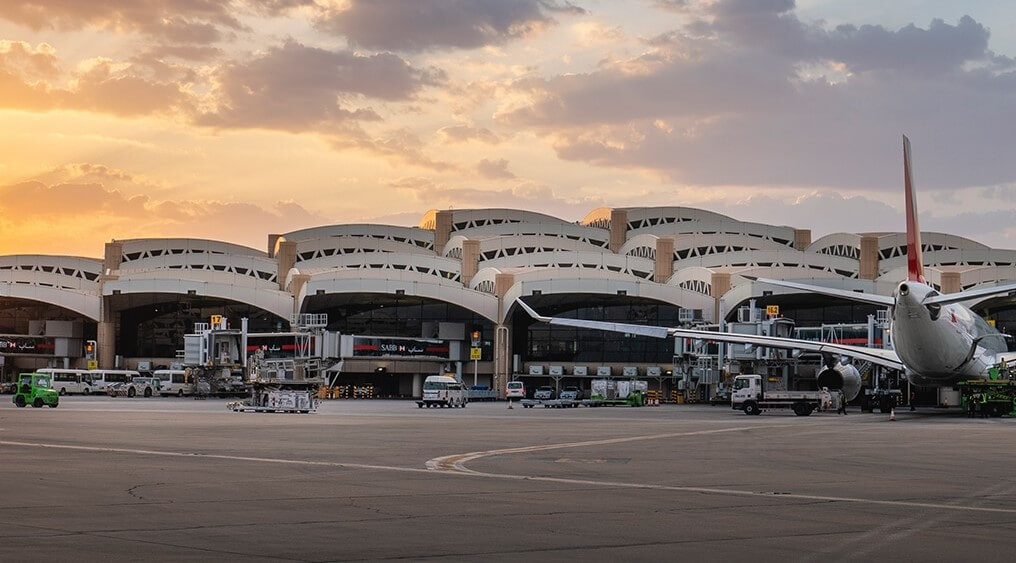
King Khalid International Airport lies about 35 km north of the city centre. Most international carriers and the main Saudi airlines fly here, and domestic flights link Riyadh to Jeddah, Madinah, Dammam, AlUla, and other cities.
Your options from the airport are:
- Pre-booked private car or taxi: the simplest choice after a long flight, especially with luggage, children, or elderly travellers. A driver can track your flight and wait if you are delayed.
- Riyadh Metro: the Yellow Line connects the airport terminals with KAFD, where you can change to other lines. It is a good option if you travel light and are staying near a station.
- Ride-hailing apps: widely used, though pickup points at the airport can be busy at peak hours.
A small tip from experience: late-night and early-morning arrivals are common in Saudi Arabia. If you land after midnight, arrange your transfer in advance rather than looking for one at the kerb.
Getting around Riyadh
Riyadh has always been a car city, and fuel is inexpensive by international standards. That has changed a little since the metro began operating.
Riyadh Metro
The Riyadh Metro opened to the public on 1 December 2024, starting with the Blue, Yellow, and Purple lines. The Red and Green lines followed in December, and the Orange Line along Madinah Road completed the six-line first phase. The network runs about 176 km with roughly 85 stations, and trains are driverless.
Tickets are bought through the Darb app or at stations. The metro works well for corridors it covers, such as Olaya, KAFD, and the airport road. It does not reach every neighbourhood or attraction, so you will often combine it with a short car ride for the last stretch.
Taxis, ride-hailing, and private drivers
For point-to-point trips, most visitors use a taxi app or a pre-arranged driver. A private driver is worth considering when you have a tight schedule, travel with family, or want a fixed plan for the day, since waiting time and return trips are agreed in advance.
Public buses
A wide bus network operates alongside the metro, but routes can be harder for first-time visitors to read. Treat it as a backup rather than a main plan.
Traffic note: the busiest periods are weekday mornings and late afternoons. Friday midday prayer also affects timing, so avoid scheduling flights or tight transfers around it.
Top things to see in Riyadh
Masmak Fortress and Qasr Al Hukm
Masmak Fortress, in the old centre, is tied to King Abdulaziz’s 1902 capture of Riyadh, the event that began the formation of the modern Kingdom. Its thick walls and wooden doors make it the best short introduction to the city’s history. Nearby you will find the Justice Palace district and traditional markets.
Diriyah and At-Turaif
Diriyah lies roughly 18 km from central Riyadh and is the birthplace of the first Saudi state. At-Turaif, the mud-brick district, is a UNESCO World Heritage Site, and the surrounding Diriyah Gate project has added restaurants, walking areas, and museums. A contract has been awarded to extend the Red Line towards Diriyah Gate, so access should improve over time.
Kingdom Centre and Al Faisaliah Tower
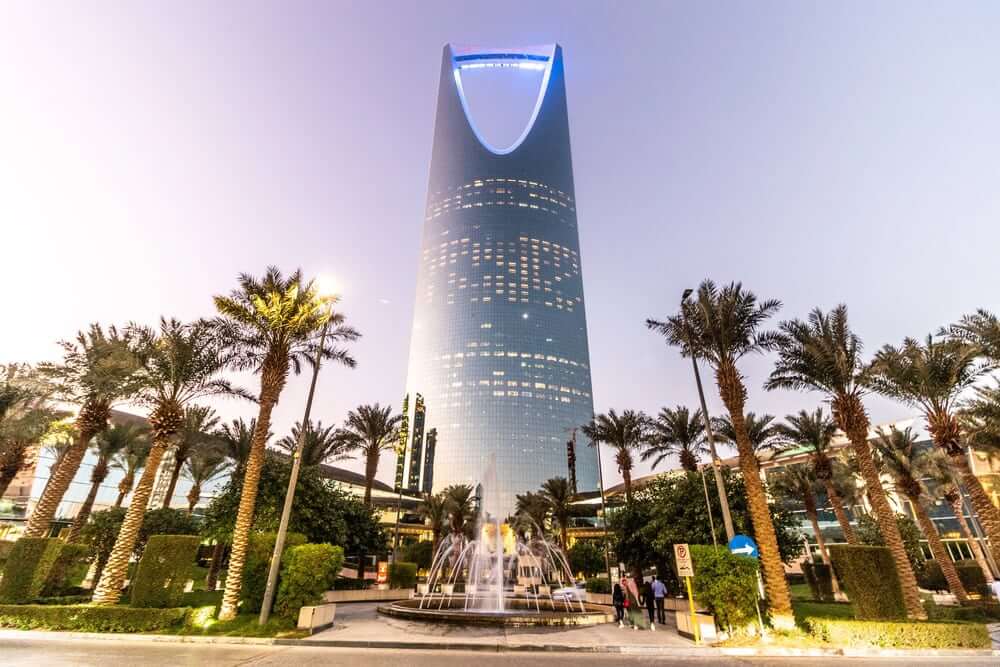
The two skyscrapers define the skyline. The Sky Bridge at Kingdom Centre and the observation areas at Al Faisaliah give broad views over the city and are best near sunset.
National Museum of Saudi Arabia
The museum walks through the Arabian Peninsula’s story, from early civilisations to the Islamic era and the founding of the Kingdom. It is air-conditioned, well organised, and a smart choice for a hot afternoon. It also helps pilgrims understand the wider history of the lands they are travelling through.
Boulevard Riyadh City and Riyadh Season
Riyadh Season is the city’s large entertainment calendar, usually held in the cooler months, with themed zones, concerts, and dining. Dates and venues change each year, so check the official schedule before you plan around it.
Edge of the World
The cliffs of the Tuwaiq Escarpment, about 90 km from the city, are popular for sunset trips. The track is rough in places, so use a suitable 4×4 and an experienced driver, and do not go after dark without local guidance.
A practical two-day itinerary
Day 1: History and city centre. Start at Masmak Fortress and the old markets in the morning. After lunch, visit the National Museum while the sun is strongest. Finish with the Sky Bridge at sunset and dinner in Olaya.
Day 2: Diriyah and rest. Visit At-Turaif early, when it is cooler and quieter. Return for a rest at your hotel, then spend the evening at a café or district of your choice before an early night if you travel on the next day.
If you only have a layover of a few hours, stay within the central area: Masmak and the old centre are the most rewarding short visit.
Neighbourhoods and where to stay
- Olaya: central, with shops, restaurants, and metro access. Good for first-time visitors.
- KAFD: modern, business-focused, and next to metro and airport links.
- Diplomatic Quarter: quiet, green, and secure. Popular with families and business travellers.
- Old centre (Al Batha / Murabba): best for heritage and markets, with simpler accommodation.
Choose a hotel close to a metro station if you plan to ride it, or one with easy road access if you will rely on a private car.
Etiquette and practical tips
Saudi Arabia welcomes visitors, and a little preparation goes a long way.
- Dress modestly in public places. Shoulders and knees should be covered, and many women choose an abaya, though it is not always required for visitors. Check current guidance before you travel.
- Carry your passport or Iqama, and keep digital copies of your visa and bookings.
- Prayer times matter. Shops may close briefly at prayer, so plan around them.
- Carry water and use sun protection even in winter.
- Cash is less necessary than before, as cards and mobile payments are widely accepted.
Always confirm current visa and entry rules on official government sources before you travel, as they change.
Recommended: Wadi Namar Waterfall
Travelling from Riyadh to Makkah and Madinah
This is where many Umrah travellers need the most help. There is no direct high-speed train from Riyadh to Makkah or Madinah. The Haramain High-Speed Railway links Jeddah, Makkah, and Madinah, so you will either fly, drive, or combine a flight with the train.
Riyadh to Makkah
The road distance is about 870 to 875 km, and the drive typically takes around 8 hours 45 minutes without long stops. In practice, with prayer, fuel, and meals, plan for nine to ten hours.
Riyadh to Madinah
The drive is of a similar scale, commonly nine hours or more. Direct flights between King Khalid International Airport (RUH) and Prince Mohammad Bin Abdulaziz Airport (MED) take under two hours.
Which option fits you?
- Fly: fastest. Best for solo travellers and tight schedules. Pair it with a pre-booked transfer on arrival.
- Private car or taxi: best for families, groups, elderly pilgrims, and anyone with a lot of luggage. You leave when you wish, stop for prayers, and arrive at your hotel door.
- Bus: economical, but long, and you adjust to the schedule.
Road safety on the long route
Long desert highways need respect. Travel in daylight where you can, because camels and livestock can cross the road. Make sure the car is serviced and air-conditioned, carry water, and agree on rest stops in advance. A licensed professional driver who knows the route is the safest choice for family travel.
Recommended vehicles
For one to three travellers, a Toyota Camry or similar sedan is comfortable. For families of four to seven with luggage, a Hyundai Staria or GMC Yukon is a better fit, and groups of eight or more usually need a Toyota Hiace or Coaster bus. Ask about child seats if you are travelling with young children.
How Al Maqam Transport can help
Al Maqam Transport provides private taxi and chauffeur services across Saudi Arabia, with a focus on Umrah and Hajj travellers. We handle airport transfers, hotel transfers, intercity journeys, and ziyarat tours in Makkah, Madinah, and Taif.
For travellers coming from Riyadh, the most common requests are an intercity transfer to Makkah or Madinah, or a pickup at Jeddah or Madinah airport after a domestic flight. Our drivers are licensed and know the routes. We can track your flight, meet you at arrivals, and plan prayer and rest stops.
Fares for long routes depend on the vehicle, the number of passengers, the date, and the season, so we quote each trip individually. For Riyadh departures, contact us first to confirm availability and a price for your dates.
FAQs
What is the best time to visit Riyadh?
November to March offers the mildest weather. Summer temperatures can reach about 45°C, so outdoor plans should be early or late in the day.
How far is Riyadh from Makkah?
The road distance is about 870 to 875 km. Driving takes roughly nine hours with stops.
How far is Riyadh from Madinah?
It is also a long drive, usually nine hours or more. A direct flight takes under two hours.
Is there a train from Riyadh to Makkah?
No. The Haramain High-Speed Railway runs between Jeddah, Makkah, and Madinah only. Many travellers fly to Jeddah and take the train or a private car from there.
How far is the airport from central Riyadh?
King Khalid International Airport is about 35 km north of the centre. Travel time is often 30 to 45 minutes, longer in peak traffic.
Does the Riyadh Metro go to the airport?
Yes. The Yellow Line connects the airport terminals with KAFD, where you can change to other metro lines.
How do I buy Riyadh Metro tickets?
Tickets are available through the Darb app and at stations.
Is Riyadh safe for tourists and families?
Riyadh is generally considered safe, with a visible security presence. Follow local rules, dress modestly, and use licensed taxis or trusted apps.
How many days do I need in Riyadh?
Two days covers the main highlights. A third day lets you visit Diriyah slowly or take a desert trip.
Can I travel from Riyadh to Makkah by private taxi?
Yes. A private intercity taxi is a popular choice for families and groups. Book in advance, confirm the vehicle and price, and ask about rest stops.
What should I wear in Riyadh?
Choose loose, modest clothing that covers shoulders and knees. Women are not strictly required to wear an abaya, but many do. Check current guidance before you travel.
What is the best vehicle for a family trip from Riyadh to Makkah?
For a family of four to seven, a Hyundai Staria or GMC Yukon gives more space for luggage and rest on a long drive.
Can a driver meet me at Jeddah or Madinah airport if I fly from Riyadh?
Yes. A driver can wait at arrivals with a name sign and track your flight, so a delay does not affect the pickup.
Are there Umrah requirements I should check before travelling?
Yes. Visa and permit rules change, so check official Saudi sources and the Nusuk platform before you book.

Zeeshan is a professional driver and tour guide who has been living and driving in Saudi Arabia for the past 5 years. With deep knowledge of the roads, landmarks, and Ziyarat locations across Makkah, Madinah, Jeddah, and Taif, he helps pilgrims and travelers enjoy safe, smooth, and well-organized journeys. His experience in Umrah transport, city tours, and airport transfers makes him a trusted expert for visitors exploring Saudi Arabia.