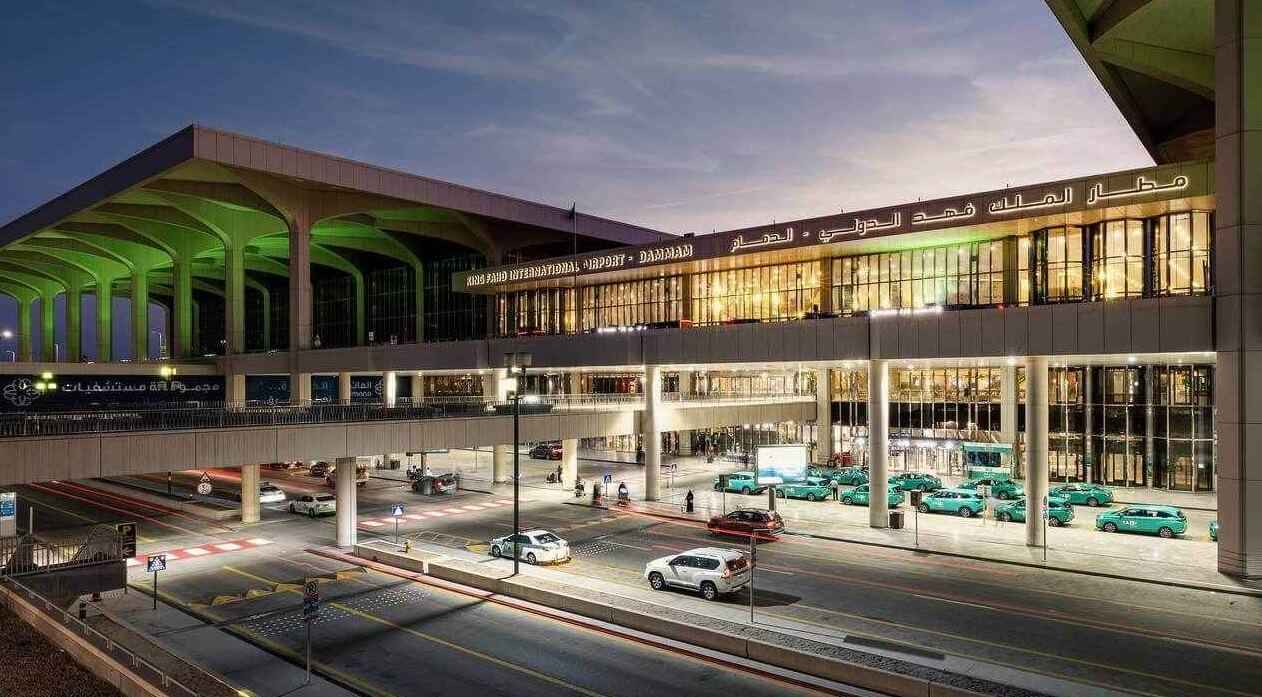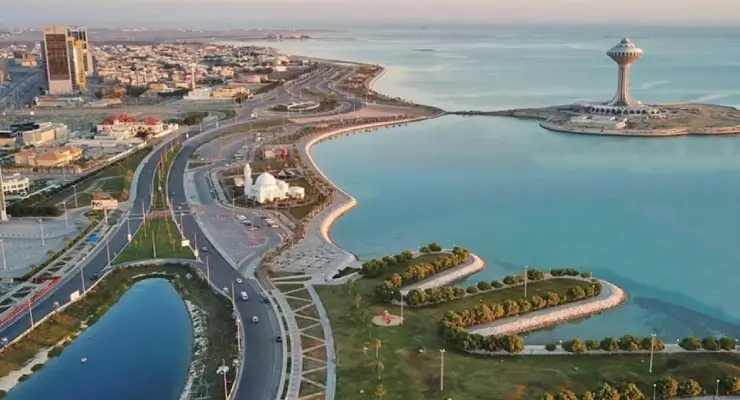



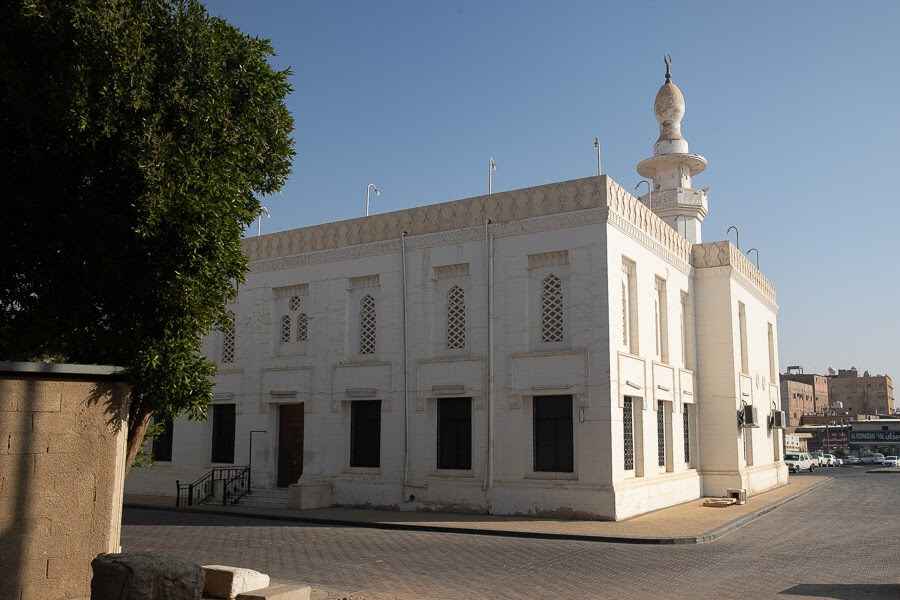
Masjid al-Tawbah holds a unique place in Islamic history, not as a single structure but as a shared spiritual identity across two historically significant locations in Saudi Arabia: Tabuk and Madinah. Both mosques are directly connected to moments where repentance, obedience, and steadfast faith defined the early Muslim community.
Understanding Masjid al-Tawbah as a Historical
Why There Is More Than One Masjid al-Tawbah in Saudi Arabia
The name Al-Tawbah (Repentance) is tied to Qur’anic revelation and prophetic practice rather than a single city. As a result, multiple mosque sites associated with repentance, reflection, and the Prophet Muhammad ﷺ praying are historically known by this name. The two most recognized are:
- Masjid al-Tawbah in Tabuk, associated with the Expedition of Tabuk
- Masjid al-Tawbah in Madinah, located in the Al-Usbah area near Masjid Quba
Each serves a different chapter of Islamic history and fulfills different user search intents.
Masjid al-Tawbah in Tabuk – The Mosque of the Expedition
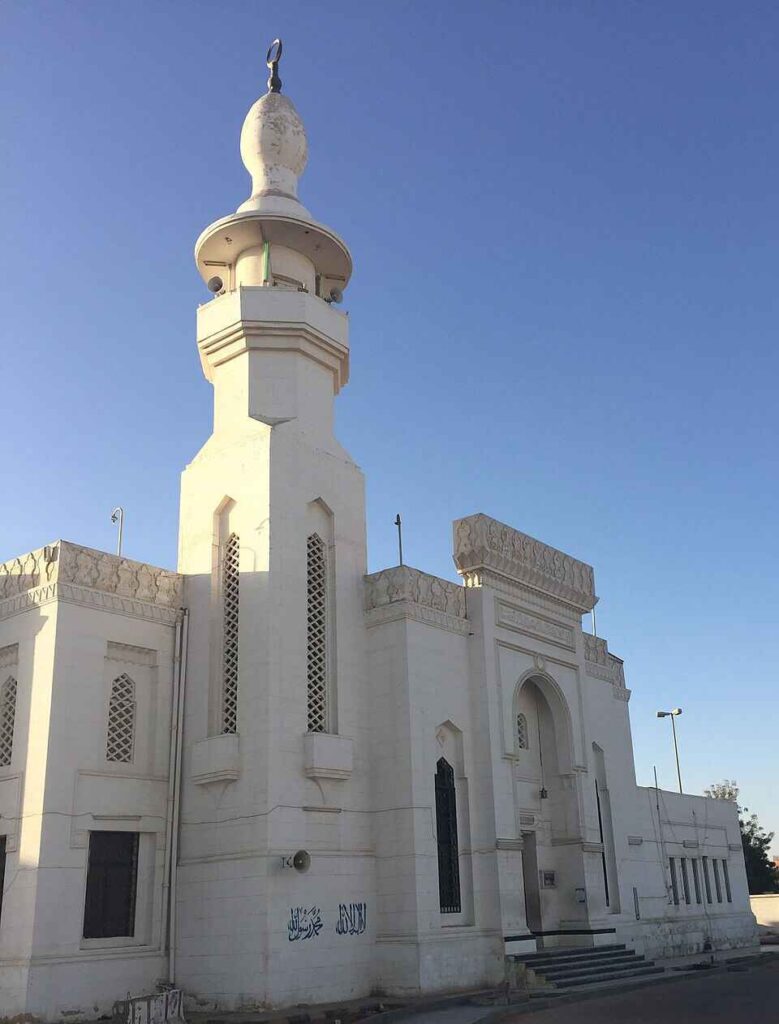
Masjid al-Tawbah in Tabuk is the primary and most historically prominent mosque associated with this name.
Historical Background and Revelation Context
In 9 AH (630 CE), Prophet Muhammad ﷺ led approximately 30,000 companions to Tabuk during what is known as the Expedition of Tabuk. Although no physical battle occurred, the expedition was a defining moment of political, spiritual, and military strength for the early Muslim state.
The Prophet ﷺ camped in Tabuk for nearly 20 days, leading prayers and governing affairs. During this period, verses of Surah At-Tawbah (Chapter 9 of the Qur’an) were revealed, addressing sincerity, repentance, and the moral responsibilities of believers. This revelation is the reason the mosque became known as Masjid al-Tawbah.
Architectural Evolution Through Islamic History
The earliest structure was modest, built from mud bricks, palm trunks, and local stone, reflecting the simplicity of early Islamic architecture.
Later reconstructions occurred during:
- Umayyad rule, attributed to Caliph Umar ibn Abdul Aziz
- Ottoman period, with structural reinforcements
- Modern Saudi era, notably renovated during King Faisal’s reign in the 20th century
Today’s mosque reflects architectural inspiration from Masjid an-Nabawi, symbolically connecting Tabuk to Madinah.
Location, Access, and Visiting Experience in Tabuk
Masjid al-Tawbah is located in central Tabuk, close to Tabuk Castle, making it part of a compact historic zone. It is open daily for prayers and reflection, with no entry fee.
Visitors often combine the mosque with nearby landmarks such as the ancient spring where the Prophet ﷺ and his companions drank water, reinforcing its historical authenticity.
Masjid al-Tawbah in Madinah – The Early Mosque of Reflection
Distinct from Tabuk, Masjid al-Tawbah in Madinah represents a quieter, more intimate chapter of prophetic history.
Prophetic Connection and Early Madinan Life
Located in the Al-Usbah area, west of Masjid Quba, this site marks an area where the Prophet Muhammad ﷺ is reported to have prayed during his time in Madinah. The mosque dates back to the first Islamic century and reflects the agricultural and communal life of early Muslims after the Hijrah.
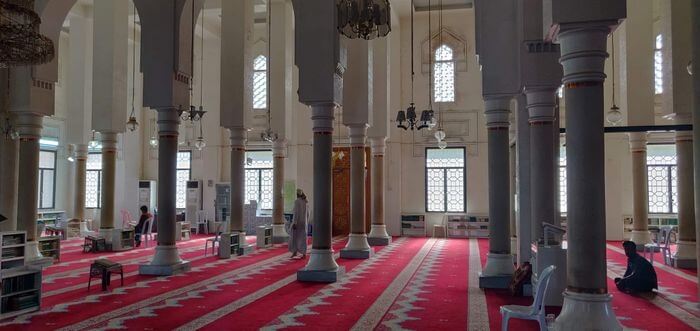
The structure remains intentionally simple, emphasizing reflection rather than grandeur.
Location Near Masjid Quba and Ziyarat Importance
Its proximity to Masjid Quba makes it a natural stop within Madinah ziyarat routes. Many visitors pray at Masjid Quba, then proceed toward Masjid al-Tawbah as part of a spiritually connected journey through early Islamic sites.
Visiting Etiquette and Worship Practices
The visit mirrors standard Sunnah practices: voluntary prayer, du‘a, Qur’an recitation, and quiet reflection. Scholars emphasize avoiding innovations, treating it as a place of remembrance rather than ritual excess.
Common Questions About Masjid al-Tawbah
Masjid al-Tawbah in Tabuk is over 1,300 years old in origin, despite multiple reconstructions.
Salat al-Tawbah consists of two rak‘ahs, performed voluntarily with sincere repentance.
Masjid Quba holds the virtue where prayer equals the reward of Umrah, as authentically narrated, though it remains distinct from Masjid al-Tawbah.
There is no historically significant Masjid al-Tawbah in Makkah, which often clarifies common confusion.
Planning Your Visit in Saudi Arabia
Whether visiting Tabuk for Islamic history or Madinah for ziyarat, transport planning plays a key role. Many pilgrims and visitors prefer private taxi services for flexibility, comfort, and time efficiency, especially when visiting multiple historic mosques in one day.
Reliable Umrah and ziyarat taxi services make it easier to move between airports, hotels, mosques, and heritage sites without the stress of public transport – particularly for families, elderly pilgrims, and international visitors. Pre-booked services also allow visitors to focus fully on worship and reflection rather than logistics.
Conclusion – The Enduring Meaning of Masjid al-Tawbah
Masjid al-Tawbah is not defined by a single building, but by a shared spiritual legacy of repentance, obedience, and prophetic leadership. In Tabuk, it represents strength, sincerity, and divine revelation during a pivotal expedition. In Madinah, it reflects humility, early community life, and quiet devotion.
Together, these mosques form a complete narrative—reminding believers that true repentance is tied to action, sincerity, and remembrance. Visiting Masjid al-Tawbah, in either location, is ultimately a journey into the moral foundations of Islam itself.

Zeeshan is a professional driver and tour guide who has been living and driving in Saudi Arabia for the past 5 years. With deep knowledge of the roads, landmarks, and Ziyarat locations across Makkah, Madinah, Jeddah, and Taif, he helps pilgrims and travelers enjoy safe, smooth, and well-organized journeys. His experience in Umrah transport, city tours, and airport transfers makes him a trusted expert for visitors exploring Saudi Arabia.