


Madinah al-Munawwarah, the Radiant City, is the second holiest city in Islam and the heart of every believer’s spiritual longing. Unlike ordinary travel destinations, Madinah is a living continuation of prophetic history. Every street, mosque, mountain, and grave tells the story of revelation, sacrifice, patience, and mercy.
Ziyarat in Madinah is not about sightseeing; it is about connection—to Prophet Muhammad ﷺ, to his companions, and to the foundations of Islam itself. For pilgrims visiting after Umrah or Hajj, or those traveling independently, understanding the ziyarat places in Madinah allows for a deeper, more meaningful journey.
What Is Ziyarat in Madinah?
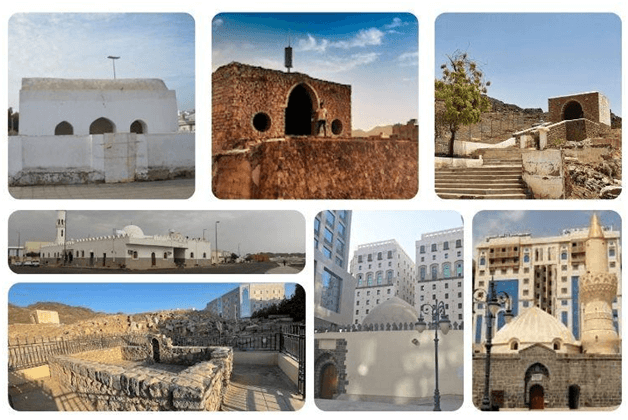
Ziyarat refers to visiting places associated with Prophet Muhammad ﷺ, his family, his companions, and major events of early Islamic history. While ziyarat is not obligatory like Hajj or Umrah, it is a highly recommended Sunnah and a source of immense spiritual reward.
The Prophet ﷺ said that visiting him after his passing carries the same spiritual value as visiting him during his lifetime. This makes Madinah a unique destination where history, worship, and spirituality merge into one experience.
Major Ziyarat Places in Madinah
Al-Masjid an-Nabawi
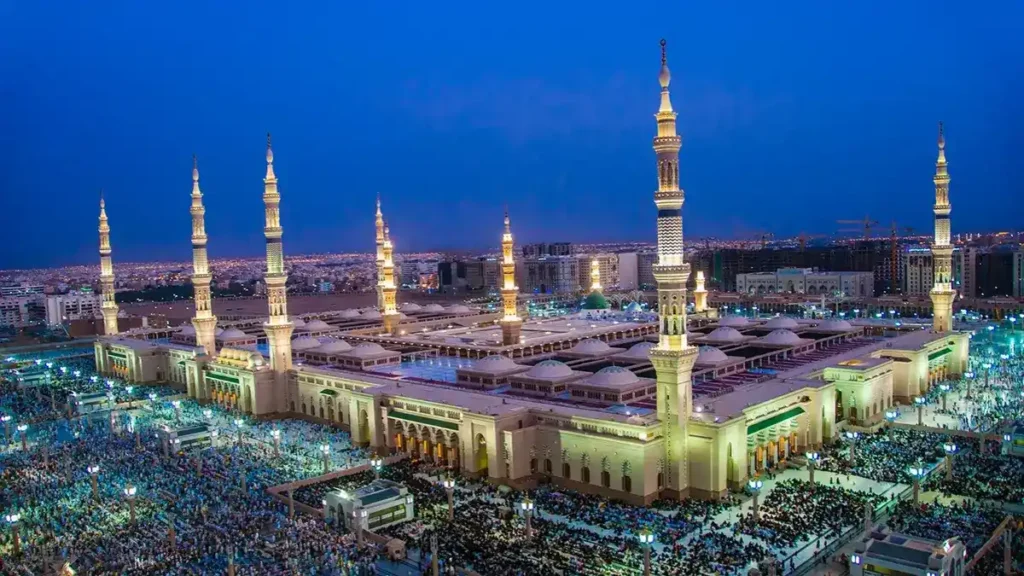
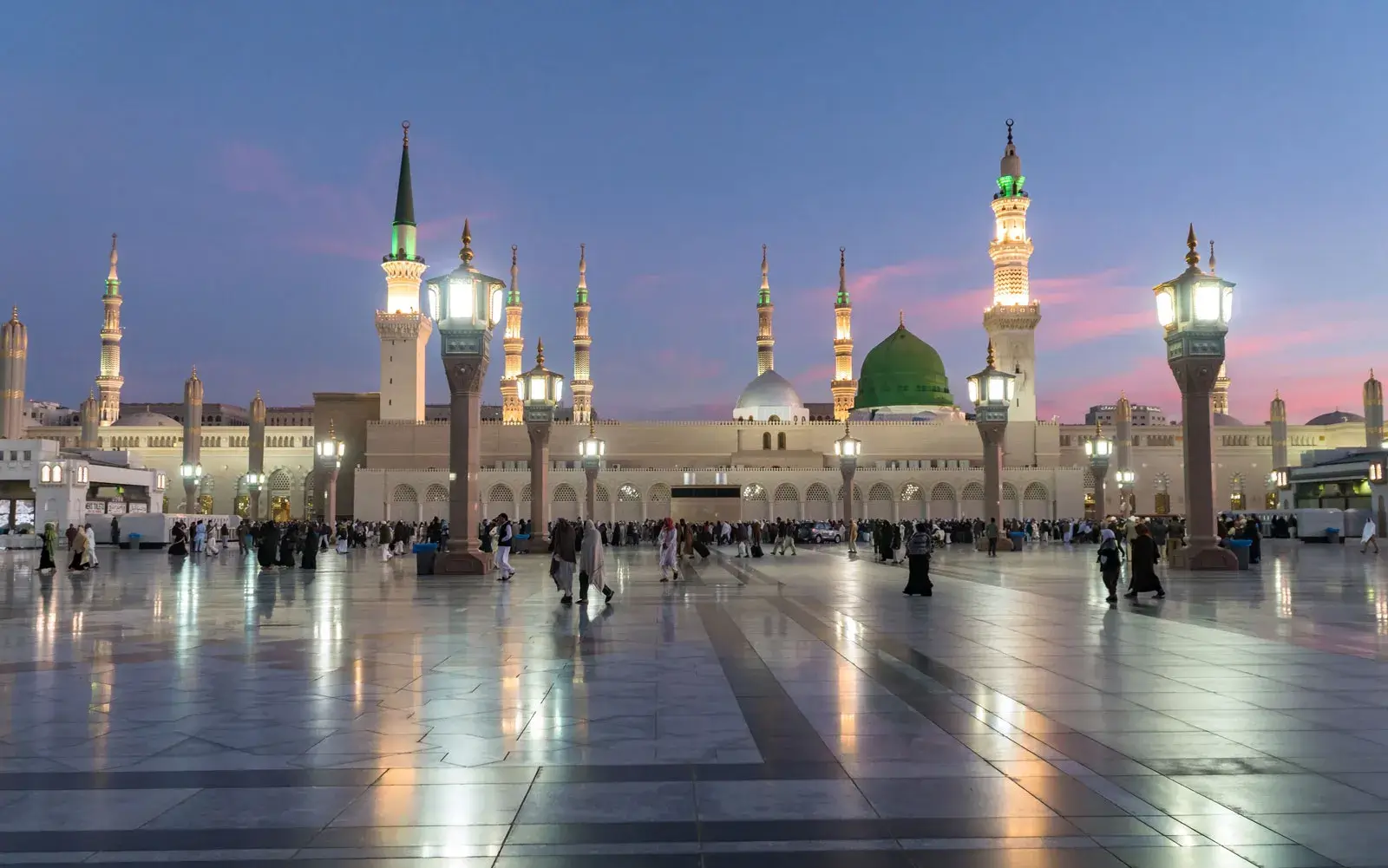
At the center of all ziyarat stands Masjid al-Nabawi, the Prophet’s Mosque and the second holiest mosque in Islam. Built by Prophet Muhammad ﷺ himself, it is his final resting place and the heart of Madinah.
Within the mosque lies Rawdah Mubarak, the area between the Prophet’s grave and his pulpit, described as a garden from Paradise. A single prayer in Masjid al-Nabawi is rewarded many times over compared to other mosques, making it the spiritual anchor of any Madinah ziyarat.
Jannat al-Baqi
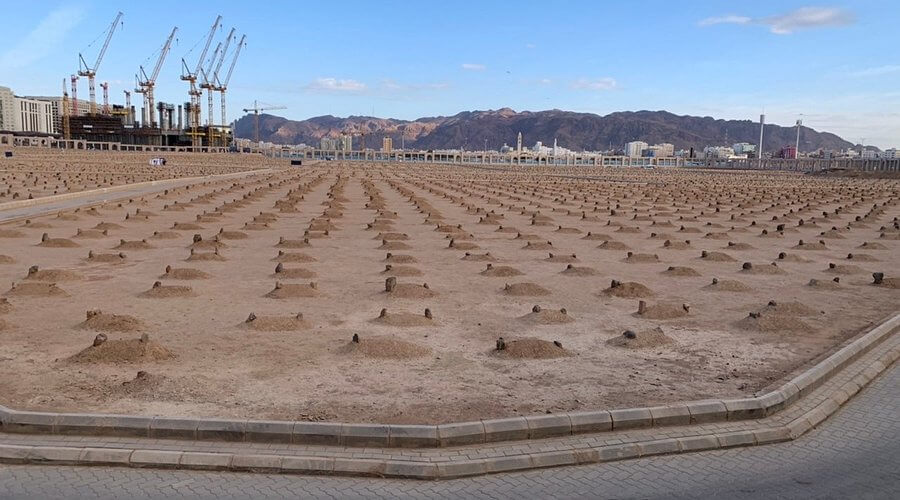
Adjacent to the Prophet’s Mosque is Jannat al-Baqi, the most sacred cemetery in Islam. It is the resting place of many members of the Prophet’s family ﷺ, his wives, and some of the greatest companions, including Uthman ibn Affan (RA) and Imam Hasan ibn Ali (RA).
The Prophet ﷺ regularly visited this cemetery, offering supplications for those buried there. Visiting Baqi instills humility, reflection, and remembrance of the temporary nature of life.
Important Mosques for Madinah Ziyarat
Masjid Quba
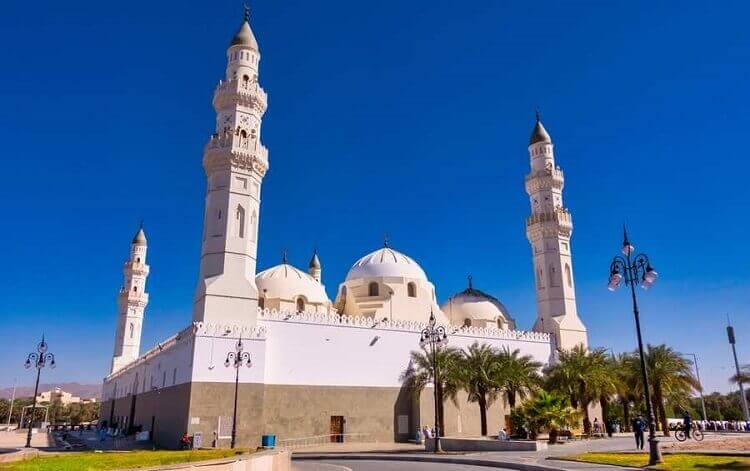
Masjid Quba holds the honor of being the first mosque built in Islam. Founded by the Prophet ﷺ upon his arrival in Madinah during the Hijrah, it is praised in the Qur’an as a mosque founded upon righteousness.
Praying two rak‘ahs in Masjid Quba after performing wudu at home carries the reward of a complete Umrah, making it one of the most spiritually rewarding ziyarat places in Madinah.
Masjid al-Qiblatain
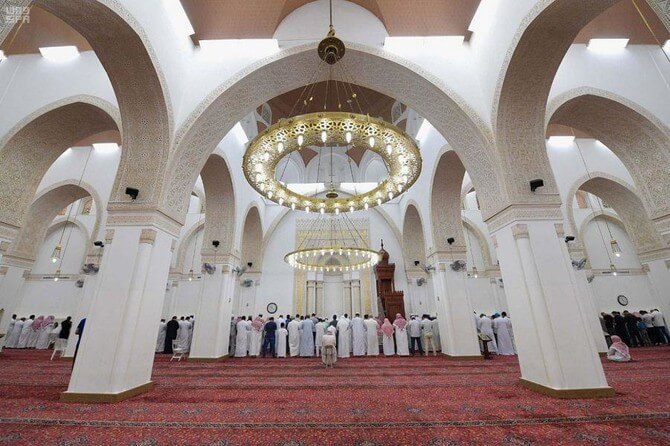
Masjid al-Qiblatain marks a pivotal moment in Islamic history—the change of the Qiblah from Jerusalem to the Kaaba in Makkah. During a congregational prayer, revelation descended instructing the Prophet ﷺ and his companions to turn toward Makkah mid-prayer.
This mosque symbolizes absolute obedience to divine command and stands as a living reminder of faith in action.
Masjid Ghamama
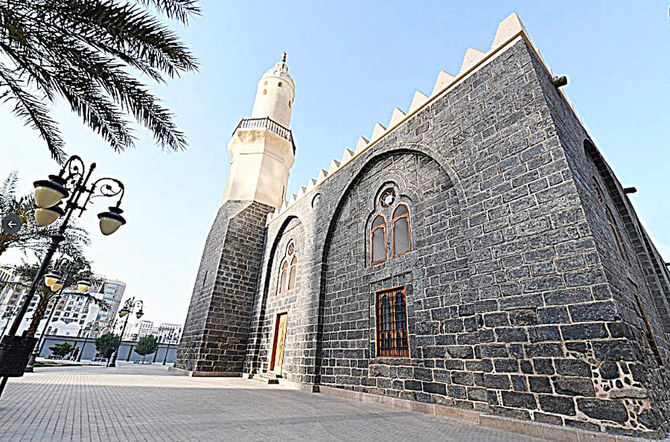
Located near Masjid al-Nabawi, Masjid Ghamama is associated with the Prophet ﷺ offering Eid prayers and performing Salat al-Istisqa (prayer for rain). Its name refers to the cloud that shaded the Prophet ﷺ during supplication, representing divine mercy.
Masjid Al-Ijabah
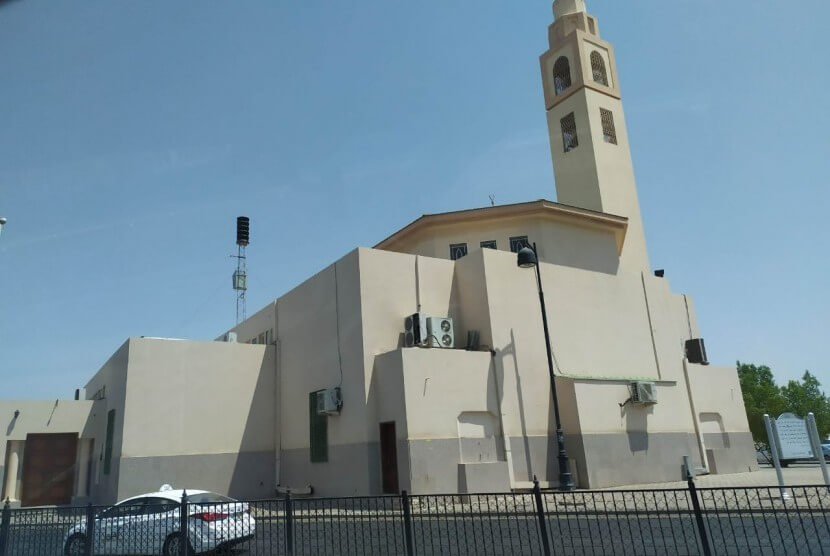
Masjid Al-Ijabah is known as the place where the Prophet ﷺ made three powerful supplications for his Ummah, two of which were accepted. This mosque is a profound reminder of the Prophet’s concern, mercy, and love for his followers.
Historic Battle Sites & Sacred Landmarks
Mount Uhud & the Martyrs
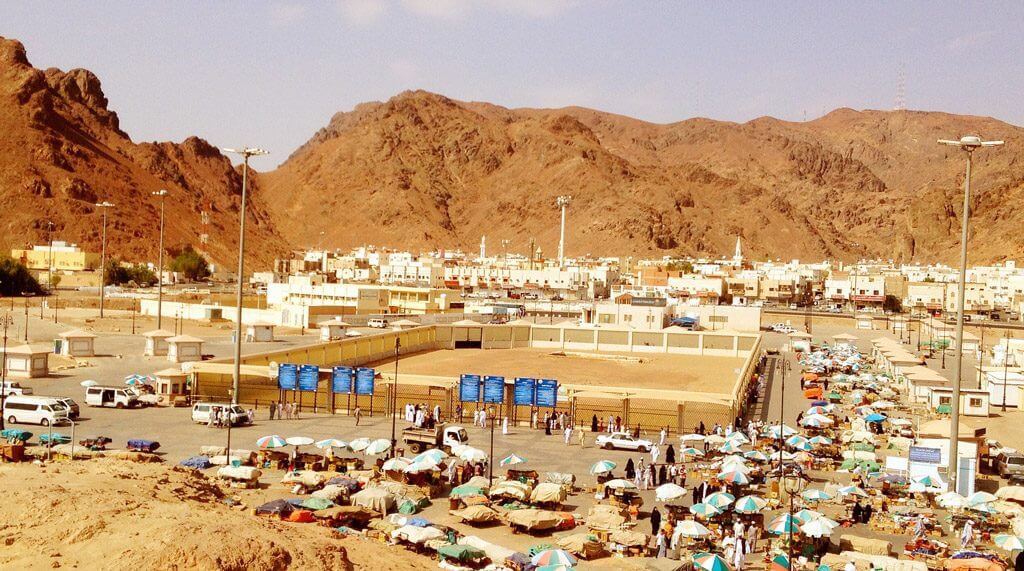
Mount Uhud stands north of Madinah as a silent witness to the Battle of Uhud. At its base lie the graves of seventy martyrs, including Hamza ibn Abdul Muttalib (RA), the beloved uncle of the Prophet ﷺ.
The Prophet ﷺ expressed deep affection for Uhud, saying it loves the believers as they love it. A visit here is often the most emotional part of Madinah ziyarat, reminding pilgrims of sacrifice, obedience, and resilience.
The Seven Mosques (Masajid Sab‘ah)
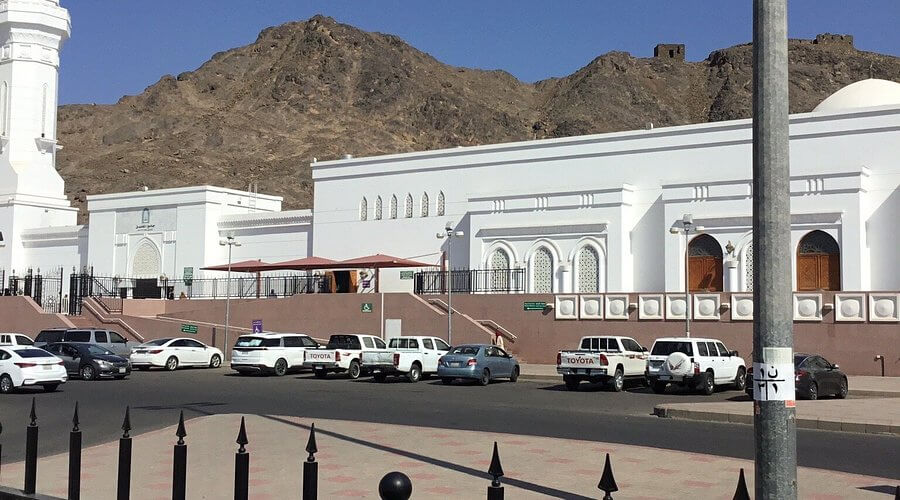
These mosques mark key positions held by companions during the Battle of the Trench (Khandaq). The site represents strategic brilliance, unity, and reliance upon Allah during one of the most critical moments in Islamic history.
Sacred Wells & Companion Landmarks
Ghars Well
Ghars Well is among the wells loved by the Prophet ﷺ. He drank from its water and requested it be used for his final ablution. Today, it remains a quiet and reflective ziyarat site.
Sakeefah Bani Sa‘idah
This historical location witnessed the appointment of Abu Bakr (RA) as the first Caliph of Islam, marking the beginning of Islamic governance after the Prophet’s ﷺ passing.
Salman Al-Farsi Date Garden
This garden symbolizes brotherhood and justice in Islam. The Prophet ﷺ and his companions planted date palms here to free Salman al-Farsi (RA) from bondage, making it a powerful reminder of equality in Islam.
How to Perform Ziyarat in Madinah Correctly
Ziyarat should always begin with sincere intention for Allah alone. Pilgrims should remain in wudu, dress modestly, maintain humility, and avoid any practices not supported by Qur’an and Sunnah. Supplications should be authentic, and respect for sacred spaces must be maintained at all times.
Transportation & Ziyarat Planning in Madinah
Most ziyarat places are spread across Madinah and require reliable transportation. For pilgrims performing Umrah or visiting Madinah with family, comfortable and trustworthy taxi services play a crucial role in ensuring a peaceful experience.
To move easily between Masjid al-Nabawi, Mount Uhud, Masjid Quba, and other ziyarat sites, many pilgrims prefer private Umrah and Madinah taxi services that understand religious schedules, prayer timings, and ziyarat routes. Using a dedicated service allows pilgrims to focus on worship without the stress of logistics, especially for elderly travelers and families.
Frequently Asked Questions About Madinah Ziyarat
Many pilgrims ask how many ziyarat places exist in Madinah. There are more than thirty recognized ziyarat locations, though most visitors focus on the core ten due to time constraints.
A complete ziyarat tour usually takes between two to six hours depending on the pace, crowd levels, and number of stops. Early mornings are ideal due to cooler weather and fewer visitors.
Ziyarat is not compulsory, but it remains one of the most spiritually enriching Sunnah practices for those visiting Madinah.
Conclusion
The ziyarat places in Madinah are not merely historical landmarks; they are living lessons of faith, sacrifice, mercy, and obedience. From standing before the resting place of Prophet Muhammad ﷺ in Masjid al-Nabawi, to reflecting at the martyrs of Uhud, every step in Madinah deepens a believer’s connection to Islam.
Whether you are visiting after Umrah, during Hajj, or on a dedicated spiritual journey, Madinah ziyarat offers an experience that transforms hearts and strengthens faith. With proper knowledge, sincere intention, and thoughtful planning, this journey becomes a lifelong source of spiritual renewal.

Zeeshan is a professional driver and tour guide who has been living and driving in Saudi Arabia for the past 5 years. With deep knowledge of the roads, landmarks, and Ziyarat locations across Makkah, Madinah, Jeddah, and Taif, he helps pilgrims and travelers enjoy safe, smooth, and well-organized journeys. His experience in Umrah transport, city tours, and airport transfers makes him a trusted expert for visitors exploring Saudi Arabia.