


Zamzam water is one of the most recognized and revered sacred elements in Islam. It is not merely drinking water; it is a living symbol of divine mercy, patience, and trust in Allah that has flowed continuously for thousands of years. For every pilgrim visiting Makkah for Hajj or Umrah, Zamzam water is deeply connected to worship, remembrance, and spiritual intention.
What Is Zamzam Water and Where Is It Located?
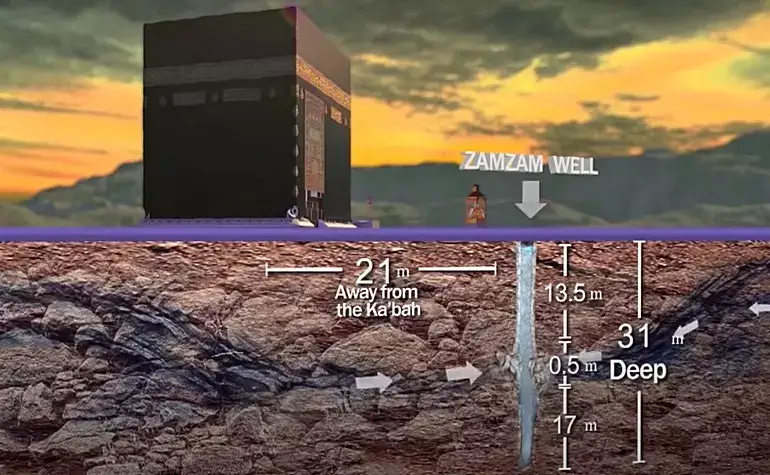
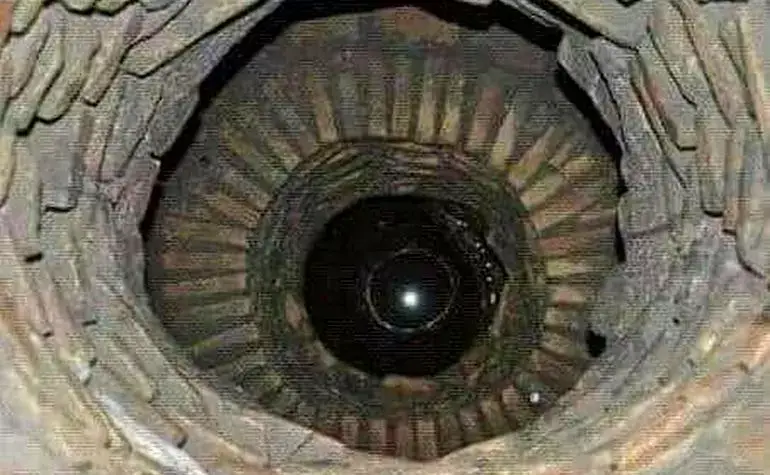
Zamzam originates from a historic underground well located inside Masjid al-Haram in Makkah, approximately 20–21 meters east of the Holy Kaaba, within the Mataf area. The well descends to a depth of around 31 meters, drawing water naturally through rock fissures and sandy layers from an underground aquifer.
Unlike conventional wells, Zamzam has never dried up despite supplying millions of pilgrims annually. Today, the water is distributed through a highly regulated system operated by Saudi authorities to ensure purity, safety, and uninterrupted availability.
Historical Origin and Religious Significance
The Story of Hajar and Ismail
The origin of Zamzam is inseparable from the story of Lady Hajar (RA) and her infant son Prophet Ismail (AS). When Prophet Ibrahim (AS), by Allah’s command, left them in the barren valley of Bakkah, Hajar searched desperately for water. She ran seven times between the hills of Safa and Marwa, a struggle later commemorated through the Sa‘i ritual of Hajj and Umrah.
At the moment of complete reliance on Allah, water miraculously sprang forth near Ismail’s feet. Hajar exclaimed “Zamzam,” meaning “stop” or “gather,” as she tried to contain the flowing spring. That moment marked the birth of the Zamzam well.
Zamzam in the Prophetic Tradition
Zamzam is described in authentic narrations as blessed water (Mubarak). The Prophet Muhammad ﷺ said:
“The water of Zamzam is for whatever purpose it is drunk for.”
This statement established Zamzam as a water of intention, supplication, and spiritual hope. Scholars throughout Islamic history have emphasized its unique status as both nourishment and healing by Allah’s permission.
Scientific Composition and Unique Properties
Zamzam water has been extensively analyzed under modern scientific standards. It is clear, odorless, slightly alkaline, and notably rich in essential minerals. Laboratory studies conducted under official Saudi supervision show that Zamzam contains higher-than-average levels of calcium, magnesium, sodium, potassium, and fluoride.
These mineral concentrations contribute to hydration efficiency and stability, especially in the hot climate of Makkah. Another distinctive feature of Zamzam is its microbiological purity. When processed through the official system, it shows no biological growth or harmful bacteria, a quality that sets it apart from most natural water sources.
Health and Spiritual Benefits of Zamzam Water
From a physical perspective, the mineral balance of Zamzam supports bone strength, muscle function, and general vitality. Calcium and magnesium help reduce fatigue, while fluoride supports dental health. Its alkaline nature also makes it gentle on digestion.
Spiritually, Zamzam holds far greater significance. Muslims drink it with intention for healing, guidance, knowledge, provision, and strength in worship. The benefit of Zamzam is inseparable from sincerity, supplication, and trust in Allah, making it both a physical and spiritual sustenance.
How to Drink Zamzam Water According to Sunnah
Islamic scholars recommend observing certain etiquettes when drinking Zamzam to honor its sacred status. It is encouraged to face the Qiblah, begin with Bismillah, and drink calmly in three sips, avoiding breathing into the vessel. One should drink until fully satisfied, then praise Allah and make personal du‘ā’.
Many pilgrims ask Allah for beneficial knowledge, complete healing, and acceptance of their worship at this moment, based on the Prophetic teaching regarding intention when drinking Zamzam.
Where to Get Zamzam Water in Makkah and Madinah
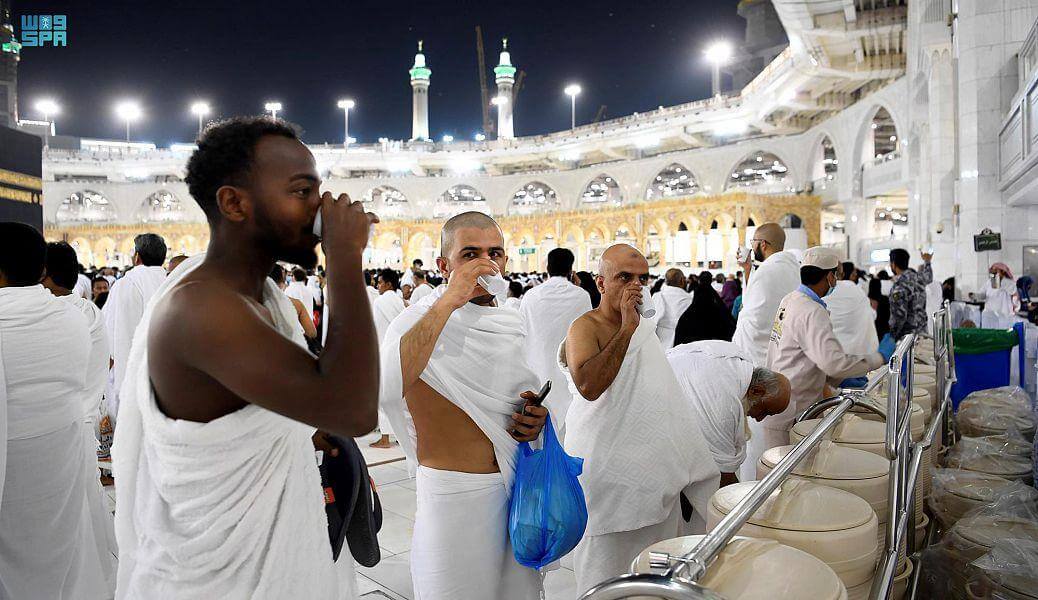
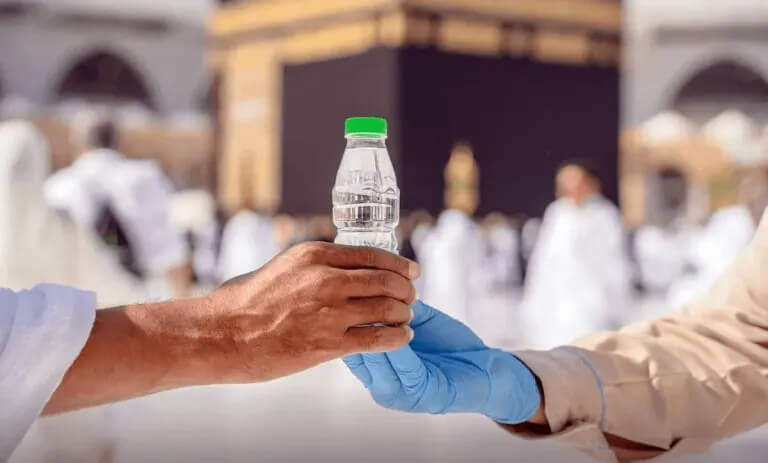
In Masjid al-Haram, Zamzam water is freely available through hundreds of stainless-steel dispensers and coolers placed throughout the mosque, including the Mataf and upper levels. Cups are provided, and the system is continuously replenished.
The water itself is pumped, purified, and stored by the King Abdullah Zamzam Water Project, a large-scale facility that manages millions of liters daily for safe distribution in Makkah and Madinah.
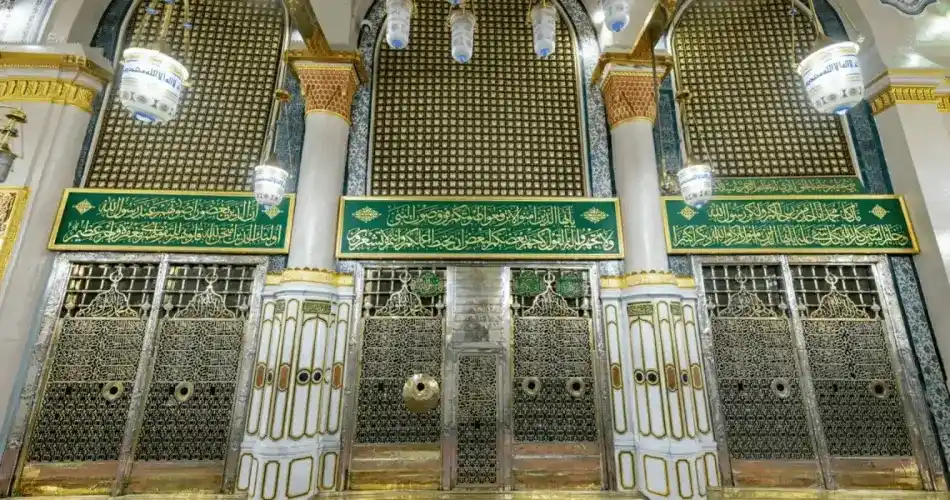
In Madinah, Zamzam water is also available at designated points around Al-Masjid an-Nabawi, allowing pilgrims to continue benefiting from it after completing Umrah or Hajj.
Carrying Zamzam Water Home – Latest Rules
Saudi Arabia strictly regulates the distribution and transport of Zamzam to preserve its sanctity and authenticity. Pilgrims are typically permitted to carry one official 5-liter bottle per person. These bottles must be factory-sealed, marked, and purchased from authorized locations such as Makkah outlets or Jeddah airport.
Zamzam bottles are checked separately at airport counters and are not packed inside regular luggage. Airlines may apply additional procedures, and Umrah or Hajj visa holders are usually given priority for carrying Zamzam.
At home, Zamzam should be stored respectfully in a clean, cool place and handled with care.
Practical Guidance for Pilgrims Visiting Makkah
Pilgrims often combine religious visits with travel between Makkah, Madinah, Jeddah, and nearby sacred sites. To maintain comfort, focus, and punctuality-especially during Umrah-reliable transportation plays an important role. Many visitors prefer private Umrah taxi services for airport transfers, hotel pickups, and ziyarat trips, ensuring stress-free movement while preserving energy for worship.
Choosing a trusted local taxi service allows pilgrims to travel safely between holy locations, manage time efficiently, and focus fully on their spiritual journey without logistical worries.
Preserving the Sanctity of Zamzam Water
Zamzam should be treated with respect at all times. It is not used for washing at drinking stations, spilled unnecessarily, or handled casually. Selling Zamzam for profit inside Saudi Arabia is prohibited, and only official channels are authorized for distribution.
Respecting Zamzam is part of respecting the sacred environment of Makkah itself.
Conclusion
Zamzam water is a timeless miracle that connects faith, history, science, and worship in one flowing source. From the footsteps of Hajar and Ismail to the millions of pilgrims who drink it today, Zamzam remains a symbol of divine mercy and trust in Allah. Understanding its origin, etiquette, benefits, and proper handling deepens the Umrah and Hajj experience and transforms a simple sip of water into an act of worship.
FAQs
What makes Zamzam water different from regular water?
Zamzam water differs from regular water due to its unique origin, continuous flow for thousands of years, and distinctive mineral composition. It has higher levels of calcium, magnesium, and fluoride, a naturally alkaline pH, and exceptional microbiological purity when handled through the official Saudi system. Beyond its physical properties, Zamzam holds profound spiritual significance in Islam as a blessed water linked to sincere intention and supplication.
Is Zamzam water mentioned in Islamic sources?
While Zamzam is not explicitly named in the Qur’an, it is firmly established through authentic Hadith and Islamic tradition. The Prophet Muhammad ﷺ described Zamzam as blessed and stated that it fulfills the intention for which it is consumed. Islamic scholars throughout history have affirmed its spiritual and practical importance for Muslims.
Can Zamzam water really be used for healing?
Muslims believe that Zamzam water is a means of healing by Allah’s permission when consumed with sincere intention. Spiritually, it is associated with supplication and reliance on Allah. From a scientific perspective, its mineral content supports hydration, bone health, and general wellness, though it should not replace medical treatment.
How much Zamzam water should a person drink?
There is no fixed quantity. According to Prophetic guidance, it is encouraged to drink Zamzam until one feels fully satisfied. This practice symbolically reflects faith and trust in Allah’s provision, distinguishing believers in classical Islamic teachings.
Is it allowed to store Zamzam water for a long time?
Yes, storing Zamzam water for long periods is permissible as long as it remains clean, sealed, and unaltered. Many families keep Zamzam at home for months or even years, using it respectfully for drinking and supplication.
Where can pilgrims buy official Zamzam water bottles?
Official Zamzam water bottles can be purchased from authorized outlets in Makkah and at Saudi airports, especially King Abdulaziz International Airport in Jeddah. These bottles are factory-sealed and distributed under the supervision of the King Abdullah Zamzam Water Project to ensure authenticity.
Can Zamzam water be taken on international flights?
Yes, most airlines allow one official 5-liter Zamzam bottle per pilgrim. The bottle must be factory-sealed and checked separately at airport Zamzam counters. Rules may vary slightly depending on airline policy and visa type, so pilgrims are advised to follow airport instructions carefully.
Is Zamzam water available outside Saudi Arabia?
Zamzam water is available outside Saudi Arabia only through authorized channels. Selling Zamzam for commercial profit is prohibited within the Kingdom, and pilgrims are advised to verify official seals and packaging when receiving Zamzam abroad to ensure authenticity.
Can non-Muslims drink Zamzam water?
Zamzam water itself is safe and pure, but its distribution is closely regulated due to its sacred status. While there is no physical restriction on who may drink it, Zamzam is primarily intended for pilgrims and is treated with religious respect.
Is Zamzam water available in Madinah?
Yes, Zamzam water is made available at designated locations in Madinah, including areas around Al-Masjid an-Nabawi. The water is transported through official Saudi systems to ensure the same purity and quality as in Makkah.

Zeeshan is a professional driver and tour guide who has been living and driving in Saudi Arabia for the past 5 years. With deep knowledge of the roads, landmarks, and Ziyarat locations across Makkah, Madinah, Jeddah, and Taif, he helps pilgrims and travelers enjoy safe, smooth, and well-organized journeys. His experience in Umrah transport, city tours, and airport transfers makes him a trusted expert for visitors exploring Saudi Arabia.