


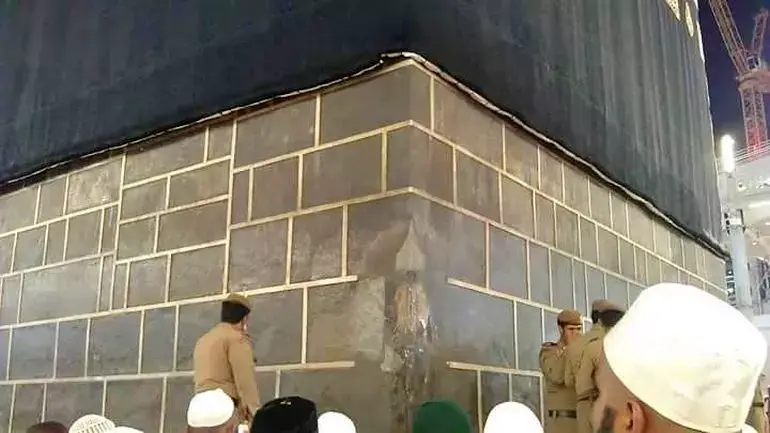
Rukn e Yamani, commonly known as the Yemeni Corner, is one of the most spiritually significant locations within Masjid al Haram. Situated on the south-western corner of the Holy Kaaba, it holds a unique position in the ritual of Tawaf and carries deep historical, architectural, and religious importance for Muslims performing Umrah and Hajj.
Unlike many symbolic Islamic landmarks, the importance of Rukn e Yamani is rooted in authentic prophetic practice, making it a place where Sunnah, history, and worship converge naturally.
What Is Rukn e Yamani and Where Is It Located?
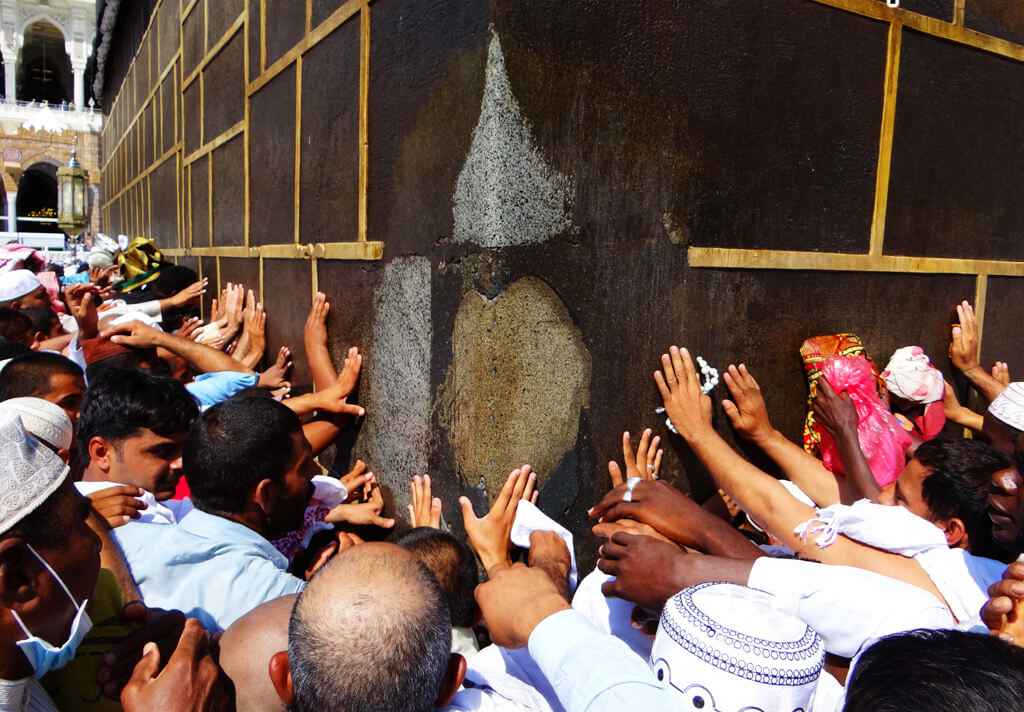
Rukn e Yamani is one of the four corners of the Kaaba and is encountered just before Hajar al Aswad when pilgrims move anti-clockwise during Tawaf. It faces the direction of Yemen, which is why it is called Yamani.
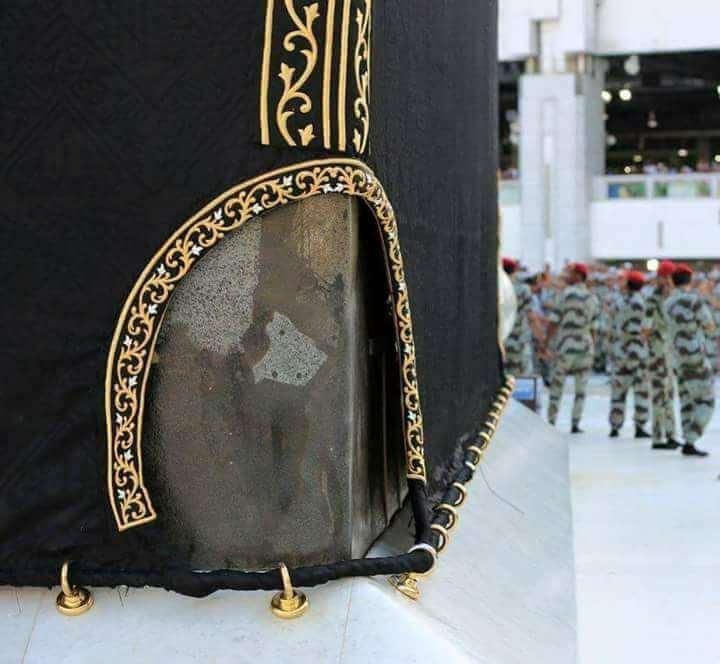
Among the four corners, it is easily recognizable because its lower stones remain exposed, unlike other sections covered fully by the Kiswa.
Historical and Structural Importance of Rukn e Yamani
One of the strongest reasons for the reverence of the Yemeni Corner is that it is one of the two corners that still stand on the original foundations laid by Prophet Ibrahim (AS). This directly links the structure of the Kaaba today with its earliest prophetic construction.
Historical records confirm that during the reconstruction of the Kaaba by Abdullah ibn al-Zubayr (RA), special care was taken to preserve this corner. The visible stone structure seen today largely dates back to that rebuilding phase, reinforcing its architectural authenticity.
Spiritual Significance and Virtues of the Yemeni Corner
The virtue of Rukn e Yamani is established through authentic narrations. The Prophet Muhammad ﷺ stated that touching the Black Stone and Rukn e Yamani results in the erasure of sins. This makes it one of the rare physical points in worship where a simple act, performed correctly, carries immense spiritual reward.
Scholars also mention Rukn e Yamani as a place where supplications are accepted, particularly during Tawaf, as the pilgrim transitions toward Hajar al Aswad with focused remembrance of Allah.
Sunnah Actions at Rukn e Yamani During Tawaf
When passing Rukn e Yamani in each circuit of Tawaf, the Sunnah practice is clear and precise. A pilgrim should touch the corner with the right hand if it is possible without pushing, harming others, or disrupting the flow of Tawaf.
Unlike Hajar al Aswad, Rukn e Yamani is not kissed, nor should a pilgrim point toward it from a distance. If reaching it is not feasible due to crowd density, one simply continues walking. This balance reflects the Islamic principle that avoiding harm takes precedence over performing a Sunnah act.
The Sunnah Dua Between Rukn e Yamani and Hajar al Aswad
Between Rukn e Yamani and the Black Stone, it is Sunnah to recite the well-known Quranic supplication:
“Rabbana atina fid-dunya hasanatan wa fil-akhirati hasanatan wa qina ‘adhaban-nar.”
This dua beautifully summarizes a believer’s entire purpose, asking for goodness in this world, success in the Hereafter, and protection from punishment. It is recommended to repeat this supplication in every round of Tawaf while maintaining humility and presence of heart.
Distinctive Physical Features of Rukn e Yamani
Rukn e Yamani is visually distinct due to a visible vertical gap in its stone structure. While some cultural narratives exist around this feature, historical documentation attributes the current stone formation to restoration efforts during early Islamic periods.
To preserve the integrity of this corner, its base has been reinforced using modern preservation techniques, including molten metal support and stainless-steel fastenings. Since 2016, it has also been subtly distinguished with a gold-plated silver ornamental frame, enhancing recognition without altering its sacred simplicity.
Difference Between Rukn e Yamani and Hajar al Aswad
While both corners are highly virtuous, their rulings differ. Hajar al Aswad is kissed or gestured toward if unreachable, whereas Rukn e Yamani is only touched if accessible. No verbal takbir or gesture is prescribed for it from a distance. Understanding this distinction ensures Tawaf is performed according to authentic Sunnah rather than assumption.
Practical Tawaf Guidance for Umrah and Hajj Pilgrims
During peak seasons, the area around Rukn e Yamani becomes heavily congested. Pilgrims are encouraged to maintain steady movement, remain close to the Kaaba wall where possible, and prioritize safety and focus over physical contact. Tawaf remains fully valid even if Rukn e Yamani is not touched.
Visiting Makkah for Umrah – Travel and Transportation Ease
A smooth Umrah experience begins long before entering Masjid al Haram. Reliable transportation between Makkah, Madinah, Jeddah, and Miqat points allows pilgrims to arrive rested and spiritually prepared for Tawaf.
Many Umrah travelers prefer private, family, or VIP taxi services for flexibility, comfort, and punctuality, especially when traveling with elders or children. Choosing a professional Umrah transport service ensures timely hotel transfers, Ziyarat visits, and stress-free movement between holy cities, allowing full focus on worship rather than logistics.
Conclusion
Rukn e Yamani stands as a powerful reminder of Islam’s continuity, linking modern pilgrims directly to the foundations laid by Prophet Ibrahim (AS). Its virtue lies not in ritual excess, but in quiet adherence to Sunnah, sincere supplication, and mindful Tawaf. Understanding its history, rulings, and spiritual depth enriches the Umrah and Hajj experience, transforming each circuit around the Kaaba into a journey of both body and soul.
FAQs
What is the significance of Rukn e Yamani?
It is one of the two Kaaba corners built on the original foundations of Prophet Ibrahim (AS) and a place where sins are forgiven by Allah through Sunnah actions.
What is the reward for touching the Yemeni Corner?
Authentic Hadith mention the erasure of sins when Rukn e Yamani is touched correctly during Tawaf.
How can I identify Rukn e Yamani easily?
It is the corner just before Hajar al Aswad, identifiable by exposed brown stones at the base of the Kaaba.
Who rebuilt Rukn e Yamani?
Its current structure dates back to the rebuilding of the Kaaba by Abdullah ibn al-Zubayr (RA).

Zeeshan is a professional driver and tour guide who has been living and driving in Saudi Arabia for the past 5 years. With deep knowledge of the roads, landmarks, and Ziyarat locations across Makkah, Madinah, Jeddah, and Taif, he helps pilgrims and travelers enjoy safe, smooth, and well-organized journeys. His experience in Umrah transport, city tours, and airport transfers makes him a trusted expert for visitors exploring Saudi Arabia.