



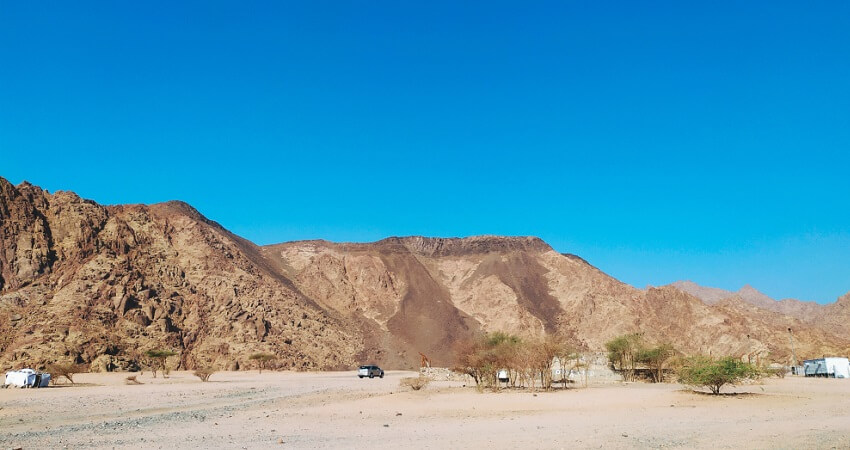
Wadi e Jin, officially known as Wadi Al Baida, is one of the most talked-about natural locations near Madinah. Situated roughly 30–35 kilometers northwest of the city, this desert valley has gained international attention for a rare visual phenomenon where vehicles appear to roll uphill with their engines switched off.
For pilgrims, tourists, and curious travelers, Wadi e Jin is not just a roadside stop – it is a place where science, landscape, folklore, and belief intersect, making it one of the most unusual short trips from Madinah.
What Is Wadi e Jin and Where Is It Located?
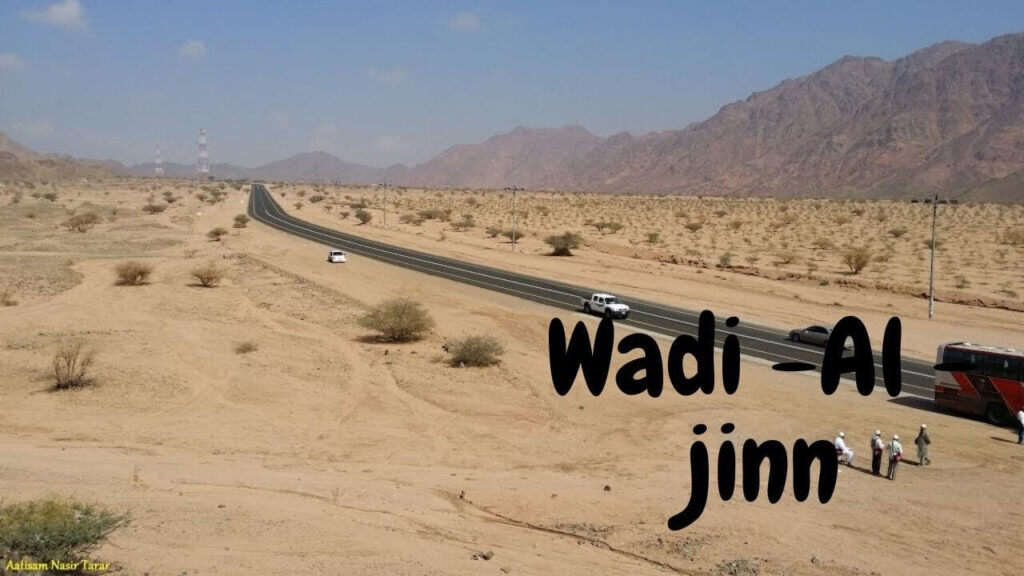
Wadi e Jin lies along the Al-Ula road, in a sparsely developed desert region surrounded by pale rock formations and open plains. The name “Al Baida” means “the white valley,” referring to the light-colored hills that dominate the landscape.
From Al-Masjid an-Nabawi, the drive usually takes 30 to 40 minutes, making it an easy half-day excursion. Because of its proximity, it is often included in Madinah ziyarah itineraries alongside other historical and natural sites.
Why Wadi e Jin Is Famous Worldwide
The valley’s fame comes from a specific stretch of paved road where drivers experience what seems like a defiance of gravity. When a vehicle is stopped at a marked point and placed in neutral, it begins to move forward – appearing to climb uphill.
This phenomenon has been recorded thousands of times and shared widely on social media, turning Wadi e Jin into one of the most recognizable “gravity hill” locations in Saudi Arabia. Despite its eerie reputation, the experience is surprisingly calm and repeatable, which only deepens public fascination.
Scientific Explanation of Wadi e Jinn
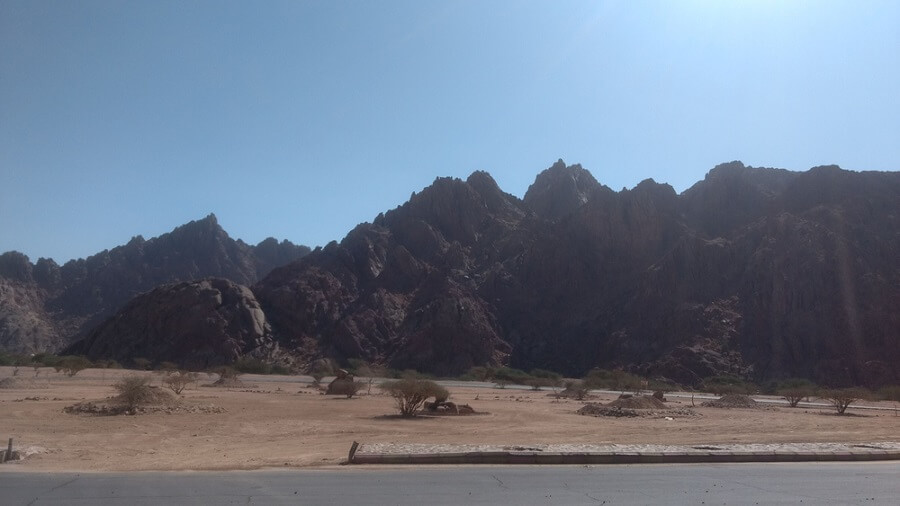
Despite supernatural interpretations, scientists and geographers classify Wadi e Jin as a classic gravity hill illusion.
The surrounding hills, horizon line, and valley slope create a visual distortion. What the human eye interprets as an uphill incline is actually a gentle downward gradient. Without clear reference points, the brain misjudges elevation, making gravity’s natural pull feel reversed.
Surveying tools, GPS measurements, and spirit levels confirm that the road does descend slightly. The illusion is powerful enough that even experienced drivers feel disoriented during the first encounter.
Recommended: Rawdah Madinah
Myths, Folklore, and the Name “Wadi e Jin”
The name “Wadi e Jin” comes from long-standing local folklore. In Islamic belief, jinn are real creations made from smokeless fire, mentioned in the Quran as beings that exist alongside humans but in a different realm.
While Wadi e Jin is not mentioned directly in the Quran, its reputation grew from Bedouin stories passed down through generations. Tales of strange sounds, moving objects, and warnings against camping overnight shaped its identity long before modern explanations emerged.
Today, many visitors enjoy the valley with curiosity rather than fear, understanding that legends form part of the region’s cultural memory rather than confirmed reality.
Religious and Cultural Context Near Madinah
Because Madinah is one of the holiest cities in Islam, nearby locations naturally carry spiritual sensitivity. Visitors are encouraged to approach Wadi e Jin with respect – avoiding mockery, loud behavior, or risky stunts.
For pilgrims performing Umrah or visiting Madinah for ziyarah, Wadi e Jin is best seen as a natural curiosity, not a spiritual site of worship or fear. Respectful exploration aligns well with Islamic teachings that encourage reflection, knowledge, and understanding of Allah’s creation.
What to Expect When Visiting Wadi e Jin
On arrival, visitors usually stop along the well-known stretch of road to test the phenomenon. Watching multiple vehicles roll simultaneously creates a shared experience that often feels surreal, even when the explanation is known.
Beyond the road, the valley itself offers a peaceful desert atmosphere. Visitors commonly walk into the open terrain, photograph the white hills, or relax during cooler hours. Activities such as camel riding, quad biking, casual picnics, and stargazing are popular, especially during winter months.
Facilities are minimal, preserving the valley’s raw character but requiring visitors to come prepared.
Best Time to Visit Wadi e Jin
The most comfortable period to visit is October to April, when daytime temperatures are moderate. Early morning and late afternoon are ideal for visibility, photography, and reduced traffic.
During Ramadan, Umrah seasons, and school holidays, the area can become crowded, particularly in the evenings.
Safety Tips and Visitor Guidelines
Although the experience feels slow and harmless, safety is essential. Vehicles should be tested only when traffic is clear, hazard lights are used, and passengers remain seated. Standing in front of moving vehicles is strongly discouraged.
Because there are no permanent shops or restrooms, visitors should carry water, snacks, sun protection, and enough fuel. The area is remote, and phone signal strength may vary.
How to Get to Wadi e Jin from Madinah
Reaching Wadi e Jin is straightforward by road. Travelers can self-drive, but many visitors prefer a private taxi to avoid navigation issues and ensure a relaxed visit.
For pilgrims and families, booking a reliable service such as Al Maqam Transport allows Wadi e Jin to be combined easily with Madinah ziyarah tours, Umrah travel plans, airport transfers, and intercity taxi services. A private driver familiar with local routes ensures safety, comfort, and proper timing – especially for visitors unfamiliar with the desert outskirts of Madinah.
Why Wadi e Jin Is Worth Visiting
Wadi e Jin is not special only because of the illusion. It stands out because it challenges perception while remaining grounded in reality. The valley offers a rare moment where nature tests the human mind, inviting reflection rather than fear.
Its untouched landscape, cultural stories, and proximity to Madinah make it a meaningful stop for those seeking something beyond traditional landmarks.
Conclusion
Wadi e Jin, or Wadi Al Baida, is one of Madinah’s most fascinating natural locations—a place where science explains what legends once shaped, and where curiosity replaces fear. Whether you visit as a pilgrim, traveler, or explorer, the experience leaves a lasting impression rooted in observation, knowledge, and wonder.
For a smooth and stress-free journey to Wadi e Jin and other important sites around Madinah and Makkah, Al Maqam Transport offers dependable Umrah taxi services, Madinah ziyarah transfers, and private travel solutions – allowing you to focus on the experience while professionals handle the road.

Zeeshan is a professional driver and tour guide who has been living and driving in Saudi Arabia for the past 5 years. With deep knowledge of the roads, landmarks, and Ziyarat locations across Makkah, Madinah, Jeddah, and Taif, he helps pilgrims and travelers enjoy safe, smooth, and well-organized journeys. His experience in Umrah transport, city tours, and airport transfers makes him a trusted expert for visitors exploring Saudi Arabia.