


What Is Tawaf in Islam?
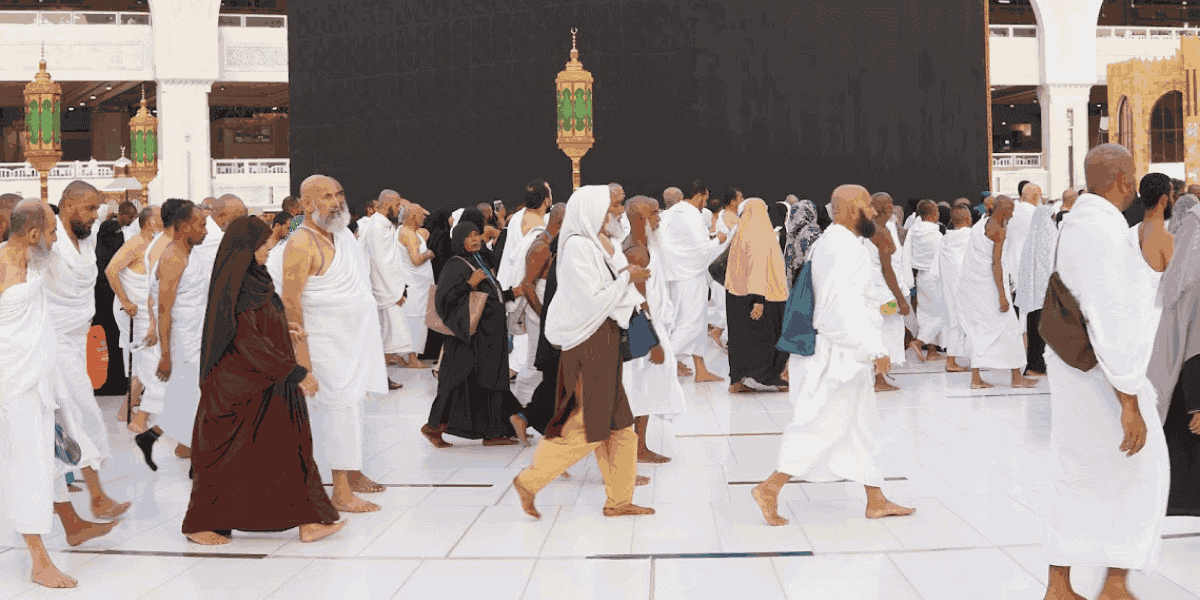
Tawaf is one of the most essential acts of worship in Islam and a core pillar of both Umrah and Hajj. It refers to circumambulating the Kaaba seven times in an anti-clockwise direction, beginning and ending at Hajar al-Aswad (the Black Stone). Each round is known as a shawt, and completing seven shawts constitutes one full Tawaf.
Tawaf is not merely walking around a structure; it is a divinely commanded ritual that symbolizes a believer’s submission, humility, and devotion to Allah.
Spiritual Meaning and Significance of Tawaf
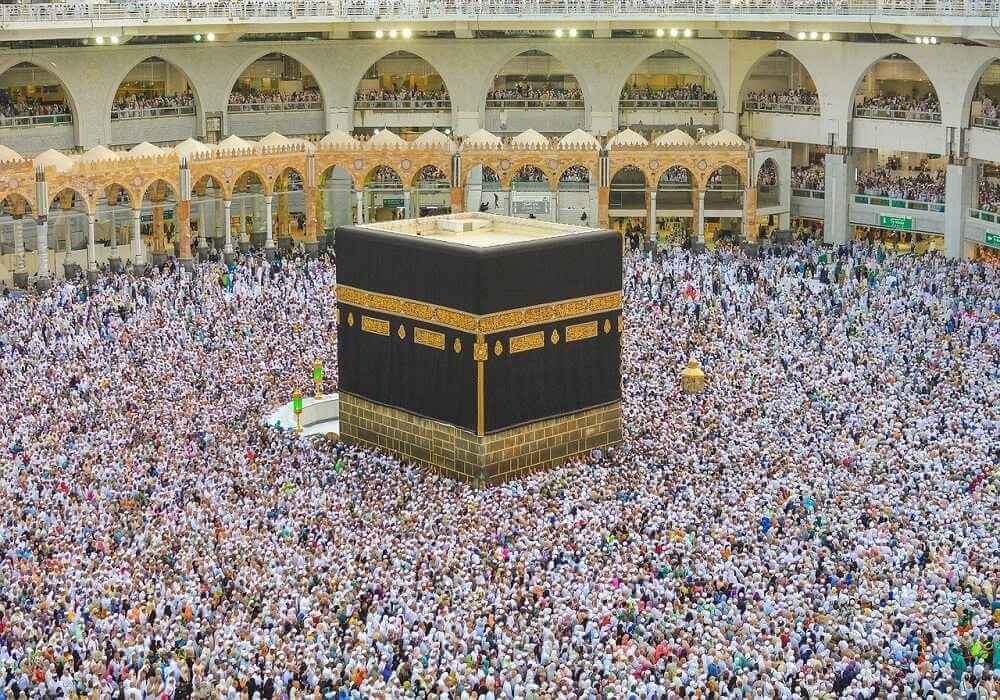
Tawaf represents the oneness of Allah (Tawheed). Just as every orbit in the universe revolves around a single center, the believer’s life revolves around Allah alone. The Kaaba serves as the spiritual axis of the Muslim world, and Tawaf reflects unity, equality, and obedience.
Islamic tradition explains that Tawaf mirrors the worship of angels who circumambulate Al-Bayt al-Ma‘mur in the seventh heaven. This connection places Tawaf within a broader cosmic order, where everything—from atoms to galaxies—moves in obedience to Allah’s will.
The Prophet ﷺ emphasized the immense reward of Tawaf, stating that every step erases sins and elevates spiritual rank. For this reason, Tawaf is regarded as one of the most spiritually powerful acts a pilgrim can perform.
Recommended: Haram Boundary
History of Tawaf Before and After Islam
Before Islam, the Kaaba remained a sacred site, but Tawaf was distorted by practices of polytheism, including performing Tawaf naked. With the advent of Islam, Allah restored Tawaf to its original purpose—pure monotheistic worship—and commanded modesty, cleanliness, and adherence to divine law.
The Prophet Muhammad ﷺ abolished all un-Islamic customs and established Tawaf as a dignified, structured act of worship rooted in intention, purity, and obedience.
Types of Tawaf Explained
Tawaf al-Umrah
This Tawaf is obligatory for Umrah and must be completed for the Umrah to be valid. It is performed in a state of Ihram and followed by Sa’i between Safa and Marwah.
Tawaf al-Qudum (Arrival Tawaf)
A Sunnah Tawaf performed by pilgrims arriving in Makkah for Hajj al-Ifrad or Hajj al-Qiran. It serves as a greeting to Masjid al-Haram.
Tawaf al-Ifadah (Tawaf al-Ziyarah)
One of the pillars of Hajj, performed after returning from Mina. Hajj is incomplete without it.
Tawaf al-Wada (Farewell Tawaf)
Performed before leaving Makkah after completing Hajj. It signifies bidding farewell to the Sacred House.
Nafl Tawaf
A voluntary Tawaf that may be performed at any time, offering immense spiritual reward.
Conditions and Requirements of Tawaf
For Tawaf to be valid, the pilgrim must be in a state of ritual purity (wudhu), have the awrah properly covered, and perform Tawaf within Masjid al-Haram, keeping the Kaaba on the left at all times. Tawaf must be completed outside the Kaaba structure, avoiding Hijr Ismail, which is part of the Kaaba.
An intention (niyyah) is required, and all seven circuits must be completed without omission.
Step-by-Step Method of Performing Tawaf
Upon entering the mataf area, face the Kaaba near the Black Stone and make your intention. Begin Tawaf by performing Istilam of Hajar al-Aswad—either by kissing it if possible, touching it, or gesturing from a distance while saying Allahu Akbar.
Proceed anti-clockwise, reciting dhikr and making personal supplications. Men perform Raml during the first three circuits if applicable, followed by normal walking. At Rukn al-Yamani, touch it if possible and recite the recommended du’a.
Each circuit ends when you return to Hajar al-Aswad. After completing seven circuits, conclude Tawaf and cover the shoulder if Idtiba was observed.
Raml and Idtiba Explained
Idtiba involves uncovering the right shoulder during Tawaf and applies only to men in Ihram during Tawaf followed by Sa’i.
Raml is a brisk walk performed in the first three circuits, symbolizing strength and readiness for worship. Both practices are Sunnah, not obligatory.
What to Recite During Tawaf
There is no fixed du’a for Tawaf. Pilgrims may recite Qur’an, make personal supplications in any language, or engage in silent remembrance. Sincerity is more important than memorization.
After Completing Tawaf
After Tawaf, perform two rak’ahs of prayer behind Maqam Ibrahim if possible. Drink Zamzam water, making du’a for acceptance and benefit. Pilgrims may also supplicate at the Multazam, a place known for accepted prayers.
Where to Perform Tawaf
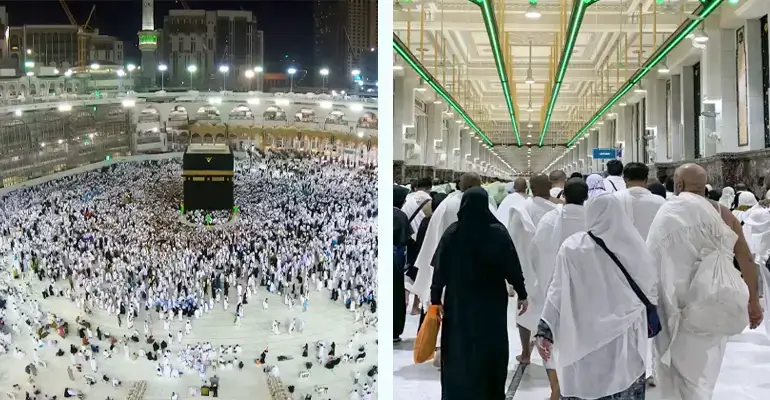
Tawaf may be performed on the ground level, upper floors, or rooftop of Masjid al-Haram. While the ground floor is closer to the Kaaba, upper levels are less crowded and suitable for elderly pilgrims or those seeking ease.
Common Mistakes to Avoid
Common errors include performing Tawaf without wudhu, walking through Hijr Ismail, starting from the wrong point, or causing harm to others in crowded areas. Tawaf must always be performed with patience and consideration.
Practical Tips for a Comfortable Tawaf
Choose less crowded times when possible, stay hydrated, and remain aware of your surroundings. If tired, rest briefly and resume from where you stopped. Tawaf should be calm, dignified, and focused on worship.
Transportation Support for Umrah and Tawaf Pilgrims
Reaching Masjid al-Haram comfortably is essential, especially for elderly pilgrims and families. Reliable Umrah taxi services, Makkah hotel transfers, airport pickups, and inter-city travel from Jeddah, Madinah, or Taif help pilgrims conserve energy for Tawaf and other rituals.
Using a professional Umrah and Ziyarat transport service ensures timely arrivals, stress-free movement, and a smoother spiritual journey—allowing pilgrims to focus fully on worship rather than logistics.
FAQs
Is Tawaf valid without touching the Black Stone?
Yes. Touching or kissing Hajar al-Aswad is Sunnah, not obligatory.
Can Tawaf be done on upper floors?
Yes, Tawaf is valid on all levels within Masjid al-Haram.
Can women perform Tawaf during crowds?
Yes, but they should prioritize safety and choose less crowded levels if needed.
Is talking allowed during Tawaf?
Yes, but only good and meaningful speech is encouraged.
Final Note
Tawaf is the spiritual heart of Umrah and Hajj. When performed with correct knowledge, sincerity, and humility, it becomes a transformative act of worship that strengthens faith and deepens the believer’s connection with Allah.

Zeeshan is a professional driver and tour guide who has been living and driving in Saudi Arabia for the past 5 years. With deep knowledge of the roads, landmarks, and Ziyarat locations across Makkah, Madinah, Jeddah, and Taif, he helps pilgrims and travelers enjoy safe, smooth, and well-organized journeys. His experience in Umrah transport, city tours, and airport transfers makes him a trusted expert for visitors exploring Saudi Arabia.