


The concept of the seven heavens in Islam is one of the most profound themes in Islamic theology. The Qur’an repeatedly mentions that Allah created seven heavens, one above another, reflecting divine order, structure, and purpose. At the same time, Islamic teachings also describe multiple levels of Jannah – the eternal reward prepared for the righteous.
Many people confuse the “seven heavens” with the “levels of Jannah.” In reality, they are related but distinct concepts. This guide explains both clearly, based on the Qur’an and authentic Hadith.
Understanding the Seven Heavens in the Quran

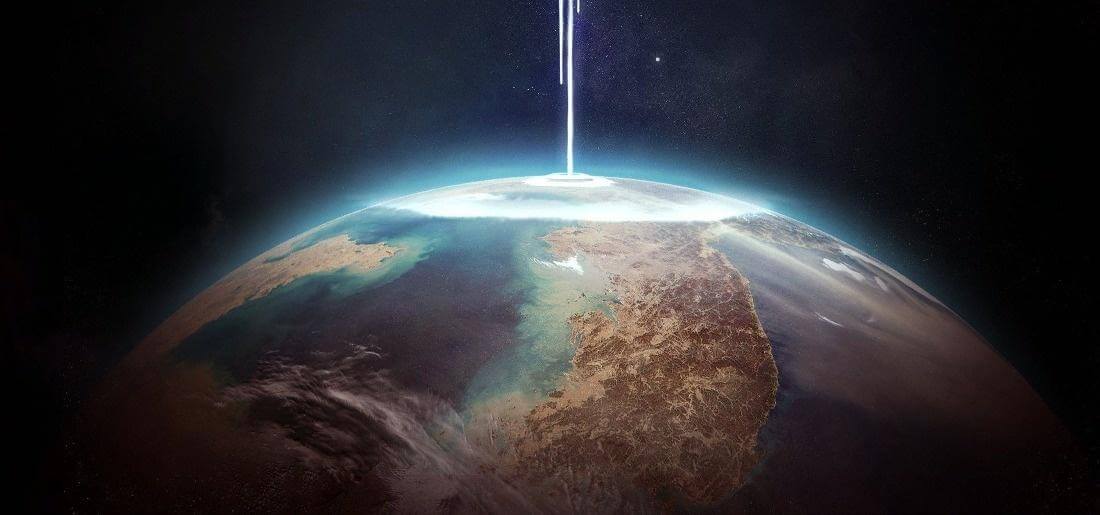
The Qur’an mentions the creation of seven heavens in several verses, including Surah Al-Baqarah (2:29), Surah Al-Isra (17:44), and Surah Fussilat (41:12). These verses describe a layered cosmic structure created by Allah with precision and wisdom.
The first heaven (Sama’ ad-Dunya) is the lowest heaven, which contains the stars and celestial bodies visible to us. Beyond it are six additional heavens, each greater than the one below it.
These heavens are part of the created universe – not Paradise itself.
The Seven Heavens During Isra and Mi’raj
The clearest description of the seven heavens comes from the miraculous journey known as Isra and Mi’raj. During this journey, the Prophet Muhammad ﷺ ascended through each heaven and met different prophets.
First Heaven
He met Adam عليه السلام, the father of humanity.
Second Heaven
He met Prophet Yahya (John) and Isa عليه السلام.
Third Heaven
He met Prophet Yusuf (Joseph), described as being given exceptional beauty.
Fourth Heaven
He met Prophet Idris, who was raised to a high station.
Fifth Heaven
He met Prophet Harun (Aaron).
Sixth Heaven
He met Musa عليه السلام.
Seventh Heaven
He met Ibrahim عليه السلام, who was leaning against the heavenly structure known as Bait al-Ma’mur – a sacred house visited daily by thousands of angels.
Beyond the seventh heaven lies Sidrat al-Muntaha, the Lote Tree of the Utmost Boundary. It marks the limit of creation – a point beyond which even Angel Jibreel could not pass.
Seven Heavens vs. Levels of Jannah
It is essential to distinguish:
- Seven Heavens (Sab’a Samawat): Layers of the created cosmos.
- Jannah: The eternal Paradise granted after Judgment.
A well-known hadith states that Jannah has one hundred levels, and the distance between each level is like the distance between the heavens and the earth. The highest of these levels is Jannat al-Firdaws.
Therefore, the “seven heavens” are not the same as “seven levels of Jannah.”
Names Commonly Associated with the Seven Levels of Jannah
Some scholars group Qur’anic descriptions of Paradise into seven major abodes. While not explicitly fixed as a hierarchy in one single text, these names frequently appear:
Jannat al-Firdaws – The highest and most excellent garden. The Prophet ﷺ instructed believers to ask Allah specifically for Al-Firdaws.
Jannat al-‘Adn – Gardens of perpetual residence promised to the steadfast believers.
Jannat an-Na‘im – Gardens of bliss filled with delight.
Jannat al-Ma’wa – A garden of refuge mentioned in Surah An-Najm.
Dar al-Khuld – The abode of eternity where death never returns.
Dar al-Maqam – The permanent dwelling where fatigue and hardship disappear.
Dar as-Salam – The abode of peace, safety, and divine protection.
All levels of Jannah are free from pain, illness, jealousy, and sorrow – in contrast to Jahannam, which is described as a place of punishment for wrongdoing.
The 8 Gates of Jannah
Authentic narrations mention eight gates of Paradise, each connected to a specific deed. For example:
- Gate of Prayer for those who preserved Salah
- Gate of Charity for those who gave Sadaqah
- Baab Ar-Rayyan for those who fasted
- Gate of Hajj for those who performed pilgrimage sincerely
These gates symbolize that different righteous deeds elevate a believer’s rank.
If you are planning your journey for Hajj or Umrah, reliable transport makes your worship easier and more focused. Our Umrah and taxi services across Makkah, Madinah, and major Saudi cities ensure safe, comfortable travel so you can dedicate your heart fully to ibadah and seeking the highest ranks of Jannah.
How to Attain the Highest Level of Jannah
Islam teaches that entry into Paradise is by Allah’s mercy, while levels are determined by faith and deeds.
To strive for the highest level:
- Preserve obligatory prayers consistently.
- Increase voluntary worship and night prayer.
- Practice sincere charity.
- Maintain excellent character.
- Control anger and forgive others.
- Frequently make dua asking for Jannat al-Firdaws.
The higher the level, the closer one is to Allah’s pleasure.
Spiritual Lessons from the Seven Heavens
The structure of the seven heavens teaches believers about divine order and purpose. The ascension of the Prophet ﷺ demonstrates that spiritual elevation comes through obedience, humility, and faith.
The believer’s life is a journey – from earth, through accountability, toward eternal residence. The awareness of higher levels motivates self-purification and righteous living.
Conclusion
The concept of the seven heavens in Islam refers to the layered structure of the cosmos created by Allah. These are distinct from the multiple levels of Jannah described in the Qur’an and Hadith. While Paradise contains many degrees – often mentioned as one hundred – believers are encouraged to aim for the highest rank: Jannat al-Firdaws.
Understanding this distinction strengthens faith, clarifies misconceptions, and reminds us that every action in this life determines our eternal station.
FAQs
What are the seven heavens in Islam?
They are seven layered skies created by Allah, mentioned in multiple Qur’anic verses, forming part of the cosmic structure.
Are there seven or one hundred levels of Jannah?
Authentic hadith mention one hundred levels of Jannah. The “seven levels” commonly listed are based on grouping Qur’anic names of Paradise.
Who resides in the seventh heaven?
During Isra and Mi’raj, Prophet Ibrahim was in the seventh heaven near Bait al-Ma’mur.
What is Sidrat al-Muntaha?
It is the Lote Tree marking the boundary of creation beyond the seventh heaven.
How can someone attain Jannat al-Firdaws?
Through sincere faith, consistent prayer, good character, charity, patience, and seeking Allah’s mercy.

Zeeshan is a professional driver and tour guide who has been living and driving in Saudi Arabia for the past 5 years. With deep knowledge of the roads, landmarks, and Ziyarat locations across Makkah, Madinah, Jeddah, and Taif, he helps pilgrims and travelers enjoy safe, smooth, and well-organized journeys. His experience in Umrah transport, city tours, and airport transfers makes him a trusted expert for visitors exploring Saudi Arabia.