



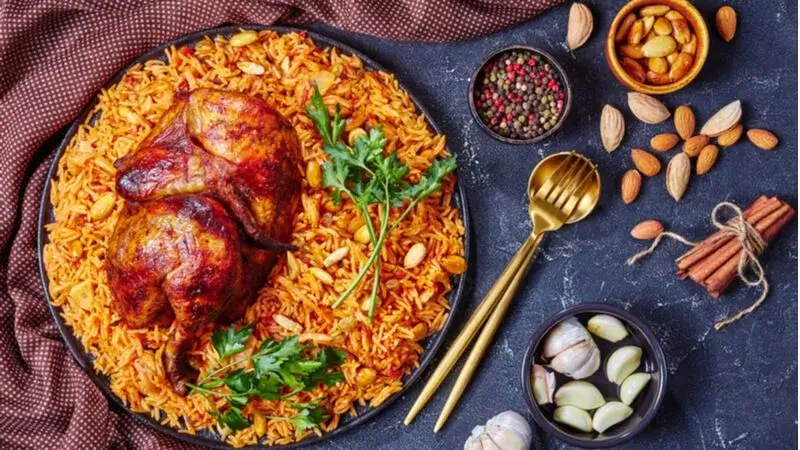
Saudi Arabia traditional food is deeply rooted in desert life, tribal heritage, Islamic values, and centuries of trade connections across Asia, Africa, and the Middle East. The cuisine reflects simplicity, generosity, and bold flavors built around rice, wheat, meat, milk, dates, and aromatic spices.
From large family platters of rice and lamb to sweet date-filled pastries served with Arabic coffee, traditional Saudi dishes are more than meals-they are expressions of hospitality and identity.
What Defines Traditional Food in Saudi Arabia?
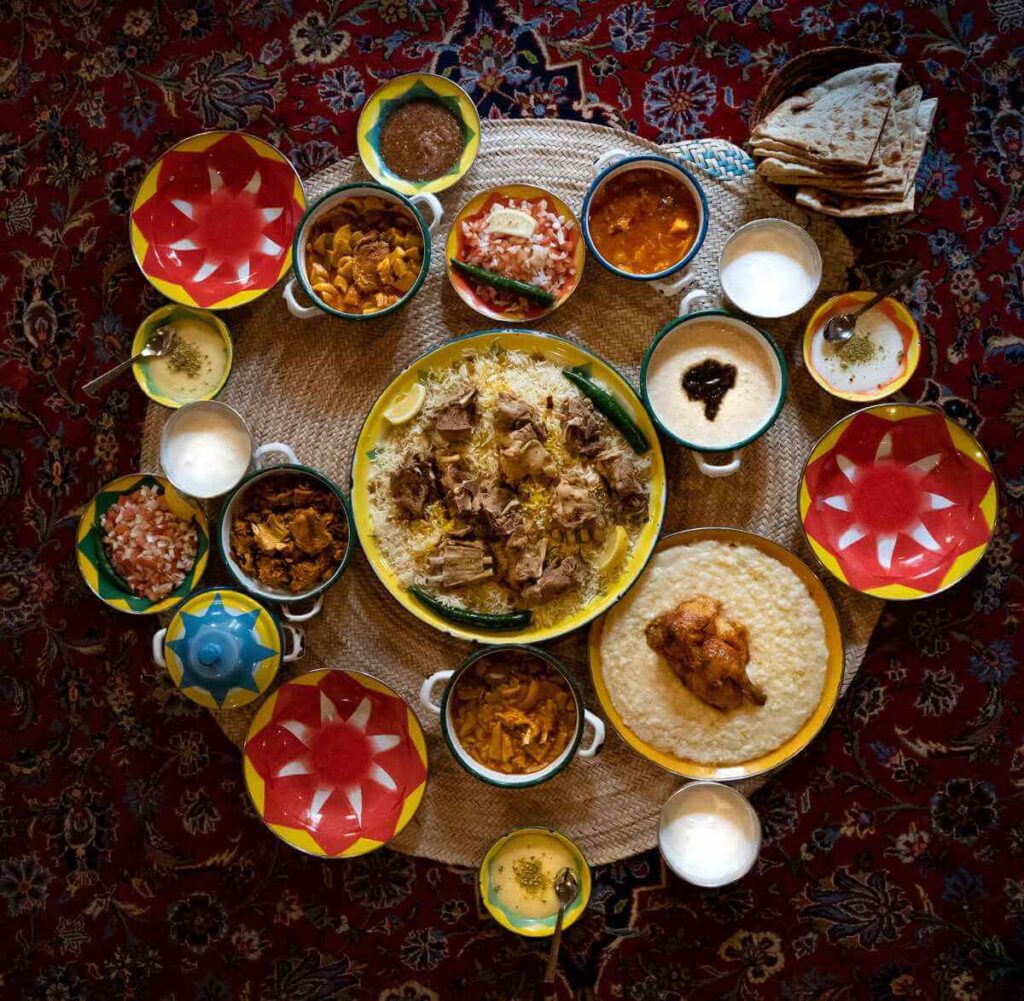
Bedouin Heritage and Desert Influence
Much of Saudi cuisine developed from Bedouin survival practices. Ingredients such as dried dates, wheat, rice, and preserved meats were practical for desert travel. Camels were essential for transport and nourishment, which made camel milk and meat historically significant.
Spices like black lime (loomi), cardamom, cloves, and cinnamon became staples due to historic trade routes connecting the Arabian Peninsula with India and Persia.
Islamic Dietary Laws and Halal Practices
Saudi cuisine strictly follows halal principles. Pork and alcohol are prohibited, and meat is prepared according to Islamic guidelines. This religious framework strongly shapes food culture throughout the Kingdom.
Hospitality and the Culture of Sharing
Hospitality-known as “karam”-is central to Saudi life. Meals are often served on large shared platters, and guests are always welcomed with dates and Arabic coffee. Refusing food can even be considered impolite in traditional settings.
Recommended: Top 10 Eid Dishes to Try in Saudi Arabia
Top 10 Saudi Arabia Traditional Food Dishes
1. Kabsa – The National Dish
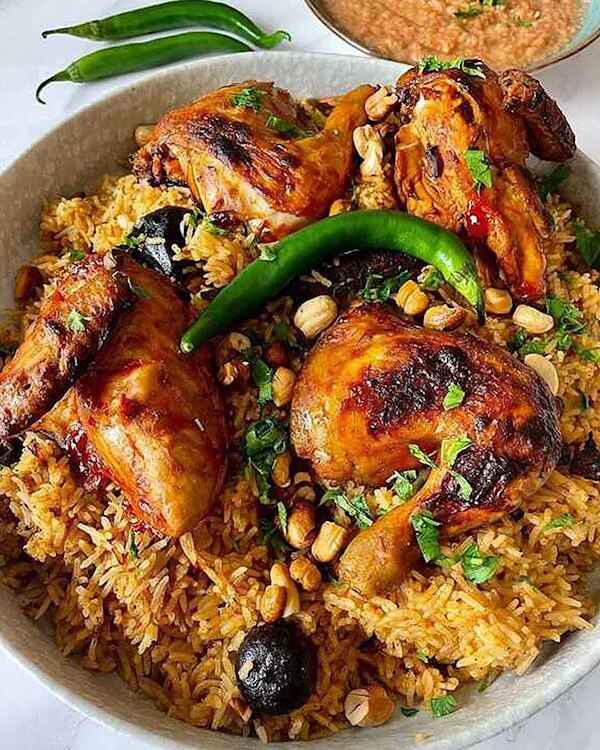
Kabsa is widely recognized as Saudi Arabia’s national dish. It consists of long-grain rice, typically basmati, cooked with tomatoes, black lime, saffron, cardamom, and cloves. The rice is topped with chicken, lamb, goat, or occasionally camel meat.
The dish is served on a large platter meant for sharing and is considered a centerpiece at family gatherings and celebrations.
2. Mandi and Haneeth – Slow-Roasted Specialties
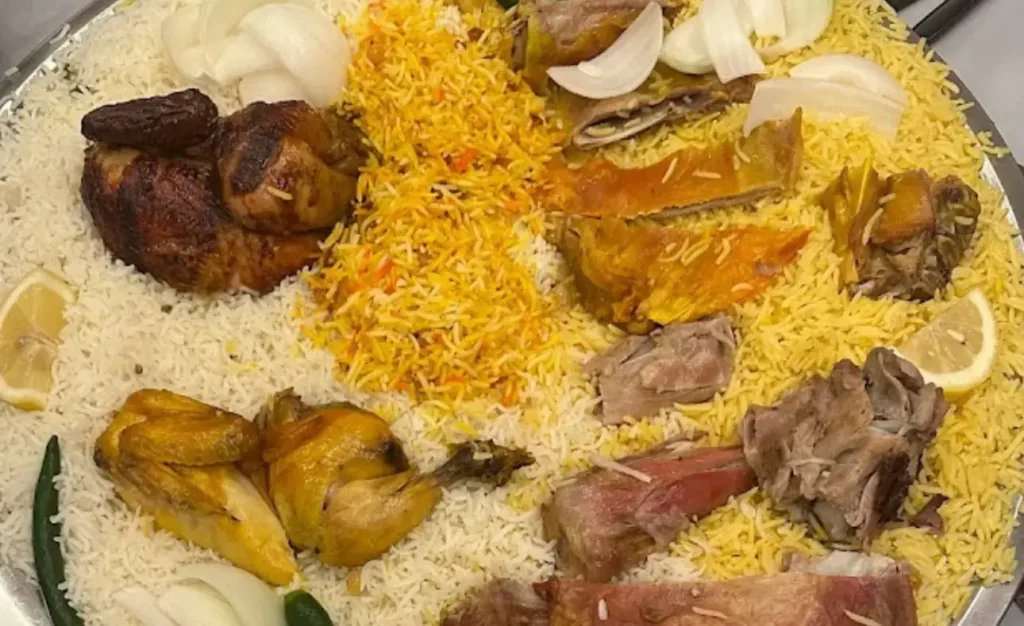
Popular in southern regions, especially near Abha and Asir, these dishes involve slow-cooking meat in underground ovens. The cooking method allows the juices to infuse the rice below, creating a smoky, tender flavor.
Mandi is lighter in spice, while Haneeth features deeply roasted, fall-apart lamb traditionally cooked with charcoal and aromatic leaves.
3. Jareesh – Crushed Wheat Classic
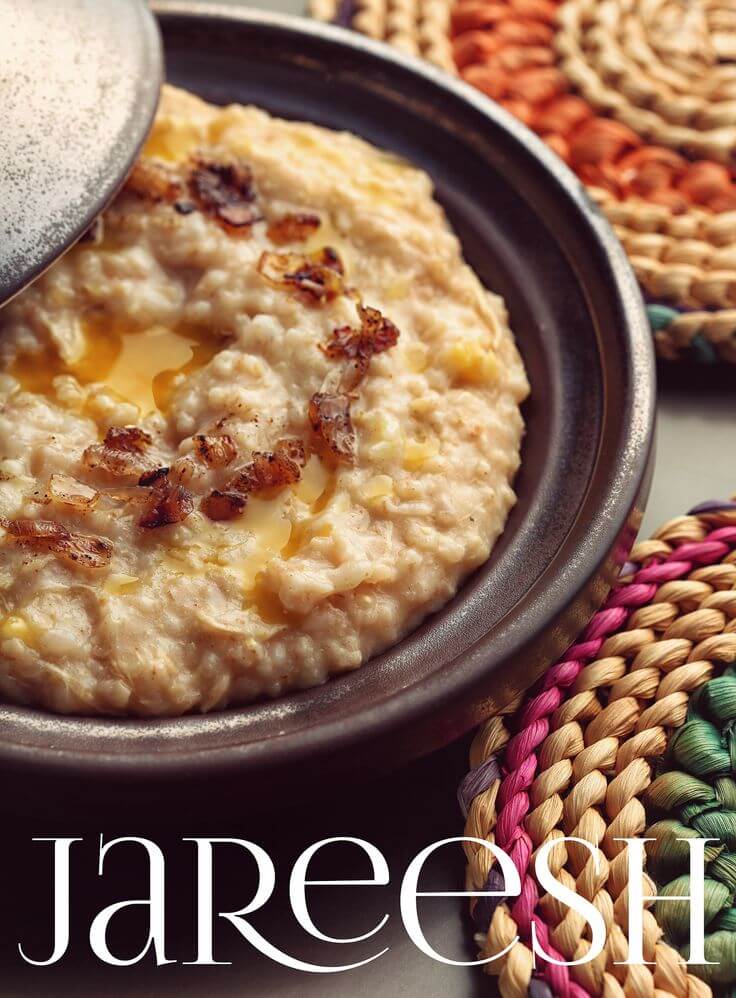
Jareesh is one of Saudi Arabia’s oldest dishes and was officially recognized as a national dish. It is made from crushed wheat simmered slowly with meat and yogurt until it reaches a creamy consistency. It is typically topped with ghee and caramelized onions.
4. Saleeg – Hejazi Comfort Food
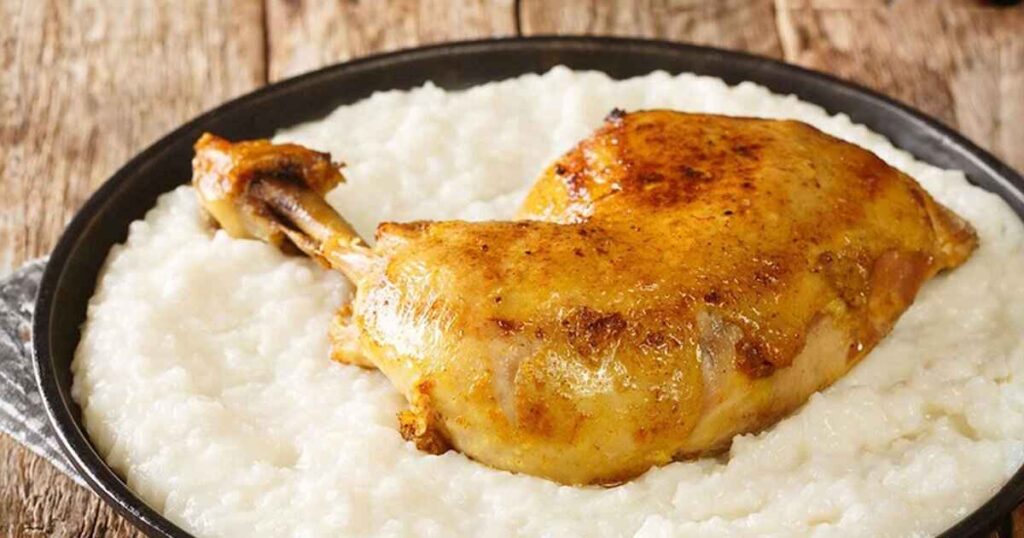
Originating in the Hijaz region (including Makkah and Madinah), Saleeg is a creamy rice dish cooked in broth and milk. It resembles risotto and is commonly served with roasted chicken and a tomato-based sauce called duggus.
5. Harees – Ramadan Favorite
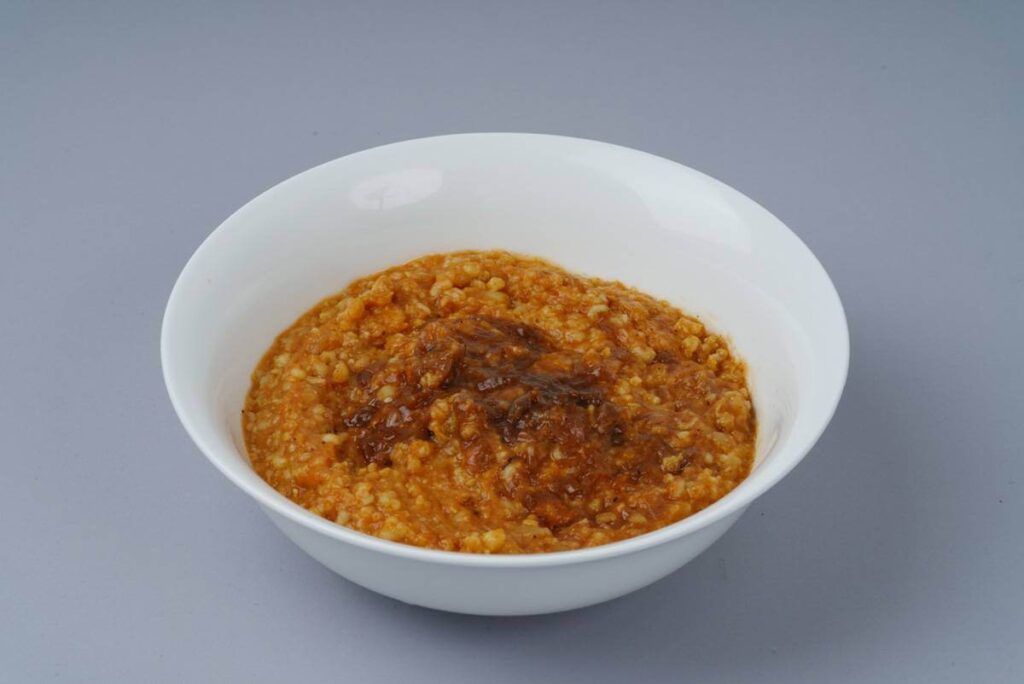
Harees combines coarse wheat and meat cooked together until smooth and thick. It is especially popular during Ramadan due to its nutritional value and comforting texture.
6. Mutabbaq – Street Food Staple
Mutabbaq is a folded, pan-fried pastry filled with minced meat, eggs, and green onions. It is widely available in local markets and is especially popular during evening hours.
7. Shawarma – Everyday Favorite
Though influenced by Ottoman cuisine, shawarma has become a daily staple across Saudi Arabia. Thin slices of marinated chicken or beef are shaved from a rotating spit and wrapped in flatbread with garlic sauce and pickles.
8. Najdi Temman – Central Region Specialty
This rice dish from the Najd region uses shorter-grain rice and bold spices like cumin and black pepper, usually served with lamb and vegetables.
9. Maamoul – Festive Sweet
Maamoul are shortbread cookies filled with dates, pistachios, or walnuts. They are especially popular during Eid and religious celebrations.
10. Luqaimat – Traditional Dessert
These small fried dough balls are crispy on the outside and soft inside, drizzled with date syrup or honey and sprinkled with sesame seeds. They are commonly served during Ramadan evenings.
Traditional Saudi Meals Throughout the Day
Breakfast is usually light, consisting of bread, cheese, dates, honey, and coffee. Some regions enjoy banana-based dishes like Masoub.
Lunch is the main meal of the day and often includes rice-based dishes such as Kabsa or Mandi.
Dinner is lighter and may include soup, salad, leftovers from lunch, or simple grilled meat dishes.
Famous Saudi Drinks
No discussion of Saudi Arabia traditional food is complete without mentioning Arabic coffee (Gahwa). Lightly roasted and flavored with cardamom and saffron, it is always served with dates.
Camel milk, fresh mango juice, orange juice, and different varieties of tea are also widely enjoyed.
Regional Food Differences in Saudi Arabia
The Najd region focuses on wheat-based dishes like Jareesh.
The Hijaz region features creamy rice dishes such as Saleeg and seafood along the Red Sea.
Southern areas specialize in underground slow-roasting techniques for Mandi and Haneeth.
Experiencing Saudi Food as a Visitor
To truly understand Saudi culture, tasting its traditional food is essential. Visitors traveling between Makkah, Madinah, Jeddah, or Riyadh can explore authentic local restaurants in each city.
If you are visiting for Umrah or tourism, arranging comfortable transport between holy sites and major cities allows you to experience both spiritual and culinary journeys. Our professional Umrah taxi and intercity transfer services ensure safe and convenient travel, so you can focus on discovering Saudi Arabia’s rich traditions-including its incredible food culture.
Conclusion
Saudi Arabia traditional food represents centuries of heritage, faith, trade, and hospitality. From the national pride of Kabsa to the sweetness of Luqaimat, each dish carries cultural meaning beyond taste. Whether you are a resident or a visitor, exploring Saudi cuisine offers a deeper understanding of the Kingdom’s identity and generosity.
FAQs
What is the most famous traditional food in Saudi Arabia?
Kabsa is widely regarded as the national and most famous dish of Saudi Arabia.
What are the staple ingredients in Saudi cuisine?
Rice, wheat, lamb, chicken, dates, yogurt, spices, and black lime are core ingredients.
Is Saudi food spicy?
Saudi dishes are aromatic rather than extremely spicy, relying on warm spices like cardamom and cinnamon.
What sweets are popular in Saudi Arabia?
Maamoul and Luqaimat are among the most popular traditional desserts.
Are all foods in Saudi Arabia halal?
Yes, all meat served in Saudi Arabia follows halal standards, and pork is prohibited.

Zeeshan is a professional driver and tour guide who has been living and driving in Saudi Arabia for the past 5 years. With deep knowledge of the roads, landmarks, and Ziyarat locations across Makkah, Madinah, Jeddah, and Taif, he helps pilgrims and travelers enjoy safe, smooth, and well-organized journeys. His experience in Umrah transport, city tours, and airport transfers makes him a trusted expert for visitors exploring Saudi Arabia.