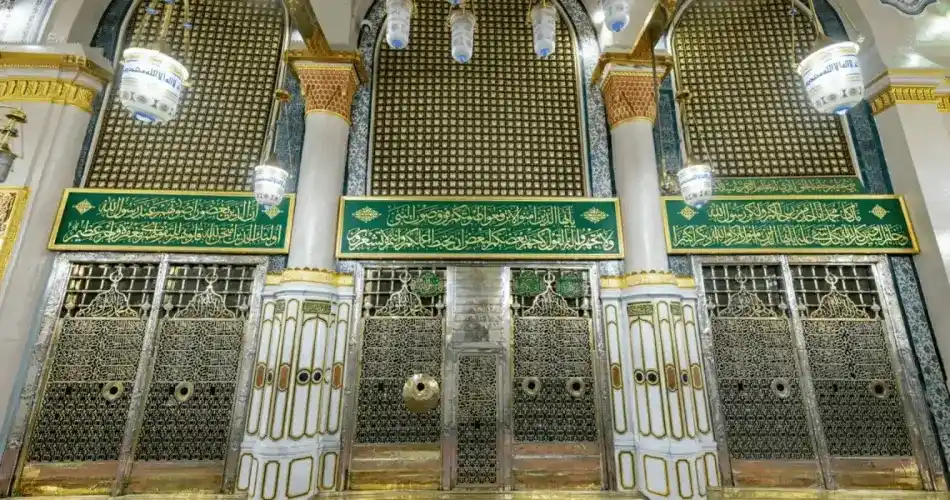



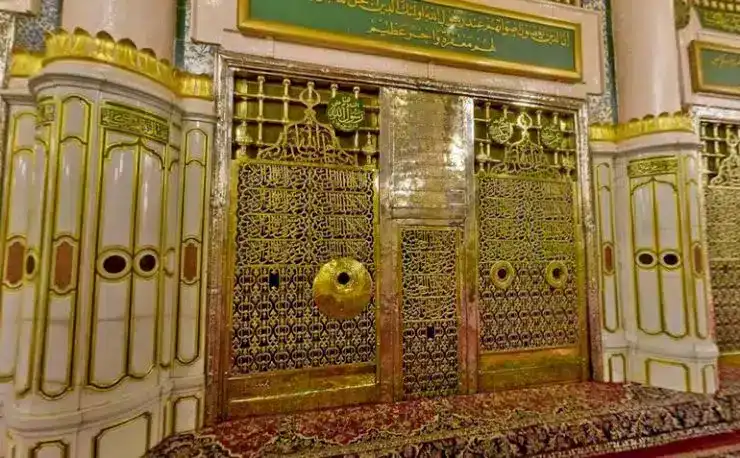
Visiting the Noble Rawdah (Al-Rawdah Al-Sharifah) inside Masjid an-Nabawi is among the most spiritually significant moments for pilgrims in Madinah. The Rawdah, also known as Riyāḍ al-Jannah, lies between the grave of Prophet Muhammad ﷺ and his pulpit, and is described in authentic hadith as a garden from Paradise.
Due to its limited space and immense demand, access to the Rawdah is strictly regulated. As of 2026, entry is only permitted through a digital Rawdah permit issued via the Nusuk app, the official Saudi government platform for pilgrims.
What Is the Rawdah and Why a Permit Is Required
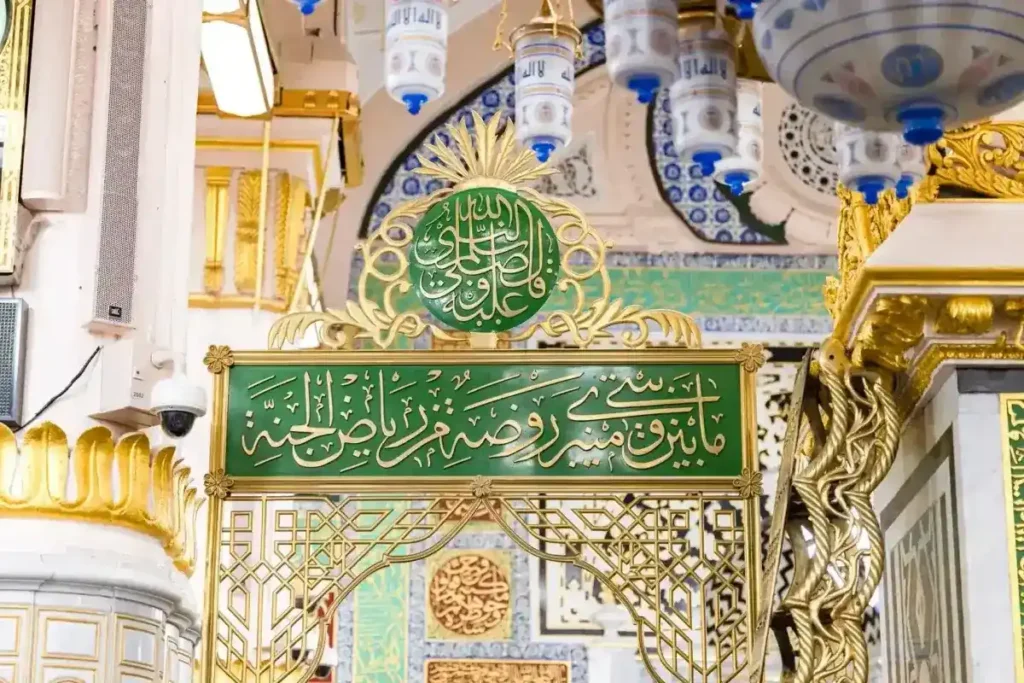
The Rawdah is not a separate mosque but a sacred section within the Prophet’s Mosque. Millions of visitors wish to pray there, making crowd control essential for safety, dignity, and worship quality. For this reason, Saudi authorities introduced a mandatory digital permit system, ensuring organized access without overcrowding.
Ordinary prayers anywhere else in Masjid an-Nabawi do not require a permit. The Rawdah, however, does.
Official Way to Get a Rawdah Permit in 2026
The Nusuk app is the only official and approved method to obtain a Rawdah permit.
Every visitor must hold:
- A valid passport
- A legal Saudi visa (Umrah, visit, or other permitted visa types)
- A confirmed time slot with QR code
Each individual requires a separate permit, and the permit is non-transferable.
Step-by-Step Guide to Booking Rawdah Permit via Nusuk
Registration and Account Verification
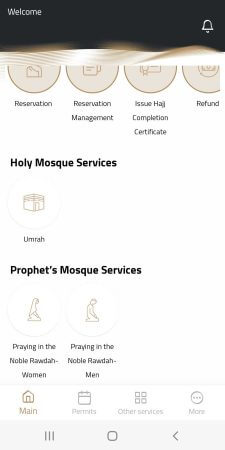
Begin by downloading the Nusuk app from Google Play or the Apple App Store. Registration requires real identification data, including passport number, visa details, nationality, and date of birth. This information is verified digitally and must match your travel documents.
Once registered, keep the same login throughout your journey, as permit access depends on account continuity.
Selecting the Rawdah Service
From the main menu, navigate to Prophet’s Mosque Services, then choose:
- Prayer in the Noble Rawdah – Men
- Prayer in the Noble Rawdah – Women
Men and women have different entry timings and gates, managed separately for crowd flow.
Choosing Date and Time Slot
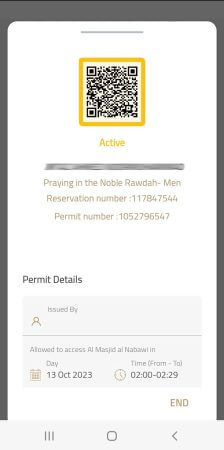
Available dates appear in green on the calendar. Time slots are released in batches and can fill within seconds during peak seasons. Women’s slots often appear in early morning or late evening, while men’s slots may extend from late night until after Fajr and throughout the day, excluding high-density periods such as Friday prayer hours.
Confirming and Saving the Permit
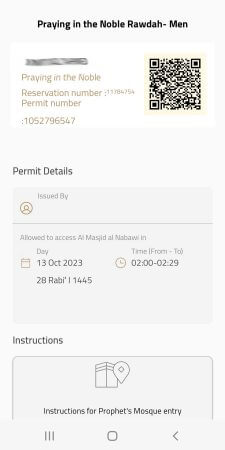
After selecting a slot, confirm the booking and accept the instructions. A QR code permit is generated instantly. It is strongly advised to save a screenshot and ensure your phone battery remains charged on the day of entry.
Rawdah Permit Rules, Timing, and Updates (2026)
In previous years, pilgrims were limited to one Rawdah visit every 365 days. By 2026, this rule has been partially relaxed through the Instant Track feature. If you are physically present in Madinah and GPS is enabled, the system may allow additional bookings when slots open.
Availability remains highly competitive. New slots often appear every 20–30 minutes, and checking frequently improves success.
Missing your allocated time may restrict future bookings, so punctuality is critical.
Rawdah Entry Day – Gates, Security & Inside Experience
Arrive 45 to 60 minutes before your scheduled slot, especially during busy periods. Security staff scan the QR code and verify timing, identity, and location.
Men typically enter from northern Rawdah gates, while women use dedicated ladies’ entrances as indicated in Nusuk. Always follow the gate mentioned in your permit, as gates may change.
Inside the Rawdah, the stay is brief – usually 10 to 15 minutes. Pilgrims are guided respectfully to pray two rak‘ahs and make du‘ā’ without crowding or delay.
Managing or Cancelling a Rawdah Permit
If you cannot attend, cancel the permit directly in the Nusuk app. Cancellation allows others to benefit and may restore your eligibility to book again, subject to current rules. Modifications are not permitted; a cancelled slot must be rebooked separately.
Common Problems and Practical Solutions
If no slots appear, it often means the system has not refreshed. Persistent checking is essential. Location services must remain enabled, especially for Instant Track bookings. In rare cases, pilgrims have successfully accessed booking through Tawakkalna, but Nusuk remains the primary platform.
Travel Planning for Rawdah Visit in Madinah
Reaching the Prophet’s Mosque on time is just as important as securing the permit. Many pilgrims miss their Rawdah slot due to transport delays or unfamiliar routes.
Using a reliable Umrah-friendly taxi service ensures punctual arrival, especially during Fajr or late-night Rawdah timings. Al Maqam Transport provides dedicated Umrah, Madinah ziyarat, and Rawdah visit taxi services, offering experienced drivers who understand mosque gates, prayer schedules, and peak traffic times. This makes the entire Rawdah experience calmer, focused, and stress-free.
FAQs
How do I get a Rawdah permit?
Through the Nusuk app only, by booking an available time slot.
Can I visit Rawdah without Nusuk?
No. Entry without a valid digital permit is not allowed.
Which app is used to book Rawdah?
Nusuk is the official and primary app.
How many times can I book Rawdah?
Usually once per year, though Instant Track may allow more if conditions are met.
Are children allowed in Rawdah?
Each child typically requires an individual permit, depending on age guidelines at the time of booking.
Conclusion
The Rawdah permit system exists to preserve the sanctity, safety, and spiritual atmosphere of one of Islam’s most sacred spaces. By understanding how the Nusuk Rawdah permit works in 2026—its rules, timings, and booking patterns—pilgrims can plan confidently and avoid unnecessary stress. Combined with proper preparation and reliable transport support, visiting the Noble Rawdah becomes a deeply fulfilling and memorable part of the Madinah journey.

Zeeshan is a professional driver and tour guide who has been living and driving in Saudi Arabia for the past 5 years. With deep knowledge of the roads, landmarks, and Ziyarat locations across Makkah, Madinah, Jeddah, and Taif, he helps pilgrims and travelers enjoy safe, smooth, and well-organized journeys. His experience in Umrah transport, city tours, and airport transfers makes him a trusted expert for visitors exploring Saudi Arabia.