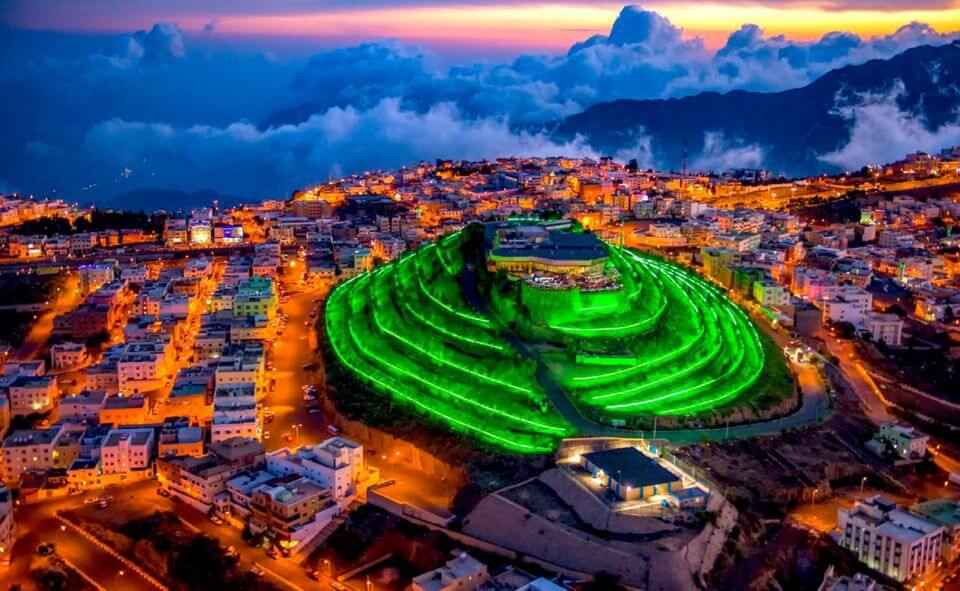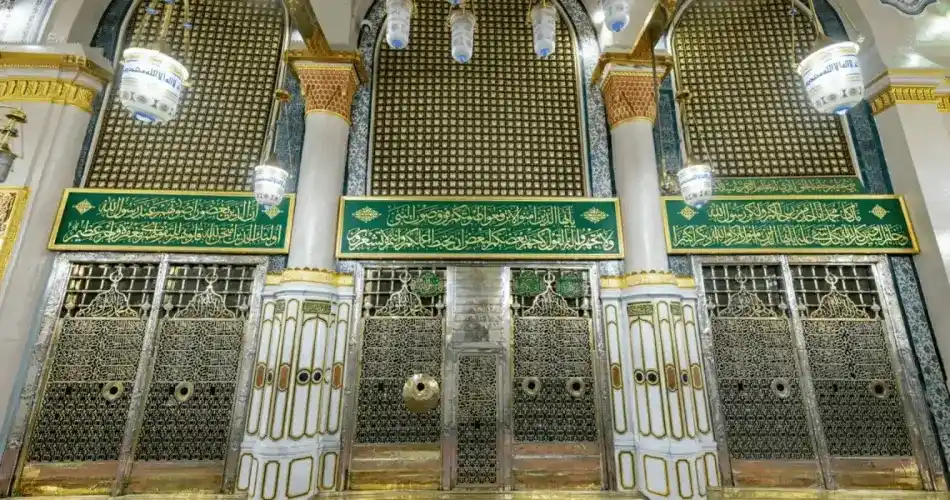



Taif is one of the most meaningful cities in Saudi Arabia, combining deep Islamic history, mountain landscapes, and a climate unlike most of the Arabian Peninsula. Located on the slopes of the Hijaz Mountains at nearly 1,900 meters above sea level, Taif has long served as a spiritual crossroads between Makkah and the wider regions of Najd and the eastern Arabian lands.
For pilgrims, Taif is not just a scenic retreat-it is a place of reflection, patience, and mercy deeply connected to the life of Prophet Muhammad ﷺ. For travelers, it is also known as the “City of Roses,” a summer capital, and a center of agriculture, culture, and heritage.
Why Taif Holds a Unique Place in Islamic and Saudi History

Taif was known historically as Wajj, named after its fertile valley. Long before Islam, it was a prosperous agricultural center protected by walls built by the tribe of Banu Thaqif. In the early 7th century, the Prophet Muhammad ﷺ visited Taif to invite its people to Islam. That journey, marked by hardship, rejection, and ultimately divine mercy, made Taif one of the most emotionally powerful locations in Islamic history.
Later, Taif became part of the Islamic state, passed through Ottoman rule, and eventually played a role in the formation of modern Saudi Arabia. Its cooler climate, fertile soil, and strategic location led it to become the unofficial summer capital of the Kingdom.
Major Ziyarat and Islamic Sites in Taif
Masjid Abdullah ibn Abbas (RA)
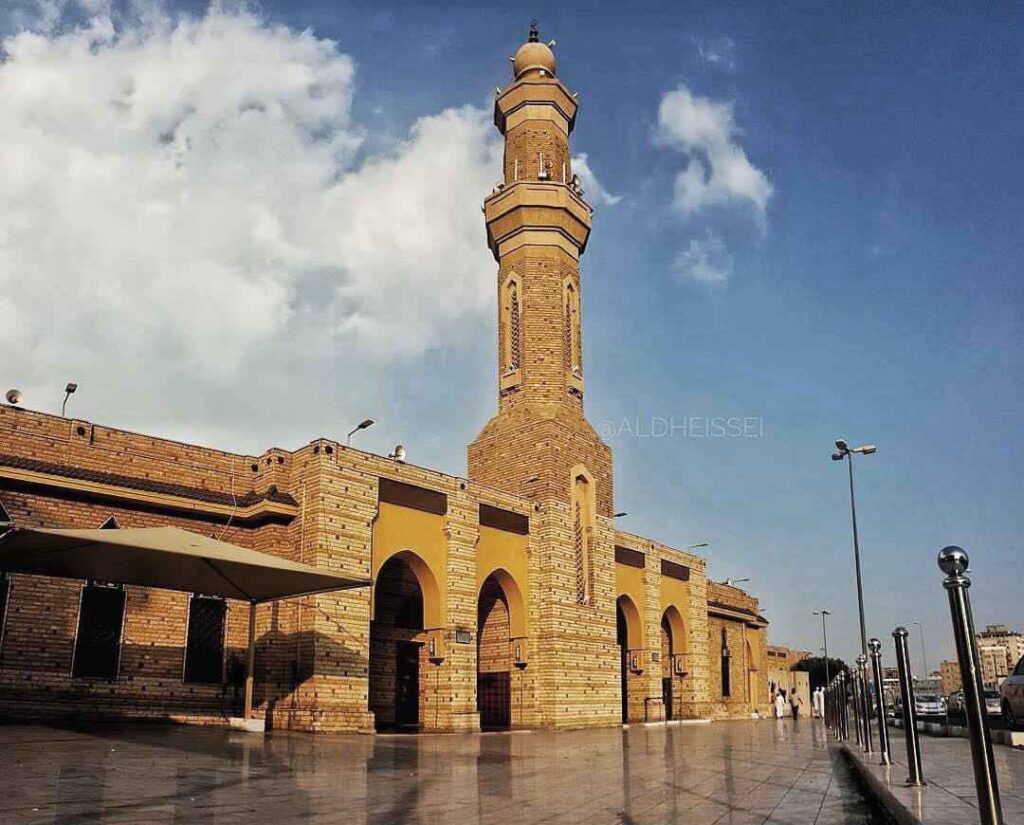
Located in the heart of Taif, Masjid Abdullah ibn Abbas is the most important Islamic landmark in the city. It is named after Abdullah ibn Abbas (RA), the cousin of the Prophet ﷺ and one of the greatest scholars of Qur’anic interpretation in Islamic history. His grave is located adjacent to the mosque, making it a major ziyarat site.
The mosque has served for centuries as a place of prayer, learning, and reflection, symbolizing Taif’s role in preserving Islamic scholarship.
Masjid Addas
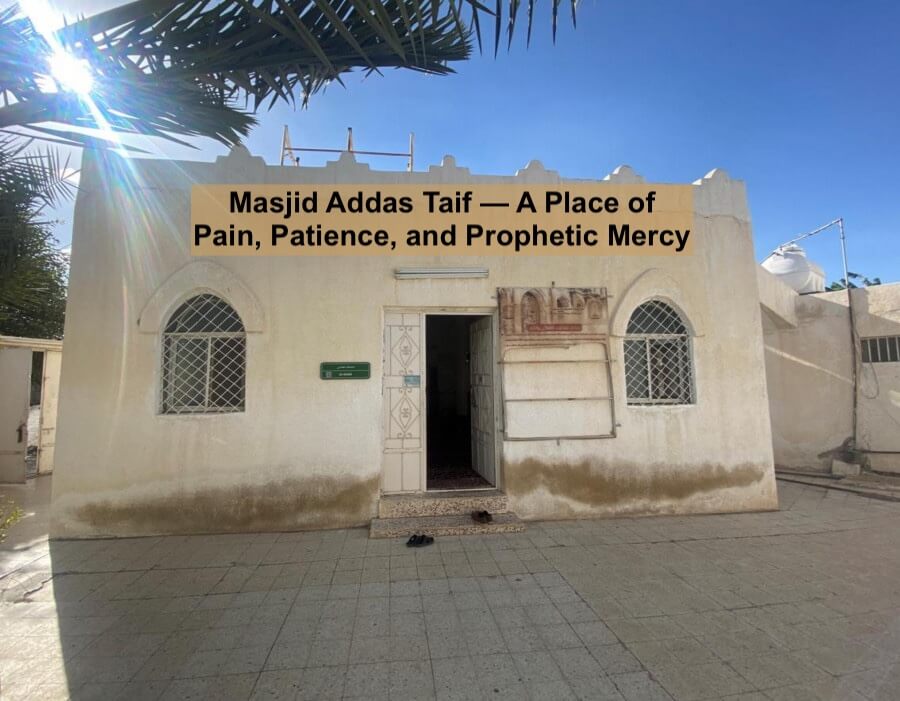
Masjid Addas marks one of the most touching moments in the Seerah. After being injured and rejected by the people of Taif, the Prophet ﷺ took refuge in an orchard where a young Christian servant named Addas offered him grapes. When the Prophet ﷺ said “Bismillah” and spoke of Prophet Yunus عليه السلام, Addas recognized the truth and accepted Islam.
This small mosque in the Al-Mathnah area stands as a symbol of compassion, interfaith dialogue, and mercy during one of the Prophet’s ﷺ most difficult days.
Masjid Al-Kou (Al-Kou’ Mosque)
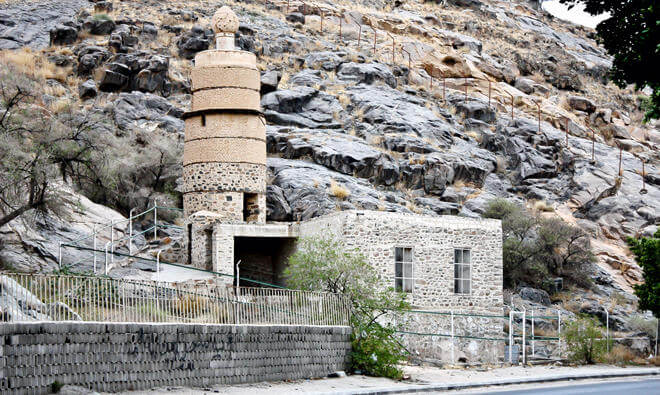
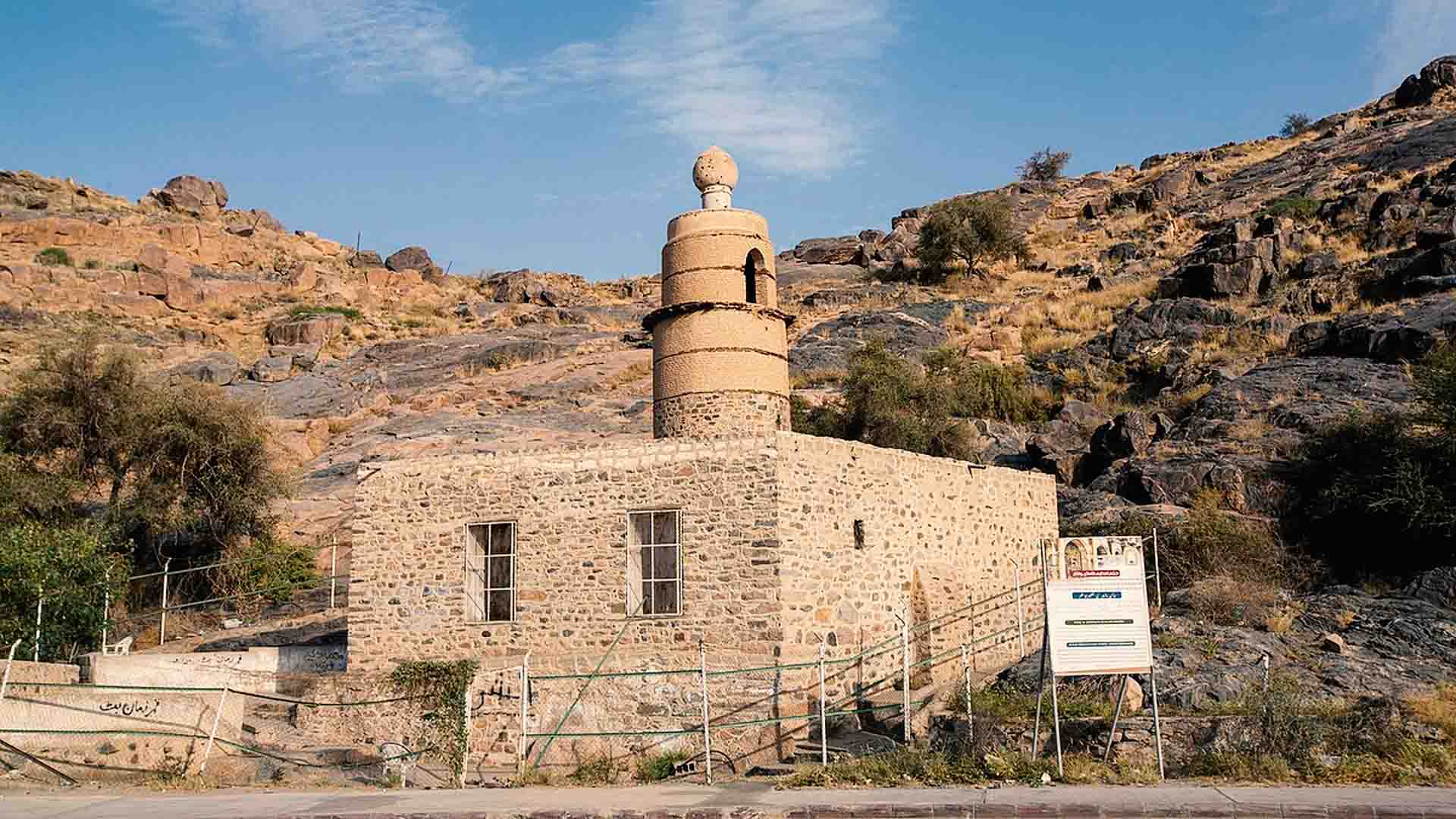
Masjid Al-Kou is traditionally associated with the moment when the Prophet ﷺ rested during his time in Taif. The word Al-Kou refers to the elbow, as local tradition holds that he leaned against a stone at this location. The mosque is modest in size but deeply spiritual, offering visitors a quiet place for reflection.
Masjid Al-Madhoun (Al-Qantara Mosque)
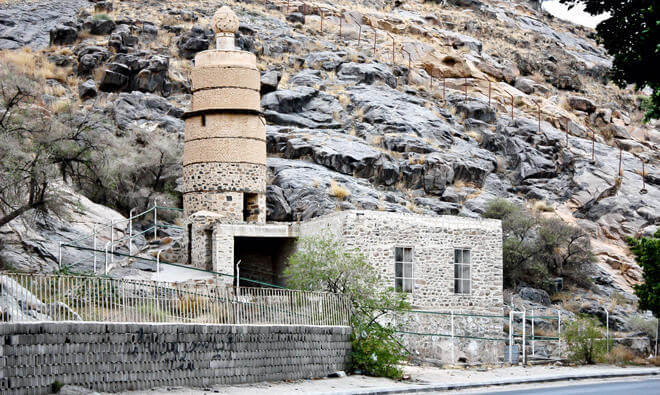
Also known as Masjid Al-Madhoun, this historic mosque features Ottoman-era construction influenced by Abbasid architectural elements. It is located near the orchard area where the Prophet ﷺ rested after leaving Taif. Despite some popular misconceptions, authentic historical sources confirm that the Prophet ﷺ was accompanied by Zaid ibn Haritha (RA), not Ali ibn Abi Talib (RA), during this journey.
Wadi Mitna (Al-Mithannah)
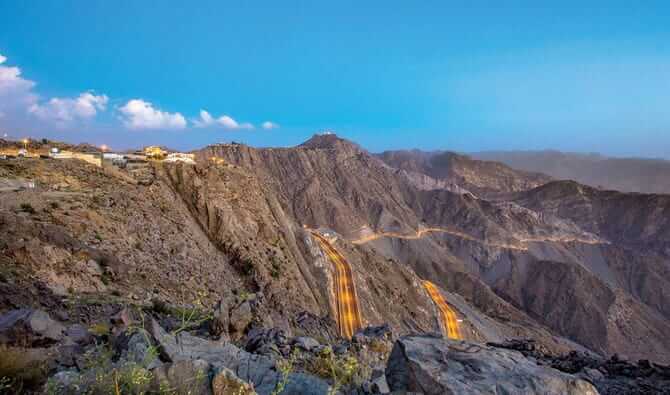
Wadi Mitna is one of the most emotionally significant valleys in Taif. It is believed to be the area where the Prophet ﷺ endured stoning and rejection, then raised his famous du‘a asking Allah to guide the people rather than punish them. Today, the valley’s calm environment contrasts deeply with its history, encouraging visitors to reflect on patience, forgiveness, and reliance on Allah.
Wadi Waj
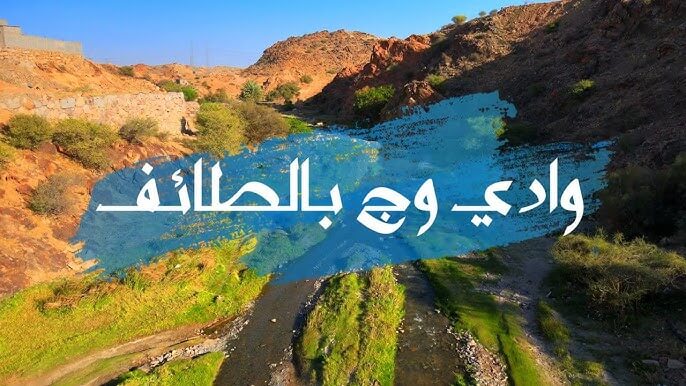
Wadi Waj is historically linked to Taif’s earlier name and is associated with moments of refuge during the Prophet’s ﷺ visit. Flowing water, greenery, and surrounding hills make it a peaceful stop for contemplation, especially for those retracing the Prophet’s ﷺ path.
Bani Saad Village & Wadi Haleema
Located outside the city center, Bani Saad is the region where the Prophet ﷺ spent his early childhood under the care of his foster mother Halima Sa‘diyyah (RA). Nearby sites such as Wadi Haleema and the old graveyard offer insight into the rural life of Arabia during that time. Many pilgrims consider this visit essential to understanding the Prophet’s ﷺ upbringing.
Miqat Sites Around Taif for Umrah and Hajj
Miqat Qarn al-Manazil (Al-Sail Al-Kabir / Wadi Muharram)
This miqat was designated by the Prophet ﷺ for pilgrims coming from Najd and eastern regions. Today, it serves travelers from the UAE, Oman, Pakistan, Malaysia, and Australia. The facility is spacious, clean, and well-organized, allowing pilgrims to comfortably enter the state of Ihram before continuing to Makkah.
Historical & Cultural Landmarks in Taif
Shubra Palace
Shubra Palace is one of Taif’s most iconic heritage buildings. Built in the early 20th century, it blends Roman, Islamic, and traditional Hijazi architecture. It later served as a royal residence and government center and now functions as a museum showcasing Taif’s political and cultural evolution.
Old Taif Streets and Traditional Markets
Walking through Taif’s older neighborhoods and market areas offers a glimpse into how the city looked during earlier Islamic centuries. These areas reflect Taif’s role as a trading, agricultural, and social center of the Hejaz.
Natural Attractions and Mountain Resorts
Al Hada Mountain
Al Hada is famous for its winding mountain road connecting Taif to Makkah and the Taif Cable Car, one of the longest in the region. The views overlook dramatic valleys and connect to the Al Kar tourist village below.
Al Shafa Mountain
At elevations reaching over 2,500 meters, Al Shafa is the highest area in the region. It is known for cool temperatures, fruit farms, and panoramic views. Many visitors prefer Al Shafa for its quieter atmosphere and agricultural landscapes.
Taif Rose and Fruit Farms
Taif is world-renowned for its Taif roses, used in luxury perfumes and attar production. Rose farms and distilleries, along with strawberry, grape, fig, and pomegranate farms, reflect Taif’s agricultural heritage and are best visited during harvest seasons.
Visiting Taif from Makkah or Jeddah – Travel Planning
Most visitors reach Taif from Makkah via the Al Hada Road or from Jeddah through mountain highways. Due to multiple ziyarat stops spread across the city and surrounding valleys, private transport is the most practical option.
For pilgrims performing Umrah or visiting Taif as part of a religious journey, using a reliable Umrah and intercity taxi service allows flexible scheduling, respectful stops at ziyarat locations, and comfortable travel through mountain terrain. Many visitors choose dedicated Makkah-to-Taif taxi services to complete a half-day or full-day ziyarat itinerary without rushing.
Practical Tips for a Meaningful Taif Visit
Taif’s climate is cooler than most Saudi cities, but mornings and evenings are ideal for ziyarat. Respect mosque etiquette, check visiting hours for smaller historical mosques, and plan valley visits during daylight. Combining religious sites with natural attractions creates a balanced and enriching experience.
Conclusion
Taif is far more than a scenic mountain city. It is a place where Islamic history, prophetic patience, natural beauty, and Saudi heritage intersect. From Masjid Abdullah ibn Abbas and Masjid Addas to Wadi Mitna, Bani Saad, and the high peaks of Al Hada and Al Shafa, Taif offers visitors spiritual depth alongside natural serenity.
Whether you are visiting Taif as part of your Umrah journey, a historical ziyarat, or a cultural retreat, careful planning and comfortable transport can transform your visit into a truly meaningful experience—one that reflects the mercy, resilience, and beauty embedded in the story of this remarkable city.

Zeeshan is a professional driver and tour guide who has been living and driving in Saudi Arabia for the past 5 years. With deep knowledge of the roads, landmarks, and Ziyarat locations across Makkah, Madinah, Jeddah, and Taif, he helps pilgrims and travelers enjoy safe, smooth, and well-organized journeys. His experience in Umrah transport, city tours, and airport transfers makes him a trusted expert for visitors exploring Saudi Arabia.