


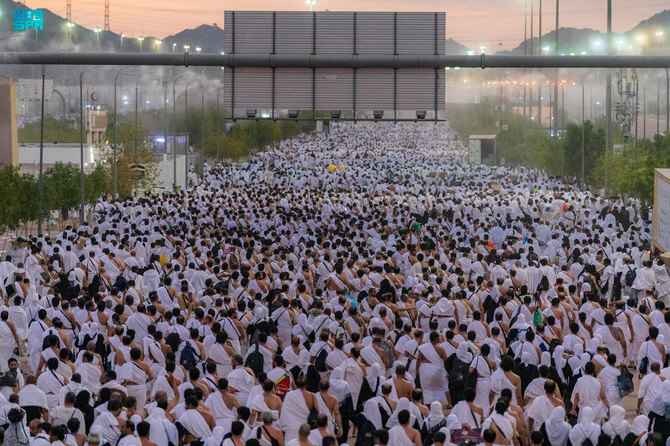
Muzdalifah is a sacred open plain in Saudi Arabia situated between Arafat and Mina, and it plays a central role in the rites of Hajj. Every pilgrim performing Hajj must stop at Muzdalifah on the night between the 9th and 10th of Dhul Hijjah, making it one of the defining stations of the pilgrimage. This stay is not symbolic alone; it is a wajib (obligatory) act according to the majority of Islamic scholars, directly connected to both Quranic instruction and the Sunnah of the Prophet Muhammad ﷺ.
What Is Muzdalifah and Why Is It Important in Hajj?
Muzdalifah covers an area of approximately 9–10 square kilometers and lies directly on the Hajj route after Arafat. It is also known as al-Mash‘ar al-Haram, a name explicitly mentioned in the Quran:
“But when you depart from Arafat, remember Allah at al-Mash‘ar al-Haram.”
(Surah Al-Baqarah 2:198)
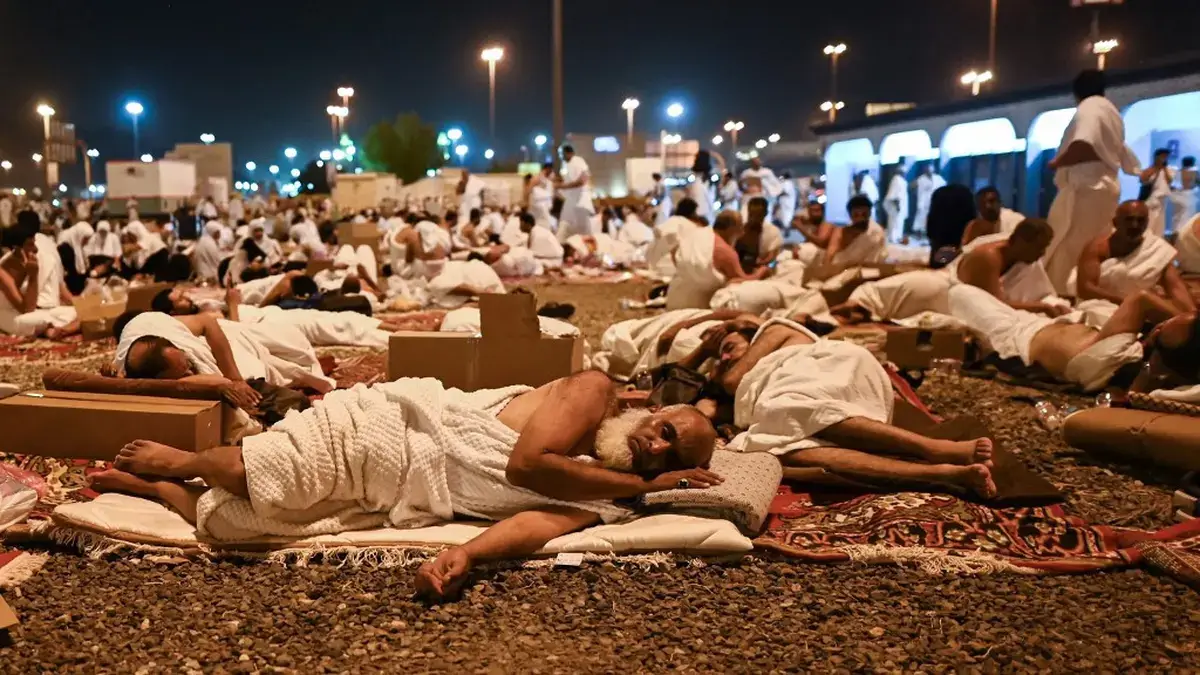
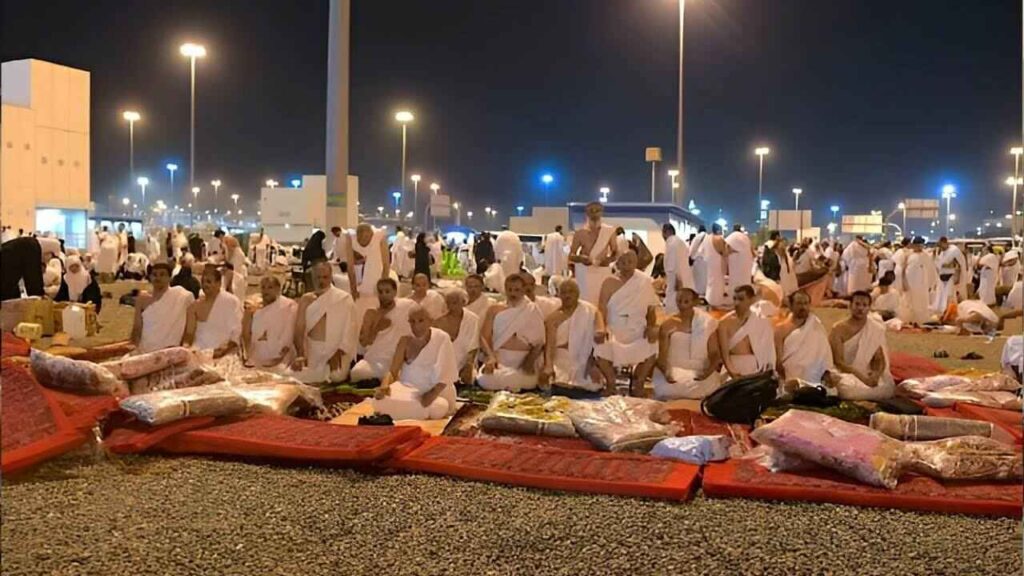
This verse establishes Muzdalifah as a place of remembrance, reflection, and obedience. Spiritually, it represents a transition from the intense supplication of Arafat to the physically demanding rites in Mina. Socially, Muzdalifah reflects absolute equality – millions of pilgrims sleeping under the open sky, dressed only in ihram, without distinction of status or nationality.
When Do Pilgrims Go to Muzdalifah?
Pilgrims leave Arafat after sunset on the 9th of Dhul Hijjah. Importantly, Maghrib prayer is not performed in Arafat or on the way, but delayed until reaching Muzdalifah. With the setting of the sun, the Islamic date transitions, and the night of 10th Dhul Hijjah (Eid al-Adha) begins in Muzdalifah.
Obligatory and Sunnah Acts in Muzdalifah
Combining Maghrib and Isha Prayers
Upon arrival, pilgrims perform one adhan, then pray Maghrib (3 rak‘ahs) followed immediately by Isha (2 rak‘ahs, shortened). No voluntary prayers are offered between them. This method follows the direct practice of the Prophet ﷺ and is known as jam‘ al-ta’khir with qasr.
Spending the Night (Mabit)
Remaining in Muzdalifah for at least part of the night is a wajib act of Hajj. Pilgrims typically rest on the ground under the open sky, either sleeping or engaging in dhikr. The Prophet ﷺ himself rested during this night, demonstrating that physical rest is part of the Sunnah.
Collecting Pebbles for Rami al-Jamarat
Muzdalifah is the most convenient place to collect pebbles for the stoning of the Jamarat in Mina. Pebbles should be small – about the size of a chickpea. Most pilgrims collect 49 to 70 pebbles, allowing for all days of Rami and extras in case some are lost.
Fajr Prayer and Wuquf
Fajr prayer is performed early, while it is still dark. After Fajr, pilgrims perform wuquf in Muzdalifah, standing or sitting while facing the qiblah and making heartfelt du‘a. Even a short moment of wuquf fulfills the Sunnah, but remaining until daylight increases spiritual reward.
Who Is Allowed to Leave Muzdalifah Early?
Islam provides mercy and flexibility. Women, the elderly, the sick, children, and those with genuine difficulty are permitted to leave Muzdalifah after half the night has passed, before Fajr. This concession was explicitly granted by the Prophet ﷺ to avoid overcrowding and hardship at Jamarat.
Facilities, Safety, and Practical Guidance
Muzdalifah has no tents or permanent accommodation, but modern Hajj management provides lighting, water points, toilets, and mobile medical units. Boundaries are clearly marked with official signage. Pilgrims are advised to remain with their groups, carry a flashlight, keep phones charged, and secure personal documents.
Sleeping mats, light blankets, and small bags are recommended. Toilets can become crowded, so using facilities before leaving Arafat is wise.
The Prophet ﷺ in Muzdalifah
The Prophet Muhammad ﷺ prayed Maghrib and Isha together, slept until dawn, performed Fajr early, and stood at Mount Quzah near Masjid al-Mash‘ar al-Haram, making du‘a until the sky brightened. He emphasized moderation, warned against extremism during pebble throwing, and showed compassion by allowing concessions for the weak.
His departure from Muzdalifah before sunrise intentionally differed from pre-Islamic practices, reinforcing the distinct identity of Islamic Hajj rituals.
Moving from Muzdalifah to Mina
Pilgrims proceed to Mina shortly before sunrise, reciting Talbiyah along the way. Passing through Wadi Muhassir should be done quickly, following the Sunnah. From Mina, pilgrims perform Rami of Jamrat al-Aqabah, followed by sacrifice and other Eid rites.
Transport, Umrah & Pilgrim Mobility Support
Given the physical demands of Hajj, reliable transportation is essential – especially for families, elderly pilgrims, and Umrah visitors outside the Hajj season. Many pilgrims prefer private Hajj, Umrah, and inter-city taxi services to move comfortably between Makkah, Mina, Muzdalifah, Madinah, and Jeddah. Professionally managed transport services help ensure timely arrivals, reduced fatigue, and peace of mind throughout the pilgrimage journey.
FAQs
Is staying overnight in Muzdalifah mandatory?
Yes, spending at least part of the night is wajib for most pilgrims.
Can pebbles be collected outside Muzdalifah?
Yes, but Muzdalifah is the most convenient and Sunnah-based location.
Can Fajr be prayed later?
It is Sunnah to pray Fajr at the earliest time in Muzdalifah.
Is Masjid al-Mash‘ar al-Haram obligatory to visit?
No, but making du‘a near it follows the Prophet’s ﷺ practice.
Conclusion
Muzdalifah is far more than a stopover in Hajj – it is a divinely designated station of remembrance, humility, and preparation. Between the solemn prayers, the quiet night under the sky, and the powerful supplications after Fajr, Muzdalifah bridges the spiritual climax of Arafat with the action-filled rites of Mina. Understanding its rulings, wisdom, and Sunnah ensures not only the validity of Hajj but also a deeper connection to its meaning. When observed with knowledge, patience, and sincerity, Muzdalifah becomes one of the most transformative moments of the entire pilgrimage.
References
↑1: Malik, Hadith No. 175.
↑2: Al-Bukhari, Hadith No. 139; Muslim, Hadith No. 1280; Ahmad, Hadith No. 21814.
↑3: Muslim, Hadith No. 1288; al-Nasa’i, Hadith No. 657.
↑4: Al-Bukhari, Hadith No. 139;
↑5: Al-Bukhari, Hadith No. 1675 & 1683.
↑6: Al-Bukhari, Hadith No. 1681; Muslim, Hadith No. 1290.
↑7: Al-Bukhari, Hadith No. 1677, 1678 & 1856; Muslim, Hadith No. 1293 & 1294; al-Tirmidhi, Hadith No. 892.
↑8: Al-Bukhari, Hadith No. 1679; Muslim, Hadith No. 1291.
↑9: Al-Bukhari, Hadith No. 1682; al-Nasa’i, Hadith No. 3038.
↑10: Ibn Majah, Hadith No. 3013.
↑11: Abu Dawud, Hadith No. 1950; al-Nasa’i Hadith No. 3041; al-Tirmidhi Hadith No. 891; Ahmad, Hadith No. 16208.
↑12: Al-Bukhari, Hadith No. 1684; al-Tirmidhi, Hadith No. 896; Ibn Majah, Hadith No. 3022.
↑13: Muslim, Hadith No. 1218.
↑14: Al-Nasa’i, Hadith No. 2643.
↑15: Muslim, Hadith No. 1218; al-Bayhaqi, Sunan, vol. 5, p. 126.
↑16: Al-Nasa’i, Hadith No. 3052, 3057 & 3058; Ibn Majah, Hadith No. 3029; Ahmad, Hadith No. 1794, 1821, 1851 & 3248; Ibn Khuzaymah, Hadith No. 2873.

Zeeshan is a professional driver and tour guide who has been living and driving in Saudi Arabia for the past 5 years. With deep knowledge of the roads, landmarks, and Ziyarat locations across Makkah, Madinah, Jeddah, and Taif, he helps pilgrims and travelers enjoy safe, smooth, and well-organized journeys. His experience in Umrah transport, city tours, and airport transfers makes him a trusted expert for visitors exploring Saudi Arabia.