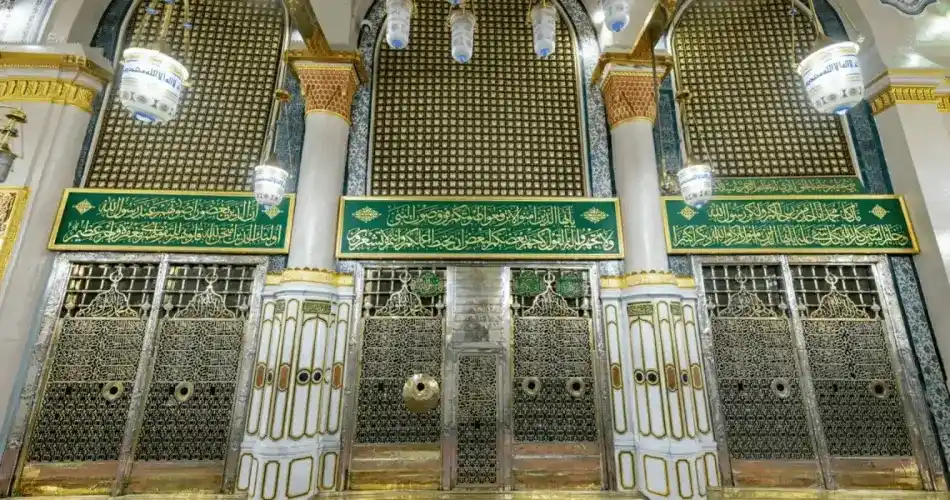



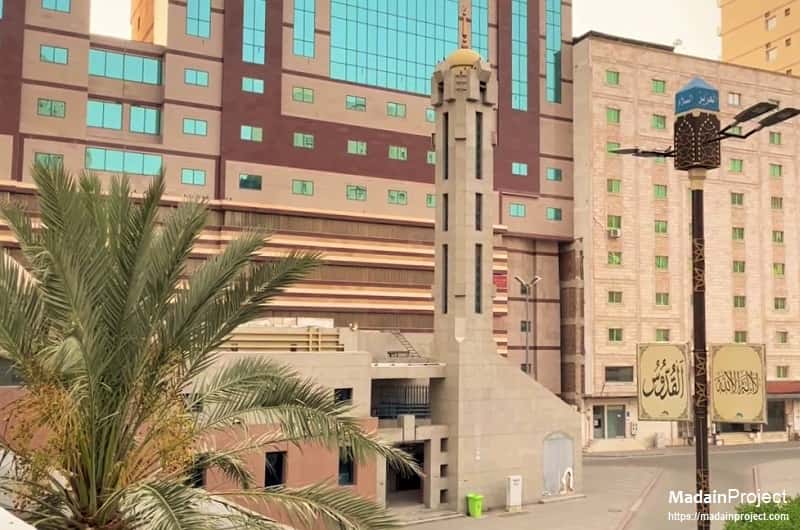
Masjid e Jinn, also known as Masjid al-Jinn, is one of the most historically significant mosques in Mecca. It marks the place where Prophet Muhammad ﷺ recited the Quran to a group of jinn, who listened attentively and embraced Islam. This extraordinary event is referenced in Surah al-Jinn, making the mosque a site of deep spiritual meaning for Muslims visiting Makkah.
Located close to Masjid al-Haram and adjacent to the historic Jannatul Mualla cemetery, Masjid e Jinn stands as a reminder that the message of Islam was sent to both humankind and the unseen creation. For pilgrims performing Umrah or Hajj, visiting this mosque adds historical depth and reflection to their journey.
Historical and Religious Significance of Masjid e Jinn
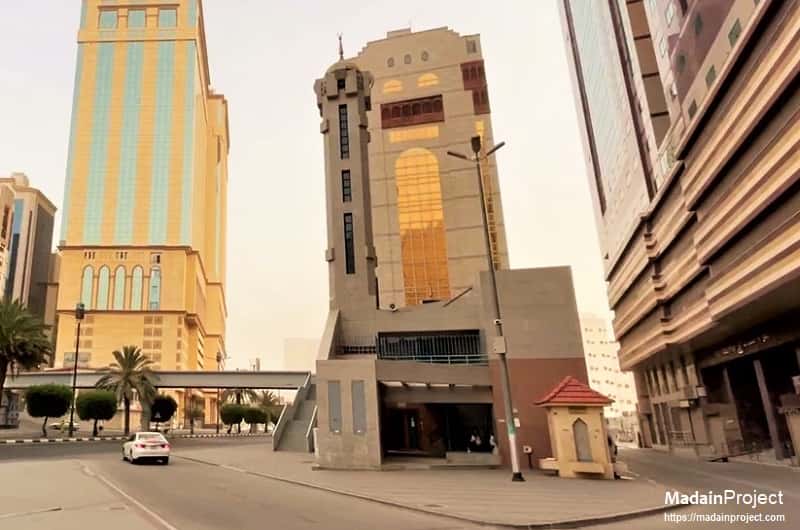
The significance of Masjid e Jinn is rooted in authentic Islamic narrations describing the Prophet’s ﷺ encounter with delegations of jinn. According to classical tafsir and hadith literature, the Prophet ﷺ recited portions of the Quran to them, accepted their bay’ah (pledge of allegiance), and taught them the foundations of Islam. This moment reflects the universality of the Quranic message and the Prophethood of Muhammad ﷺ beyond the visible world.
Because of this event, the mosque became known by multiple names over time. Each name highlights a different historical dimension of the site while preserving its spiritual importance.
Names and Meanings of Masjid al-Jinn
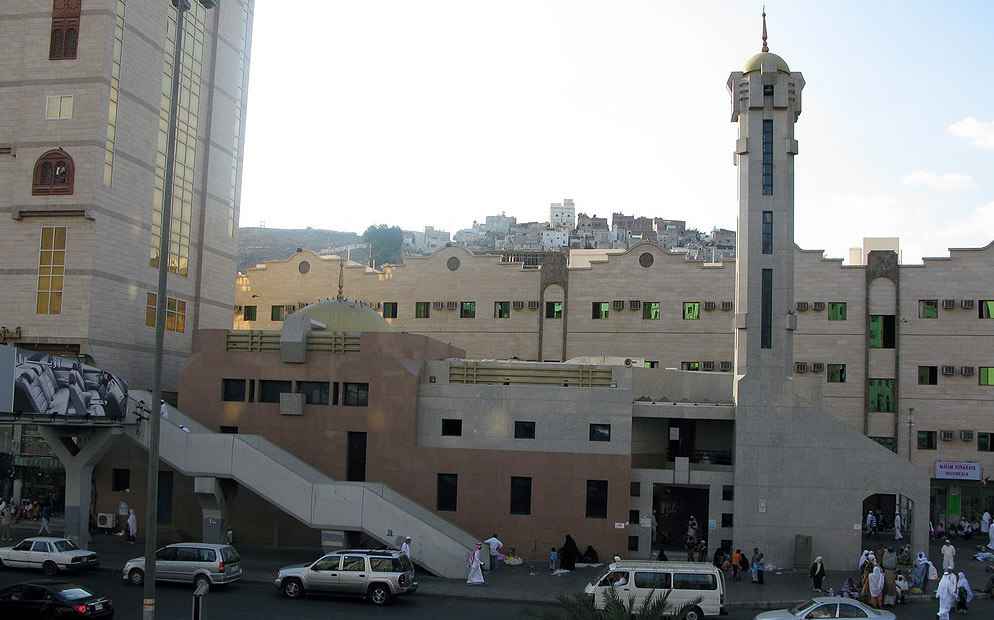
Masjid e Jinn is referred to by several historically documented names. Masjid al-Jinn is the most widely used name, derived directly from the encounter with the jinn. Masjid al-Bay’ah, meaning the Mosque of Allegiance, refers to the oath taken by the jinn in acceptance of Islam. Another name, Masjid al-Haras, dates back to the early Islamic centuries when city guards would patrol up to this point and gather there during their night duties.
These names are not symbolic inventions but historically grounded identifiers mentioned by early Makkan historians, reinforcing the mosque’s authenticity as an Islamic landmark.
Revelation Context of Surah al-Jinn
While the event at Masjid e Jinn is closely associated with Surah al-Jinn, Islamic scholars explain that the chapter itself was revealed after a separate encounter with the jinn at Nakhlah, following the Prophet’s ﷺ return from Ta’if. Nevertheless, the mosque commemorates one of several confirmed meetings between the Prophet ﷺ and the jinn, which scholars state occurred multiple times during his mission.
This distinction is important for historical accuracy and aligns with Quranic scholarship, ensuring that religious understanding is based on sound interpretation rather than popular assumption.
Development and Architecture of Masjid e Jinn
The site of Masjid e Jinn was known to early Muslims long before a formal structure existed. Historical records from the third century Hijri mention the location without describing a building. Over time, small structures were erected, buried, rediscovered, and expanded through different Islamic eras, including the Ottoman period.
The mosque in its current form was completely reconstructed in 1421 AH (2000 CE). Today, it reflects a modern architectural style while preserving its religious character. Built with reinforced concrete, the mosque covers approximately 500 square meters and can accommodate around 350 worshippers.
The main prayer hall includes a mihrab and minbar on the qiblah wall, a central dome decorated with Quranic inscriptions, and ample natural lighting through numerous windows. A separate women’s prayer hall, washing facilities, and dedicated spaces for the imam and caretaker make it a fully functional place of worship.
Location and Distance from Masjid al-Haram
Masjid e Jinn is located in the Al-Hajun area of Makkah, near Jannatul Mualla cemetery. It lies approximately one kilometer from Masjid al-Haram when walking and about three kilometers by road due to traffic flow and road design.
Pilgrims can reach the mosque on foot through a historically rich walking route that passes the birthplace area of the Prophet ﷺ and other notable sites. By vehicle, the journey usually takes less than ten minutes outside peak congestion times.
Visiting Masjid e Jinn During Umrah or Hajj
Masjid e Jinn is open to Muslim visitors throughout the year and functions as an active mosque with daily prayers. Visitors are encouraged to observe proper etiquette, dress modestly, and maintain a respectful atmosphere while visiting.
For pilgrims with limited time or elderly family members, using a private taxi service is often the most comfortable option. Reliable Umrah taxi services can arrange direct transfers from Masjid al-Haram, hotels, or other ziyarat locations in Makkah. Professional drivers familiar with pilgrimage routes help visitors reach Masjid e Jinn smoothly, especially during busy Umrah seasons.
Including Masjid e Jinn in a guided ziyarat taxi route allows pilgrims to visit multiple historical sites in one trip, saving time and energy while enhancing their spiritual experience.
Importance of Masjid e Jinn for Modern Pilgrims
Masjid e Jinn is not merely a historical structure; it is a place that connects visitors with an essential aspect of Islamic belief in the unseen world. Standing at a location where revelation was recited and accepted by beings beyond human sight encourages reflection on faith, humility, and the universality of Islam.
For many pilgrims, visiting this mosque deepens their understanding of Quranic verses they have recited for years and transforms abstract belief into lived spiritual awareness.
Conclusion
Masjid e Jinn occupies a unique position in the religious and historical landscape of Mecca. As one of the oldest known sacred sites associated with the Prophet’s ﷺ mission, it represents the reach of Islam beyond the visible world and into all creation. Its proximity to Masjid al-Haram, well-documented history, and continued use as a place of worship make it a meaningful destination for pilgrims seeking more than ritual alone.
Whether reached on foot or through a comfortable Umrah taxi service, a visit to Masjid e Jinn offers spiritual reflection, historical insight, and a deeper connection to the Quranic message. For those performing Umrah or exploring the sacred sites of Makkah, Masjid e Jinn remains a timeless reminder of faith, revelation, and divine guidance.

Zeeshan is a professional driver and tour guide who has been living and driving in Saudi Arabia for the past 5 years. With deep knowledge of the roads, landmarks, and Ziyarat locations across Makkah, Madinah, Jeddah, and Taif, he helps pilgrims and travelers enjoy safe, smooth, and well-organized journeys. His experience in Umrah transport, city tours, and airport transfers makes him a trusted expert for visitors exploring Saudi Arabia.