


Masjid Al-Ijabah is among the most spiritually significant mosques associated with the life of Prophet Muhammad ﷺ. The name “Al-Ijabah,” meaning acceptance of supplication, is deeply rooted in authentic Islamic tradition. What often causes confusion for visitors and researchers alike is that two historic mosques share this revered name—one in Makkah and another in Madinah—each holding distinct yet complementary importance in Islamic history.
Understanding both locations enriches the spiritual journey of pilgrims performing Umrah or visiting Madinah, as each mosque reflects a different phase of the Prophet’s ﷺ mission and supplications.
Understanding Masjid Al-Ijabah: One Name, Two Sacred Locations
Masjid Al-Ijabah in Makkah
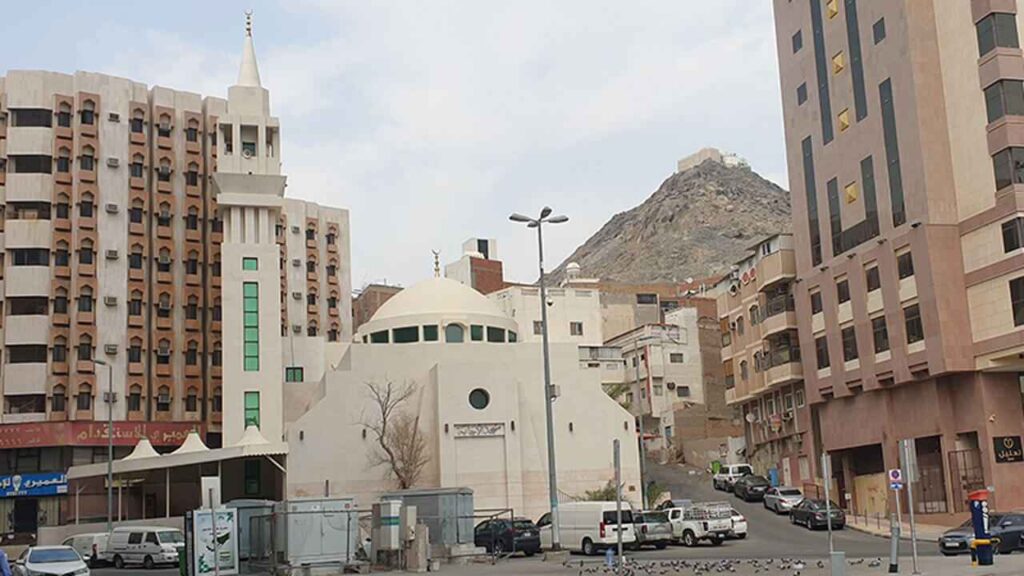
Masjid Al-Ijabah in Makkah is considered one of the oldest mosques in the city, dating back to approximately 3 AH (624 CE). It is located in Al-Ma‘abdah (historically known as Al-Muhassab), positioned between Masjid al-Haram and Mina, an area closely linked to several pivotal moments in the Prophet’s ﷺ life.
Islamic tradition holds that the Prophet ﷺ prayed at this location on multiple significant occasions. These include the period following the Quraysh boycott around 5 BH (616 CE), the Conquest of Makkah in 8 AH (630 CE), and later during the Farewell Hajj in 10 AH (632 CE). The area is also associated with Sayyidatuna Khadijah (رضي الله عنها), who would meet the Prophet ﷺ here while he was engaged in spiritual retreats at Cave Hira, bringing him provisions and support.
This deep historical continuity makes the Makkah mosque a site of reflection on perseverance, divine support, and the acceptance of sincere supplication.
Masjid Al-Ijabah in Madinah
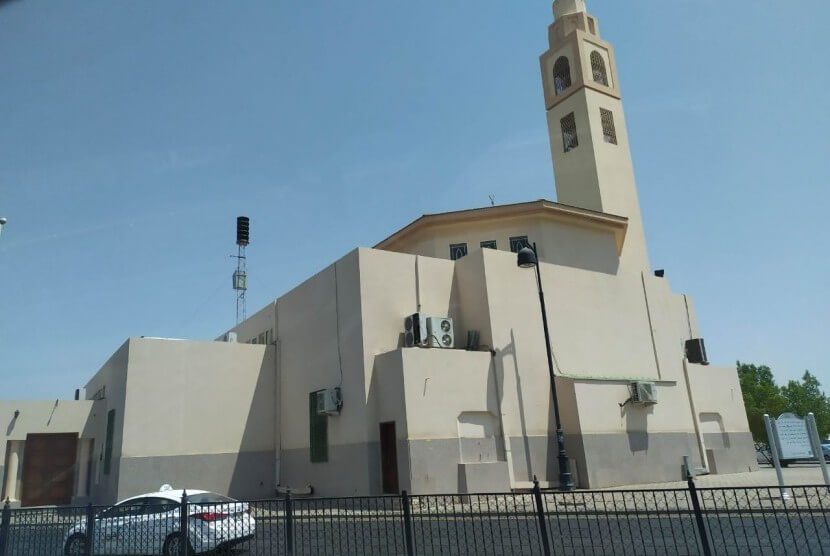
The more widely documented Masjid Al-Ijabah is located in Madinah, where it is also known as Masjid Bani Muawiyah or Masjid Al-Mubahalah. It stands approximately 580 meters northeast of Masjid an-Nabawi and close to Al-Baqi Cemetery, within the historic Bani Muawiyah district.
This mosque is explicitly mentioned in Sahih Muslim, where it is narrated that the Prophet ﷺ prayed two rak‘ahs here and made three profound supplications to Allah. Two of these were accepted—protection of the Ummah from widespread famine and destruction by flooding—while the third, concerning the complete removal of internal conflict, was not granted. This narration firmly establishes the mosque’s name and spiritual status, emphasizing divine wisdom and the enduring trials of human societies.
The mosque is also associated with the event of Mubahalah, further reinforcing its theological and historical relevance.
Recommended: Farewell Tawaf
Historical and Religious Significance
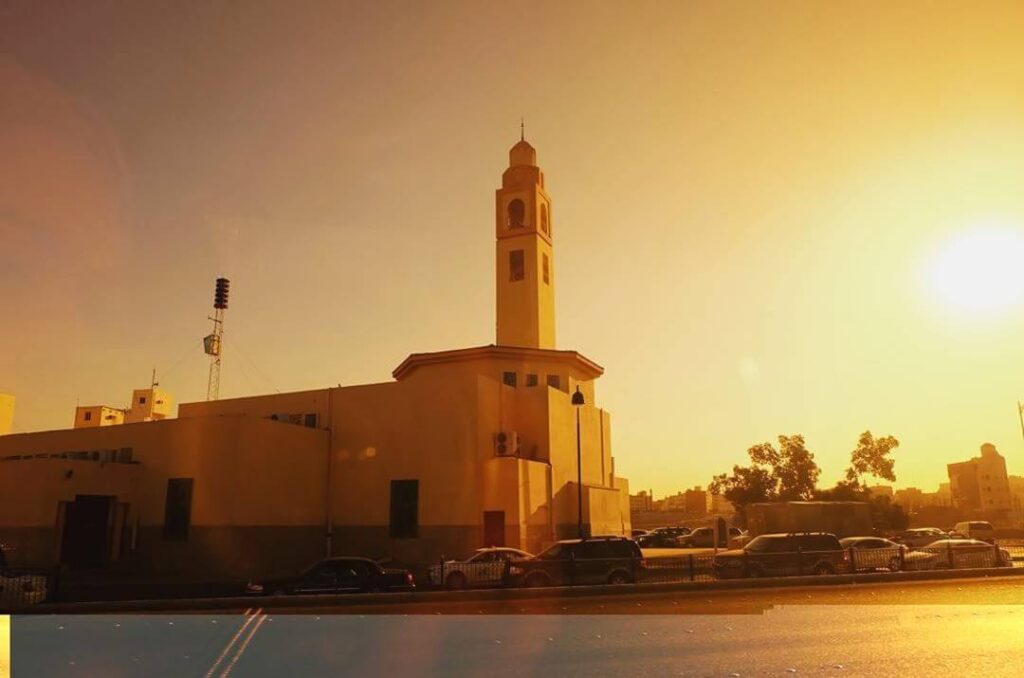
Masjid Al-Ijabah, in both Makkah and Madinah, represents moments where du‘a met divine response. These locations are not merely architectural landmarks but living reminders of the Prophet’s ﷺ reliance on Allah during times of hardship, transition, and victory.
Their significance is rooted in authentic hadith, early Islamic geography, and the lived experiences of the Prophet ﷺ and his companions. This combination of textual authenticity and physical continuity strengthens their status as important ziyarat destinations.
Location, Accessibility, and Visiting Information
In Makkah, Masjid Al-Ijabah is situated in Al-Ma‘abdah, a short distance from Mina but farther from the central area around Masjid al-Haram. While public transport options exist, they can be limited for visitors unfamiliar with local systems. Taxis remain the most practical solution, especially for pilgrims managing tight schedules during Umrah or Hajj seasons. The mosque has undergone modern restoration and includes accessible entrances and basic facilities for worshippers.
In Madinah, Masjid Al-Ijabah is easily accessible due to its proximity to Masjid an-Nabawi. Many visitors reach it on foot, while taxis offer convenience for those with limited time or mobility. The mosque has seen multiple renovations throughout history, including major restorations during the eras of Omar bin Abdulaziz and later under Saudi governance, preserving its structure while accommodating modern visitors.
Architectural Development and Preservation
Both mosques have evolved over centuries while retaining their spiritual essence. The Makkah mosque was restored most recently in 1422 AH (2001 CE), adding a central dome, minaret, marble finishes, and wudhu facilities. The Madinah mosque underwent major expansion in the late 20th century, increasing its capacity while maintaining its historical footprint.
These restorations reflect continued reverence for sites connected directly to the Prophet ﷺ, ensuring their accessibility for future generations.
Spiritual Value for Pilgrims
For visitors, Masjid Al-Ijabah is a place of contemplation rather than ritual obligation. Many pilgrims choose to pray, make du‘a, and reflect on the Prophet’s ﷺ supplications and their implications for the Ummah. The mosque encourages humility, patience, and trust in divine decree—values central to the Islamic spiritual journey.
Travel Tips for Pilgrims Visiting Masjid Al-Ijabah
Pilgrims visiting Makkah or Madinah often face logistical challenges, particularly when navigating lesser-known historic sites. Reliable transportation plays a key role in ensuring a smooth and focused spiritual experience. Many Umrah visitors prefer dedicated Umrah taxi services that offer direct transfers between hotels, holy mosques, and ziyarat locations without unnecessary delays.
Professional taxi and transport services in Saudi Arabia make it easier to visit places like Masjid Al-Ijabah comfortably, especially for families, elderly pilgrims, or those performing Umrah on a tight schedule. Choosing an experienced Umrah transport provider allows pilgrims to focus on worship while ensuring safe, efficient travel between sacred sites.
Conclusion
Masjid Al-Ijabah stands as a powerful symbol of sincere supplication and divine response, whether in Makkah, where it reflects perseverance during hardship, or in Madinah, where it is anchored in authentic hadith and prophetic prayer. Understanding the distinction and significance of both locations enriches the spiritual journey of pilgrims and visitors alike.
By visiting Masjid Al-Ijabah with historical awareness, respectful conduct, and proper travel planning, pilgrims can connect more deeply with the legacy of Prophet Muhammad ﷺ. With reliable Umrah and taxi services supporting their journey, visitors can experience these sacred sites with peace of mind, clarity, and spiritual focus.

Zeeshan is a professional driver and tour guide who has been living and driving in Saudi Arabia for the past 5 years. With deep knowledge of the roads, landmarks, and Ziyarat locations across Makkah, Madinah, Jeddah, and Taif, he helps pilgrims and travelers enjoy safe, smooth, and well-organized journeys. His experience in Umrah transport, city tours, and airport transfers makes him a trusted expert for visitors exploring Saudi Arabia.