


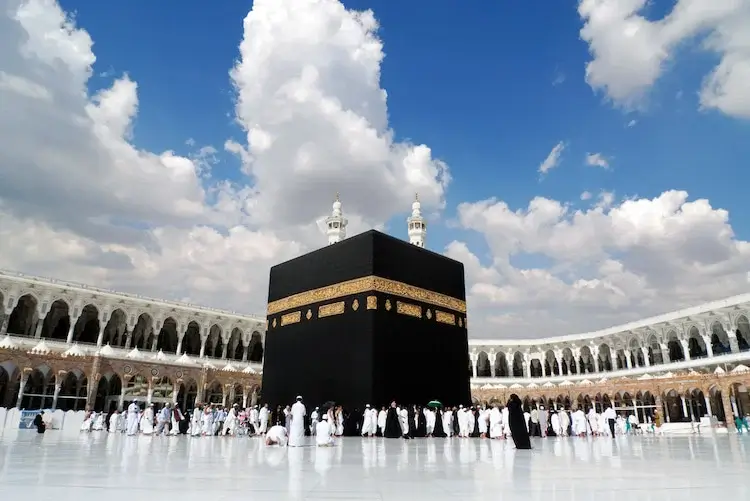
Masjid Al-Haram, located in Makkah Al Mukarramah, Saudi Arabia, is the holiest mosque in Islam and the spiritual heart of the Muslim world. It is the largest mosque on Earth and surrounds the Kaaba, the sacred structure toward which Muslims direct their prayers five times a day.
The mosque is not only a place of worship but a living symbol of Islamic unity, faith, and continuity, drawing millions of worshippers throughout the year.
What Is Masjid Al-Haram?
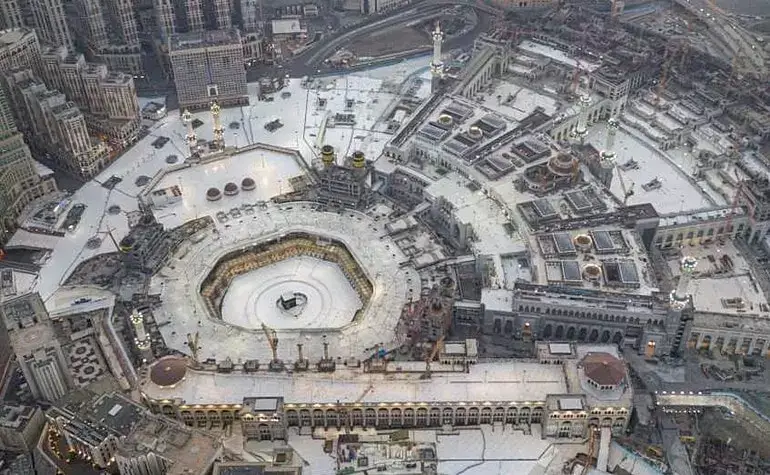
Masjid Al-Haram literally means “The Sacred Mosque.” The term Haram signifies sanctity and inviolability, indicating that acts of violence and injustice are forbidden within its boundaries. Its sacred status predates Islam itself, tracing back to the time of Prophet Ibrahim (Abraham).
Religious Significance in Islam
Masjid Al-Haram holds unparalleled importance in Islam:
- It houses the Kaaba, the Qibla for all Muslims worldwide
- Prayer performed here carries multiplied spiritual reward
- It is the central site for Hajj, one of the Five Pillars of Islam
- It is the primary location for Umrah, performed year-round
No other mosque carries the same level of religious obligation and reverence.
Sacred Sites Inside Masjid Al-Haram
The Kaaba
The Kaaba is the most sacred structure in Islam. According to Islamic tradition, it was rebuilt by Prophet Ibrahim and Prophet Ismail as a house devoted solely to the worship of Allah.
The Black Stone (Al-Hajar Al-Aswad)
Set into the eastern corner of the Kaaba, the Black Stone is an honored relic associated with the original structure raised by Ibrahim.
Maqam Ibrahim
This stone marks the place where Prophet Ibrahim stood while building the Kaaba. Pilgrims pray behind it after completing Tawaf.
Zamzam Well
A miraculous spring that has flowed for thousands of years, Zamzam water holds deep spiritual significance and is consumed by pilgrims worldwide.
Safa and Marwa
These two hills commemorate the struggle of Hajar, the wife of Ibrahim. Pilgrims walk between them during the ritual of Sa’i.
Historical Development of Masjid Al-Haram
Era of Prophet Ibrahim
Islamic tradition states that the sanctuary was established when Ibrahim was commanded to raise the foundations of the Kaaba, making it the first house of worship dedicated to monotheism.
Era of Prophet Muhammad ﷺ
After the peaceful conquest of Makkah, Prophet Muhammad ﷺ purified the Kaaba from idols, restoring it as a center of pure monotheistic worship.
Umayyad, Abbasid, and Ottoman Eras
Successive Islamic rulers expanded the mosque to accommodate growing numbers of worshippers, introducing domes, minarets, and marble colonnades—many of which shaped the mosque’s classical architectural identity.
Saudi Era Expansions
Modern Saudi leadership undertook the largest mosque expansions in history, integrating advanced infrastructure, climate control, accessibility features, and massive prayer areas while preserving the mosque’s sacred character.
Architecture and Capacity
Masjid Al-Haram features a vast open Mataf courtyard, multi-level prayer halls, towering minarets, and white marble floors designed for comfort and safety.
Today, the mosque can accommodate over 2.5 million worshippers, with the capacity to manage hundreds of thousands performing Tawaf simultaneously.
Role During Hajj and Umrah
Masjid Al-Haram is the spiritual core of both pilgrimages:
- Tawaf: Circumambulating the Kaaba
- Sa’i: Walking between Safa and Marwa
- Daily congregational prayers
During Hajj season, millions gather here in a profound demonstration of unity, equality, and devotion.
Visiting Masjid Al-Haram
- Access: Restricted to Muslims only
- Hours: Open 24 hours daily
- Dress Code: Modest Islamic attire required
- Etiquette: Respect, patience, and adherence to religious guidelines
The cooler months generally offer a more comfortable visiting experience outside peak pilgrimage periods.
Location and Accessibility
Masjid Al-Haram is situated at the center of Makkah, making it easily reachable on foot from nearby hotels. Transportation systems, pedestrian tunnels, and organized access routes ensure smooth movement even during peak seasons.
FAQs
Why is Masjid Al-Haram the holiest mosque in Islam?
Because it houses the Kaaba, the Qibla of Muslims, and is directly connected to core Islamic rituals like Hajj and Umrah.
Can non-Muslims enter Masjid Al-Haram?
No, entry into Makkah and Masjid Al-Haram is restricted to Muslims only.
Is Masjid Al-Haram open all year?
Yes, it operates 24/7 throughout the year.

Zeeshan is a professional driver and tour guide who has been living and driving in Saudi Arabia for the past 5 years. With deep knowledge of the roads, landmarks, and Ziyarat locations across Makkah, Madinah, Jeddah, and Taif, he helps pilgrims and travelers enjoy safe, smooth, and well-organized journeys. His experience in Umrah transport, city tours, and airport transfers makes him a trusted expert for visitors exploring Saudi Arabia.