


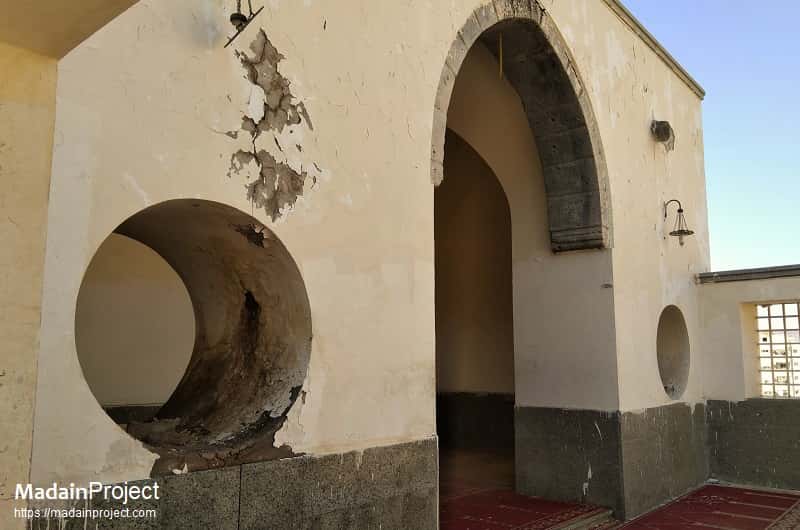
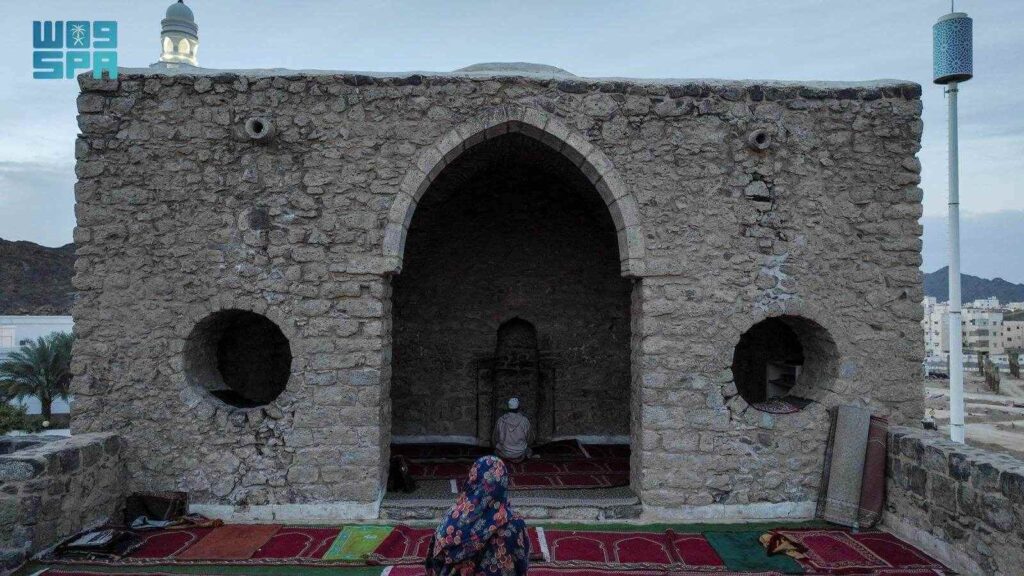
Masjid Al Fath is one of the most historically significant Islamic landmarks in Madinah and the largest mosque within the Seven Mosques complex (Masajid Sab‘ah). It stands as a powerful reminder of faith, patience, and divine support during one of the most critical moments in Islamic history—the Battle of the Trench (Ghazwa Al Khandaq).
The mosque marks the location where Prophet Muhammad ﷺ made continuous supplication during a prolonged siege, and where Allah granted victory to the Muslim community against overwhelming odds. For visitors performing Umrah or Ziyarah, Masjid Al Fath represents not only a physical site, but a living lesson in trust, strategy, and reliance upon Allah.
Historical Background of Masjid Al Fath
Battle of the Trench (Ghazwa Al Khandaq)
The Battle of the Trench took place in 5 AH (627 CE) on the northern outskirts of Madinah. A confederation of Quraysh and allied tribes, numbering around 10,000 warriors, advanced to besiege the city. The Muslim community, with approximately 3,000 defenders, faced a severe existential threat.
Upon the advice of Salman Al Farsi (RA), the Prophet ﷺ adopted an unfamiliar military strategy for Arabia at the time—digging a defensive trench. This tactical innovation successfully halted the enemy cavalry and turned the siege into a prolonged standoff.
After several weeks, internal divisions, fear, and harsh weather weakened the confederate forces.
The Prophet’s Supplication and Divine Victory
Islamic historical narrations confirm that the Prophet ﷺ supplicated at this exact location for three consecutive days—Monday, Tuesday, and Wednesday. His supplication was accepted on Wednesday between Dhuhr and Asr, when Allah sent a powerful wind that dismantled enemy camps and spread fear among the besiegers.
This moment marked the turning point of the siege, forcing the confederate armies to retreat without a decisive battle. From that point onward, Quraysh would never again mount a large-scale attack on Madinah.
Why It Is Called Masjid Al Fath
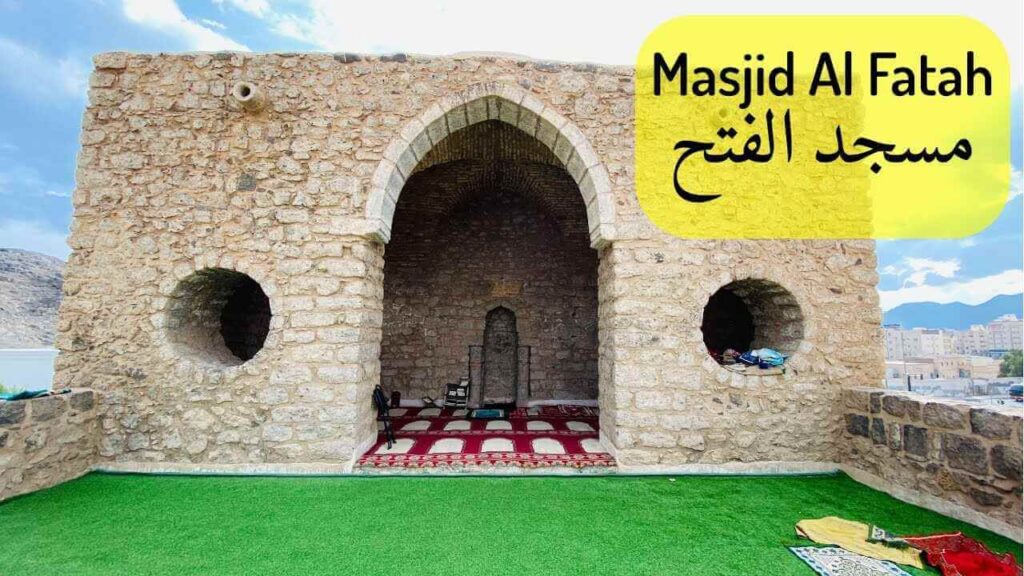
The word “Al Fath” means victory or divine opening. The mosque derives its name from the victory granted by Allah through the Prophet’s supplication rather than through military dominance. It symbolizes that true victory comes from steadfast faith, wisdom, and reliance upon Allah.
The mosque was later constructed on the spot traditionally believed to be where the Prophet’s tent stood during the siege.
Location and Geographic Importance
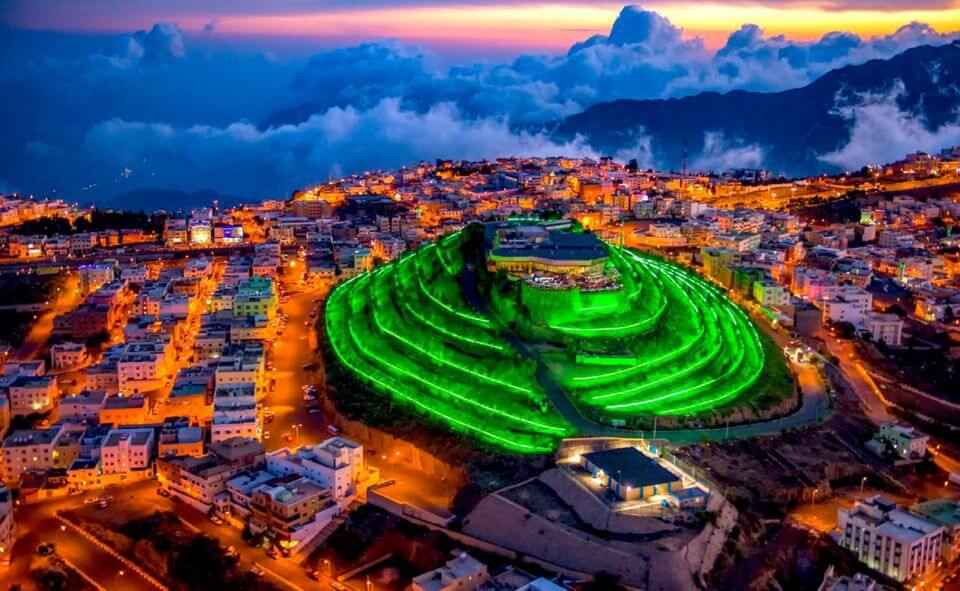
Masjid Al Fath is located on a small elevated hill on the western side of Mount Sela, overlooking the historic battlefield where the trench was dug. This elevated position provided strategic visibility during the siege and today offers visitors a panoramic view of the surrounding area.
Address:
Al Fath District, Madinah 42312, Saudi Arabia
Its physical elevation reinforces its symbolic meaning—standing above fear, hardship, and adversity.
Masjid Al Fath and the Seven Mosques of Madinah
Masjid Al Fath is the central and most prominent mosque among the Seven Mosques, which commemorate defensive positions held by key companions during the Battle of the Trench. The complex includes:
- Masjid Salman Al Farsi, associated with the strategist of the trench
- Masjid Umar ibn Khattab, marking his defensive position
- Masjid Abu Bakr Al Siddiq
- Masjid Ali ibn Abi Talib
- Masjid Fatimah Az-Zahra
These mosques collectively form a historical battlefield map, rather than independent places of ritual worship.
Architectural Development and Renovations
The mosque was first constructed during the era of Caliph Umar ibn Abdul Aziz in the early Islamic period. Over time, it underwent several renovations, including:
- A major restoration during the Ayyubid period
- Ottoman-era rebuilding in the 19th century
- Modern Saudi-era renovations preserving Hijazi architectural identity
The current structure blends simplicity with functionality, ensuring preservation without excessive ornamentation.
Spiritual Significance for Visitors
Masjid Al Fath holds deep emotional and spiritual resonance for visitors who reflect on the power of dua during hardship. Many visitors choose to make supplication during the same time the Prophet’s dua was accepted, emulating his reliance upon Allah.
Scholars clarify that while no mosque guarantees acceptance of dua, following the Prophet’s example in sincere supplication remains a source of spiritual inspiration.
Best Time to Visit Masjid Al Fath
The most suitable times for Ziyarah are early mornings after Fajr or late afternoons after Asr, when temperatures are cooler and crowds are minimal. Wednesdays between Dhuhr and Asr hold historical significance due to the Prophet’s accepted supplication.
Weekdays generally offer a calmer experience than Fridays.
Ziyarah Etiquette and Visitor Guidance
Visitors are encouraged to approach Masjid Al Fath with reflection rather than ritual obligation. Modest attire, calm conduct, and respect for other worshippers are essential. Comfortable footwear is recommended due to stairs and uneven terrain.
The mosque may only be open for prayer during specific times, but the surrounding platforms remain accessible.
Transportation and Access from Masjid An-Nabawi
Masjid Al Fath is located a short distance from Masjid An-Nabawi, making it easily accessible by taxi. For pilgrims and families, private transportation is often the most comfortable and time-efficient option.
For Umrah visitors seeking a guided and stress-free Ziyarah experience, professional Madinah taxi services offer direct routes covering Masjid Al Fath, the Seven Mosques, Masjid Qiblatain, and Mount Uhud in one organized journey. This ensures elderly pilgrims and families can visit safely, comfortably, and without navigation concerns.
Reliable Umrah taxi services in Madinah also provide airport transfers, hotel pickups, and full Ziyarah routes tailored to pilgrim schedules.
FAQs
What is the history of Masjid Al Fath?
Masjid Al Fath marks the site where the Prophet Muhammad ﷺ supplicated during the Battle of the Trench, leading to a decisive Muslim victory through divine intervention.
What is the dua of Masjid Al Fath?
There is no specific prescribed dua, but visitors often make personal supplications, reflecting on the Prophet’s prayers during hardship.
Which mosque is over 700 years old in Madinah?
Masjid Al Fath’s origins trace back over 1,300 years, with structural developments spanning multiple Islamic eras.
What are the Seven Mosques of Madinah?
They are a group of historical mosques commemorating defensive positions during the Battle of the Trench, with Masjid Al Fath as the central landmark.
Conclusion
Masjid Al Fath is not merely a historical mosque—it is a symbol of faith overcoming fear, wisdom overcoming force, and prayer overcoming adversity. Visiting this site allows pilgrims to connect deeply with one of the most transformative moments in Islamic history.
When included as part of a well-planned Madinah Ziyarah—supported by reliable Umrah and local taxi services—Masjid Al Fath becomes an unforgettable spiritual experience that enriches both understanding and faith.

Zeeshan is a professional driver and tour guide who has been living and driving in Saudi Arabia for the past 5 years. With deep knowledge of the roads, landmarks, and Ziyarat locations across Makkah, Madinah, Jeddah, and Taif, he helps pilgrims and travelers enjoy safe, smooth, and well-organized journeys. His experience in Umrah transport, city tours, and airport transfers makes him a trusted expert for visitors exploring Saudi Arabia.