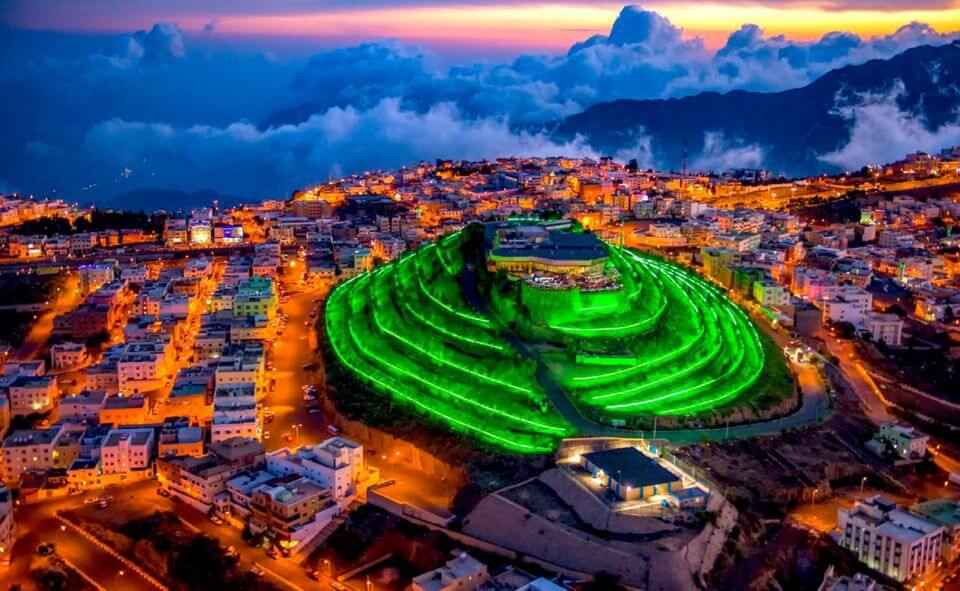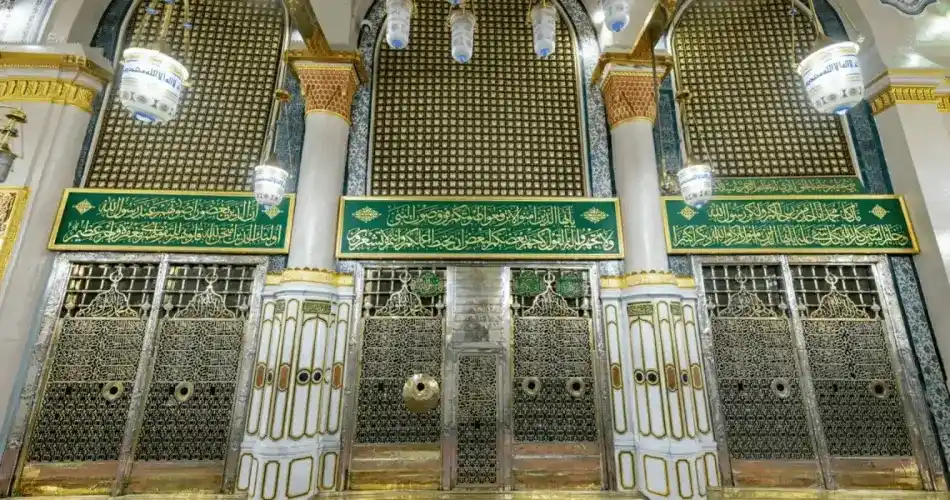



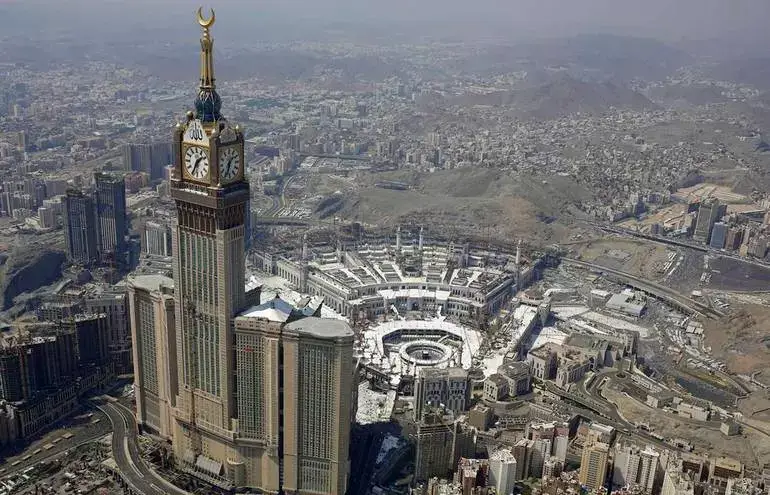
Makka City, officially known as Makkah al-Mukarramah, is the most sacred city in Islam and the spiritual direction of prayer for Muslims worldwide. Located in the Hejaz region of western Saudi Arabia, the city stands as the birthplace of Prophet Muhammad ﷺ and the site where the Qur’an was first revealed. More than a historical city, Makka is a living spiritual center that welcomes millions of pilgrims every year for Hajj and Umrah, while continuously evolving through modern infrastructure and visionary urban planning.
The Religious and Historical Significance of Makka City
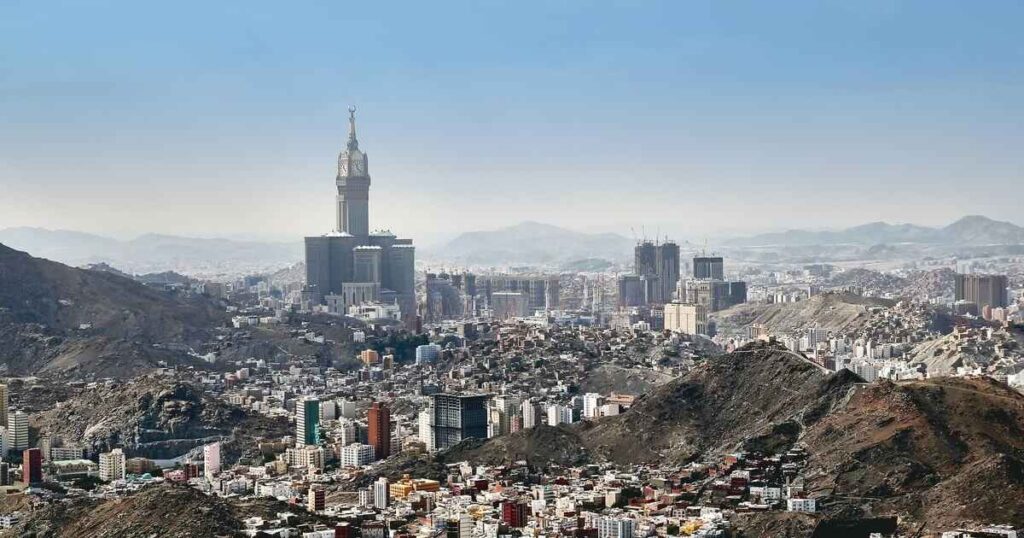
Makka City holds a unique position in Islamic belief. It is referred to in the Qur’an by multiple names, including Makkah, Bakkah, Umm al-Qura, and Al-Balad al-Amin, each reflecting its sacred status. The Qur’an identifies it as the location of the first House of worship established for mankind, making it the oldest continuous center of monotheistic worship.
The Prophet Muhammad ﷺ described Makka as the most beloved land to Allah, declaring its sanctity eternal. Because of this sacredness, entry into Makka City and the Haram area is restricted exclusively to Muslims, preserving its spiritual purity.
Masjid al-Haram – The Center of Makka City
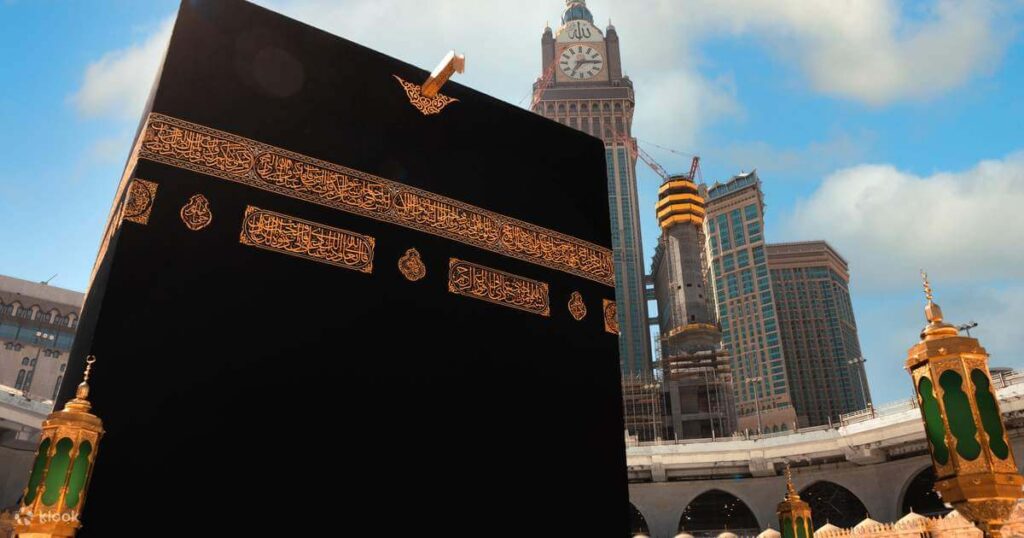
At the heart of Makka City lies Masjid al-Haram, the largest mosque in the world and the focal point of Islamic worship.
The Kaaba, a cube-shaped structure at its center, is the direction of prayer for Muslims globally. Pilgrims perform Tawaf around the Kaaba and Sa’i between the hills of Safa and Marwa, reenacting rituals rooted in prophetic history. Within the mosque lies the Zamzam Well, a miraculous source of water flowing for thousands of years.
Prayer inside Masjid al-Haram carries immense spiritual reward, with a single prayer valued many times greater than prayers elsewhere, reinforcing why Makka City remains the spiritual axis of Islam.
Geography, Climate, and Urban Character
Makka City is situated approximately 70 km inland from Jeddah, nestled in a desert valley surrounded by historic mountains such as Jabal Abi Qubais, Jabal Thawr, and Jabal al-Nour. The city’s boundaries are defined by the Ansab al-Haram, sacred markers originally established by Prophet Ibrahim عليه السلام.
The climate is typically hot and dry. Summer temperatures can exceed 45°C, while winters are mild and more comfortable. For most visitors, October to March offers the best conditions for Umrah and city exploration.
Holy Sites of Hajj Around Makka City
Beyond the urban core, Makka City is surrounded by essential Hajj sites that form a complete ritual landscape.
Mina serves as the temporary tent city during Hajj, housing millions of pilgrims and hosting the Jamarat ritual. Arafat, the site of the Prophet’s Farewell Sermon, represents the spiritual climax of Hajj, while Muzdalifah functions as the transitional sacred station for overnight worship and preparation.
Modern engineering, including the multi-level Jamarat Bridge and pedestrian-focused crowd management systems, has transformed these sites into some of the most advanced pilgrimage facilities in the world.
Prophetic Landmarks and Cultural Heritage
Makka City preserves numerous locations tied directly to the life of Prophet Muhammad ﷺ.
Jabal al-Nour houses the Cave of Hira, where the first revelation of the Qur’an occurred. Nearby, the Hira Cultural District presents this moment through immersive exhibitions and educational spaces. Jabal Thawr, to the south, marks the cave where the Prophet ﷺ and Abu Bakr رضي الله عنه sought refuge during the Hijrah.
Historic mosques such as Masjid al-Jinn, Masjid al-Bay’ah, and Masjid Aisha (Al-Taneem) further enrich the city’s religious landscape, while institutions like the Exhibition of the Two Holy Mosques Architecture and the Kiswa Factory preserve Makka’s living heritage.
Modern Makka City and Vision 2030 Development
Makka City is undergoing unprecedented transformation under Saudi Vision 2030, led by the Royal Commission for Makkah City and Holy Sites. Landmark projects such as Masar Destination, Rou’a al-Haram al-Makki, and large-scale hospitality expansions aim to accommodate 30 million Umrah and Hajj visitors annually.
The iconic Abraj Al-Bait Clock Tower, adjacent to Masjid al-Haram, symbolizes the fusion of spiritual tradition with modern urban scale.
Transport and Mobility in Makka City
Transportation is a critical part of the pilgrim experience. The Haramain High-Speed Railway connects Makka City with Jeddah and Madinah, reducing travel time significantly and easing congestion.
Within the city, regulated taxis, buses, and seasonal metro services operate extensively. For Umrah visitors, private taxi services remain the most flexible and comfortable option, especially for families, elderly pilgrims, or travelers with tight schedules.
For a smooth and reliable journey, pilgrims often prefer dedicated Umrah taxi services offering airport transfers, Ziyarat tours, and intercity travel between Makkah, Madinah, Taif, and Jeddah. Professional drivers familiar with Haram access points and prayer-time road closures make a noticeable difference in comfort and time management.
Where to Stay and Practical Travel Tips
Hotels near the Haram offer unmatched convenience but come at a premium. Areas like Aziziyah and Misfalah provide more affordable options with shuttle services. Staying hydrated, wearing comfortable footwear, and using official apps such as Nusuk for permits and scheduling are essential for a stress-free stay.
Makka City for Umrah Visitors – Planning a Smooth Journey
A typical Umrah visit to Makka City lasts 3 to 7 days, allowing ample time for worship, rest, and visits to historical sites. Reliable transportation plays a vital role, especially for arrivals from Jeddah Airport or travel onward to Madinah.
Many pilgrims choose trusted local Umrah taxi providers that specialize in pilgrim transport, ensuring clean vehicles, courteous service, and timely transfers aligned with religious schedules.
Conclusion
Makka City is not simply a destination; it is the spiritual center of Islam and a city where faith, history, and modern development converge. From the timeless sanctity of Masjid al-Haram to the advanced infrastructure supporting millions of pilgrims, Makka continues to honor its sacred legacy while preparing for the future. Whether visiting for Umrah, Hajj, or spiritual reflection, understanding Makka City enhances both the journey and the experience itself.
FAQs
What is Makka City known for?
Makka City is known as the holiest city in Islam and the location of the Kaaba inside Masjid al-Haram.
Can non-Muslims enter Makka City?
No, access to Makka City and the Haram area is restricted exclusively to Muslims.
How far is Makka City from Jeddah Airport?
Makka City is approximately 70 km from King Abdulaziz International Airport in Jeddah.
What is the best way to travel within Makka City?
Taxis and dedicated Umrah transport services are the most convenient, especially during peak seasons.
How many days are enough for Umrah in Makka City?
Most pilgrims stay between 3 and 7 days to perform Umrah comfortably and visit key sites.

Zeeshan is a professional driver and tour guide who has been living and driving in Saudi Arabia for the past 5 years. With deep knowledge of the roads, landmarks, and Ziyarat locations across Makkah, Madinah, Jeddah, and Taif, he helps pilgrims and travelers enjoy safe, smooth, and well-organized journeys. His experience in Umrah transport, city tours, and airport transfers makes him a trusted expert for visitors exploring Saudi Arabia.