


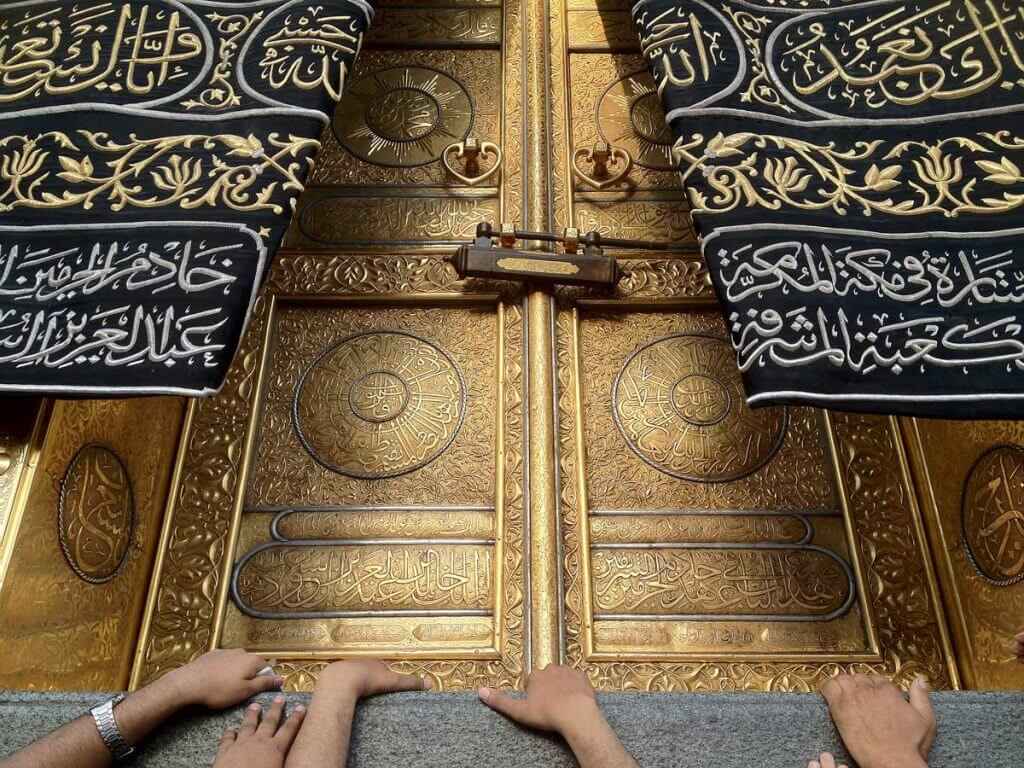
The Kaaba Door, known as Bab al-Kaaba, is one of the most spiritually significant and architecturally revered elements of the Holy Kaaba in Masjid al-Haram, Makkah. More than a physical entrance, the door represents authority, sanctity, continuity of Islamic tradition, and controlled access to the most sacred interior in Islam.
Understanding the Kaaba Door requires understanding when the Kaaba was made, how it evolved, and why the door holds such deep religious meaning for Muslims around the world.
When Was the Kaaba Made and Why the Door Matters?
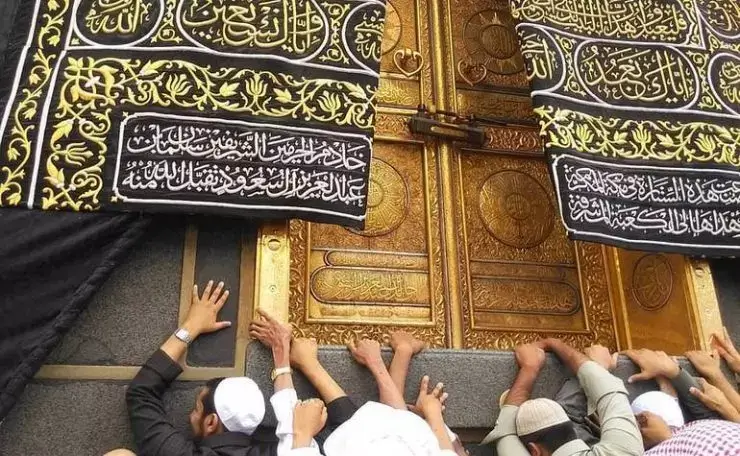
Islamic belief holds that the original foundations of the Kaaba were established by Prophet Ibrahim (Abraham) and his son Ismail (peace be upon them) by the command of Allah. At that time, the structure was simple, roofless, and had two ground-level openings, allowing people to enter from one side and exit from the other.
The concept of a raised, guarded door came much later. The Kaaba Door today reflects centuries of architectural, religious, and administrative decisions aimed at preserving sanctity, preventing damage, and regulating access.
Location and Physical Position of the Kaaba Door
The Kaaba Door is located on the northeastern wall of the Kaaba, between the Black Stone (Hajar al-Aswad) corner and the Iraqi corner. It is elevated approximately 2.1 to 2.2 meters above the Mataf floor, which is why a movable staircase is used when the door is opened.
This raised position was intentionally designed to protect the interior from flooding and to control entry, especially after Makkah experienced destructive floods in earlier centuries.
Names of the Kaaba Door and Their Meanings
The door is known by several names, each reflecting a spiritual dimension:
- Bab al-Kaaba – The Door of the Kaaba
- Bab ar-Rahmah – The Door of Mercy
- Bab al-Tawbah – The Door of Repentance (used for the internal door)
All names emphasize divine mercy, forgiveness, and nearness to Allah, especially in the area surrounding the door.
Historical Evolution of the Kaaba Door
Era of Ibrahim and Ismail (peace be upon them)
The earliest Kaaba had no formal door, no roof, and openings at ground level. Access was open and unrestricted.
Quraysh Reconstruction and Raised Door
Before the Prophethood of Muhammad ﷺ, the Quraysh tribe rebuilt the Kaaba. Due to limited lawful funds, they reduced its size, closed the western opening, and raised the eastern door above ground level. The Prophet ﷺ later explained that this was done to control entry and protect the structure.
Islamic and Ottoman Period Renovations
Over centuries, various rulers replaced the door using wood, iron, silver, and gold plating, especially after floods or structural damage. A major renovation occurred during the Ottoman era in 1630 after severe flooding.
Saudi Era and the Current Gold Door
In 1944, King Abdulaziz installed a silver door plated with gold. Later, the current door was commissioned by King Khalid bin Abdulaziz and installed in 1979. It remains in use today.
Is the Kaaba Door Real Gold? Materials and Craftsmanship
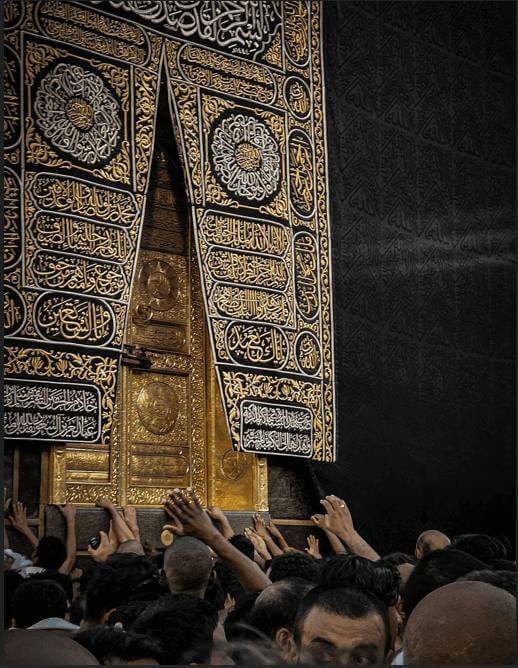
Yes, the current Kaaba Door is real gold.
It is made of approximately 280 kilograms of 99.99% pure gold, mounted over a reinforced aluminum and wood base designed to withstand weight and climate conditions. The door measures roughly 3.1 meters in height and 1.7 meters in width, making it both imposing and harmonious with the Kaaba’s proportions.
The craftsmanship was carried out by Ahmed bin Ibrahim Badr, a renowned Saudi goldsmith, in Makkah.
Calligraphy, Inscriptions, and Artistic Design
The door is decorated with Thuluth Arabic calligraphy, one of the most prestigious Islamic scripts. The inscriptions include:
- The Basmala
- Verses from the Qur’an
- Selected Names of Allah
- Historical inscriptions noting the commissioning ruler and date
These inscriptions are not ornamental alone; they reinforce the theological purpose of the Kaaba.
Who Holds the Key of the Kaaba? The Bani Shaybah
The key of the Kaaba has been entrusted to the Bani Shaybah (Al-Shaibi) family since before Islam. The Prophet Muhammad ﷺ confirmed their guardianship, and this responsibility continues to this day.
Only they are authorized to open the door, which happens twice a year for ceremonial cleaning or for special official occasions.
The Multazam and Spiritual Significance Near the Door
The area between the Kaaba Door and the Black Stone is known as al-Multazam. It is a highly recommended place for duʿa (supplication), where pilgrims gently press their chest, face, and arms against the wall if space allows.
Scholars emphasize that safety and respect for others take precedence, and pushing or causing harm is discouraged.
Inside the Kaaba: Bab al-Tawbah and the Roof Staircase
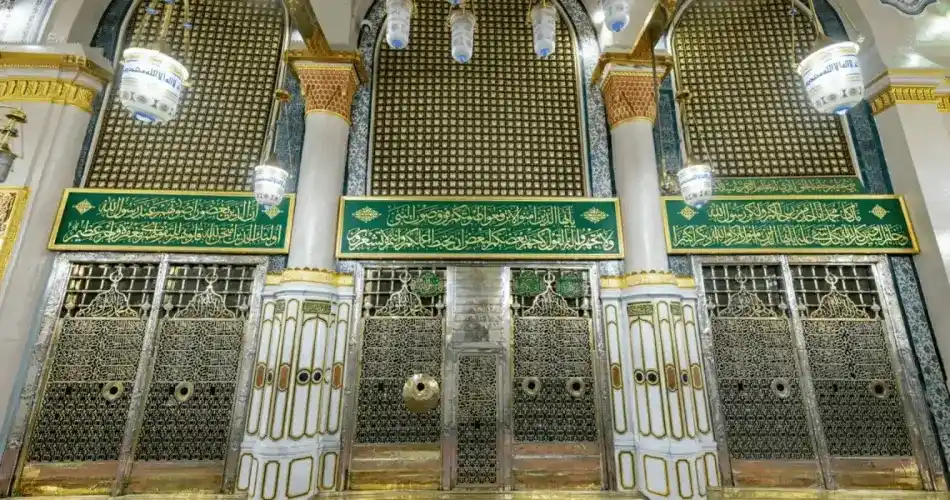
Inside the Kaaba is a second door known as Bab al-Tawbah, which leads to a staircase accessing the roof. This internal door is also crafted with gold and similar calligraphic motifs, symbolizing purification and repentance.
Opening and Washing of the Kaaba
The Kaaba is washed twice annually, usually before Ramadan and before Hajj. Zamzam water mixed with rose essence is used, and the ritual is attended by dignitaries, scholars, and custodians. This practice reflects purification, honor, and continuity of tradition.
Pilgrim Etiquettes Around the Kaaba Door
Pilgrims are not permitted to enter the Kaaba. When near the door or Multazam, it is recommended to remain calm, avoid crowding, and focus on sincere supplication rather than physical proximity.
Visiting Makkah and Reaching the Haram Comfortably
For pilgrims performing Umrah or Hajj, reaching Masjid al-Haram comfortably is essential, especially for elderly travelers and families. Reliable Umrah taxi and private transport services from Jeddah, Makkah hotels, Madinah, and nearby miqats help pilgrims focus on worship without logistical stress. Choosing experienced local drivers familiar with Haram access points makes the journey smoother and safer.
Conclusion
The Kaaba Door is far more than a golden entrance. It is a symbol of divine order, sacred access, and centuries of Islamic history shaped by prophets, rulers, and custodians. From its early ground-level openings to today’s gold-covered masterpiece, the door reflects the balance between openness to worship and preservation of sanctity. For every pilgrim standing before it, the Kaaba Door serves as a powerful reminder of humility, mercy, and closeness to Allah.
FAQs
Is the Kaaba Door made of real gold?
Yes, the current door is made of approximately 280 kg of 99.99% pure gold.
Who built the current Kaaba Door?
It was commissioned by King Khalid bin Abdulaziz and crafted by Ahmed bin Ibrahim Badr.
What is the door of the Kaaba called?
It is called Bab al-Kaaba, also known as Bab ar-Rahmah.
Why is the Kaaba Door raised above the ground?
It was raised to prevent flooding damage and to control access.
Who has the key to the Kaaba?
The Bani Shaybah family, a responsibility granted since the time of the Prophet Muhammad ﷺ.

Zeeshan is a professional driver and tour guide who has been living and driving in Saudi Arabia for the past 5 years. With deep knowledge of the roads, landmarks, and Ziyarat locations across Makkah, Madinah, Jeddah, and Taif, he helps pilgrims and travelers enjoy safe, smooth, and well-organized journeys. His experience in Umrah transport, city tours, and airport transfers makes him a trusted expert for visitors exploring Saudi Arabia.