


Istilam (استلام) is an important Sunnah act in Islamic pilgrimage rituals, closely associated with Tawaf around the Kaaba. Linguistically, the word Istilam means to touch, receive, or greet, and in Islamic practice it refers specifically to touching, kissing, or gesturing toward Hajar al-Aswad (the Black Stone) during Tawaf in Masjid al-Haram.
Istilam is not merely a physical action; it is a symbolic act of obedience, humility, and adherence to the Sunnah of Prophet Muhammad ﷺ, reflecting a pilgrim’s submission to Allah rather than attachment to the stone itself.
بِسْمِ اللّٰهِ وَاللّٰهُ أَكْبَرُ ❁
Bismi Llāhi wa Llāhu akbar.
What Is Istilam in Tawaf?
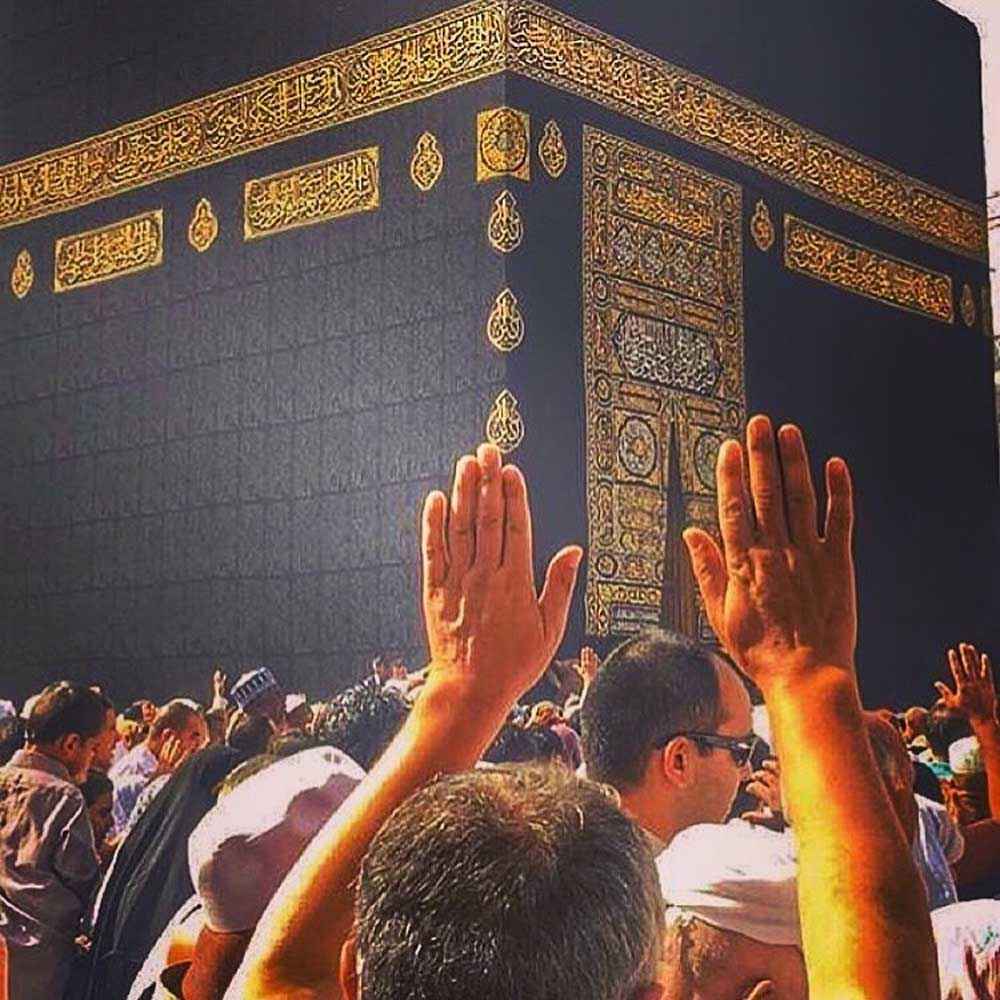
Istilam is performed when a pilgrim aligns with Hajar al-Aswad, which marks the starting point of Tawaf. Each circuit of Tawaf begins and ends at this point, making Istilam a repeated Sunnah action throughout the ritual.
The Prophet ﷺ consistently performed Istilam during Tawaf, and his companions followed this practice, establishing it as a confirmed Sunnah that has continued uninterrupted for centuries.
Islamic Ruling of Istilam
From an Islamic jurisprudence perspective, Istilam is a confirmed Sunnah (Sunnah Mu’akkadah) of Tawaf in both Umrah and Hajj. Performing it brings reward and completes the Sunnah of Tawaf, but leaving Istilam does not invalidate Tawaf.
However, neglecting it without a valid reason reduces the completeness and reward of the act. Islamic scholars unanimously emphasize that causing harm, pushing, or endangering others to perform Istilam is strictly discouraged, as preservation of life and dignity outweighs voluntary Sunnah acts.
When and How Many Times Is Istilam Performed?
Istilam is performed:
- At the start of Tawaf before the first circuit
- At the end of each circuit upon returning to Hajar al-Aswad
This results in eight Istilam actions during the seven circuits of Tawaf. If a pilgrim proceeds directly to Sa‘i, an additional Istilam may be performed before heading toward Safa, making it nine in total according to some scholarly opinions.
Methods of Performing Istilam
Istilam by Kissing the Black Stone
If a pilgrim can reach Hajar al-Aswad without harming anyone:
They place both palms on the stone, position their face between their hands, recite:
بِسْمِ اللّٰهِ وَاللّٰهُ أَكْبَرُ
Bismi Llāhi wa Llāhu Akbar
(In the name of Allah, Allah is the Greatest)
They then gently kiss the stone without noise or exaggeration. The Prophet ﷺ did not press his forehead against the stone, nor did he engage in excessive actions.
Istilam by Touching and Kissing the Hand
If kissing the stone directly is not possible but touching it is:
The pilgrim touches Hajar al-Aswad with the hand and then kisses the hand, reciting the same words of Takbir.
Istilam from a Distance
When crowds prevent physical access, which is common today:
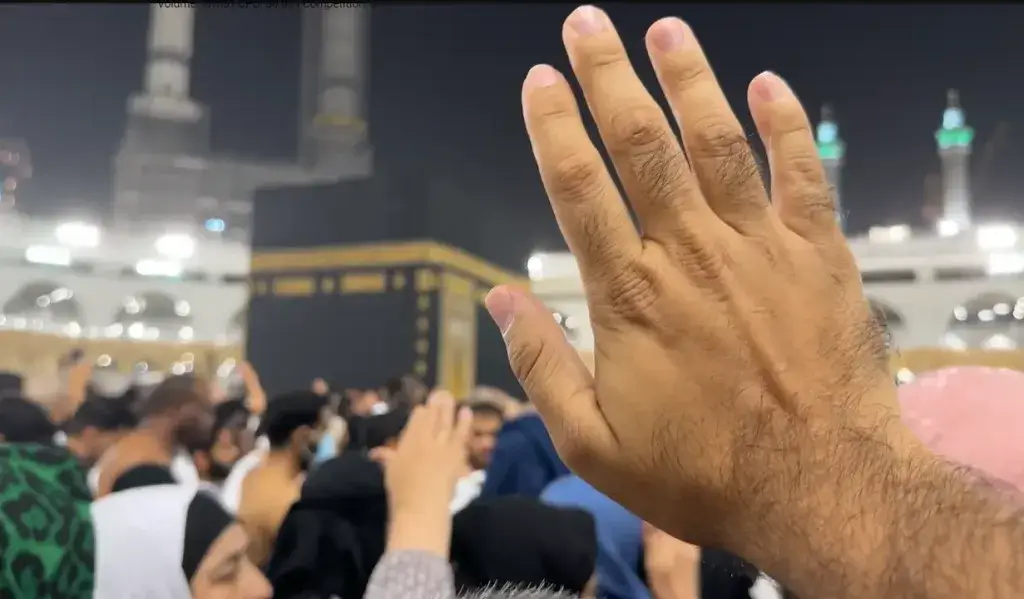
The pilgrim faces Hajar al-Aswad, raises both hands to ear level with palms facing the stone, recites:
بِسْمِ اللّٰهِ وَاللّٰهُ أَكْبَرُ
They then lower their hands. Kissing the palms afterward is optional and not obligatory.
Istilam Dua (Arabic and Meaning)
There is no exclusive lengthy supplication for Istilam. The established Sunnah dua is:
بِسْمِ اللّٰهِ وَاللّٰهُ أَكْبَرُ
In the name of Allah, Allah is the Greatest
This reflects pure obedience rather than ritual complexity.
Istilam During Crowds – What Should You Do?
Islam places immense emphasis on safety, patience, and respect. When Hajar al-Aswad is crowded:
- Perform Istilam from a distance
- Avoid pushing, shouting, or arguing
- Focus on dhikr, humility, and presence of heart
The virtue lies in following the Sunnah as taught, not in physical struggle.
Etiquette and Common Mistakes in Istilam
Many common mistakes include touching the silver frame, wiping the face on the stone, or believing the stone has independent spiritual power. In reality, Hajar al-Aswad is honored only because Allah and His Messenger ﷺ honored it.
Umar ibn al-Khattab رضي الله عنه famously stated that the stone neither benefits nor harms, reinforcing the principle of worship based on obedience, not symbolism.
Istilam for Women – Proper Islamic Etiquette
Women are encouraged to prioritize modesty and safety. If crowding exists, gesturing from a distance is preferred and fully valid. There is no requirement for women to approach the stone physically, and doing so in congested conditions contradicts Islamic decorum.
Istilam in Umrah and Hajj – Practical Context
Istilam is closely linked with other Tawaf-related Sunnahs such as Idtiba‘ and Ramal (for men during specific Tawaf). Understanding where Istilam fits in the overall Umrah and Hajj flow helps pilgrims perform rituals correctly, calmly, and with spiritual focus.
Efficient movement between Makkah sites significantly reduces physical fatigue, especially for elderly pilgrims and families.
Travel Ease for Umrah Pilgrims
A smooth Umrah experience depends not only on ritual knowledge but also on reliable transportation. Comfortable and timely travel between Jeddah Airport, Makkah, Madinah, hotels, and ziyarat locations allows pilgrims to conserve energy for worship.
Professional Umrah taxi services such as Al Maqam Transport provide dedicated Umrah and Ziyarat transportation with experienced drivers, clean vehicles, and flexible scheduling. This ensures pilgrims can focus on Sunnah practices like Istilam without travel stress, delays, or confusion.
FAQs
Is Istilam obligatory in Umrah?
No, Istilam is a confirmed Sunnah, not an obligation.
How many Istilam are there in Umrah Tawaf?
Eight times during Tawaf, with a possible ninth before Sa‘i.
Can Istilam be done without kissing the stone?
Yes, gesturing from a distance is fully valid.
Is Istilam allowed during heavy crowds?
Yes, but only from a distance to prevent harm.
Conclusion
Istilam is a powerful Sunnah act that symbolizes obedience, humility, and love for the practice of Prophet Muhammad ﷺ. Its true essence lies not in physical contact with Hajar al-Aswad but in following the prophetic method with wisdom, patience, and respect for others.
By understanding the correct meaning, ruling, and etiquette of Istilam, pilgrims can perform Tawaf confidently and peacefully. When combined with proper planning, reliable Umrah transportation, and a focus on spiritual intention, Istilam becomes a deeply fulfilling part of the sacred journey—one rooted in Sunnah, safety, and sincere devotion to Allah.

Zeeshan is a professional driver and tour guide who has been living and driving in Saudi Arabia for the past 5 years. With deep knowledge of the roads, landmarks, and Ziyarat locations across Makkah, Madinah, Jeddah, and Taif, he helps pilgrims and travelers enjoy safe, smooth, and well-organized journeys. His experience in Umrah transport, city tours, and airport transfers makes him a trusted expert for visitors exploring Saudi Arabia.