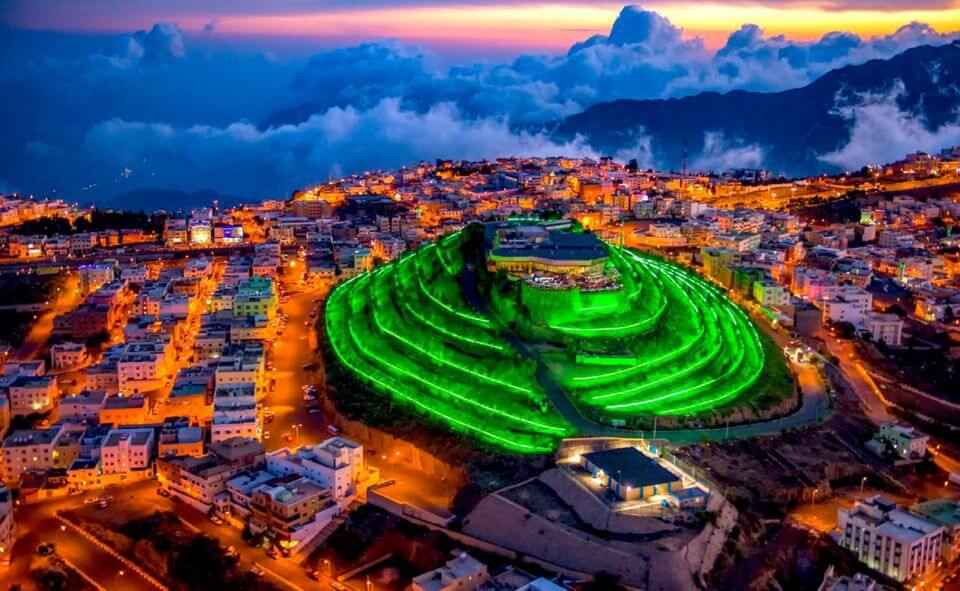



Al-Madinah Al-Munawwarah, meaning “The Enlightened City,” holds a place of deep love, reverence, and spiritual peace in the hearts of Muslims worldwide. Medina is not only a historical city; it is the living home of Prophetic legacy, Islamic governance, and the first Muslim community shaped directly under the guidance of Prophet Muhammad ﷺ.
Understanding the facts about Medina allows Muslims to appreciate its sanctity beyond ziyārah and to connect emotionally with the city where Islam transformed from revelation into a complete way of life.
What Is Medina and Why Is It Sacred in Islam?
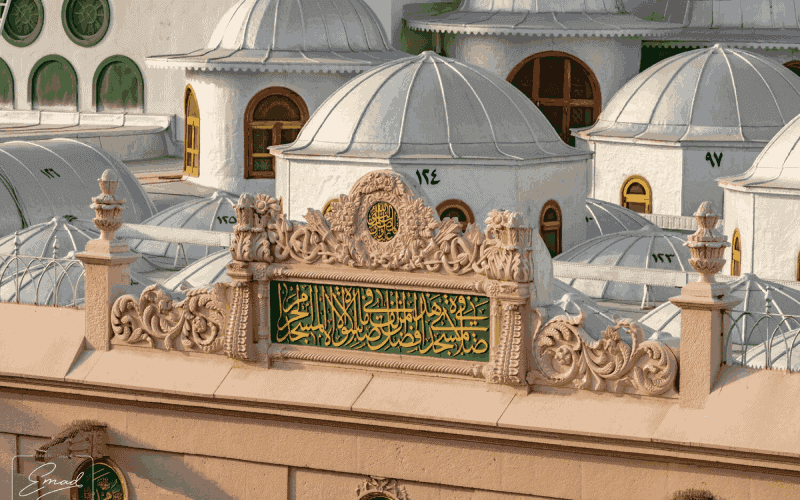
Medina is the second holiest city in Islam after Makkah. While Makkah is the birthplace of revelation, Medina is where Islam was established as a community, state, and moral system. It is the city that welcomed the Prophet ﷺ during the Hijrah in 622 CE and became the center of Islamic leadership until the expansion of Islam across Arabia.
The Prophet ﷺ lived in Medina for the final ten years of his life, received many Qur’anic revelations there, and was laid to rest within Masjid an-Nabawi.
Historical Importance of Medina
Before Islam, Medina was known as Yathrib, an oasis settlement inhabited mainly by Arab tribes and Jewish communities. Tribal conflict was common until the arrival of the Prophet ﷺ, who unified the city spiritually and socially.
The Hijrah from Makkah to Medina marks the beginning of the Islamic (Hijri) calendar, highlighting its civilizational importance rather than merely a physical migration.
One of the most remarkable achievements in Medina was the Constitution of Medina, the first documented social contract in Islamic history. It established justice, mutual rights, religious freedom, and collective security among Muslims, Jews, and other tribes-laying foundations for Islamic governance.
Recommended: Masjid Al Nabawi Map
Religious Landmarks That Define Medina
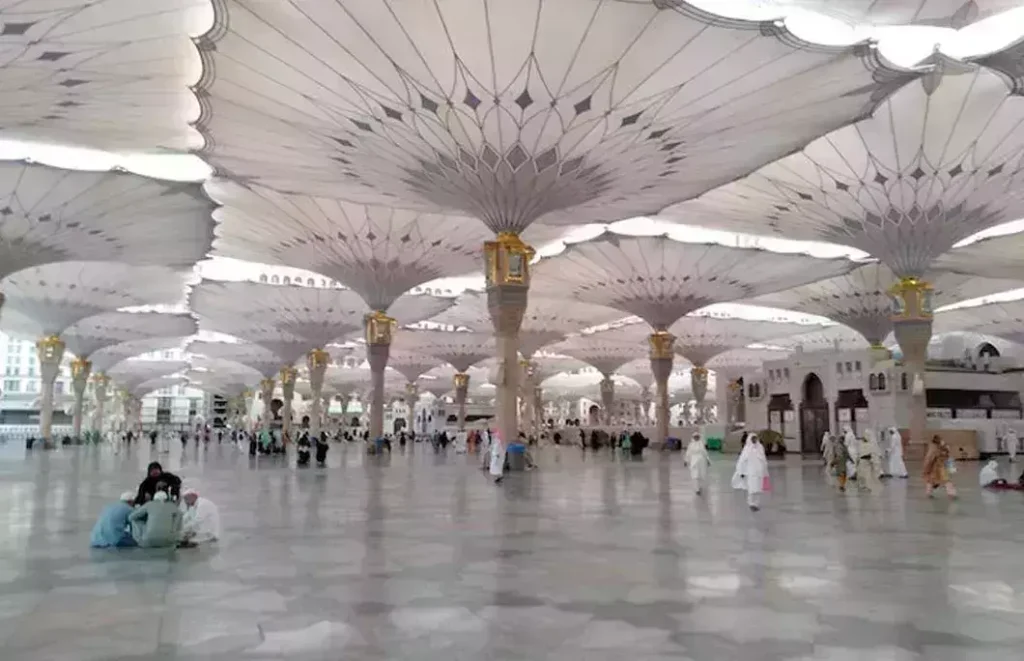
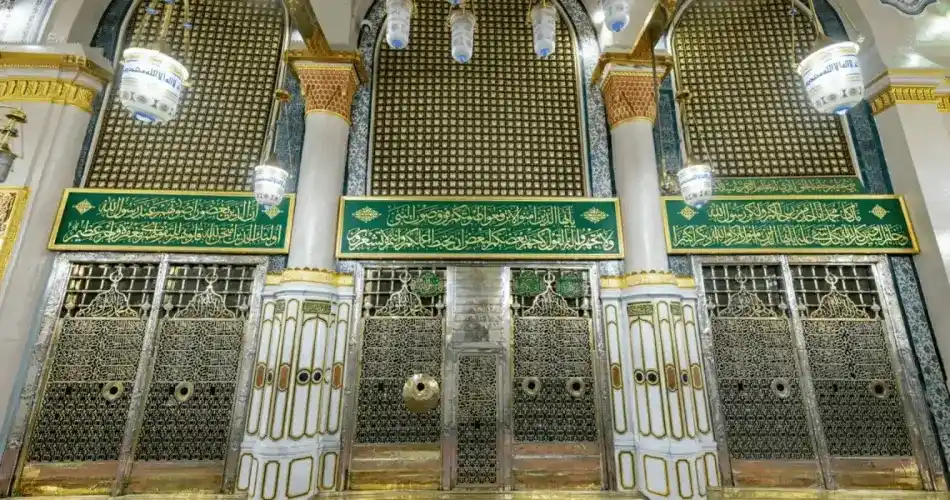
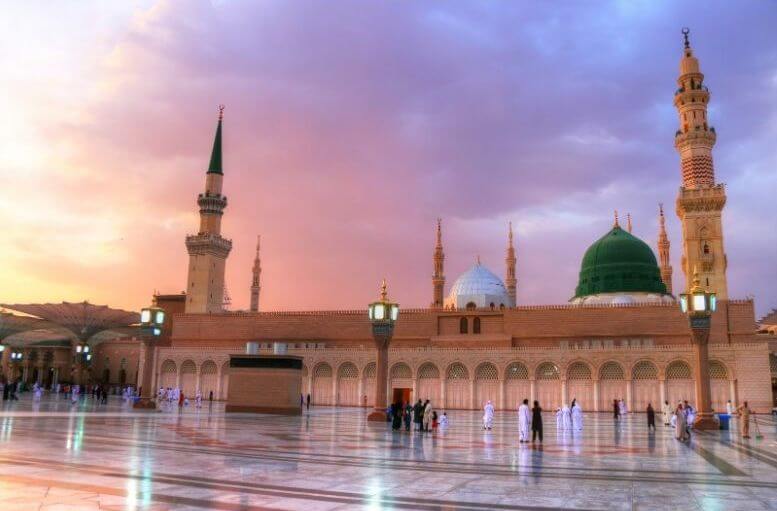
At the heart of the city stands Masjid an-Nabawi, built by the Prophet ﷺ himself. Within it lies the Rawdah Sharifah, described by the Prophet ﷺ as “a garden from the gardens of Paradise.” His blessed grave, along with those of Abu Bakr and Umar (رضي الله عنهما), is located here.
On the outskirts of Medina is Masjid Quba, the first mosque ever built in Islam. Praying there carries the reward of an Umrah according to authentic hadith.
Masjid al-Qiblatayn holds unique significance as the place where the command was revealed to change the Qiblah from Jerusalem to the Ka‘bah in Makkah during prayer.
Recommended: Facts About Masjid Al Nabawi
Top 12 Authentic Facts About Medina
Medina is the final resting place of Prophet Muhammad ﷺ, making it one of the most emotionally significant cities for Muslims. A single prayer in Masjid an-Nabawi is rewarded more than one thousand prayers elsewhere, except Masjid al-Haram.
The city was officially renamed from Yathrib to Al-Madinah, symbolizing unity, order, and Prophetic leadership. It became the first capital of the Islamic state, where faith, law, and ethics were implemented practically.
Medina is declared a Haram sanctuary, meaning violence, hunting, and environmental harm are forbidden within its sacred boundaries. Angels are said to guard its entrances, and Islamic tradition holds that the Dajjal will never enter Medina.
Thousands of companions of the Prophet ﷺ are buried in Jannat al-Baqi, including members of his family and wives. The city also witnessed pivotal battles such as Uhud and Khandaq, which shaped the strength and resilience of the Muslim Ummah.
Many Qur’anic chapters revealed in Medina, known as Madani Surahs, focus on community life, law, ethics, and governance-reflecting Medina’s role in shaping Islamic civilization.
Despite its desert environment, Medina is one of the world’s leading producers of dates, including the famous Ajwa dates, highly regarded in Islamic tradition.
What Muslims Do When Visiting Medina
Visiting Medina is not a ritual requirement of Hajj or Umrah, but it is a deeply recommended act of love and respect. Muslims prioritize praying in Masjid an-Nabawi, visiting the Rawdah (via Nusuk permit), sending salām upon the Prophet ﷺ, and offering prayers for the companions in Jannat al-Baqi.
Ziyārah also includes visiting Masjid Quba, Masjid al-Qiblatayn, Mount Uhud, and other sites connected to the Seerah. The spirit of Medina is calm, reflective, and rooted in adab and humility.
Can Non-Muslims Visit Medina?
Unlike Makkah, non-Muslims are allowed to enter most parts of Medina. However, the Haram area surrounding Masjid an-Nabawi is restricted. Non-Muslims may explore other parts of the city and learn about its history respectfully.
Traveling to Medina During Umrah or Hajj
For Umrah visitors, traveling between Makkah, Medina, Jeddah, and ziyārah sites requires reliable and comfortable transport-especially for families and elderly pilgrims.
Many pilgrims prefer private Umrah taxi services that understand religious schedules, prayer timings, and ziyārah routes. A professional Umrah taxi service ensures peaceful travel, on-time transfers, and respectful drivers familiar with Medina’s sacred locations, enhancing the overall spiritual experience.
Conclusion
Medina is not just a city-it is the heart of Islamic civilization, the home of the Prophet ﷺ, and a sanctuary of peace and faith. From the Hijrah to the Rawdah, from the Ansar to Madani revelations, every corner of Medina carries meaning. Learning these facts deepens love for the Prophet ﷺ and strengthens one’s connection to Islam’s living history.
FAQs
Why is Medina so important in Islam?
Medina is where the Prophet ﷺ lived, established the first Islamic state, received major revelations, and is buried.
Is visiting Medina compulsory in Umrah or Hajj?
No, but it is highly recommended due to the immense spiritual rewards.
What is the Rawdah Sharifah?
It is the area between the Prophet’s house and pulpit, described as a garden from Paradise.
Can non-Muslims enter Medina?
Yes, except for the Haram area around Masjid an-Nabawi.
Which mosque should be visited after Masjid an-Nabawi?
Masjid Quba, the first mosque in Islamic history.

Zeeshan is a professional driver and tour guide who has been living and driving in Saudi Arabia for the past 5 years. With deep knowledge of the roads, landmarks, and Ziyarat locations across Makkah, Madinah, Jeddah, and Taif, he helps pilgrims and travelers enjoy safe, smooth, and well-organized journeys. His experience in Umrah transport, city tours, and airport transfers makes him a trusted expert for visitors exploring Saudi Arabia.