


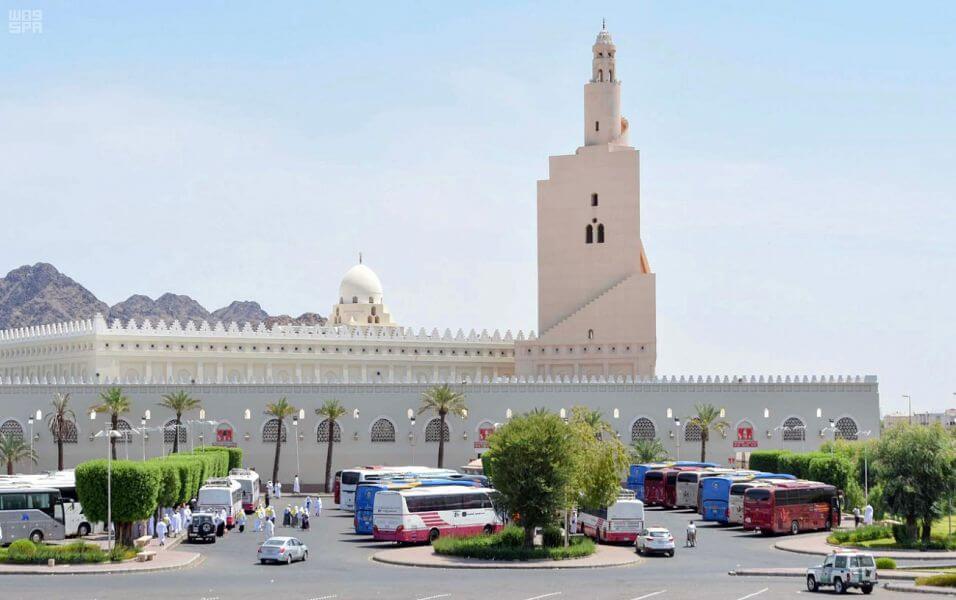
Masjid Dhul Hulayfah, also known as Dhul Hulaifah Miqat Mosque, is one of the most important religious landmarks in Madinah and a compulsory stopping point for pilgrims traveling to Makkah for Hajj or Umrah. It holds unique significance as the designated miqat for anyone departing from Madinah, making it an essential part of the pilgrimage journey rather than merely a historical mosque.
In Islamic law, a miqat is not optional. It is the defined boundary at which pilgrims must enter the sacred state of ihram before proceeding toward Makkah. For travelers starting their journey from Madinah, Masjid Dhul Hulayfah is the only valid miqat.
What Is Masjid Dhul Hulayfah and Why It Is Important
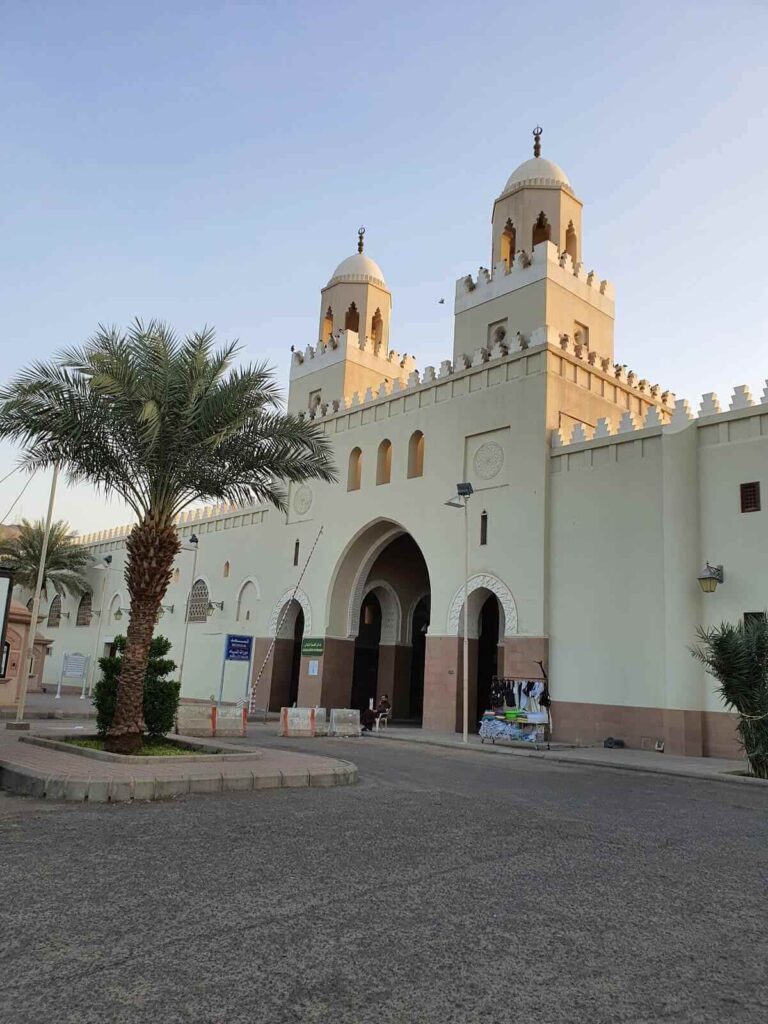
Masjid Dhul Hulayfah serves as the miqat for Madinah, meaning it is the precise location where pilgrims must make their intention and wear ihram before continuing toward the Haram in Makkah. Entering ihram after passing this boundary without a valid reason requires expiation, highlighting the mosque’s legal and spiritual importance.
Unlike other miqat points, Dhul Hulayfah is the farthest miqat from Makkah, located over 400 kilometers away. This distance emphasizes its role as the first spiritual gateway for pilgrims beginning their sacred journey from the city of the Prophet ﷺ.
Location and Geographical Context
Masjid Dhul Hulayfah is located approximately 7 kilometers southwest of Masjid an-Nabawi, on the western side of Wadi al-Aqiq, a valley frequently mentioned in Islamic history. The mosque lies directly on the traditional route connecting Madinah to Makkah, making it easily accessible by road.
Because of its proximity to Madinah, most pilgrims visit the mosque shortly before departure, often after praying at the Prophet’s Mosque and bidding farewell to the city.
Religious and Historical Significance
The spiritual importance of Masjid Dhul Hulayfah is firmly rooted in the Sunnah. Prophet Muhammad ﷺ entered into ihram at this location when he set out for Umrah following the Treaty of Hudaybiyyah. This act established Dhul Hulayfah as the miqat for all subsequent generations of pilgrims traveling from Madinah.
The mosque is also known as Masjid al-Shajarah, meaning “the Mosque of the Tree,” referring to the narration that the Prophet ﷺ prayed beneath a tree at this site. Another commonly used name, Abyar Ali, is linked to historical wells found in the surrounding area, although the name itself is cultural rather than prophetic.
Architectural Design and Mosque Complex
The current structure of Masjid Dhul Hulayfah reflects modern Saudi mosque architecture while maintaining a solemn, functional design suitable for large numbers of pilgrims. The mosque was extensively developed during the era of King Fahd, forming part of a vast complex designed specifically for ihram preparation.
The prayer hall features a square layout, crowned with multiple domes and supported by high vaulted arches that enhance ventilation and spatial openness. A spiral minaret rising approximately 62 meters serves as a visual landmark visible from a distance. The entire complex spans tens of thousands of square meters, allowing it to accommodate thousands of pilgrims simultaneously during peak seasons.
Facilities for Pilgrims Entering Ihram
Unlike ordinary mosques, Masjid Dhul Hulayfah is purpose-built for pilgrims preparing for ihram. The complex includes extensive wudu and ghusl facilities, dedicated changing areas, and hundreds of restrooms designed to handle heavy footfall efficiently.
Clear separation between prayer spaces and preparation areas allows pilgrims to maintain cleanliness and focus on intention without congestion. The mosque is also fully wheelchair accessible, with dedicated paths, parking areas, and restrooms for elderly and disabled visitors.
Miqat Rules for Hajj and Umrah from Madinah
Anyone traveling from Madinah to Makkah with the intention of performing Hajj or Umrah must enter ihram at Masjid Dhul Hulayfah or before passing it. This includes residents, visitors, and pilgrims arriving in Madinah from other countries who then proceed south.
At the mosque, pilgrims typically perform voluntary prayers, make the niyyah for Umrah or Hajj, and recite the talbiyah before continuing their journey. One common mistake is delaying the intention until reaching the highway or airport, which contradicts miqat requirements. Dhul Hulayfah is the correct and safest place to fulfill this obligation.
Visiting Masjid Dhul Hulayfah Today
Masjid Dhul Hulayfah remains open 24 hours a day, serving pilgrims year-round. It is easily reachable from central Madinah by taxi, private vehicle, or organized transport services. Due to its constant use, the mosque is well maintained and staffed to assist pilgrims, especially during Hajj and Umrah seasons.
Spiritual Preparation Before Leaving Madinah
Beyond legal requirements, Masjid Dhul Hulayfah represents a moment of deep spiritual transition. It marks the shift from ordinary life into a state of worship defined by humility, discipline, and remembrance of Allah. Many pilgrims take time here to reflect, make sincere intentions, and mentally prepare before leaving the city of the Prophet ﷺ and heading toward the House of Allah.
FAQs
Is Masjid Dhul Hulayfah mandatory for Umrah from Madinah?
Yes. Anyone traveling from Madinah to Makkah for Umrah must enter ihram at Dhul Hulayfah or before crossing it.
Why is it also called Masjid al-Shajarah?
The name refers to a tree under which the Prophet Muhammad ﷺ prayed at this location.
Can pilgrims enter ihram at their hotel in Madinah instead?
They may wear ihram earlier, but the intention (niyyah) must be made at Dhul Hulayfah or before passing it.

Zeeshan is a professional driver and tour guide who has been living and driving in Saudi Arabia for the past 5 years. With deep knowledge of the roads, landmarks, and Ziyarat locations across Makkah, Madinah, Jeddah, and Taif, he helps pilgrims and travelers enjoy safe, smooth, and well-organized journeys. His experience in Umrah transport, city tours, and airport transfers makes him a trusted expert for visitors exploring Saudi Arabia.