


The Birthplace of Prophet Muhammad (ﷺ) holds deep historical and spiritual significance in Islam. It marks the beginning of a life that transformed human history, ethics, and belief. Located in the heart of Makkah, this site is not a shrine for ritual worship, but a preserved historical landmark that connects Muslims to the origins of the final Messenger of Allah.
Where Was Prophet Muhammad (ﷺ) Born?
Prophet Muhammad (ﷺ) was born in Makkah, in the Hejaz region of western Arabia, around 570–571 CE, a period remembered as the Year of the Elephant. His birth took place in a family house belonging to his father Abdullah ibn Abdul Muttalib, in the district of Banu Hashim, part of the powerful Quraysh tribe.
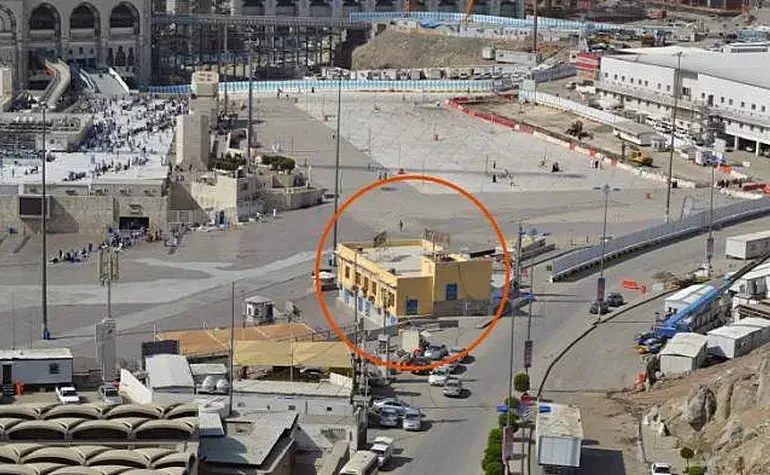
This area was historically known as Suq al-Layl and She‘eb Banu Hashim, located just outside what is now the eastern side of Masjid al-Haram, near the hills of Safa and Marwa.
The house later became known as Bayt al-Mawlid, meaning the House of the Birth.
Birthplace of Prophet Muhammad Historical Context of the Birth
The Prophet (ﷺ) was born in Rabi‘ al-Awwal, on a Monday, according to the most reliable historical narrations. Scholars differ on the exact date, but there is strong agreement on the year and the blessed day of the week.
He was born into a noble lineage tracing back through Adnan to Prophet Ismail (عليه السلام) and Prophet Ibrahim (عليه السلام). His father passed away before his birth during a trade journey, and his mother Aminah bint Wahb raised him briefly before her own passing a few years later. As such, the Prophet (ﷺ) entered the world as an orphan, under the care of his grandfather Abdul Muttalib.
Authentic narrations mention that Aminah experienced a vision of light at the time of his birth, symbolizing the far-reaching impact of his message. Other dramatic miracle stories exist in historical texts, but scholars emphasize caution and authenticity when recounting them.
From Family Home to Historical Landmark
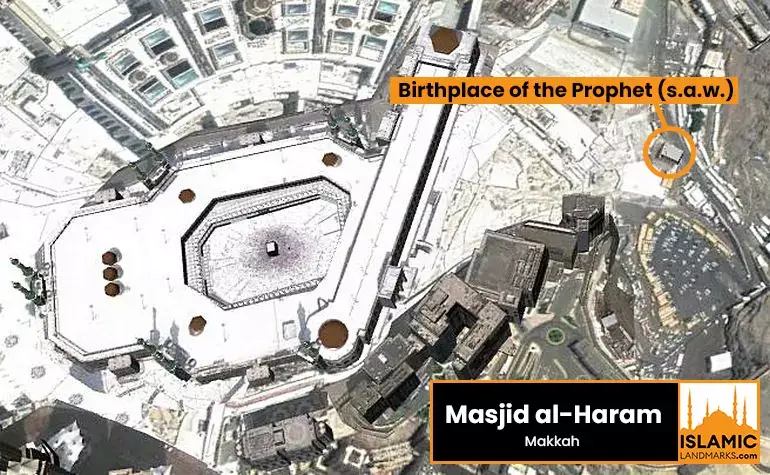
After the Prophet’s migration (Hijrah) to Madinah, the house passed into other ownership and went through several transformations. During the Abbasid period, Caliph Harun al-Rashid ordered the site to be marked and preserved due to its historical importance.
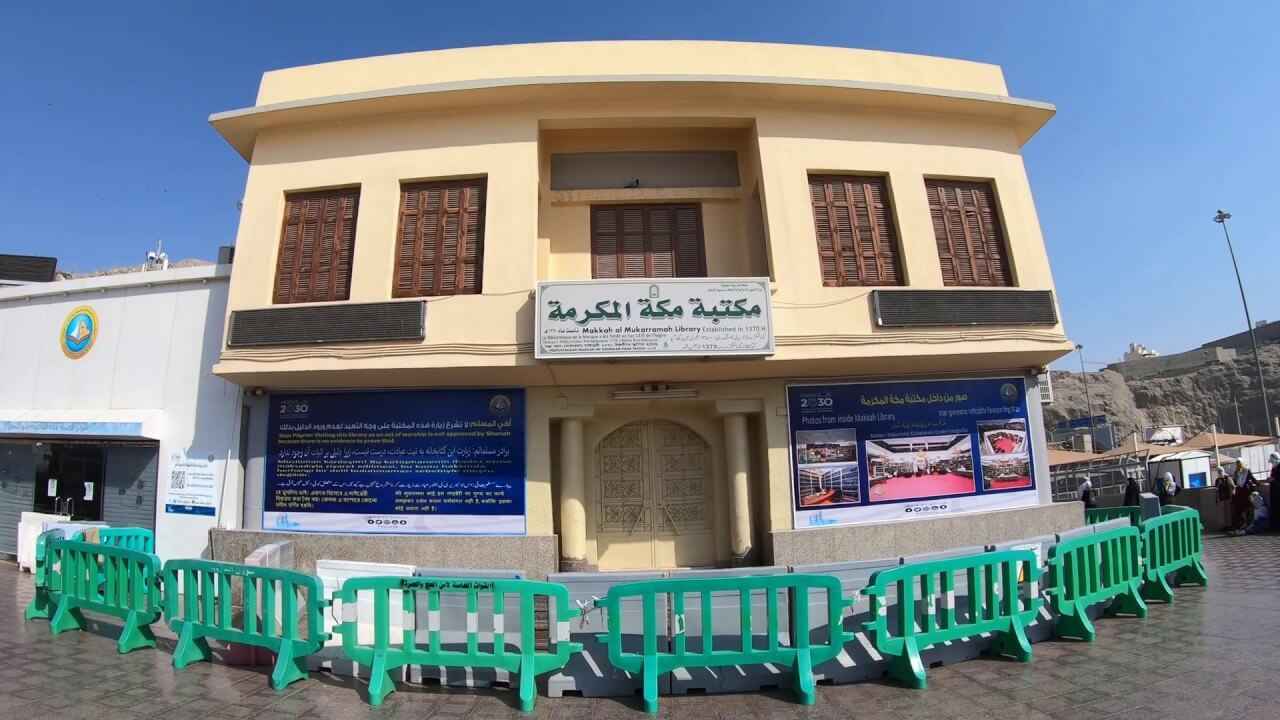
Over the centuries, it was occasionally used as a place of prayer and remembrance. In the mid-20th century, the Saudi authorities established the Makkah Al-Mukarramah Library on the site. This approach preserved the historical location while ensuring that it did not become a place of ritual veneration, in line with Islamic principles of tawhid.
The Birthplace Today – Location and Reality
Today, the birthplace is identified by a modest two-story building functioning as a public library and educational space. It lies approximately 400–500 meters from the Kaaba, easily reachable on foot from Safa/Marwa.
There are no visible markers inside indicating a shrine-like structure. Many pilgrims pass by without realizing its historical importance unless guided.
Visiting the Birthplace as a Pilgrim
Visiting the location is part of historical ziyarat, not an act of worship. Entry into Makkah itself is restricted to Muslims, and normal Umrah or Hajj regulations apply.
Pilgrims typically acknowledge the site respectfully, reflect on the Prophet’s early life, and move on. Photography rules depend on local administration, and access to the library may vary.
The experience is intentionally simple, emphasizing learning and reflection rather than ceremony.
Why the Birthplace Matters in Islamic History
The importance of the Birthplace of Prophet Muhammad (ﷺ) lies not in physical structures, but in what began there: a life that reshaped belief, law, morality, and civilization. Understanding this location provides historical grounding to the Seerah and strengthens appreciation of Makkah’s role beyond pilgrimage rituals.
Transport and Ziyarat Planning in Makkah
For pilgrims visiting Makkah for Umrah, Hajj, or short ziyarat tours, reliable local transport makes a significant difference—especially for elderly pilgrims and families.
If you are planning visits to historical sites around Masjid al-Haram, including the Prophet’s birthplace area, professional Umrah and taxi services in Makkah can help ensure safe, timely, and comfortable travel. Experienced local drivers familiar with Haram access points, prayer timings, and ziyarat routes can enhance your overall spiritual journey while reducing logistical stress.
FAQs
Is the original house of the Prophet (ﷺ) still standing?
No, the original residential structure no longer exists. The location is preserved through the Makkah Al-Mukarramah Library built on the same site.
How far is the birthplace from the Kaaba?
It is roughly 400–500 meters from Masjid al-Haram, near Safa and Marwa.
Can pilgrims pray inside the building?
The site is not designated for prayer. Visitors are encouraged to maintain respect and avoid ritual acts specific to the location.
Is visiting the birthplace mandatory in Umrah or Hajj?
No, it is not part of Umrah or Hajj rites. It is a historical visit only.
Conclusion
The Birthplace of Prophet Muhammad (ﷺ) stands as a quiet yet powerful reminder of humble beginnings that led to a universal message. Preserved today as a historical site near Masjid al-Haram, it invites reflection rather than ritual, learning rather than ceremony. For pilgrims and students of Islamic history alike, understanding this place deepens appreciation of the Prophet’s life and Makkah’s enduring role in Islam. When combined with thoughtful planning and reliable local transport, visiting such landmarks can become a meaningful and well-organized part of your sacred journey.

Zeeshan is a professional driver and tour guide who has been living and driving in Saudi Arabia for the past 5 years. With deep knowledge of the roads, landmarks, and Ziyarat locations across Makkah, Madinah, Jeddah, and Taif, he helps pilgrims and travelers enjoy safe, smooth, and well-organized journeys. His experience in Umrah transport, city tours, and airport transfers makes him a trusted expert for visitors exploring Saudi Arabia.