


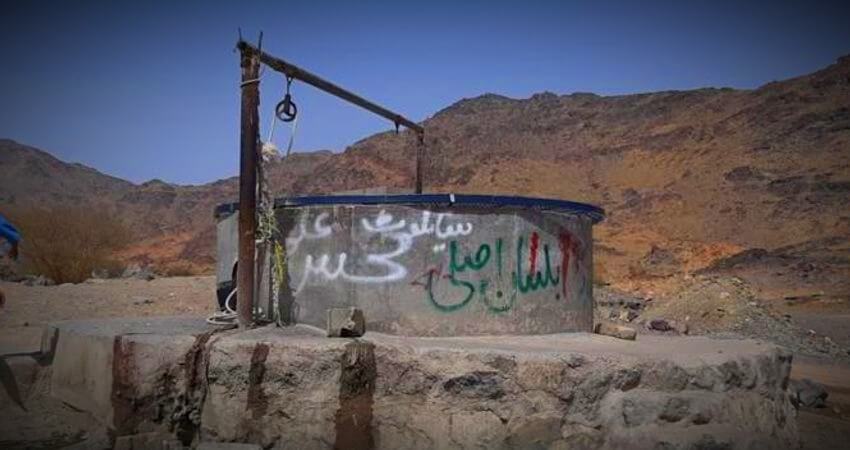
Beer e Roha, also known as Bir al-Rawha or Beer e Shifa, is a historic well located southwest of Madinah along the old caravan route toward Makkah. Situated in the blessed valley of Wadi al-Rawha, this site is deeply connected to early Islamic history and remains a meaningful ziyarat stop for pilgrims traveling toward Badr.
For many visitors, Beer e Roha is not just a historical landmark-it is a place of reflection, remembrance, and spiritual connection.
What Is Beer e Roha?
Beer e Roha is a well historically associated with the journeys of Prophet Muhammad ﷺ. The well lies approximately 70-90 minutes west of Madinah on the Yanbu/Badr route, about 80 kilometers from Masjid an-Nabawi.
Over time, it became popularly known as “Beer e Shifa” (the Well of Healing), due to local traditions surrounding the transformation of its water.
The valley itself, Wadi al-Rawha, is frequently mentioned in early Islamic narrations as a resting point for travelers journeying between Madinah and Makkah.
Historical Significance of Bir al-Rawha
Connection to Prophet Muhammad ﷺ
According to traditional reports, the Prophet ﷺ passed through this valley during his journey toward the Battle of Badr in 2 AH (14th Ramadan). It is reported that he and his companions camped in this area and used water from the well.
Some narrations mention that the well’s water was originally salty or unpleasant. After the Prophet ﷺ spat into it, the water became sweet and drinkable. This event is widely circulated in local tradition, though scholars note that the chains of narration regarding the miracle vary in strength.
Link to the Battle of Badr
Beer e Roha is closely associated with the route taken before the historic Battle of Badr-the first major battle in Islamic history. The valley served as a strategic resting point before the Muslim army proceeded toward Badr.
Valley of the Prophets
Some narrations state that around seventy prophets passed through Wadi al-Rawha on their way to perform pilgrimage in Makkah. While these reports are cited in traditional sources, their exact historical authentication varies among scholars.
Eschatological Narrations
Certain hadith mention that Prophet Isa (AS) will enter into Ihram in the valley of Rawha upon his return near the end of times. This further enhances the spiritual significance of the location.
The Healing Water – Belief and Scholarly Perspective
The name “Beer e Shifa” comes from the belief that the well’s water possesses healing properties. Visitors often drink from it with the intention of barakah (blessing) and shifa (healing).
However, it is important to approach this with balance:
- The transformation of the water is based largely on traditional narrations.
- There is no scientific evidence proving medicinal properties.
- Islamic teaching emphasizes that healing ultimately comes from Allah.
For many pilgrims, the value lies not in physical healing alone but in spiritual reflection and connection to prophetic history.
Location and How to Reach Beer e Roha from Madinah
Beer e Roha is located on the Madinah-Yanbu/Badr road. The final stretch includes a smaller, sometimes unpaved road, making it important to travel with a driver familiar with ziyarat routes.
Distance & Travel Time
- Approximately 80 km from Masjid an-Nabawi
- 70–90 minutes by car
Transportation Options
There is no public transport directly to the site. Most visitors:
- Hire a private taxi
- Book a Madinah ziyarat tour
- Combine it with a Badr historical trip
If you are visiting Madinah for Umrah or ziyarat, arranging a comfortable and experienced driver is essential. Our Umrah and intercity taxi service provides reliable trips from Madinah to Beer e Roha, Badr, and other historical sites, with drivers familiar with the exact route and stopping points. This ensures a smooth journey, especially when visiting remote locations like Wadi al-Rawha.
What to Expect at the Site
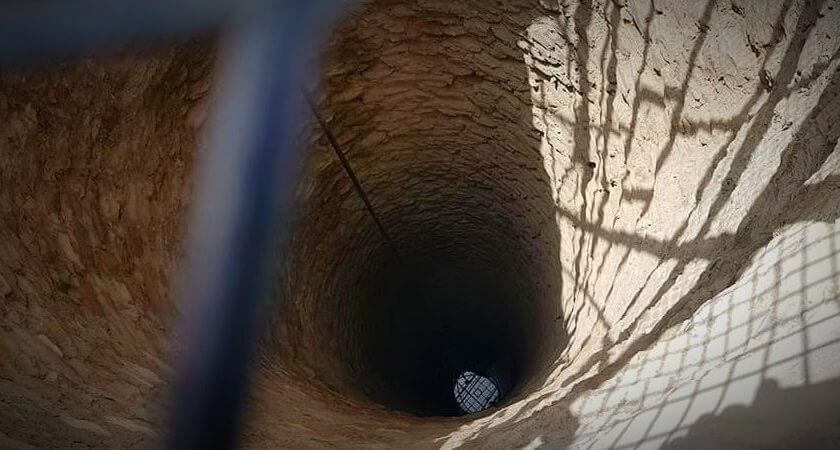
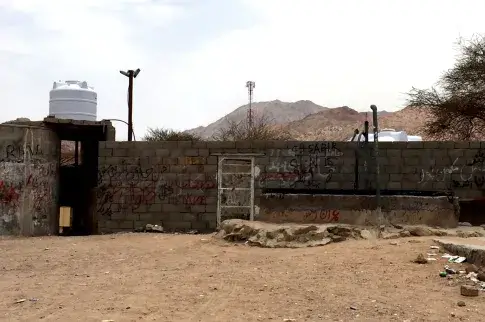
Today, the well is covered with a protective grill for safety. Water is extracted using a motor and stored in tanks. Visitors can:
- Drink directly from taps
- Fill bottles
- Offer two rak‘ahs in the nearby small mosque often referred to as Masjid al-Rawha
Facilities are basic. You may find local vendors selling bottles, but restrooms and shade structures can be limited.
Best Time to Visit & Practical Tips
The desert climate can be extremely hot, particularly in summer. The best times to visit are:
- Early morning after Fajr
- Late afternoon before Maghrib
Practical advice:
- Carry your own water bottles
- Bring tissues and sanitizer
- Avoid overcrowding at taps
- Maintain cleanliness and respect
Traveling with a professional taxi service from Madinah ensures you avoid route confusion and can manage your time efficiently, especially if combining Beer e Roha with Badr ziyarat.
Ziyarat Spots Near Beer e Roha on the Badr Route
Many pilgrims combine Beer e Roha with:
- The battlefield of Badr
- Masajid associated with the Battle of Badr
- Historical sites along the caravan route
A half-day or full-day ziyarat from Madinah can comfortably include these stops before returning by afternoon.
Conclusion
Beer e Roha (Bir al-Rawha) stands as a powerful reminder of the early journeys of Islam. Located in the historic Wadi al-Rawha valley, it connects visitors to the path taken by the Prophet Muhammad ﷺ on the way to Badr.
While some narrations regarding the well’s miraculous transformation vary in authenticity, the valley’s historical presence in prophetic journeys remains widely recognized. For pilgrims visiting Madinah, Beer e Roha offers a meaningful extension of ziyarat beyond the city-one that combines history, spirituality, and reflection.
With proper planning and reliable transportation, your visit can be comfortable, organized, and spiritually enriching.
FAQs
1. How far is Beer e Roha from Madinah?
It is approximately 80 km west of Madinah and takes about 70–90 minutes by car.
2. Is Beer e Roha water really healing?
The belief in its healing properties comes from traditional narrations. There is no scientific proof, and scholars advise maintaining a balanced understanding.
3. Can I visit Beer e Roha without a tour?
Yes, but you will need a private taxi or car, as there is no public transportation to the site.
4. Is Beer e Roha connected to the Battle of Badr?
Yes. The Prophet ﷺ and his companions reportedly camped in the valley on the way to the Battle of Badr.
5. What is the best time to visit Beer e Roha?
Early morning or late afternoon is ideal due to the desert heat.

Zeeshan is a professional driver and tour guide who has been living and driving in Saudi Arabia for the past 5 years. With deep knowledge of the roads, landmarks, and Ziyarat locations across Makkah, Madinah, Jeddah, and Taif, he helps pilgrims and travelers enjoy safe, smooth, and well-organized journeys. His experience in Umrah transport, city tours, and airport transfers makes him a trusted expert for visitors exploring Saudi Arabia.