


What is the Zubaida Canal?
The Zubaida Canal, also known as Ain Zubaida (عين زبيدة) or Nahr Zubaida, is one of the most remarkable hydraulic engineering projects of the early Islamic world. Built during the Abbasid era around the early 9th century CE, it was designed to supply water to Makkah and the sacred Hajj sites.
This canal system combined underground qanat tunnels and above-ground channels, ensuring a steady water supply in one of the harshest desert climates. For over a thousand years, it served pilgrims traveling to Masjid al-Haram and surrounding holy areas.
Who Was Zubaidah bint Ja’far?
Zubaidah bint Ja’far was a prominent Abbasid queen and the wife of Harun al-Rashid. Known for her intelligence, wealth, and devotion, she dedicated much of her life to public welfare.
Her most enduring legacy lies in improving the pilgrimage experience. Beyond the canal, she also funded infrastructure along the historic Hajj route, later known as Darb Zubaida.
Why the Zubaida Canal Was Built
During one of her Hajj journeys around 809 CE, Zubaidah witnessed a severe water shortage in Makkah. Pilgrims and residents struggled due to drought conditions, despite the presence of the sacred Zamzam Well.
Determined to solve this crisis, she commissioned engineers to develop a large-scale water system. Due to the rocky terrain, traditional surface canals were not feasible. Instead, experts proposed an underground aqueduct system-leading to the creation of the Zubaida Canal.
Construction and Engineering of the Canal
Qanat System and Underground Channels
The canal was primarily built using a qanat system, consisting of gently sloping underground tunnels that transported water over long distances. Around 130 vertical shafts were constructed for ventilation, maintenance, and excavation.
Length, Route, and Distribution
The system extended approximately 27–35 kilometers, carrying water from Wadi Nu’man and earlier sources in Wadi Hunayn toward Makkah. Water was distributed to key pilgrimage areas, including:
Materials and Structural Design
The canal used stone-lined channels, masonry reservoirs, and carefully calculated gradients to maintain smooth water flow. This minimized evaporation and ensured durability in extreme desert conditions.
Route and Key Locations
The canal began in the eastern valleys near Taif and Arafat, particularly Wadi Nu’man, where groundwater was naturally stored. From there, it flowed toward Arafat and continued into Makkah’s outskirts, integrating into the city’s water distribution network.
Remains of the canal can still be found near Arafat, especially at the base of the mountain.
Hydrology and Water Management
The brilliance of the Zubaida Canal lies in its sustainable water management. It relied on:
- Seasonal rainfall and runoff from surrounding mountains
- Natural underground aquifers
- Gravity-driven flow to eliminate the need for mechanical systems
This system allowed continuous operation for over a millennium, making it one of the longest-functioning water infrastructures in Islamic history.
Notable Sections of the Canal
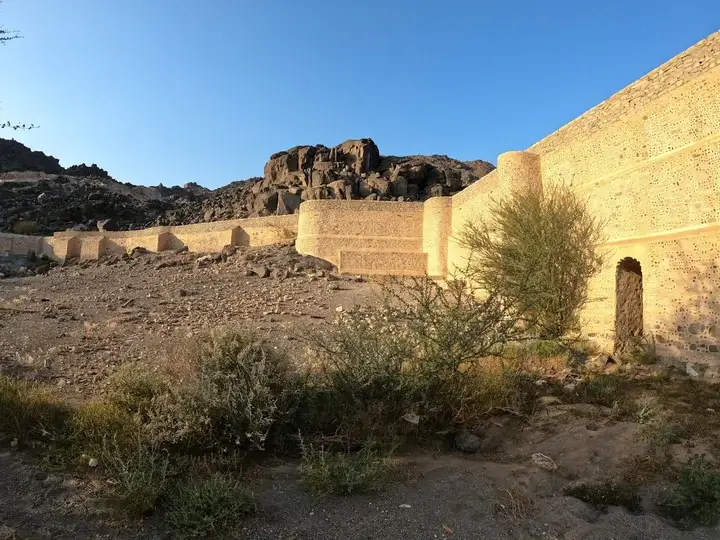
Sadd al-Khasirah Dam
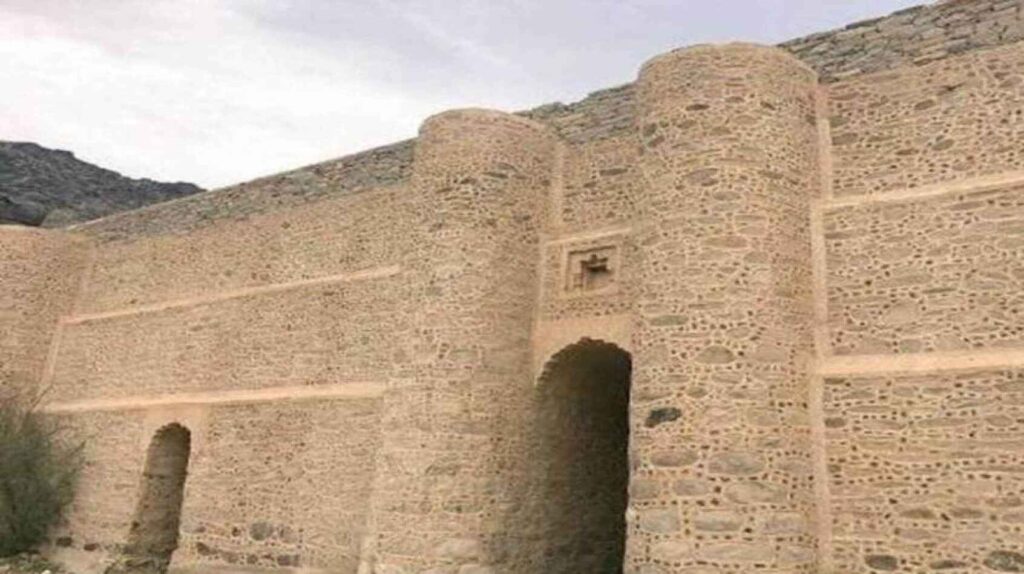
One of the most significant surviving features is Sadd al-Khasirah, a dam built using local stone and mortar. It functioned as a collection and distribution point for water and served travelers along the route.
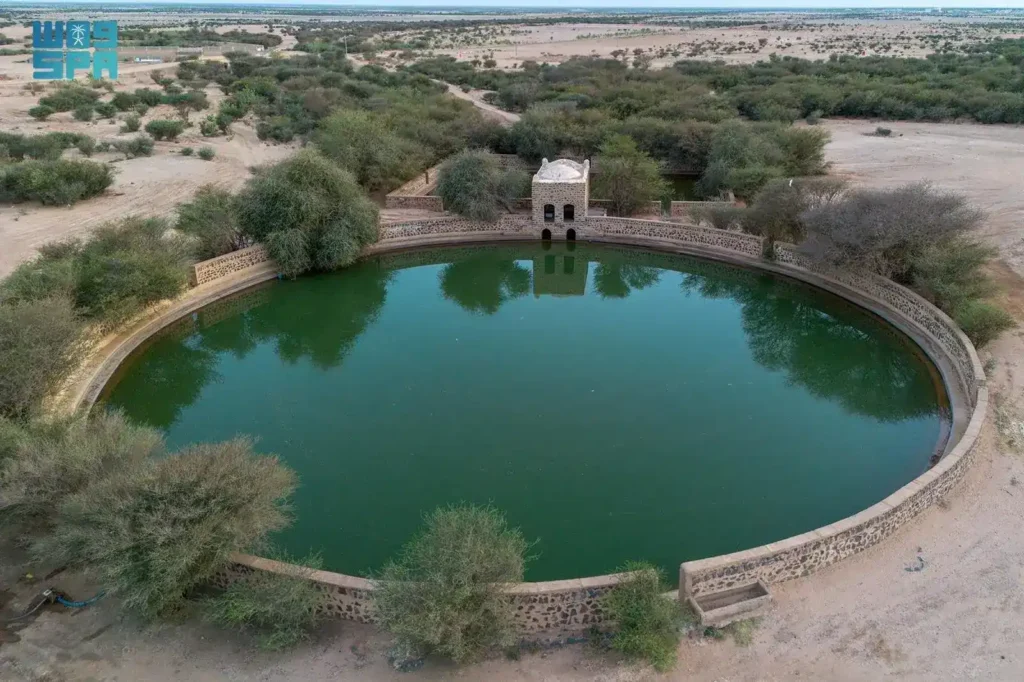
Reservoirs and Distribution Points
Multiple reservoirs and cisterns were constructed along the canal to store and distribute water efficiently, particularly near Arafat and the outskirts of Makkah.
Historical Timeline and Restoration
The canal was completed in the early Abbasid period (circa 801–810 CE) and remained operational for centuries. It underwent maintenance during medieval and Ottoman periods.
In the modern era, restoration efforts were initiated during the reign of King Abdulaziz around 1928, preserving parts of the canal as a historical landmark.
Decline and Current Status
Despite its longevity, the canal eventually declined due to:
- Groundwater depletion
- Urban expansion
- Increased reliance on modern water systems
By the late 20th century (around the 1970s–1980s), the canal had largely dried up. Today, only fragments remain, primarily as archaeological and heritage sites.
Difference Between Zubaida Canal and Darb Zubaida
Although both are associated with Zubaidah, they are different المشاريع:
- Zubaida Canal: A hydraulic water system in Makkah
- Darb Zubaida: A long-distance pilgrimage road from Iraq to Makkah
They share the same purpose-facilitating Hajj-but differ in function and geography.
Visiting Zubaida Canal Sites Today
Pilgrims and visitors can still explore parts of the canal near Mount Arafat. These remnants provide a glimpse into early Islamic engineering excellence.
If you’re planning to visit these historical sites along with your Umrah or Hajj journey, arranging reliable transportation is essential. خدمات مثل Al Maqam Transport offer comfortable taxi and Umrah travel services across Makkah, Arafat, Mina, and beyond-making it easier to explore both spiritual and historical landmarks without hassle.
Conclusion
The Zubaida Canal stands as a timeless symbol of Islamic innovation, philanthropy, and engineering mastery. Built to solve a critical water crisis, it supported millions of pilgrims for over a thousand years. Even in its ruins, it reflects the vision of Zubaidah bint Ja’far, whose legacy continues to shape the history of Makkah and the Hajj experience.
FAQs
What is the Zubaida Canal?
It is an ancient Abbasid-era water system built to supply water to Makkah and Hajj sites using underground qanat technology.
Who built the Zubaida Canal?
It was commissioned by Zubaidah bint Ja’far, wife of Caliph Harun al-Rashid.
How long is the Zubaida Canal?
The canal extends approximately 27 to 35 kilometers, depending on the section and source.
Is the Zubaida Canal still functional?
No, it stopped functioning in the late 20th century due to groundwater depletion and modern infrastructure.
Where can I see the Zubaida Canal today?
Remains can be found near Mount Arafat and surrounding areas in Makkah.

Zeeshan is a professional driver and tour guide who has been living and driving in Saudi Arabia for the past 5 years. With deep knowledge of the roads, landmarks, and Ziyarat locations across Makkah, Madinah, Jeddah, and Taif, he helps pilgrims and travelers enjoy safe, smooth, and well-organized journeys. His experience in Umrah transport, city tours, and airport transfers makes him a trusted expert for visitors exploring Saudi Arabia.