


The term ash shuhada (الشهداء) means “the martyrs” in Arabic. In Madinah, however, it most specifically refers to the historic area near Mount Uhud known as Sayyid al-Shuhada – the resting place of the martyrs of the Battle of Uhud and one of the most visited ziyārah sites after Al-Masjid an-Nabawi.
Located about 3-3.5 kilometers north of the Prophet’s Mosque, this area preserves one of the most defining battlefields in early Islamic history. For visitors performing Umrah or visiting Madinah, understanding the meaning and history of Sayed ash Shuhada deepens the spiritual experience of ziyārah.
What Does “Sayyid al-Shuhada” Mean in Islam?
“Shuhada” is the plural of shaheed, meaning martyr – one who bears witness through sacrifice. The title Sayyid al-Shuhada translates as “Master of the Martyrs.”
Historically, this title was first given to Hamza ibn Abd al-Muttalib, the beloved uncle of Prophet Muhammad ﷺ. He was martyred during the Battle of Uhud in 3 AH (625 CE). His courage and steadfastness earned him immense honor among the companions.
In broader Islamic history, the title is also famously associated with Husayn ibn Ali, who was martyred in 680 CE at the Battle of Karbala. While both figures share the title in different historical contexts, in Madinah the name “Sayed ash Shuhada” primarily commemorates Hamza (RA) and the martyrs of Uhud.
The Battle of Uhud and the Martyrs
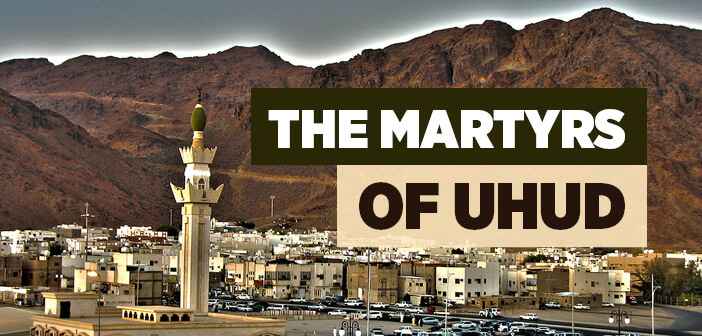
The Battle of Uhud took place at the foot of Mount Uhud on 3 Shawwal 3 AH (22 March 625 CE). It was fought between the Muslims of Madinah and the Quraysh of Makkah.
A critical strategic location during the battle was Jabal al-Rumah, known as the Archers’ Hill. Prophet Muhammad ﷺ positioned fifty archers on this hill with strict instructions not to abandon their posts. When some left their position, the opposing cavalry exploited the gap, leading to heavy Muslim losses.
Approximately seventy companions were martyred that day, including Hamza (RA). The Prophet ﷺ personally supervised their burial on the battlefield itself. Their graves remain preserved in what is now known as the Uhud Martyrs’ Cemetery.
The events of Uhud are remembered not only for sacrifice but also for powerful lessons about discipline, obedience, and trust in divine decree.
Main Sites in the Sayed ash Shuhada Area
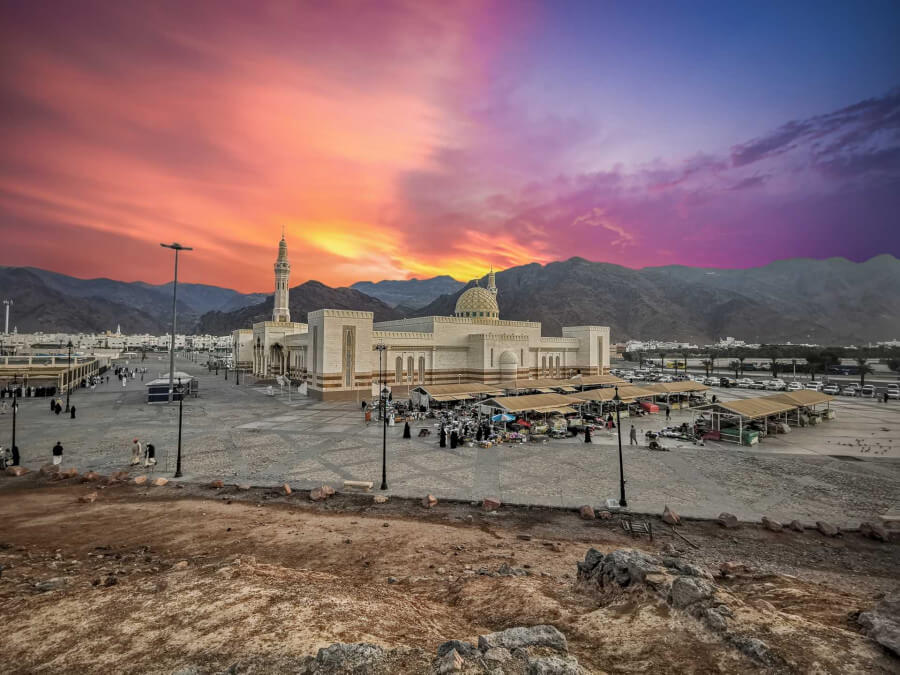
Today, the Sayed ash Shuhada zone is a well-developed heritage and ziyārah site covering hundreds of hectares around the Uhud battlefield.
1. Sayed al-Shuhada Mosque
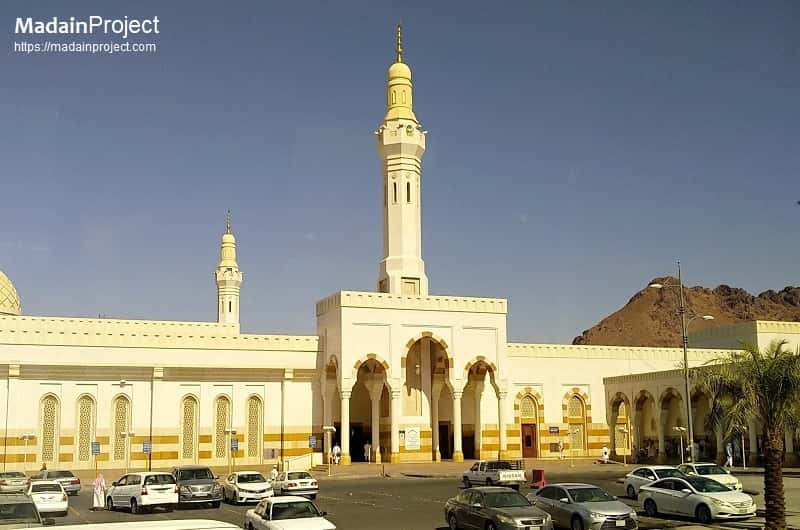
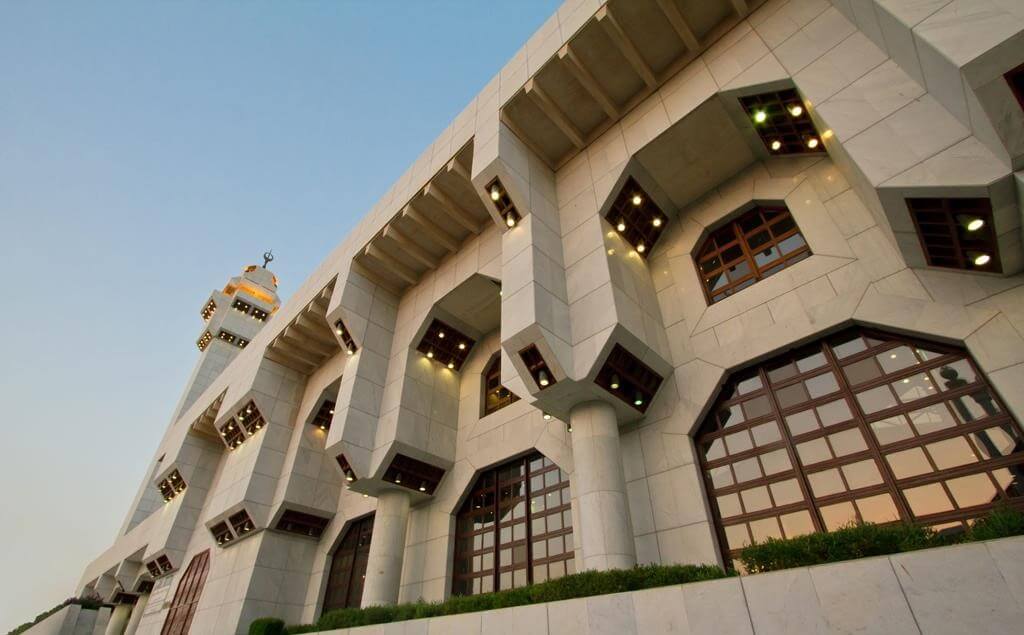
The Sayed al-Shuhada Mosque was rebuilt and expanded in 2017 as part of a large development project. The mosque accommodates around 15,000 worshippers and features a single dome with two minarets, blending traditional Islamic architecture with modern design.
Pilgrims often pray here before visiting the cemetery. The mosque also serves as an educational point where visitors reflect on the historical significance of Uhud.
2. Uhud Martyrs’ Cemetery
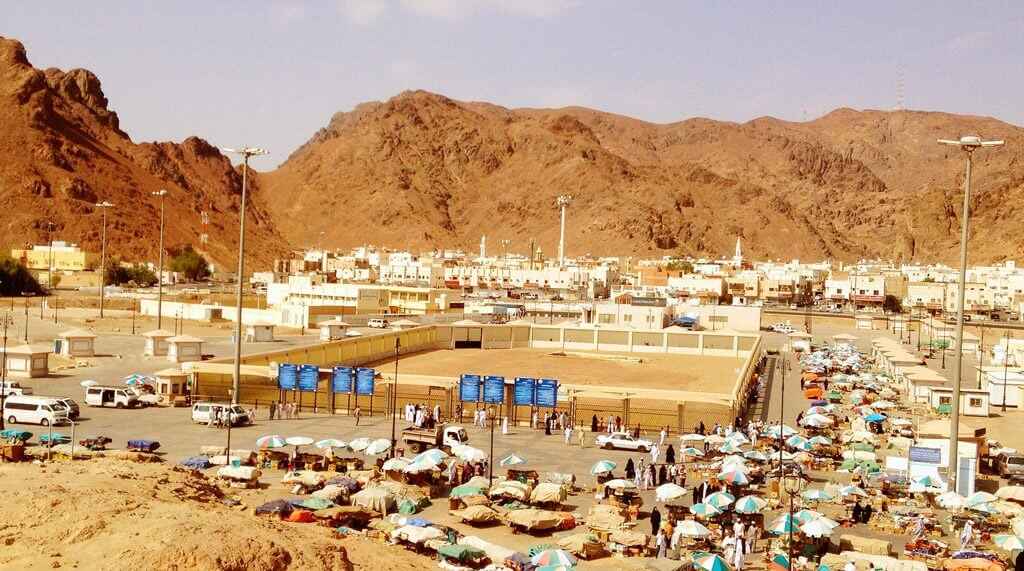
The Uhud Martyrs Cemetery is the burial ground of the seventy companions martyred during the battle. The graves are enclosed and respectfully maintained.
Visitors stand at the railings, offer salām, and make du‘ā for the martyrs. It is important to observe proper Islamic etiquette: no photography inside restricted areas, no touching or seeking intercession from graves – only supplication to Allah for the deceased.
3. Archers’ Hill (Jabal al-Rumah)
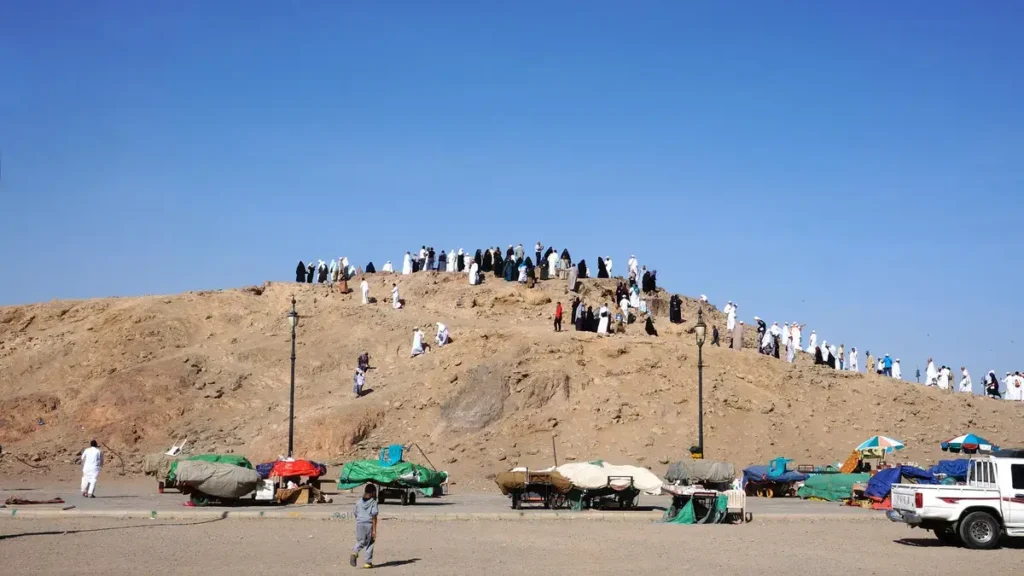
Climbing partway up Archers’ Hill provides a panoramic view of the battlefield. From here, visitors can visualize how the events unfolded. This physical landscape makes the historical narrative tangible and memorable.
4. Martyrs’ Square and Surroundings
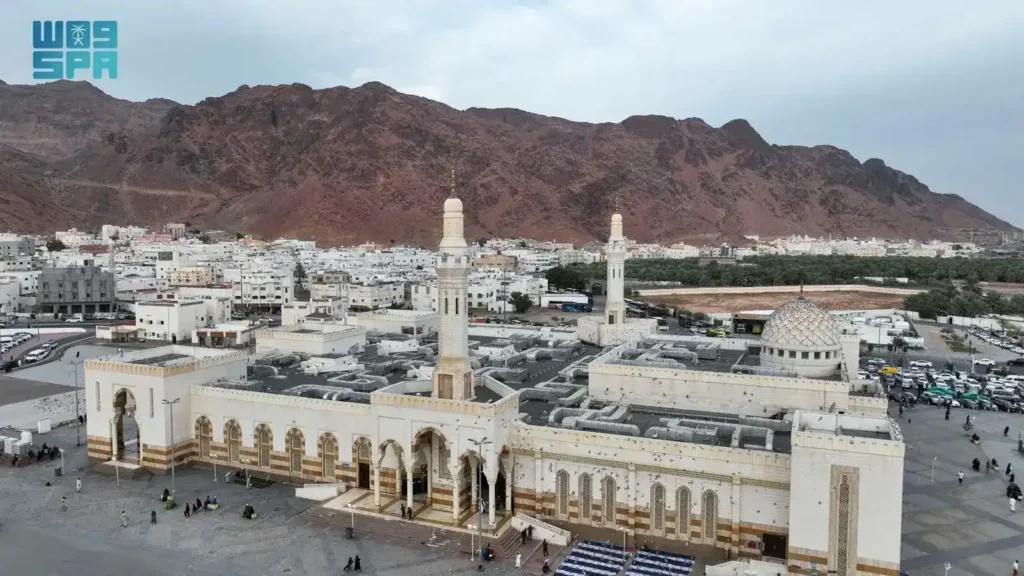
The area includes organized walkways, parking facilities, and landscaped spaces for reflection. It has become a structured ziyārah zone welcoming thousands of pilgrims daily.
Location, Distance & How to Visit
The Sayed ash Shuhada area lies roughly 10–15 minutes by car from Al-Masjid an-Nabawi, depending on traffic. Morning visits are often more comfortable due to cooler temperatures and lighter crowds.
A typical ziyārah route includes:
- Praying at Sayed al-Shuhada Mosque
- Visiting the Martyrs’ Cemetery
- Walking toward Archers’ Hill
- Reflecting at the open square area
For pilgrims unfamiliar with Madinah’s roads, arranging reliable private transport ensures a smoother experience. If you are planning a full Madinah ziyārah including Quba Mosque, Qiblatain Mosque, and Uhud, booking a trusted Umrah taxi service allows you to complete the visit comfortably and on schedule – especially for families and elderly pilgrims.
Clarifying “Ash Shuhada” in Other Cities
Searchers often confuse Sayed ash Shuhada in Madinah with other districts named Ash Shuhada in Saudi Arabia. For example:
- Ash Shuhada District in Riyadh
- Ash Shuhada area in Makkah
These are residential or commercial neighborhoods and are unrelated to the historic Uhud battlefield. When pilgrims search for “ash shuhada Madinah,” they typically mean the Uhud martyrs’ site.
Spiritual Lessons from Uhud
Visiting Sayed ash Shuhada is not merely historical tourism. It is a reminder of:
- Sacrifice for faith
- The consequences of disobedience
- Patience after hardship
- The honor granted to martyrs
The Prophet ﷺ regularly visited the graves of Uhud and prayed for the martyrs, teaching the Ummah the importance of remembering those who sacrificed for Islam.
Conclusion
Sayed ash Shuhada in Madinah stands as one of the most emotionally powerful ziyārah sites in Islamic history. It preserves the memory of the martyrs of Uhud, led by Hamza ibn Abd al-Muttalib (RA), and offers timeless lessons in courage and faith.
Located near Mount Uhud and easily accessible from Al-Masjid an-Nabawi, the area includes the modern Sayed al-Shuhada Mosque, the Uhud Martyrs’ Cemetery, and Archers’ Hill – all forming a complete historical landscape.
For pilgrims visiting Madinah, including this site in your ziyārah itinerary adds depth and meaning to your spiritual journey. Comfortable private transport can make the visit easier, especially for families and Umrah groups who want to complete their Madinah tour efficiently.
FAQs
Who is called Sayyid al-Shuhada?
Primarily Hamza ibn Abd al-Muttalib (RA), the uncle of the Prophet ﷺ, martyred at Uhud. The title is also associated with Husayn ibn Ali (RA) in later Islamic history.
How far is Sayed ash Shuhada from Masjid an-Nabawi?
Approximately 3–3.5 km north, around 10–15 minutes by car.
How many martyrs are buried at Uhud?
About seventy companions who were martyred in the Battle of Uhud.
Can visitors enter the Uhud cemetery?
Visitors may stand at designated areas outside the enclosure to offer salām and du‘ā, following proper Islamic etiquette.
What is the best time to visit?
Morning hours are usually less crowded and more comfortable due to cooler weather.

Zeeshan is a professional driver and tour guide who has been living and driving in Saudi Arabia for the past 5 years. With deep knowledge of the roads, landmarks, and Ziyarat locations across Makkah, Madinah, Jeddah, and Taif, he helps pilgrims and travelers enjoy safe, smooth, and well-organized journeys. His experience in Umrah transport, city tours, and airport transfers makes him a trusted expert for visitors exploring Saudi Arabia.