



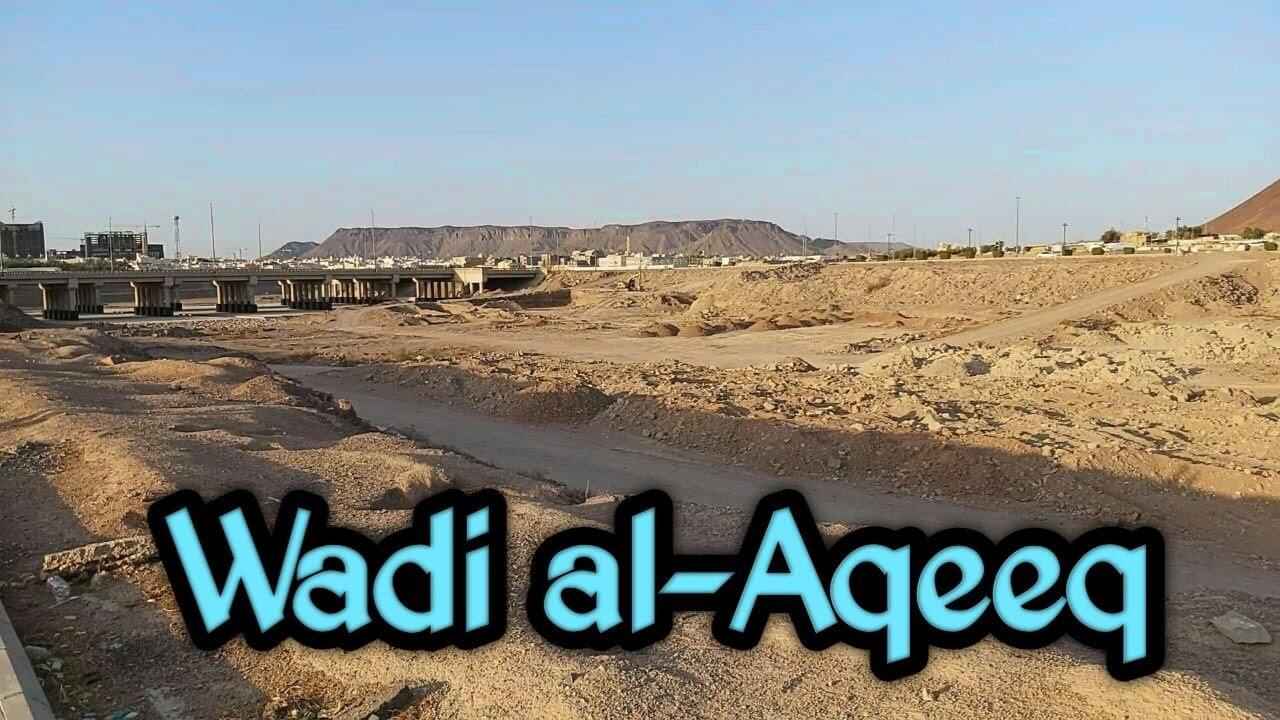
What is Al-Aqeeq Valley? Location, Meaning & Geography
Wadi al-Aqeeq is one of the most famous valleys surrounding Madinah. Stretching approximately 52 kilometers, it runs along the western side of the city, descending from the southern highlands toward the outskirts of Madinah before merging with other valleys near Masjid al-Qiblatayn.
The word “Aqeeq” (العقيق) in Arabic refers to quartz, a stone commonly found in the region. Historically, the valley gathered water from areas more than 100 kilometers south of Madinah and would flood seasonally, transforming into a flowing river during winter rains.
Its southern section reaches the area near Jabal Ayr, marking part of Madinah’s traditional boundaries.
Why is Al-Aqeeq Called the Blessed Valley?
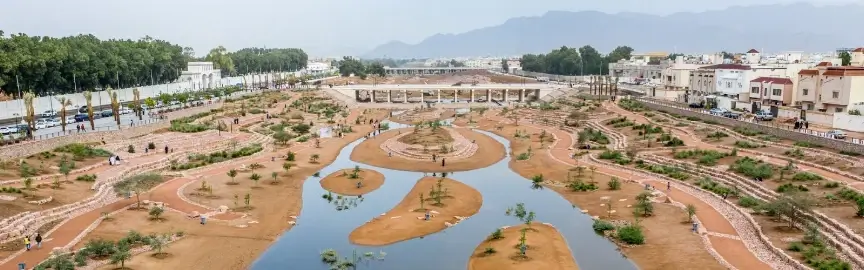
Al-Aqeeq is widely known as Al-Wadi al-Mubarak – the Blessed Valley. Authentic narrations mention that the Prophet ﷺ described it as a blessed place and was instructed to pray there during his journey toward Makkah.
This spiritual connection elevates the valley beyond geography; it becomes part of Madinah’s Prophetic landscape. During the caliphate of Umar ibn al-Khattab, gravels from Al-Aqeeq were used in the flooring expansion of Masjid an-Nabawi, further linking it to the sacred mosque.
One of the western gates of the Prophet’s Mosque is named Bab al-Aqeeq, symbolizing the valley’s close association with the city’s religious heritage.
Historical Importance of Wadi al-Aqeeq
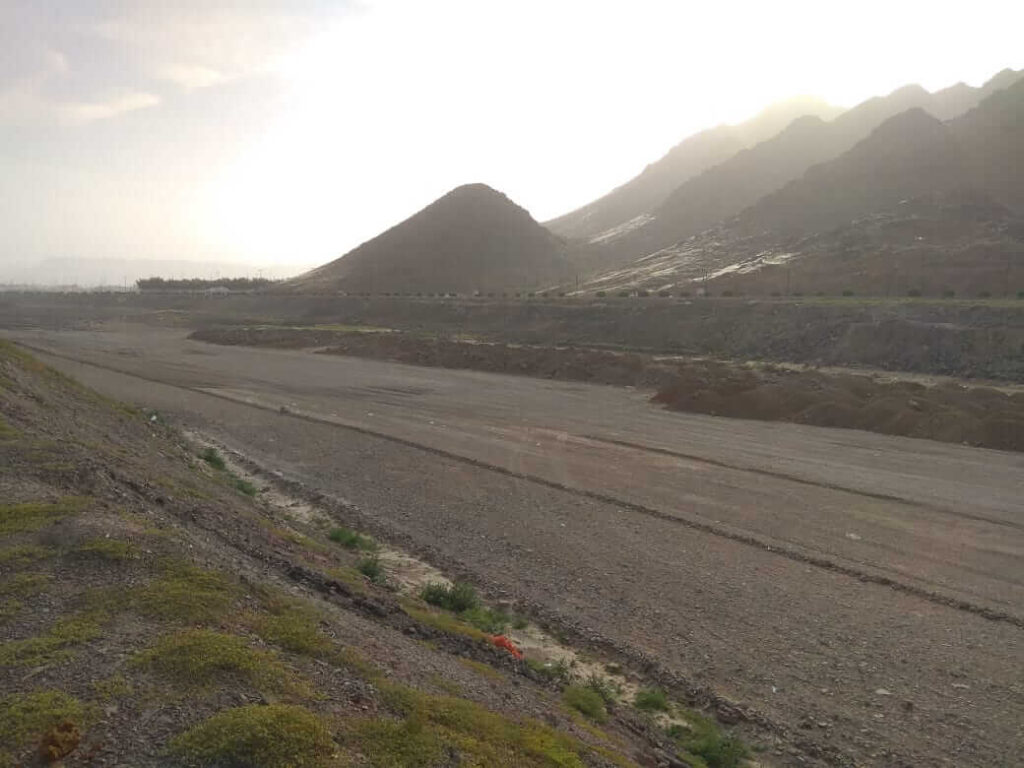
Al-Aqeeq was not only spiritually significant but economically and politically important. It lay along the historic Darb Zubaidah pilgrimage and trade route connecting Iraq to Makkah. Caravans traveling between regions passed through this fertile corridor.
Archaeological inscriptions dating back to the first three centuries after Hijrah have been discovered in the valley, demonstrating early Islamic settlement and activity.
Prominent companions and early Muslim leaders established farms, gardens, and fortified residences here. The valley’s fertile soil and water access made it ideal for agriculture, turning it into one of Madinah’s most desirable outskirts during the Umayyad era.
Key Landmarks Inside Al-Aqeeq Valley
Dhul Hulaifah – The Miqat of Madinah
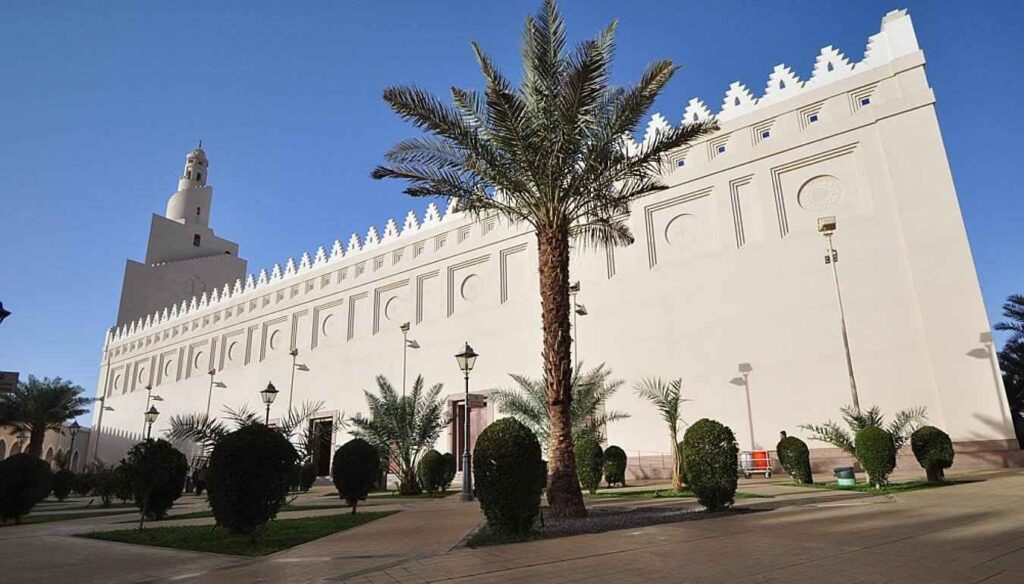
Dhul Hulaifah, also known as Masjid Miqat, lies on the western edge of Al-Aqeeq Valley, approximately 12 km from Masjid an-Nabawi. It is the designated miqat where pilgrims from Madinah enter into Ihram before proceeding to Makkah for Umrah or Hajj.
The mosque has undergone multiple renovations throughout Islamic history, with its current structure reflecting major expansions during the Saudi era.
Qasr Urwah – Palace of Urwah ibn al-Zubayr
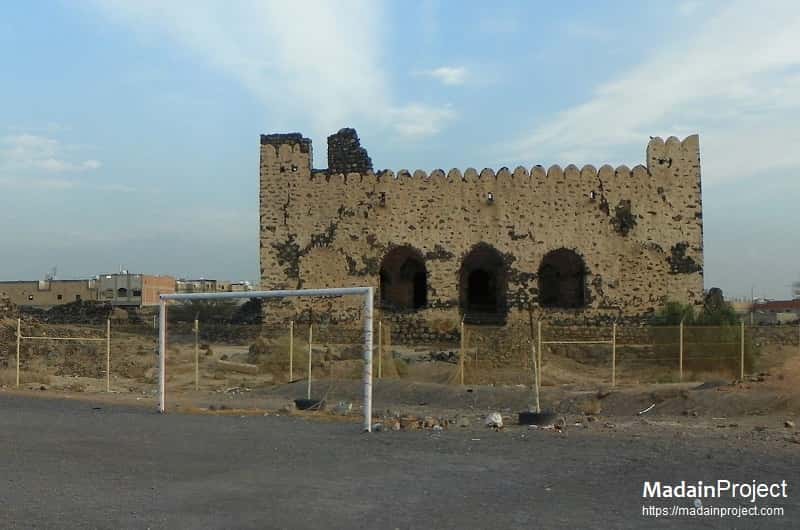
Qasr Urwah is among the best-preserved early Islamic architectural sites in the valley. Built as a fortified farm complex, it represents the agricultural prosperity of Al-Aqeeq during the Umayyad period.
The ruins still display stone structures and irrigation features, offering visitors a tangible connection to early Madinan society.
Bir Rumah – The Well of Uthman
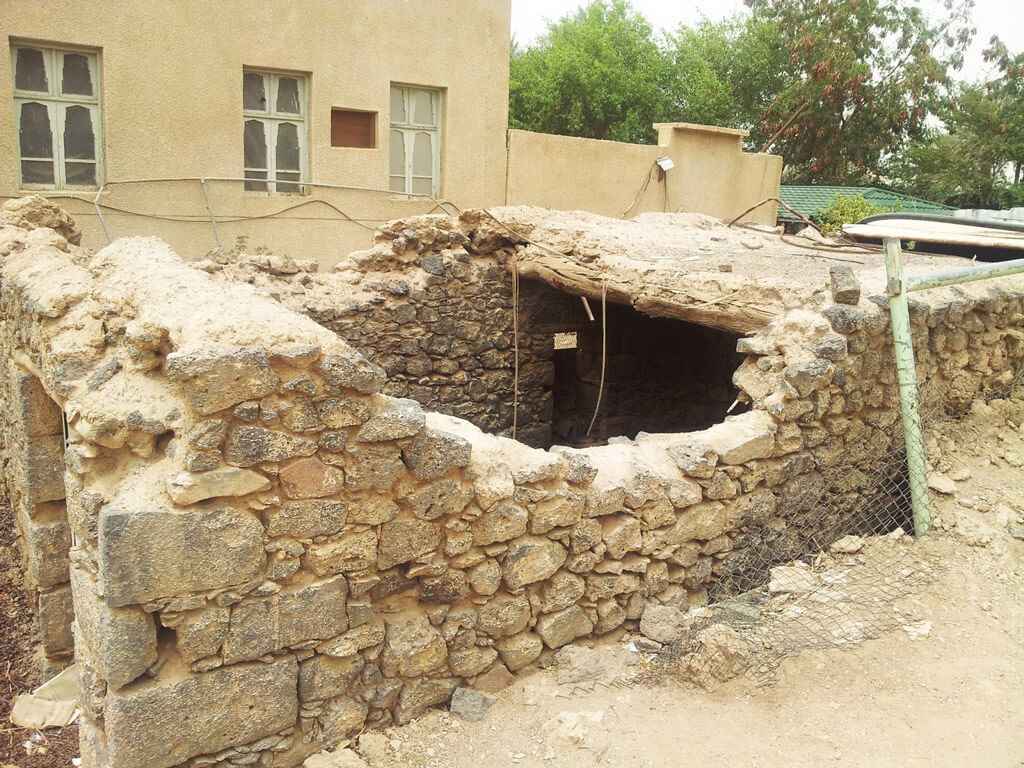
Bir Rumah is one of the oldest functioning wells in Madinah. It was purchased by Uthman ibn Affan (RA) and dedicated as a charitable endowment (waqf) for public use. The surrounding area today includes date farms and a mosque tied to the historic waqf.
Jabal Ayr
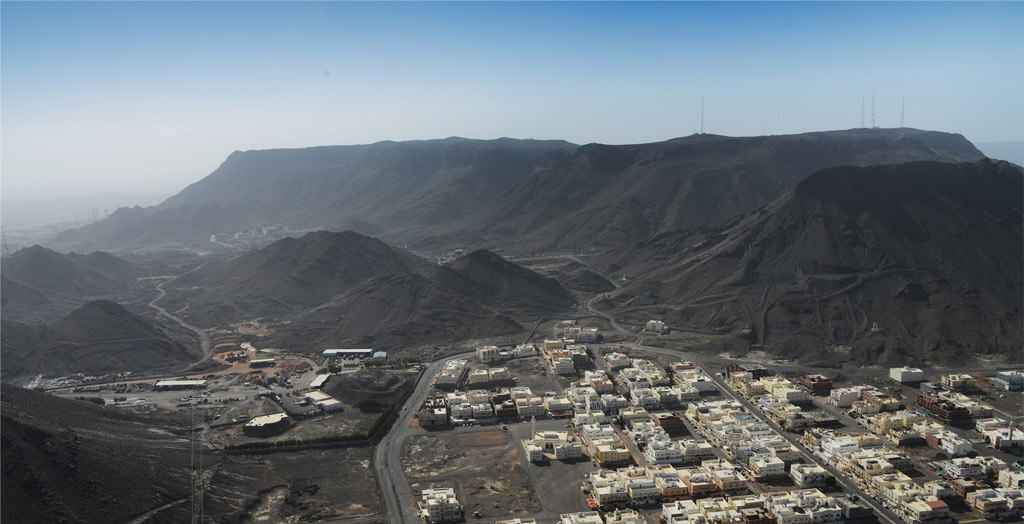
Jabal Ayr stands southwest of the city and forms part of the valley’s geographical identity. Some narrations mention it in defining Madinah’s sacred boundaries.
Masjid Mu‘arras
Near Dhul Hulaifah once stood Masjid Mu‘arras, marking a place where the Prophet ﷺ reportedly camped during travel. Today only traces remain, but its location remains historically referenced.
Al-Aqeeq Walking Trail Today
In recent years, Al-Aqeeq has undergone environmental rehabilitation. A 1,600-meter walking trail now overlooks the valley near the Islamic University area, about 6 km from Masjid an-Nabawi.
The walkway is paved with basalt and granite stones and is equipped with lighting and shaded seating areas. Families gather here for evening walks, especially after rainfall when the valley fills with water and greenery.
The valley’s natural beauty once earned comparisons to the fertile plains of Damascus, reflecting its historical agricultural richness.
How to Visit Al-Aqeeq Valley from Masjid an-Nabawi
From Masjid an-Nabawi, Al-Aqeeq’s main access points are approximately 10–15 minutes by car.
A well-planned ziyarat route may include:
- Masjid an-Nabawi
- Dhul Hulaifah (Miqat)
- Qasr Urwah
- Bir Rumah
- Al-Aqeeq Walking Trail
For pilgrims performing Umrah, visiting Dhul Hulaifah to enter Ihram is essential. Reliable transportation ensures comfort, punctuality, and proper planning.
If you are staying in Madinah and planning a ziyarat tour or need transport to the miqat for Umrah, our professional Umrah and taxi services provide clean vehicles, experienced drivers, and timely pick-up from your hotel. We also offer intercity transfers between Madinah, Makkah, and Jeddah to make your pilgrimage journey smooth and stress-free.
Best Time to Visit Al-Aqeeq Valley
Winter months are ideal, especially after rainfall when water flows through the valley. Early mornings and late afternoons provide cooler temperatures and a peaceful atmosphere for reflection and walking.
Conclusion
Al-Aqeeq Valley is more than a geographical landmark; it is a living extension of Madinah’s Prophetic heritage. From its designation as a blessed valley to its connection with Miqat Dhul Hulaifah, early Islamic farms, and charitable endowments, it represents a powerful intersection of spirituality, history, and nature.
For visitors seeking a meaningful ziyarat experience beyond the central Haram area, Al-Aqeeq offers reflection, heritage exploration, and natural beauty within minutes of the Prophet’s Mosque.
FAQs
Why is Al-Aqeeq called the Blessed Valley?
It is described in authentic narrations as a blessed valley where the Prophet ﷺ was instructed to pray.
How far is Al-Aqeeq Valley from Masjid an-Nabawi?
Approximately 6–12 kilometers depending on the specific landmark within the valley.
Is Dhul Hulaifah part of Al-Aqeeq Valley?
Yes, Dhul Hulaifah (Miqat of Madinah) lies on the western side of the valley.
Can tourists visit Qasr Urwah?
Yes, visitors can view the remains of the historic palace area, though it is an archaeological site.
What is the best way to reach Al-Aqeeq?
Taxi or private transport is the most convenient option, especially for pilgrims combining multiple ziyarat sites.

Zeeshan is a professional driver and tour guide who has been living and driving in Saudi Arabia for the past 5 years. With deep knowledge of the roads, landmarks, and Ziyarat locations across Makkah, Madinah, Jeddah, and Taif, he helps pilgrims and travelers enjoy safe, smooth, and well-organized journeys. His experience in Umrah transport, city tours, and airport transfers makes him a trusted expert for visitors exploring Saudi Arabia.