


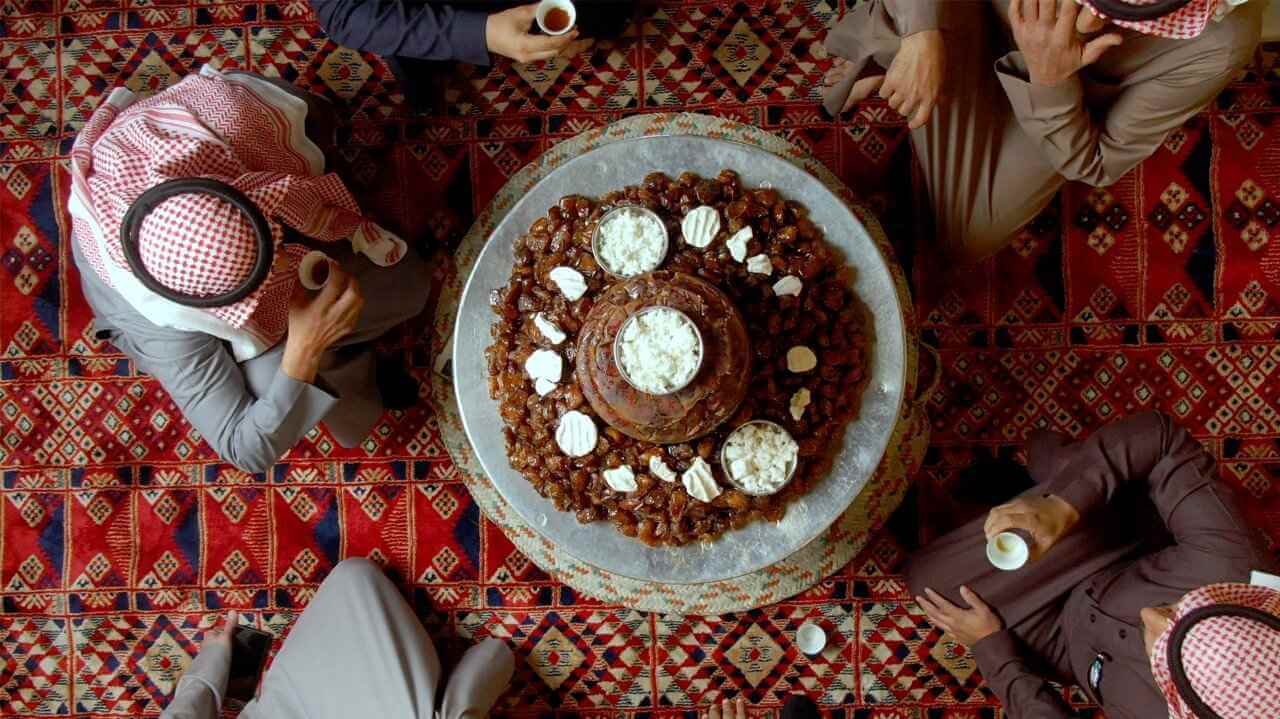
Eid in Saudi Arabia is more than a celebration-it is a culinary expression of generosity, heritage, and regional identity. Whether during Eid al-Fitr, marking the end of Ramadan, or Eid al-Adha, the Feast of Sacrifice, food becomes the center of family gatherings.
From fragrant rice dishes to wheat-based comfort foods and date-filled desserts, here are the top Eid dishes to try in Saudi Arabia.
Savory Eid Main Dishes
1. Kabsa – The National Eid Centerpiece
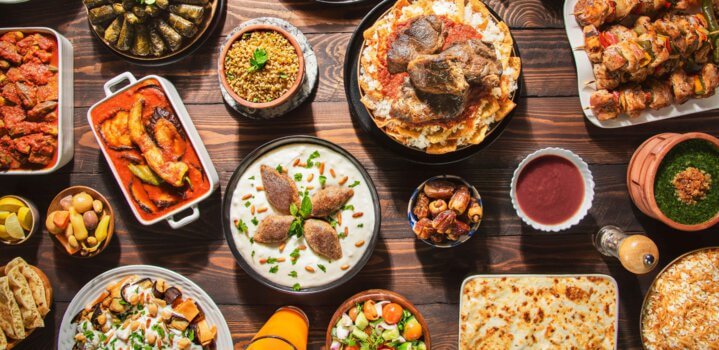
No Eid table is complete without Kabsa. Made with long-grain rice, slow-cooked lamb or chicken, and a signature spice blend including black lime, cloves, cinnamon, and cardamom, Kabsa represents Saudi hospitality.
During Eid al-Adha, lamb Kabsa becomes especially prominent, symbolizing sacrifice and sharing. It is typically served on a large communal platter, reinforcing family unity.
2. Jareesh – A Creamy Wheat Classic
Often described as one of Saudi Arabia’s national dishes, Jareesh is made from crushed wheat simmered with meat and yogurt until velvety smooth. Topped with caramelized onions and clarified butter, it delivers warmth and nourishment after Eid prayers.
It is particularly beloved in the central region of Najd.
3. Saleeg – The Hijazi Comfort Dish
Originating in the Hijaz, Saleeg is rice cooked in broth and milk until creamy, similar in texture to risotto. Served with roasted chicken or lamb and accompanied by spicy tomato sauce (duqqus), it is a staple in cities like Jeddah and Makkah during Eid.
4. Thareed – A Historic Favorite
Thareed combines pieces of flatbread soaked in rich meat and vegetable stew. Deeply rooted in Islamic tradition, it remains a respected and cherished Eid dish across generations.
5. Mugalgal – The Eid Breakfast Meat Dish
Popular during Eid al-Adha mornings, Mugalgal consists of chopped lamb sautéed with tomatoes, onions, and green peppers. It is typically eaten with fresh bread and Arabic coffee, making it a hearty celebratory breakfast.
Traditional Eid Breakfast Specialties
6. Balaleet – Sweet & Savory Harmony
Especially common in the Eastern Province, Balaleet features vermicelli flavored with saffron and cardamom, topped with a thin omelet. Its combination of sweetness and savory eggs reflects the diversity of Saudi regional cuisine.
7. Eid Sufra – The Festive Breakfast Spread
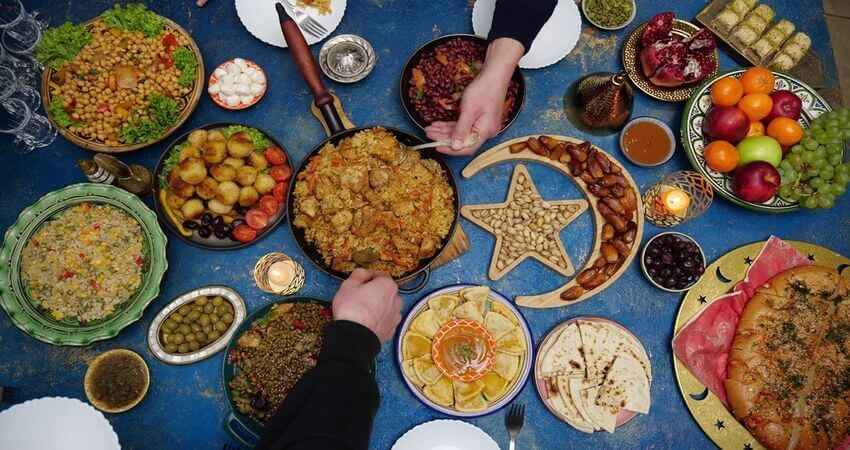
In many households, Eid morning begins with a sufra (spread) including liver, shakshuka, fresh breads, dates, and honey-based sweets. This variety allows families to sample multiple traditional dishes in one sitting.
Iconic Eid Desserts in Saudi Arabia
8. Maamoul – The Symbol of Eid
Prepared in advance and shared with guests, Maamoul are buttery semolina cookies filled with dates, pistachios, or walnuts. They are served with Arabic coffee and represent celebration itself.
9. Debyaza – The Sweet of Eid al-Fitr
A specialty of western Saudi Arabia, Debyaza is a thick compote made from dried apricots (Qamar al-Din), figs, raisins, and nuts. Traditionally eaten on Eid morning after Ramadan, it symbolizes the sweetness of breaking the fast season.
10. Luqaimat – Bite-Sized Joy
These golden fried dough balls are drizzled with date syrup or honey and sprinkled with sesame seeds. Light yet indulgent, Luqaimat are a favorite at Eid gatherings across the Kingdom.
Regional Differences in Eid Dishes
Saudi Arabia’s vast geography shapes its Eid cuisine:
- Najd (Central Region): Hearty wheat-based dishes like Jareesh dominate.
- Hijaz (Western Region): Saleeg and Debyaza reflect trade influences and coastal culture.
- Eastern Province: Sweet-savory breakfasts like Balaleet are popular.
- Southern Regions: Bread-based layered dishes and honey-rich desserts are common.
These regional distinctions make traveling during Eid a culinary journey across the Kingdom.
Where to Experience Authentic Eid Food
If you are visiting cities like Makkah, Madinah, Riyadh, or Jeddah during Eid, traditional restaurants and family-run kitchens offer the most authentic flavors. Since Eid is a peak travel period, reliable transport becomes essential.
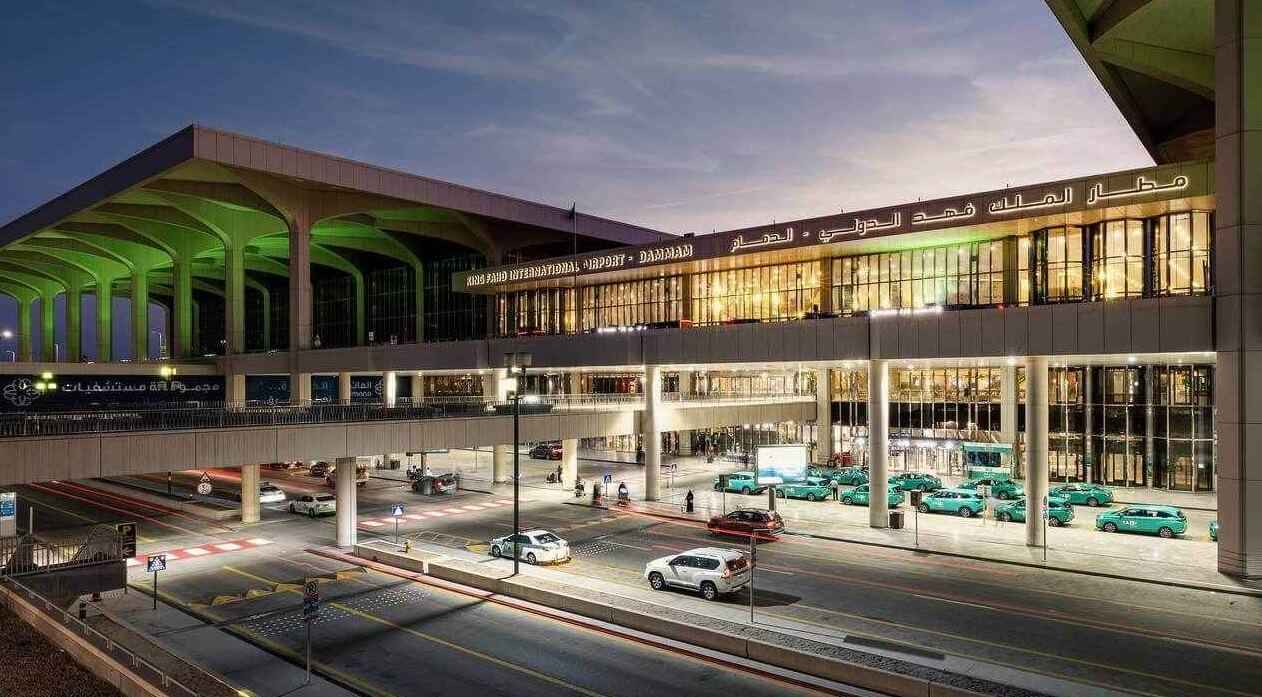
For pilgrims and visitors performing Umrah or traveling between holy cities, arranging comfortable and timely transport enhances the experience. Our professional Umrah taxi and intercity transport services ensure smooth travel between Makkah, Madinah, Jeddah Airport, and other destinations-so you can focus on enjoying Eid gatherings and traditional meals without logistical stress.
Conclusion
Eid dishes to try in Saudi Arabia reflect centuries of tradition, trade, and regional identity. From the aromatic richness of Kabsa to the nostalgic sweetness of Maamoul and Debyaza, each dish tells a story of generosity and faith.
Whether you are celebrating with family or visiting the Kingdom during Eid, exploring these traditional foods offers a deeper understanding of Saudi culture. Pair your culinary journey with smooth transportation arrangements to fully enjoy the festive atmosphere across the Kingdom.
FAQs
What are the most popular Eid dishes in Saudi Arabia?
Kabsa, Jareesh, Saleeg, Maamoul, and Debyaza are among the most widely served Eid dishes.
What is typically eaten on Eid morning?
Families usually begin with dates and Arabic coffee, followed by sweet dishes like Debyaza or Balaleet and savory items such as Mugalgal.
Are Eid dishes different between Eid al-Fitr and Eid al-Adha?
Yes. Eid al-Fitr emphasizes sweets after Ramadan, while Eid al-Adha features more meat-based dishes, especially lamb.
Which region has the most unique Eid cuisine?
Each region offers distinct specialties-Hijaz for Saleeg and Debyaza, Najd for Jareesh, and the Eastern Province for Balaleet.
Is Saudi Eid food halal?
Yes. All traditional Saudi dishes follow Islamic dietary laws, and pork is not consumed.

Zeeshan is a professional driver and tour guide who has been living and driving in Saudi Arabia for the past 5 years. With deep knowledge of the roads, landmarks, and Ziyarat locations across Makkah, Madinah, Jeddah, and Taif, he helps pilgrims and travelers enjoy safe, smooth, and well-organized journeys. His experience in Umrah transport, city tours, and airport transfers makes him a trusted expert for visitors exploring Saudi Arabia.