


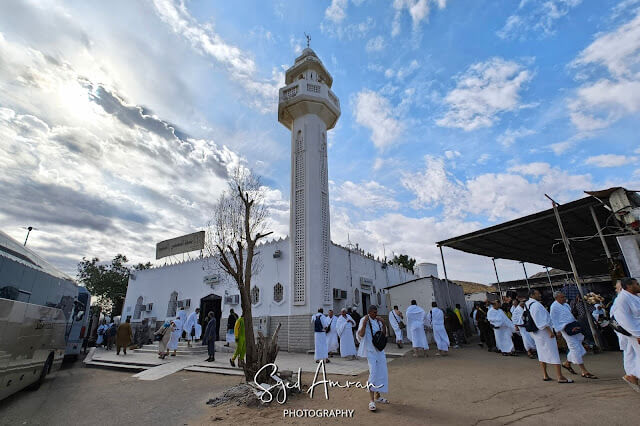
Masjid Hudaibiyah, also known as Masjid al-Shumaisi, is one of the most historically significant Islamic sites near Makkah. Located approximately 22–24 kilometers west of Masjid al-Haram on the old Jeddah Road, it marks the place where the Treaty of Hudaibiyah was concluded in 6 AH (628 CE) between Prophet Muhammad ﷺ and the Quraysh of Makkah.
Beyond its historical legacy, Masjid al-Hudaibiyah today serves an important religious function as a Miqat (more precisely, part of Adna al-Hill) for pilgrims who are already inside the Haram boundary and wish to enter into Ihram for Umrah.
Understanding this site means understanding a turning point in Islamic history-an event Allah described in the Qur’an as a “clear victory” (Fath Mubin).
Where Is Masjid al-Hudaibiyah Located?
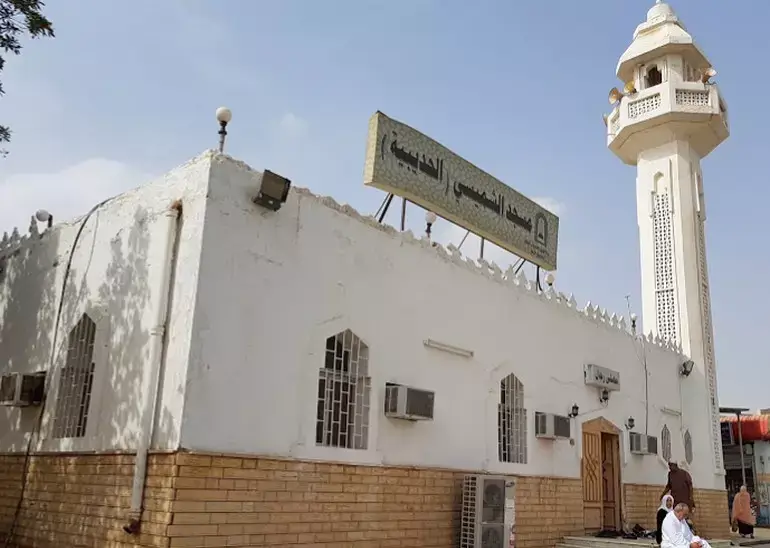
Masjid Hudaibiyah is situated in the Al-Shumaisi area along the old Makkah-Jeddah Road. It lies just outside the Haram boundary, making it a valid location for entering Ihram for those inside Makkah.
Distance from Masjid al-Haram
The mosque is around 24 km from the Grand Mosque and typically takes 25-40 minutes by car, depending on traffic conditions.
Al-Shumaisi and the Haram Boundary
Islamic law requires anyone inside the Haram who wishes to perform another Umrah to exit into the Hill area (Al-Hill) before making intention for Ihram. Hudaibiyah is one of the recognized locations for this purpose, alongside places such as Masjid Aisha (Tan’eem) and Ji’irrana.
How to Reach from Makkah and Jeddah
From central Makkah, you travel west toward the old Jeddah highway. From Jeddah, it appears before entering Makkah’s main checkpoints. Most drivers recognize it as “Shumaisi.”
For pilgrims, especially families or groups, using a reliable Umrah taxi service ensures timely return to Masjid al-Haram for Tawaf. Pre-booking a private taxi can save time during peak seasons and allow comfortable travel in Ihram garments.
Historical Significance of Masjid Hudaibiyah
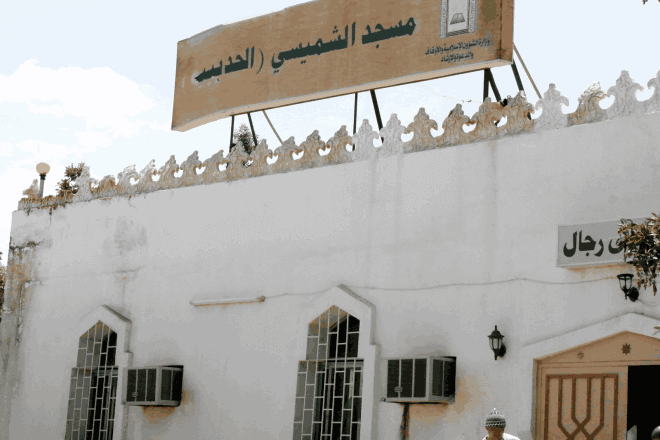
The events that occurred at Hudaibiyah shaped the future of Islam.
The Journey for Umrah in 6 AH
Six years after the Hijrah to Madinah, the Prophet ﷺ saw a dream that he and his Companions would enter Makkah peacefully to perform Umrah. In Dhul-Qa’dah 6 AH, around 1,400-1,500 Companions set out in Ihram, carrying sacrificial animals but no weapons of war.
When Quraysh mobilized to block their entry, the Prophet ﷺ changed route and camped at Hudaibiyah.
Upon arrival, his camel al-Qaswa stopped. He explained that it was held by the same divine will that had stopped the elephant of Abraha before entering Makkah.
Bay’at al-Ridwan (The Pledge Under the Tree)
When a rumor spread that Uthman ibn Affan (RA), who had been sent as an envoy to Makkah, was killed, the Prophet ﷺ took a pledge from his Companions under a tree.
This pledge, known as Bay’at al-Ridwan, was a commitment to stand firm even unto death. Allah honored this moment in Surah Al-Fath (48:18), declaring His pleasure with the believers who pledged allegiance.
The spiritual status of those present at that pledge remains among the highest virtues in Islamic history.
The Miracle of the Well
During their stay, water became scarce. The Prophet ﷺ supplicated, and through a miracle, water flowed abundantly-either from his blessed fingers or into a well that had nearly dried up-providing enough for the entire army and their animals.
This event further strengthened the Companions’ faith during a tense standoff.
The Treaty of Hudaibiyah and Its Terms
After negotiations with Quraysh representatives including Suhayl ibn Amr, a 10-year truce was agreed upon.
Key conditions included:
- A cessation of hostilities for ten years.
- Muslims returning to Madinah that year without performing Umrah.
- Permission to return the following year for three days.
- Freedom for tribes to ally with either side.
At first glance, the terms appeared unfavorable to some Companions. However, the Prophet ﷺ accepted them with wisdom and patience.
Why It Was Called “Fath Mubin”
Shortly after the treaty, Surah Al-Fath was revealed:
“Indeed, We have granted you a clear victory.” (48:1)
The treaty created stability across Arabia. With warfare paused, Islam spread rapidly through peaceful interaction. Within two years, the balance of power shifted significantly, leading to the peaceful Conquest of Makkah.
What seemed like compromise was in fact strategic triumph.
Masjid Hudaibiyah as a Miqat (Adna al-Hill)
Today, Masjid al-Hudaibiyah functions as a Miqat for specific cases.
Who Should Use Hudaibiyah for Ihram?
- Residents of Makkah performing a second Umrah.
- Visitors inside the Haram wishing to perform additional Umrah.
- Those coming from Jeddah without entering Ihram earlier.
It is not a replacement for the main Miqat stations (such as Dhul-Hulayfah or Qarn al-Manazil). If someone passes their designated Miqat intending Umrah without Ihram, they must return to it.
Ihram Rules and Steps for Umrah
At Hudaibiyah:
- Perform ghusl at your accommodation if possible.
- Wear Ihram garments (for men: two white sheets).
- Pray two rak’ah (recommended).
- Make intention: “Labbayk Allahumma Umrah.”
- Begin Talbiyah and return to Masjid al-Haram for Tawaf.
Choosing organized Umrah taxi services makes this process smoother, especially when traveling with elderly pilgrims or during busy seasons. Reliable transport ensures you return promptly for Tawaf without unnecessary delays.
What to See at Masjid al-Hudaibiyah Today
The site includes both modern facilities and historical remnants.
The Modern Mosque Complex
A functioning mosque with prayer halls, ablution areas, and basic facilities for pilgrims entering Ihram.
Ottoman-Era Ruins
Adjacent to the modern structure are remains of an older stone mosque dating back to the Ottoman period-reflecting centuries of reverence for this location.
The Historic Well Area
Approximately 400–500 meters away lies the area associated with the well of Hudaibiyah, remembered for the miracle of water during the expedition.
Best Time to Visit & Practical Tips
Early mornings or between Dhuhr and Asr are generally less crowded. Summer months can be extremely hot, so hydration is important.
Facilities are functional but basic. During peak Umrah seasons, allow additional time for parking and preparation.
Travel planning is essential, and booking a comfortable, air-conditioned taxi service from your hotel in Makkah can make the journey efficient and stress-free-particularly when wearing Ihram.
Conclusion
Masjid Hudaibiyah is more than a miqat point-it is a living symbol of prophetic wisdom, patience, and strategic leadership. The Treaty of Hudaibiyah transformed a moment of apparent difficulty into a decisive victory that accelerated the spread of Islam.
For today’s pilgrims, it remains both a spiritual landmark and a practical starting point for Umrah. Visiting this site connects worshippers not only to the rituals of Ihram, but to one of the most profound lessons in Islamic history: that true victory sometimes comes through restraint, diplomacy, and trust in Allah’s plan.
FAQs
1. How far is Masjid Hudaibiyah from Masjid al-Haram?
It is approximately 22–24 kilometers west of the Grand Mosque, about 25–40 minutes by car.
2. Is Masjid Hudaibiyah a main Miqat?
It serves as part of Adna al-Hill for those inside Makkah who need to exit the Haram to enter Ihram. It is not one of the five primary Miqat stations.
3. Can I perform Umrah from Hudaibiyah if I am staying in Makkah?
Yes. Residents and visitors inside Makkah can travel to Hudaibiyah, enter Ihram, and return to perform Umrah.
4. What happened at Hudaibiyah in Islamic history?
The Treaty of Hudaibiyah and Bay’at al-Ridwan occurred here in 6 AH, events described in Surah Al-Fath as a “clear victory.”
5. Is transport easily available?
Yes. Taxis and private Umrah transport services regularly operate between Makkah and Hudaibiyah, making the trip simple and convenient.

Zeeshan is a professional driver and tour guide who has been living and driving in Saudi Arabia for the past 5 years. With deep knowledge of the roads, landmarks, and Ziyarat locations across Makkah, Madinah, Jeddah, and Taif, he helps pilgrims and travelers enjoy safe, smooth, and well-organized journeys. His experience in Umrah transport, city tours, and airport transfers makes him a trusted expert for visitors exploring Saudi Arabia.