


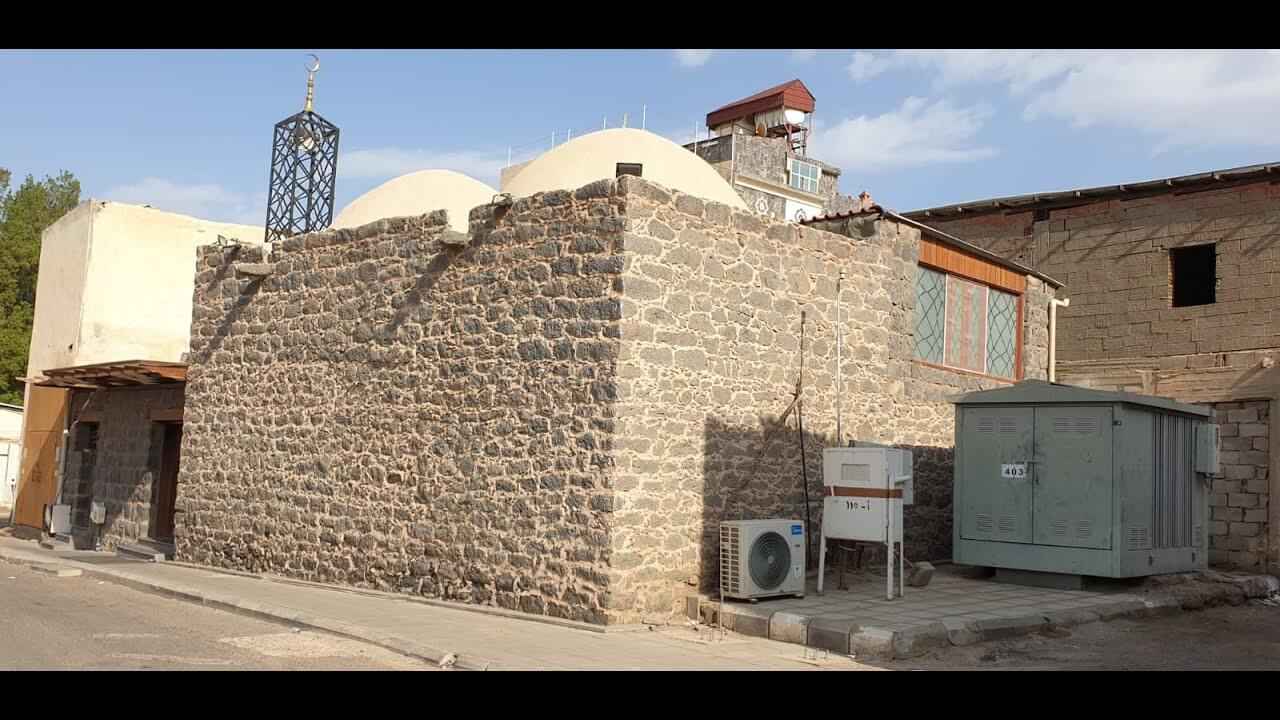
Masjid Ad Dar, also known as Masjid al-Shaikhain, Masjid al-Dar’a, and locally referred to by some as Al Shaheen Mosque, is one of the most historically meaningful yet often overlooked mosques in Madinah. Located in the Sayyid al-Shuhada (Uhud) area, this small mosque holds deep significance in the Seerah of the Prophet Muhammad ﷺ, particularly in connection with the Battle of Uhud.
Unlike grand mosques known for architectural scale, Masjid Ad Dar derives its importance from the events that unfolded here, making it a powerful stop for visitors seeking a deeper understanding of Islamic history during ziyārah.
Al Shaheen Mosque Historical Identity and Names of Masjid Ad Dar
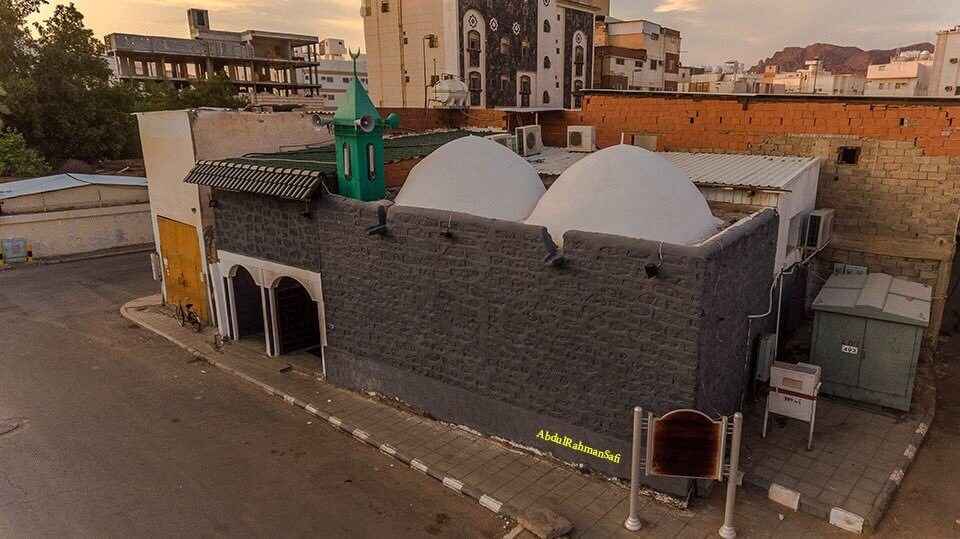
Masjid Ad Dar is known by several names in classical and historical sources, each reflecting a specific aspect of its context. The name “Ad-Dar” or “Ad-Dir’” refers to armor, as reports mention that the Prophet ﷺ removed or adjusted his armor at this location while preparing for Uhud.
The name Masjid al-Shaikhain relates to the two small hills beside which the mosque stands, while Masjid al-Bada’i appears in some local narrations. These names do not indicate different mosques but rather one single historic site, remembered through multiple lenses in Islamic tradition.
Masjid Ad Dar and the Battle of Uhud
This mosque marks the exact place where the Prophet Muhammad ﷺ and his companions halted on their way from Madinah to the battlefield of Uhud in Sha‘ban, 3 AH (625 CE).
The Prophet’s ﷺ Stay and Prayers
Authentic historical accounts state that the Prophet ﷺ prayed Asr, Maghrib, Isha, and Fajr at this location and spent the night here before marching towards Uhud the following morning. This makes Masjid Ad Dar a rare site directly linked to multiple prayers led by the Prophet ﷺ during a critical moment in Islamic history.
Inspection of the Army and Preparation
Masjid Ad Dar also served as a military and organizational point. The Prophet ﷺ inspected the army here, reviewed readiness, and determined who would participate in the battle. Women and elderly companions were also present before final selections were made.
A well-known incident occurred here involving young companions eager to fight, including Rafi‘ ibn Khudaij and Samrah ibn Jundub (رضي الله عنهما). Their determination and the Prophet’s ﷺ fair judgment illustrate leadership, justice, and encouragement of merit over age.
Withdrawal of the Hypocrites
It was after leaving this site that ‘Abdullah ibn Ubayy, leader of the hypocrites, withdrew with three hundred followers, reducing the Muslim army from around one thousand to seven hundred. This event led to profound Quranic reflection, including the verse in Surah An-Nisa (4:88) addressing division caused by hypocrisy, further elevating the historical gravity of this location.
Location and Surrounding Historic Sites
Masjid Ad Dar is situated approximately 2.5 kilometers north of Masjid an-Nabawi, within the broader Uhud historical zone. Nearby landmarks include Jabal Uhud, the Martyrs’ Cemetery, Jabal al-Rumat (Archers’ Hill), and mosques such as Masjid Banu Haritha, making the area one of the richest clusters of early Islamic history in Madinah.
Architecture, Size, and Present Condition
Architecturally, Masjid Ad Dar reflects traditional Islamic simplicity. It is a relatively small structure of about 100 square meters, designed to preserve tranquility rather than grandeur. Recent restorations have added practical amenities such as air conditioning and a covered roof, while maintaining its historic identity.
Visiting Masjid Ad Dar Today
The mosque remains an active place of worship, open to visitors throughout the day. The best time to visit is early morning or late afternoon, when the area is quieter and more conducive to reflection.
Visitors should observe proper Islamic etiquette, dress modestly, and maintain silence. Due to its compact size, space can be limited during busy times, and arrangements for women may vary depending on current management.
How to Reach Masjid Ad Dar from Masjid an-Nabawi
Reaching Masjid Ad Dar from Masjid an-Nabawi typically takes 10–15 minutes by car. Taxis are the most convenient option, especially for pilgrims planning to combine Uhud sites in one trip.
For visitors performing Umrah or ziyārah, arranging a dedicated Umrah taxi or Madinah city tour is highly recommended. Professional local services-such as our Umrah, Madinah ziyārah, and intercity taxi service-allow you to visit Masjid Ad Dar, Jabal Uhud, and surrounding landmarks comfortably, without time pressure or navigation concerns. This is especially beneficial for families, elderly pilgrims, and first-time visitors.
Spiritual Reflections for Visitors
Masjid Ad Dar represents a moment of turning to Allah before trial. It reminds visitors of preparation grounded in prayer, reliance on Allah, patience in adversity, and lessons from Uhud related to obedience and perseverance.
Many visitors choose to pray two rak‘ahs here, recite Qur’an, and make du‘a for steadfastness, reflecting on how the Prophet ﷺ balanced spiritual devotion with practical leadership.
Recommended Ziyārah Route in Madinah
A meaningful ziyārah route often includes Masjid an-Nabawi → Masjid Ad Dar → Jabal Uhud → Martyrs’ Cemetery, all comfortably covered within a single outing using a reliable taxi service. This structured approach enhances understanding of the Seerah by connecting events geographically and historically.
Conclusion
Masjid Ad Dar, also known as Masjid al-Shaikhain or Al Shaheen Mosque, is a deeply significant yet understated landmark in Madinah. It stands as a witness to prayer, preparation, leadership, and testing during one of the most pivotal moments in Islamic history. Visiting this mosque is not merely a stop on a tour-it is an opportunity to reconnect with the lived reality of the Prophet ﷺ and his companions, making it an essential part of any spiritually meaningful ziyārah in Madinah.

Zeeshan is a professional driver and tour guide who has been living and driving in Saudi Arabia for the past 5 years. With deep knowledge of the roads, landmarks, and Ziyarat locations across Makkah, Madinah, Jeddah, and Taif, he helps pilgrims and travelers enjoy safe, smooth, and well-organized journeys. His experience in Umrah transport, city tours, and airport transfers makes him a trusted expert for visitors exploring Saudi Arabia.