


Jabal Thawr, also written as Thowr Mountain, is one of the most historically and spiritually significant mountains surrounding Makkah. Located to the south of the holy city, it is best known for Ghar Thawr (the Cave of Thawr)-the place where Prophet Muhammad ﷺ and Abu Bakr al-Siddiq (RA) sought refuge for three days during the Hijrah from Makkah to Madinah.
Unlike ritual sites of Hajj or Umrah, Jabal Thawr is visited as a ziyārat-a journey of reflection, gratitude, and understanding of one of the most critical moments in Islamic history.
What Is Jabal Thawr and Why It Matters in Islamic History
The Hijrah and the Cave of Thawr
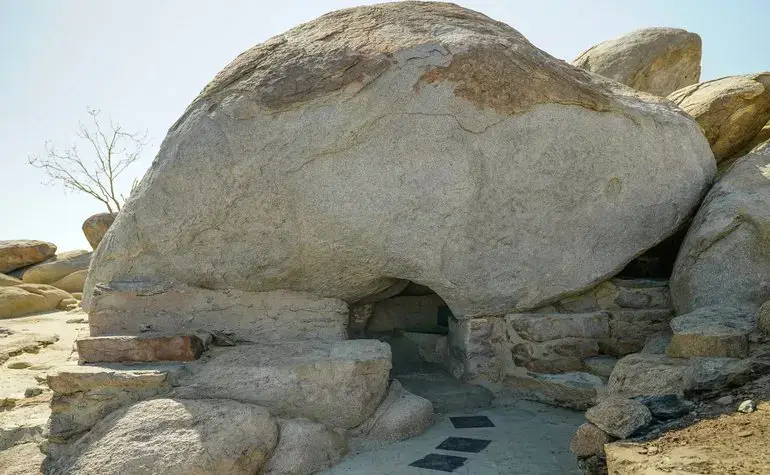
In 622 CE, as the Quraysh plotted to assassinate the Prophet ﷺ, he left Makkah under Allah’s command. Instead of heading directly north toward Madinah, the Prophet ﷺ moved south and ascended Jabal Thawr, taking shelter inside a small cave near its summit.
For three days and nights, the Prophet ﷺ and Abu Bakr (RA) remained hidden in the cave while search parties passed directly by its entrance. According to well-established Islamic tradition, Allah protected them by causing a spider to spin a web across the cave entrance and a dove to lay eggs, making it appear undisturbed.
Quranic Reference and Spiritual Meaning
This moment is immortalized in the Qur’an in Surah At-Tawbah (9:40):
“Do not grieve; indeed Allah is with us.”
Jabal Thawr has since symbolized tawakkul (trust in Allah), divine protection, and the quiet strength behind the Hijrah that reshaped Islamic history.
Location, Geography, and Physical Features of Thowr Mountain
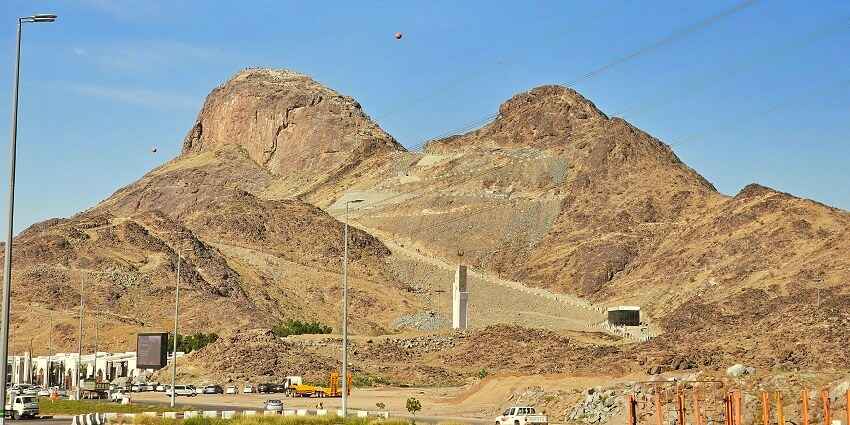
Height, Terrain, and Cave Structure
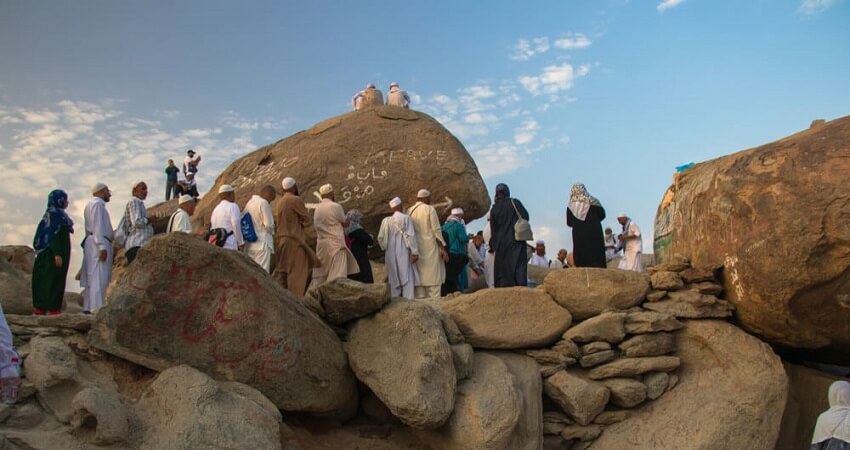
Jabal Thawr rises approximately 740–760 meters above sea level, making it one of the taller mountains around the Makkah valley. The terrain is steep, rocky, and uneven, with loose gravel and exposed sections, particularly near the summit.
Ghar Thawr itself is small and narrow, with two openings. The original entrance is tight and requires careful movement to enter, which naturally limits how long visitors can remain inside.
Distance from Masjid al-Haram
The mountain lies roughly 12 kilometers south of Masjid al-Haram, depending on the exact starting point in Makkah. Because of this distance and the demanding climb, it receives fewer visitors than Jabal al-Nour, adding to its quiet and reflective atmosphere.
Climbing Jabal Thawr: Difficulty, Duration, and Reality on the Ground
How Hard Is the Climb?
Climbing Thowr Mountain is widely regarded as physically demanding. Most visitors report:
- 1.5 to 3 hours to ascend
- 2 to 4 hours to descend, depending on fitness and caution
The descent is often harder than the ascent due to slipping risks and fatigue.
Who Should and Should Not Attempt the Hike
The climb is not recommended for:
- Elderly individuals with limited mobility
- People with serious back, knee, or heart conditions
- Visitors unaccustomed to steep hiking
Physical readiness matters more here than at most Makkah ziyarat sites.
Best Time to Visit Jabal Thawr
Seasonal Considerations
The most comfortable months are November to February, when temperatures are lower. In warmer months, heat exhaustion becomes a real risk.
Best Time of Day
Early pre-dawn or early morning is strongly advised. Midday climbs should be avoided due to extreme heat and sun exposure.
Practical Preparation, Safety, and Etiquette
What to Bring and Wear
Proper preparation is essential. Wear sturdy shoes with good grip, breathable modest clothing, and sun protection. Carry at least 1.5-2 liters of water per person, light snacks, and a small backpack. Facilities are extremely limited once you begin the ascent.
Islamic Etiquette and Correct Belief
Visiting Jabal Thawr is for reflection, not ritual worship. No blessings are sought from the cave or stones themselves. Maintain correct ‘aqidah, keep the area clean, and be respectful of others waiting to enter the cave.
Jabal Thawr Today: Development, Access, and Ziyarat Status
In recent years, the Jabal Thawr Cultural District has been developed at the base of the mountain, including educational exhibits related to the Hijrah. Periodic access restrictions may occur due to safety or development work, but Jabal Thawr remains a recognized ziyarat site in Makkah.
Importantly, visiting the cave is not a requirement of Hajj or Umrah, and pilgrims should never feel obligated to climb if it poses health risks.
How to Reach Jabal Thawr from Makkah
Taxi and Private Transport Options
Jabal Thawr is easily reachable by road from central Makkah in 15–20 minutes. Most drivers are familiar with the drop-off point near the trailhead.
For pilgrims and families, private Umrah taxi services are the most comfortable and reliable option—especially for early-morning or group visits. Services like Al Maqam Transport provide clean, air-conditioned vehicles with experienced local drivers, making it easier to plan ziyarat trips to Jabal Thawr, Jabal al-Nour, and other historical sites without logistical stress.
Jabal Thawr vs Jabal al-Nour: A Practical Comparison
While both mountains hold immense historical value, Jabal Thawr is generally steeper and more physically demanding than Jabal al-Nour. Jabal al-Nour benefits from more developed paths and sees heavier foot traffic, whereas Thowr Mountain remains quieter and more rugged.
FAQs
Is climbing Jabal Thawr mandatory in Umrah or Hajj?
No. It is a ziyarat only and not part of any ritual.
How long should I plan for the visit?
Allow 3–6 hours total, including rest and reflection.
Can children climb Jabal Thawr?
Only if they are physically fit and closely supervised.
Is there an entry fee?
No. You only pay for transportation.
Conclusion
Jabal Thawr stands as a silent witness to one of the most defining moments in Islamic history—the Hijrah of the Prophet Muhammad ﷺ. More than just a mountain, it represents trust in Allah, patience under hardship, and divine protection beyond human planning.
For those who choose to visit, proper preparation, correct intention, and respect for the site transform the journey into a deeply meaningful experience. Whether you climb the mountain or reflect from below, understanding the story of Thowr Mountain enriches every pilgrim’s connection to Makkah—and to the legacy of the Hijrah itself.

Zeeshan is a professional driver and tour guide who has been living and driving in Saudi Arabia for the past 5 years. With deep knowledge of the roads, landmarks, and Ziyarat locations across Makkah, Madinah, Jeddah, and Taif, he helps pilgrims and travelers enjoy safe, smooth, and well-organized journeys. His experience in Umrah transport, city tours, and airport transfers makes him a trusted expert for visitors exploring Saudi Arabia.