


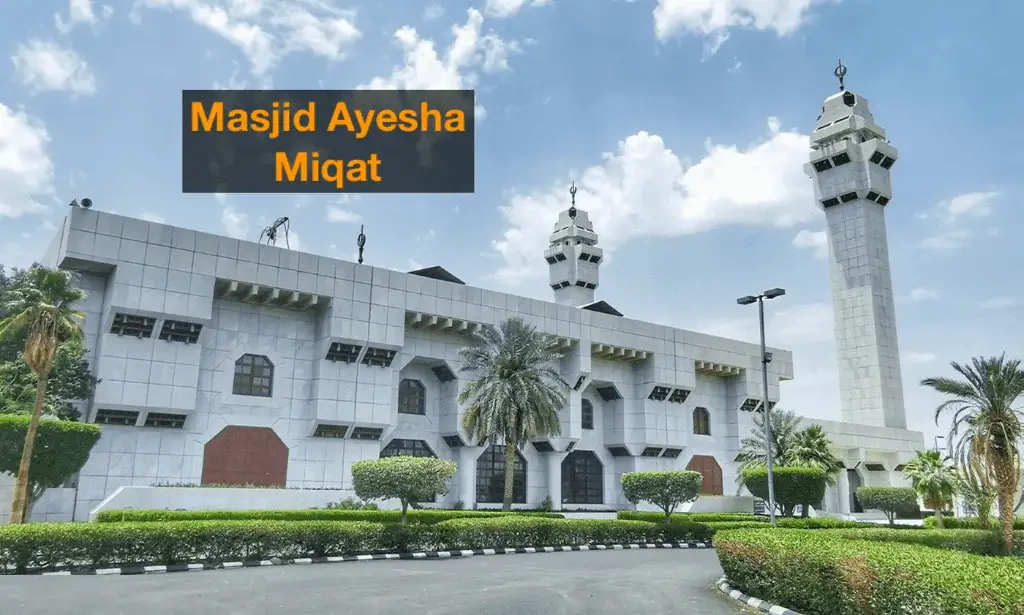
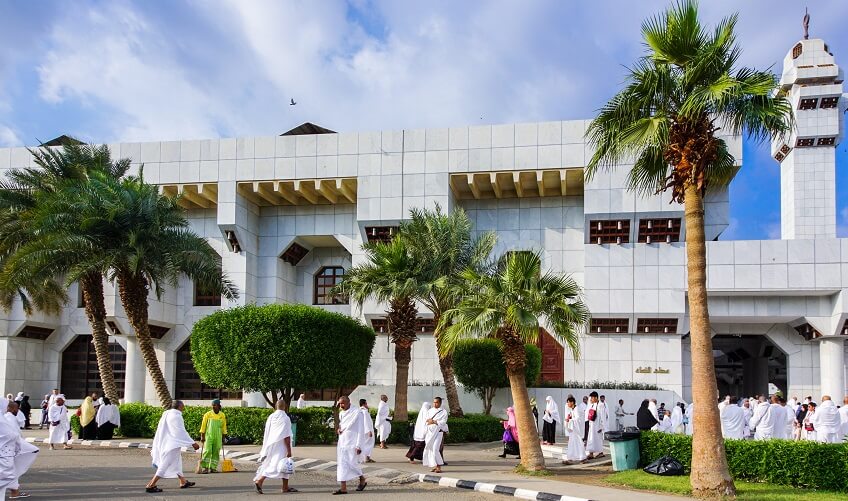
Masjid Ayesha, also known as Masjid al-Taneem, holds a unique and essential position in the sacred geography of Makkah. It is the designated Miqat for people who are already inside the Haram boundaries of Makkah and wish to perform Umrah, particularly a second or additional Umrah. For pilgrims staying near Masjid al-Haram, Masjid Ayesha is the nearest and most practical point to enter the state of Ihram in accordance with Islamic law.
Unlike the main Miqat points used by pilgrims arriving from outside Makkah, Masjid Ayesha serves a local Miqat function, making it a crucial landmark for millions of Umrah visitors every year.
What Is Masjid Ayesha Miqat for Makkah
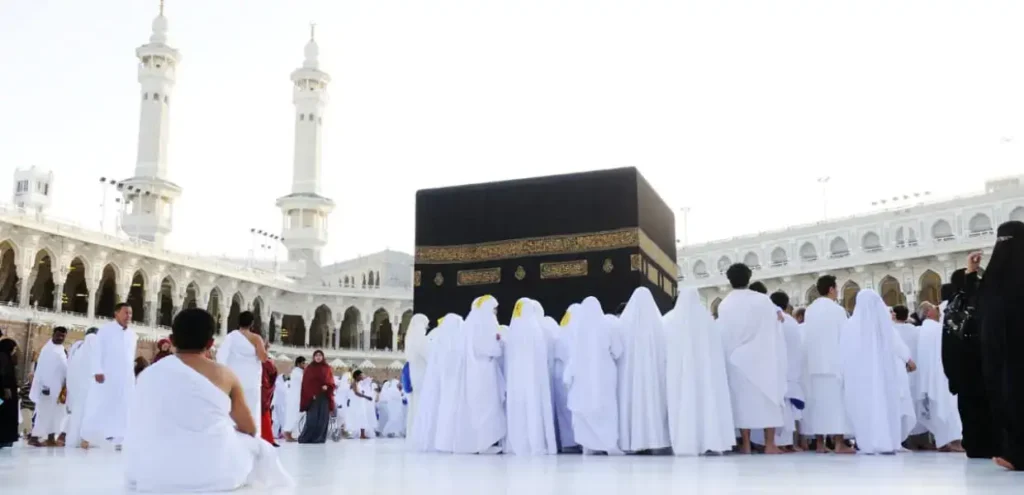
Masjid Ayesha Miqat for Makkah is located outside the Haram boundary, allowing pilgrims to exit the sacred precinct, assume Ihram, and then re-enter Makkah to perform Umrah. Crossing the Haram boundary without Ihram while intending Umrah is not permitted, which is why Masjid Ayesha fulfills a vital religious requirement for those already residing in Makkah.
From a jurisprudential perspective, it is not an alternative Miqat for incoming pilgrims. Instead, it exists specifically for Makkah residents, hotel guests, and pilgrims performing repeat Umrah.
Historical and Religious Significance of Masjid Ayesha
The mosque is named after Aisha (RA), the beloved wife of Prophet Muhammad ﷺ. During the Farewell Pilgrimage, she was unable to perform Umrah initially due to menstruation. After becoming pure, the Prophet ﷺ instructed her brother to take her to Taneem, where she entered Ihram and completed her Umrah.
This authentic narration established Taneem as a valid Miqat for those already within Makkah, giving Masjid Ayesha lasting religious authority. Its significance is rooted in Prophetic instruction, not later scholarly opinion, which strengthens its legitimacy and importance.
Who Should Use Masjid Ayesha as a Miqat
Masjid Ayesha is specifically intended for:
- Pilgrims staying in Makkah who wish to perform another Umrah
- Makkah residents intending Umrah
- Women who delayed Umrah due to menstruation
- Visitors who completed their initial Umrah and wish to renew Ihram
Pilgrims arriving from outside Makkah must enter Ihram at their original Shari‘ Miqat, such as Dhul Hulayfah, Qarn al-Manazil, Yalamlam, Juhfah, or Dhat ‘Irq.
Location and Distance from Masjid al-Haram
Masjid Ayesha is located in the Taneem area, approximately 7 to 8 kilometers north of Masjid al-Haram. Depending on traffic, travel time usually ranges between 15 and 25 minutes, making it the closest Miqat to the Holy Kaaba.
Its accessibility is one of the main reasons it is preferred by pilgrims, especially during short Umrah stays.
Step-by-Step Umrah Guide Starting from Masjid Ayesha
Preparing for Ihram
Pilgrims may perform ghusl at their hotel or use the well-maintained bathing facilities at Masjid Ayesha. Men wear the two unstitched white garments, while women wear modest Islamic clothing without specific color requirements.
Many pilgrims prefer to wear Ihram at their hotel and come to Masjid Ayesha solely for prayer and intention.
Prayer, Niyyah, and Talbiyah
Inside the mosque, pilgrims perform two rak‘ahs of Sunnah prayer. Afterward, the intention for Umrah is made, followed by the recitation of Talbiyah. From this moment, the pilgrim officially enters the state of Ihram and must observe all its rules.
Returning to Masjid al-Haram and Completing Umrah
After leaving Masjid Ayesha, pilgrims return directly to Masjid al-Haram and complete the Umrah rituals in order: Tawaf, prayer behind Maqam Ibrahim if possible, Sa’i between Safa and Marwah, and finally Halq or Taqsir to exit Ihram.
Ihram Rules and Prohibitions After Masjid Ayesha
Once Ihram is assumed, pilgrims must avoid actions such as using perfume, cutting hair or nails, hunting, and engaging in disputes. These rules apply fully from Masjid Ayesha until Umrah is completed and Ihram is exited.
Facilities Available at Masjid Ayesha
Masjid Ayesha is equipped to handle large numbers of pilgrims. Facilities include clean washrooms, showers, wudu areas, separate changing spaces for men and women, and nearby shops selling Ihram garments and basic necessities. These amenities make the process smooth even during peak seasons.
How to Reach Masjid Ayesha from Masjid al-Haram
Transportation to Masjid Ayesha is widely available. Public buses are economical but slower. Ride-hailing services operate throughout the day, though prices can rise during Ramadan and Fridays.
For pilgrims seeking comfort, punctuality, and a stress-free experience – especially families and elderly travelers – private Umrah taxi services are the most reliable option.
Al Maqam Transport provides 24/7 Umrah taxi services from Masjid al-Haram to Masjid Ayesha, including round-trip transfers with waiting time. This allows pilgrims to focus entirely on worship without navigating traffic, crowds, or fare negotiations.
Best Time to Visit Masjid Ayesha
Early morning hours after Fajr and mid-day outside prayer rush times are generally calmer. Late evenings, weekends, and Ramadan nights are the busiest. Planning your visit wisely can significantly improve your experience.
Common Misconceptions About Masjid Ayesha Miqat
A frequent misunderstanding is that Masjid Ayesha serves as a universal Miqat for all pilgrims. In reality, it is only valid for those already inside Makkah. It does not replace the original Miqat for incoming pilgrims from outside the city.
FAQs
Is Masjid Ayesha a Miqat for Umrah?
Yes, but only for those already in Makkah.
Is it the closest Miqat to Makkah?
Yes, it is the nearest Miqat outside the Haram boundary.
Can I buy Ihram at Masjid Ayesha?
Yes, Ihram clothing and essentials are available nearby.
How do I make intention for Umrah at Masjid Ayesha?
After praying two rak‘ahs, make Niyyah for Umrah and begin Talbiyah.
Conclusion
Masjid Ayesha Miqat for Makkah is an essential gateway for pilgrims already within the city who wish to perform Umrah correctly and in accordance with Sunnah. Its historical roots, clear religious function, and convenient location make it an indispensable part of the Umrah journey.
With proper preparation, correct intention, and reliable transportation, the experience becomes spiritually fulfilling and logistically effortless. For smooth and comfortable travel between Masjid al-Haram and Masjid Ayesha, Al Maqam Transport’s Umrah and taxi services ensure pilgrims can focus on worship while leaving transportation worries behind.

Zeeshan is a professional driver and tour guide who has been living and driving in Saudi Arabia for the past 5 years. With deep knowledge of the roads, landmarks, and Ziyarat locations across Makkah, Madinah, Jeddah, and Taif, he helps pilgrims and travelers enjoy safe, smooth, and well-organized journeys. His experience in Umrah transport, city tours, and airport transfers makes him a trusted expert for visitors exploring Saudi Arabia.