


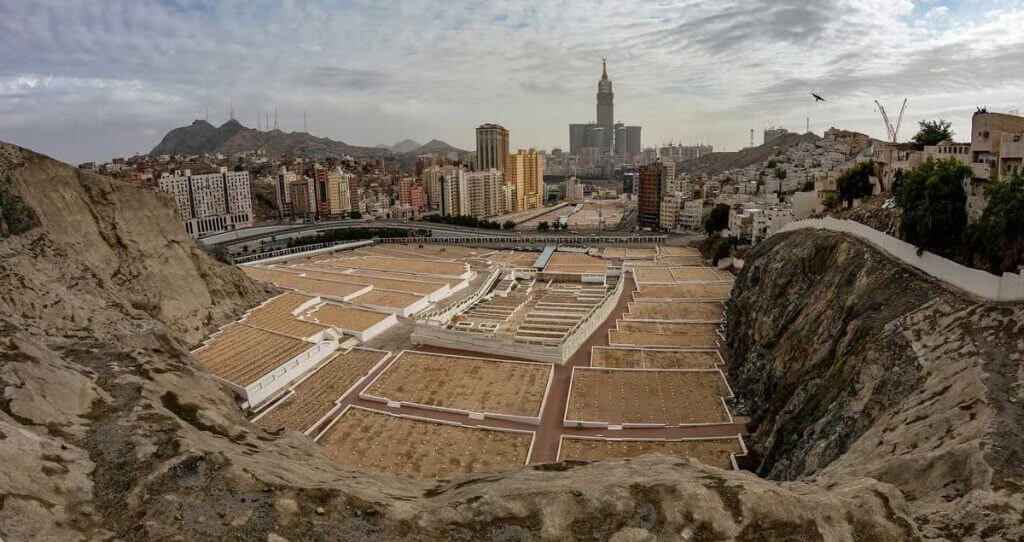
Al Muallaa Cemetery, also known as Jannat al Muallaa or Al Hajun Cemetery, is one of the most sacred and historically important Islamic burial grounds in Makkah, Saudi Arabia. It holds exceptional spiritual value as the final resting place of several close family members of Prophet Muhammad ﷺ, along with prominent figures from early Islamic history.
After Jannat al Baqi in Madinah, Al Muallaa is widely regarded as the second most important cemetery in the Islamic world, making it a deeply meaningful site for pilgrims performing Hajj or Umrah.
What Is Al Muallaa Cemetery?
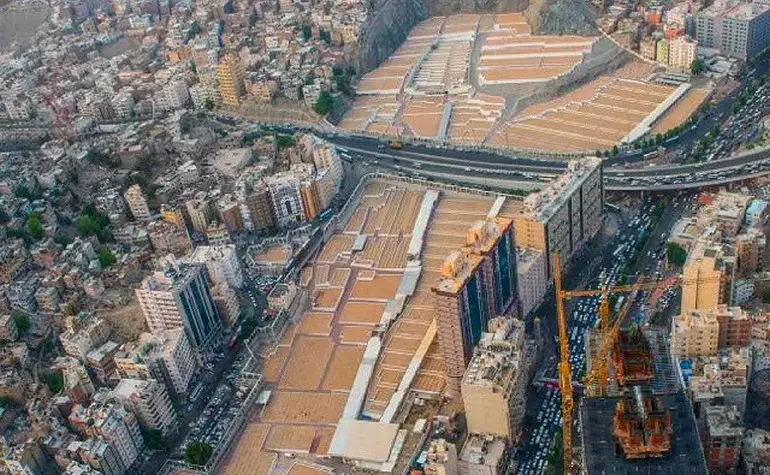
Al Muallaa Cemetery served as the primary burial ground of Makkah long before and during the early days of Islam. The name “Al Muallaa” refers to its elevated location in the Al Hajun area, north of Masjid al Haram. The term “Jannat” symbolically reflects its spiritual status, meaning garden, a reference often used for revered Islamic cemeteries.
Historical Significance of Jannat al Muallaa
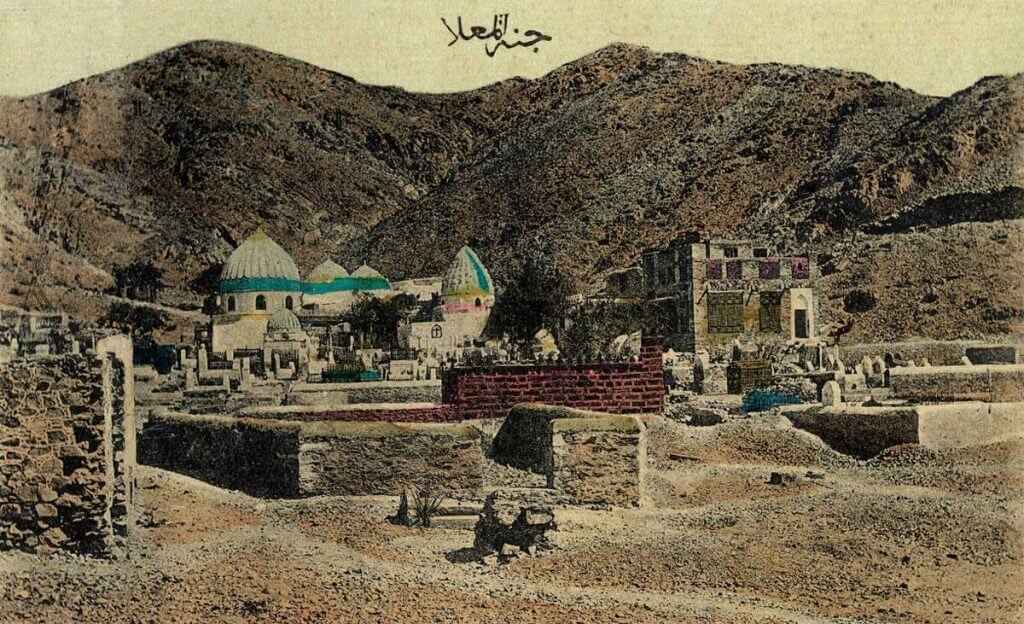
Before the Prophet’s migration (Hijrah) to Madinah, Al Muallaa was the main cemetery for the people of Quraysh. Many burials here date back to the pre-Islamic era, while others belong to the earliest Muslims who supported Islam during its most difficult years.
The cemetery holds particular emotional significance because it contains the grave of Sayyidah Khadijah bint Khuwaylid (RA), the beloved wife of the Prophet ﷺ, who supported him spiritually, emotionally, and financially during the earliest revelations.
Historically, marked graves and domes existed at Al Muallaa. However, in 1925, all structures were removed in accordance with local religious rulings to prevent grave veneration. Today, the cemetery reflects simplicity, equality, and humility, core Islamic values related to death.
Who Is Buried in Al Muallaa Cemetery?
Members of the Prophet’s Family
Al Muallaa is the resting place of several close relatives of Prophet Muhammad ﷺ, including:
- Khadijah bint Khuwaylid (RA) – the first believer in Islam and Mother of the Believers
- Abdul Muttalib – the Prophet’s grandfather
- Abu Talib – the Prophet’s uncle and protector during early persecution
- Qasim and Abdullah – sons of the Prophet ﷺ who passed away in infancy
Traditional accounts also associate the area with Aminah bint Wahb, the Prophet’s mother, although many historians confirm her grave is in Abwa.
Early Companions and Quraysh Leaders
The cemetery also includes graves of respected companions and early Muslims from Quraysh, making it a site that represents the foundations of Islamic history in Makkah.
Location of Al Muallaa Cemetery in Makkah
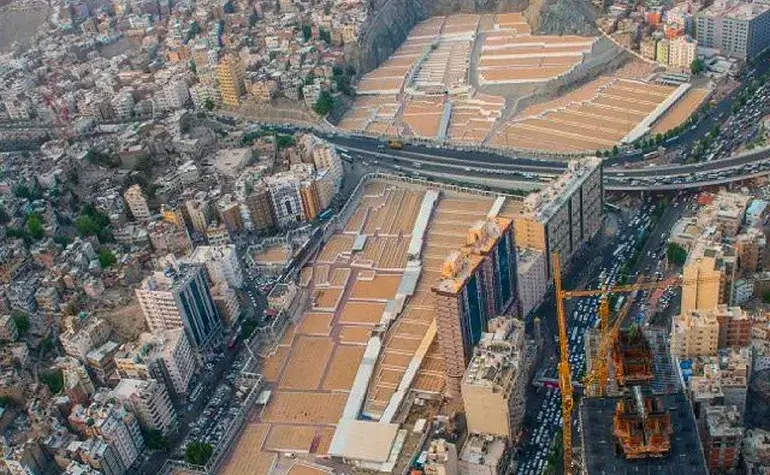
Al Muallaa Cemetery is located approximately 1 kilometer north of Masjid al Haram, in the Al Hajun district of Makkah.
It is close to notable landmarks such as Masjid al Jinn, and is surrounded by a long white boundary wall. From the northern exits of the Haram, the cemetery is reachable within 10 to 20 minutes on foot, depending on crowd conditions.
Visiting Hours, Access & Current Rules
Al Muallaa Cemetery is open year-round, and there is no entrance fee. However, access inside the cemetery is regulated by authorities.
- Men may be allowed entry at specific times, often linked to funerals
- Women are generally not permitted to enter the cemetery but may stand outside the wall and make du‘a
These regulations can change depending on crowd management and local policies, especially during Hajj and peak Umrah seasons.
Proper Etiquette for Visiting Al Muallaa Cemetery
Visiting Al Muallaa is considered a ziyarah, intended for reflection and remembrance of death, not tourism.
Visitors should:
- Maintain a calm, respectful demeanor
- Dress modestly according to Islamic guidelines
- Offer general supplications for the deceased
Prohibited actions include:
- Touching graves or walls
- Seeking blessings from soil or stones
- Loud weeping, chanting, or photography inside
The graves are intentionally unmarked, and visitors are encouraged to pray for all believers buried there, rather than searching for specific graves.
What to Expect When You Visit Today
Today, Al Muallaa appears as a simple, open burial ground with small stone mounds marking graves. There are no names, domes, or structures, reinforcing the Islamic principle that all people are equal in death.
This simplicity encourages visitors to focus on spiritual reflection, the temporary nature of life, and the sacrifices made by the earliest Muslims.
Best Time to Visit & Practical Tips
The best time to visit Al Muallaa Cemetery is early morning after Fajr or late afternoon after Asr, when temperatures are lower.
Visitors should bring water, wear comfortable footwear, and avoid peak midday heat, especially during summer months.
Transportation to Al Muallaa Cemetery
Many pilgrims choose to walk from Masjid al Haram, but for elderly visitors, families, or those performing multiple ziyarah sites, reliable transportation is highly recommended.
For a comfortable and stress-free journey, especially during Umrah or Hajj, professional Umrah taxi and local transport services in Makkah offer convenient door-to-door travel. These services are ideal for visiting Al Muallaa Cemetery, Masjid al Jinn, Mina, Arafat, and other sacred locations while avoiding long walks and crowd congestion.
Al Muallaa Cemetery vs Jannat al Baqi
While Jannat al Baqi in Madinah contains the graves of many Sahaba and family members of the Prophet ﷺ, Al Muallaa represents the Makkan phase of Islam, highlighting the patience, sacrifice, and resilience that laid the foundation for the Muslim Ummah.
Both cemeteries complement each other in understanding the full Seerah of the Prophet Muhammad ﷺ.
FAQs
Who is buried in Jannat al Muallaa?
Several close relatives of the Prophet ﷺ, including Khadijah (RA), Abdul Muttalib, Abu Talib, and his sons Qasim and Abdullah.
Where is the grave of Khadijah (RA)?
Her grave is within Al Muallaa Cemetery, though it is unmarked like all others.
Can women visit Al Muallaa Cemetery?
Women are generally not permitted inside but may offer du‘a from outside the boundary wall.
Is Al Muallaa Cemetery free to visit?
Yes, there is no admission fee.
Conclusion
Al Muallaa Cemetery is not merely a historical site; it is a place of deep spiritual reflection that connects visitors directly to the earliest chapter of Islam. As the resting place of the Prophet’s ﷺ beloved family members and companions, it stands as a reminder of sacrifice, faith, and humility.
Whether you walk from Masjid al Haram or arrive via a trusted Umrah taxi service, a visit to Al Muallaa offers a meaningful opportunity to reflect on life, death, and the legacy of those who shaped Islamic history in Makkah.

Zeeshan is a professional driver and tour guide who has been living and driving in Saudi Arabia for the past 5 years. With deep knowledge of the roads, landmarks, and Ziyarat locations across Makkah, Madinah, Jeddah, and Taif, he helps pilgrims and travelers enjoy safe, smooth, and well-organized journeys. His experience in Umrah transport, city tours, and airport transfers makes him a trusted expert for visitors exploring Saudi Arabia.