


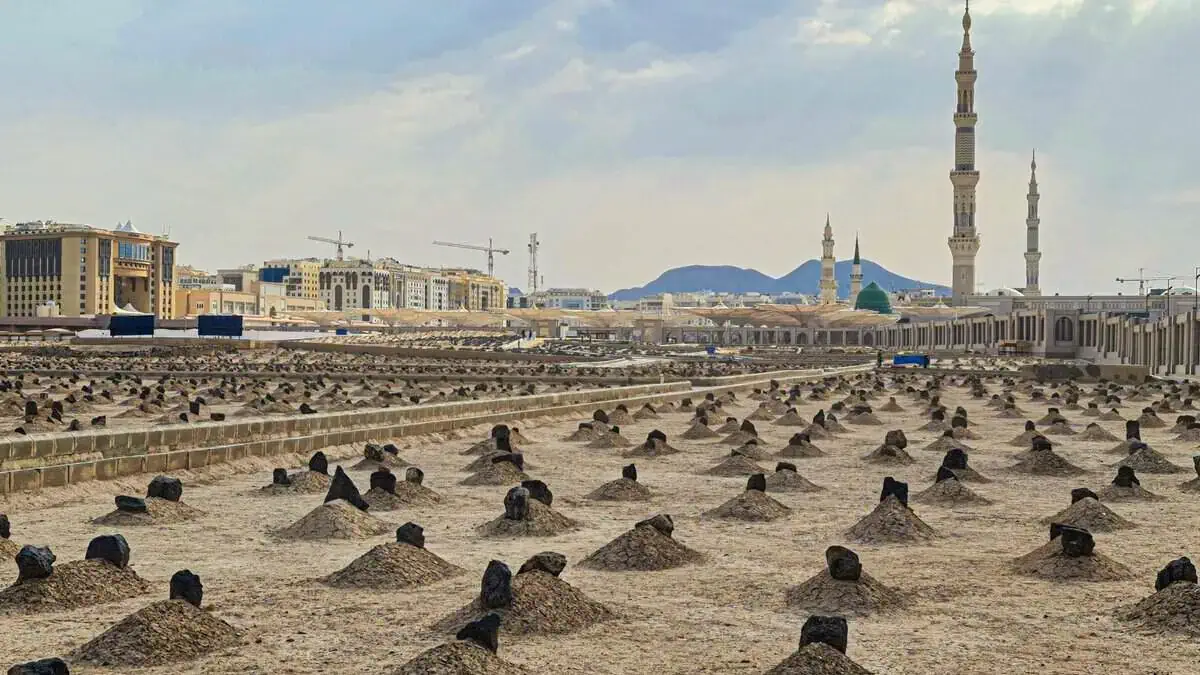
Jannat ul Baqi, also known as Jannatul Baqi or Baqi al-Gharqad, is the oldest and most sacred Islamic cemetery in Madinah. Located immediately to the southeast of Al-Masjid an-Nabawi, it holds unparalleled significance in Islamic history as the final resting place of thousands of the Prophet Muhammad’s ﷺ family members, companions, scholars, and righteous believers.
For Muslims visiting Madinah, Jannatul Baqi is not simply a burial ground; it is a living reminder of the foundations of Islam, the sacrifices of the Sahaba, and the humility of the early Muslim community.
What Is Jannat ul Baqi?
The word “Baqi” refers to a tract of land containing remnants of vegetation, while “al-Gharqad” refers to the boxthorn (Nitraria retusa) tree that once grew abundantly in this area. Hence, Baqi al-Gharqad means “the land with boxthorn trees.”
After the Prophet Muhammad ﷺ migrated to Madinah in 622 CE, this land was designated as the main Muslim cemetery by divine instruction. Over time, it became known as Jannatul Baqi – the Garden of Baqi, symbolizing its honored status in Islam.
Location and Layout of Jannatul Baqi
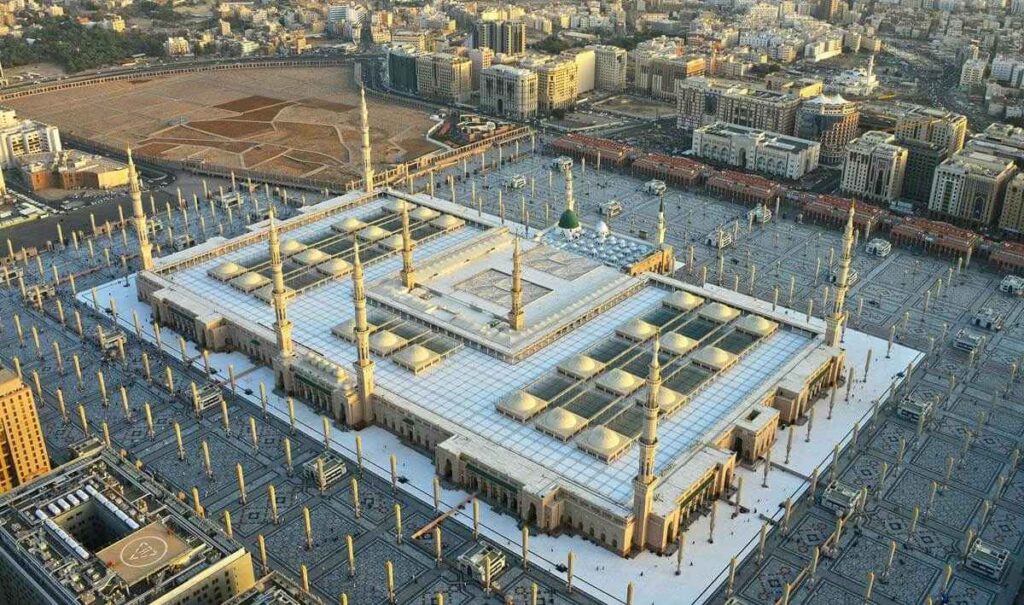
Jannatul Baqi lies directly adjacent to the eastern boundary of Masjid an-Nabawi, separated today by a wide marble plaza. The cemetery now covers approximately 175,000 square meters, making it the largest cemetery in Madinah.
It has multiple entrances, with the main visitor entrance facing the Prophet’s Mosque, allowing pilgrims to easily access it after prayer. The graves themselves are simple, unmarked earth mounds, reflecting Islamic teachings of humility and equality in death.
The Virtue and Significance of Jannatul Baqi
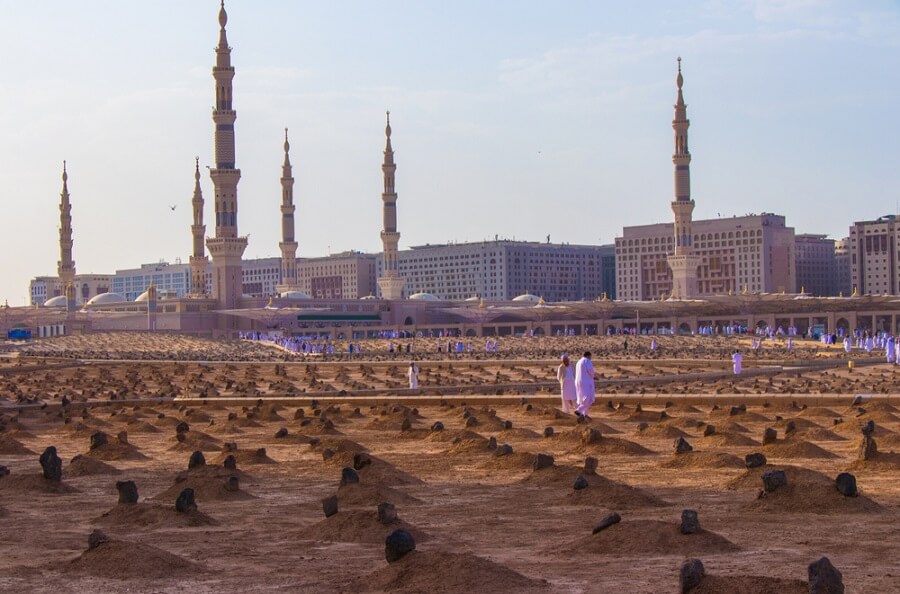
The Prophet Muhammad ﷺ regularly visited Jannatul Baqi and made heartfelt supplications for those buried there. Numerous authentic narrations describe him greeting the inhabitants of Baqi and praying for their forgiveness.
He ﷺ encouraged Muslims to value Madinah as a place of life and death, promising intercession for those who pass away there. Because of these traditions, Jannatul Baqi is regarded as one of the two holiest cemeteries in Islam, alongside Jannatul Mu‘alla in Makkah.
Who Is Buried in Jannatul Baqi?
Jannatul Baqi is believed to contain the graves of over ten thousand Sahaba, along with many from the Prophet’s ﷺ household and later generations.
Ahl al-Bayt (Family of the Prophet ﷺ)
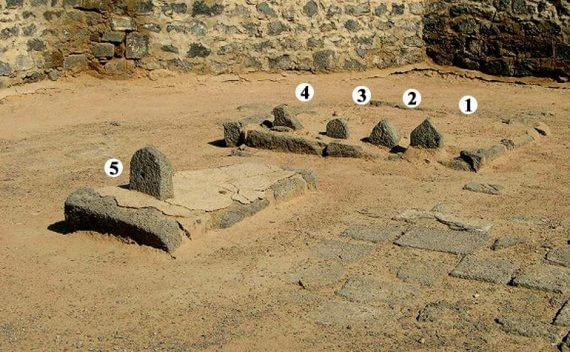
Among the most honored individuals buried here are members of the Prophet’s family, including Hasan ibn Ali, Ali ibn Husayn Zayn al-Abidin, Muhammad al-Baqir, Ja‘far al-Sadiq, al-Abbas ibn Abdul Muttalib, and Lady Fatima (رضي الله عنها) according to many historical reports.
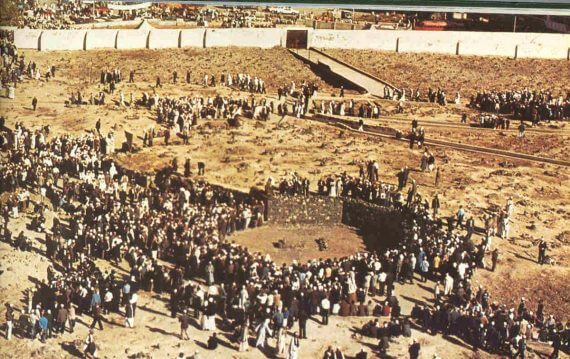
Wives and Daughters of the Prophet ﷺ
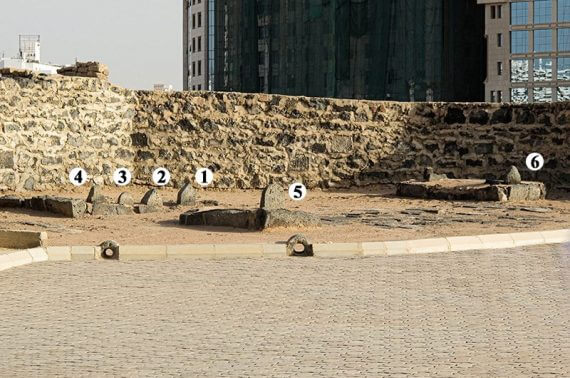
Most of the Mothers of the Believers, including Aisha, Hafsa, Umm Salama, and Zaynab bint Jahsh, are buried in Jannatul Baqi, along with the Prophet’s daughters Ruqayya, Umm Kulthum, and Zaynab (رضي الله عنهن).
Major Sahaba and Islamic Figures
Prominent companions such as Uthman ibn Affan, Abdul Rahman ibn Awf, Sa‘d ibn Abi Waqqas, Uthman ibn Maz‘un, and the Prophet’s infant son Ibrahim rest here.
Scholars, Martyrs, and Righteous People
The cemetery also includes the graves of Imam Malik ibn Anas, early scholars, martyrs of the Battle of al-Harra, and other righteous Muslims whose legacy shaped Islamic civilization.
History of Jannatul Baqi
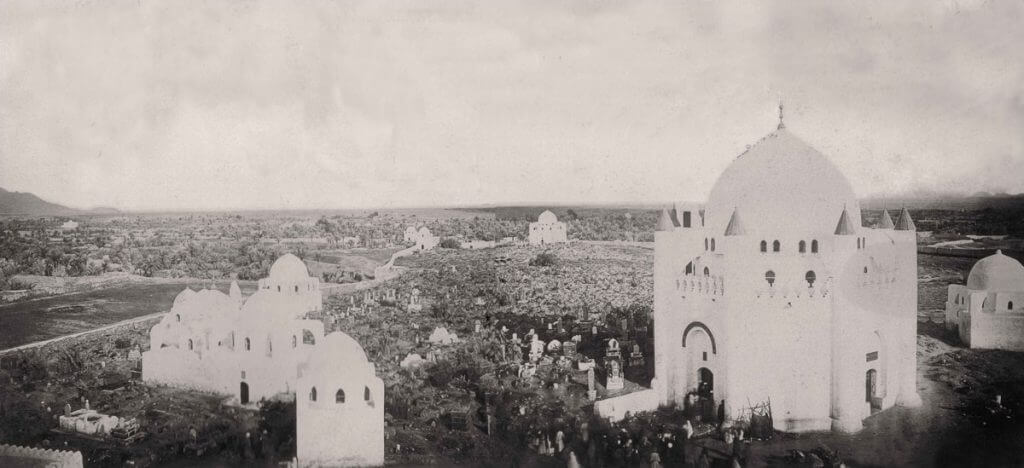
Jannatul Baqi evolved alongside Madinah itself. Initially surrounded by farmland and homes, it expanded as more companions wished to be buried near the Prophet ﷺ.
From the second century AH onward, domes and mausoleums were constructed over many graves. These structures stood for centuries until they were demolished in 1806 and again in 1925, based on religious interpretations opposing grave structures.
Today, Jannatul Baqi remains intentionally simple, preserving its original spiritual essence and reminding visitors of the temporary nature of worldly life.
Visiting Jannatul Baqi – Rules, Timings, and Etiquette
Jannatul Baqi is usually open twice daily, after Fajr and Asr prayers. Entry is permitted for men only, while women may view the cemetery from outside the boundary.
Visitors should maintain silence, humility, and avoid photography. The Sunnah is to offer salutations and supplications for the deceased, without directing prayers toward the graves themselves.
How to Visit Jannatul Baqi from Masjid an-Nabawi
The cemetery is just a short walk from the eastern gates of Masjid an-Nabawi, making it easy to include in a ziyarat routine. For elderly pilgrims, families, or groups visiting multiple religious sites in Madinah, reliable local transport is highly recommended.
Many Umrah visitors choose professional Madinah taxi and Umrah transport services to ensure smooth, respectful travel between hotels, the Prophet’s Mosque, Jannatul Baqi, and other sacred locations. A dedicated local service helps pilgrims focus on worship without logistical stress.
FAQs
What is the meaning of Baqi al-Gharqad?
It refers to land once filled with boxthorn trees, which existed in this area before it became a cemetery.
Why are the graves unmarked?
Islam emphasizes humility and equality in death, and current regulations prevent individual grave markers.
Can non-Muslims enter Jannatul Baqi?
No, access is restricted, though surrounding areas may be viewed from outside.
Conclusion
Jannat ul Baqi is not only a cemetery but a profound chapter of Islamic history written into the soil of Madinah. It reflects the simplicity of the Prophet ﷺ, the sacrifices of the Sahaba, and the spiritual legacy of Islam’s earliest generations. Visiting Jannatul Baqi deepens a believer’s connection to the Prophet’s life, reinforces the reality of the Hereafter, and completes the spiritual experience of Madinah.
For pilgrims performing Umrah or visiting Madinah, planning respectful ziyarat journeys—supported by trusted local taxi and Umrah transport services—ensures a peaceful, focused, and memorable visit to this sacred ground.

Zeeshan is a professional driver and tour guide who has been living and driving in Saudi Arabia for the past 5 years. With deep knowledge of the roads, landmarks, and Ziyarat locations across Makkah, Madinah, Jeddah, and Taif, he helps pilgrims and travelers enjoy safe, smooth, and well-organized journeys. His experience in Umrah transport, city tours, and airport transfers makes him a trusted expert for visitors exploring Saudi Arabia.