



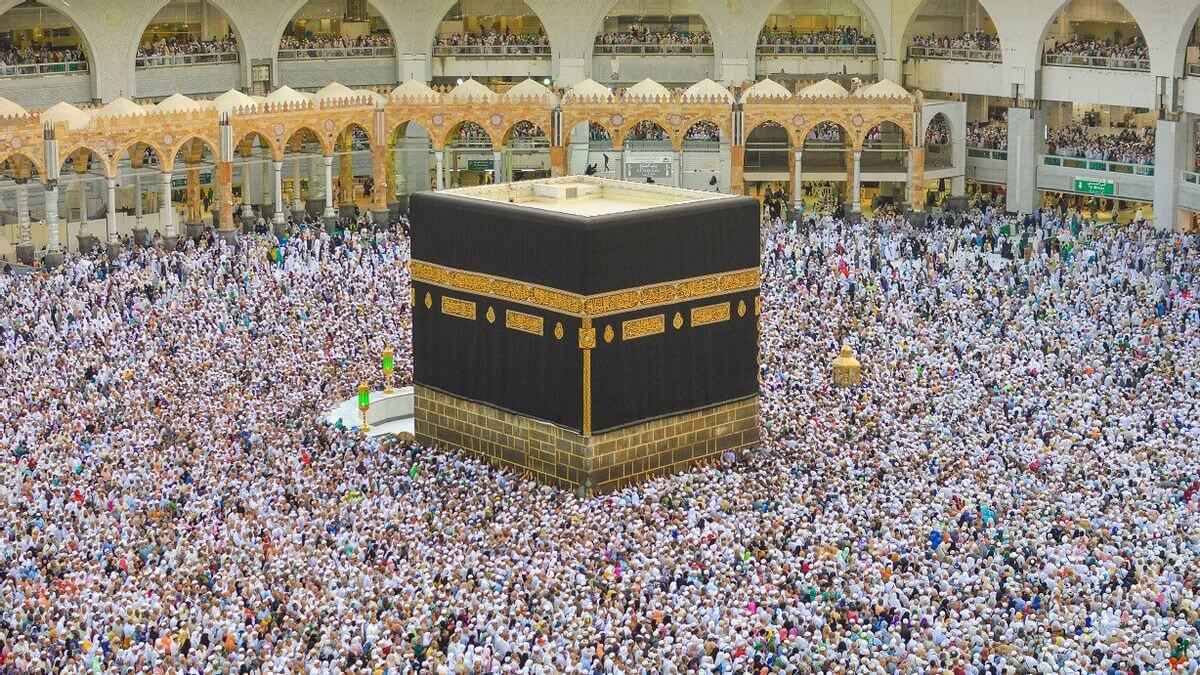
Farewell Tawaf, known in Arabic as Tawaf al-Wada (طواف الوداع), is the final act of worship a pilgrim performs before departing from Makkah after completing Hajj. It is not merely a physical circumambulation of the Kaaba but a deeply emotional and spiritual farewell to the House of Allah. This tawaf marks the conclusion of the pilgrimage and symbolizes gratitude, humility, and hope for acceptance.
For many pilgrims, this moment carries a weight unlike any other. It is the last time their eyes rest upon the Kaaba during this sacred journey, making Tawaf al-Wada one of the most heartfelt rites of Hajj.
What Is Farewell Tawaf in Islam?
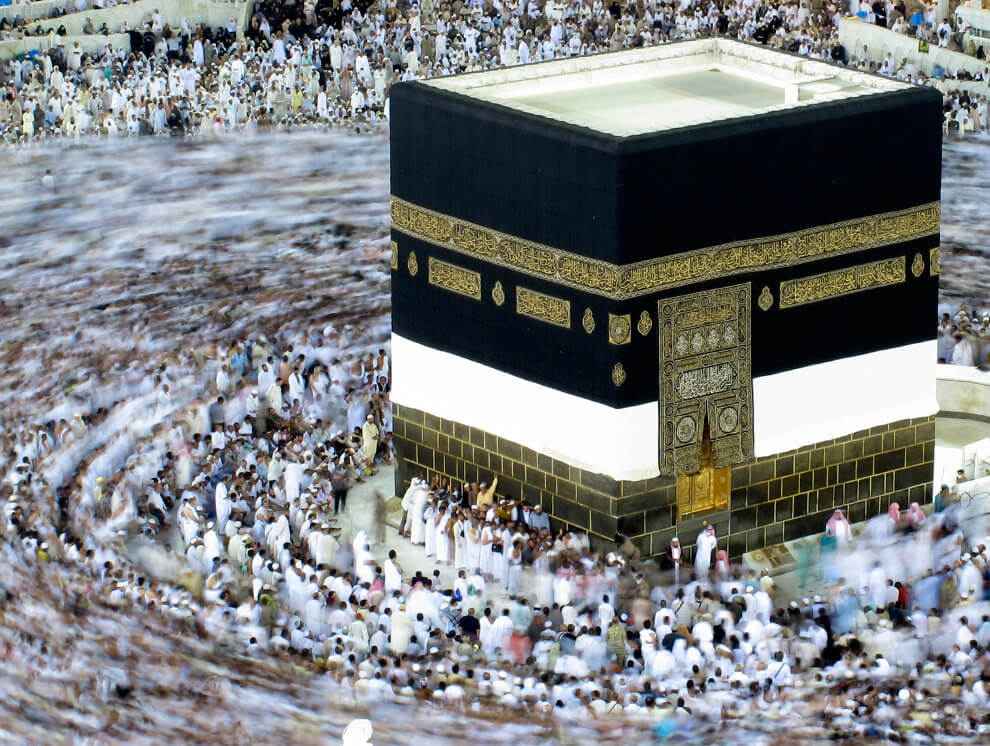
The word “Wada” means farewell. Tawaf al-Wada is performed after all Hajj rituals are completed and just before leaving Makkah. The pilgrim circles the Kaaba seven times in an anti-clockwise direction, just as in other tawafs, with the intention that this will be their final act in the Sacred Mosque.
The Prophet Muhammad ﷺ instructed that the last action of a pilgrim in Makkah should be the circumambulation of the Kaaba, except for women experiencing menstruation or postnatal bleeding. This instruction establishes Tawaf al-Wada as an essential concluding rite of Hajj.
Religious Ruling and Obligation of Tawaf al-Wada
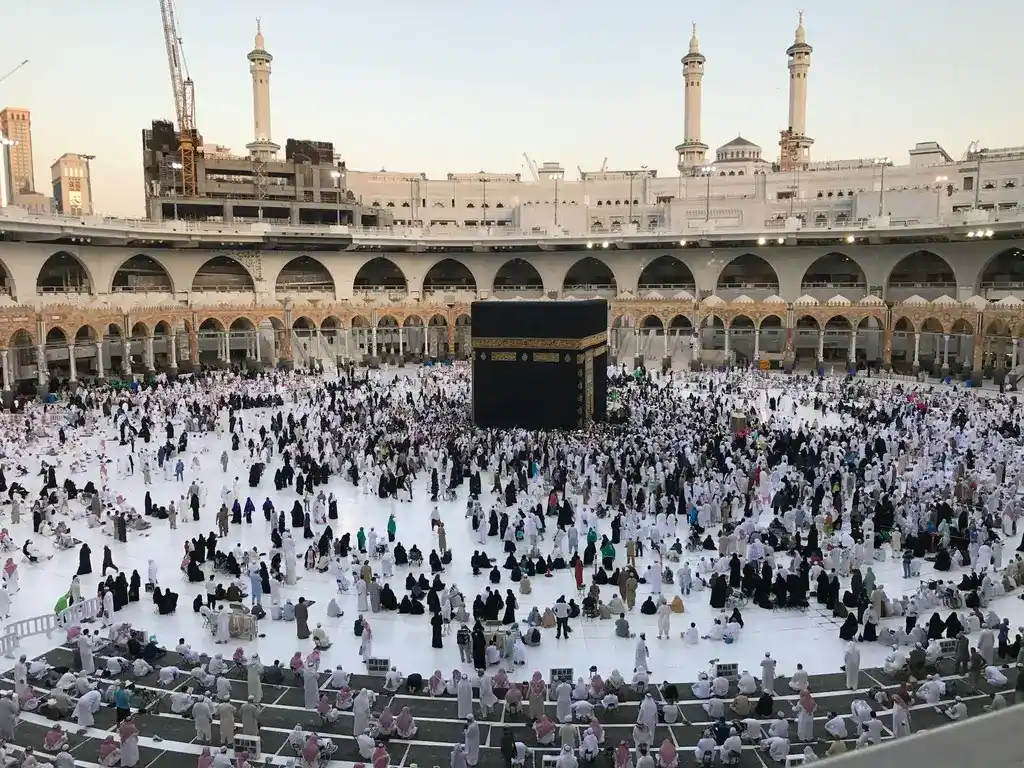
Farewell Tawaf is wajib (obligatory) for pilgrims performing Hajj who are traveling from outside the Miqat boundaries. Missing it without a valid excuse requires compensation through a sacrifice offered in Makkah.
Who Must Perform Farewell Tawaf
Any pilgrim completing Hajj and intending to leave Makkah must perform Tawaf al-Wada. This applies to those performing Hajj al-Ifrad, Qiran, or Tamattu‘.
Who Is Exempt from Tawaf al-Wada
Islam provides ease where hardship exists. Women who are menstruating or experiencing postnatal bleeding are exempt and are not required to offer compensation. According to many scholars, residents living within the Miqat boundaries are also not obligated to perform it. Importantly, Farewell Tawaf is not compulsory for Umrah, though some pilgrims choose to perform a voluntary tawaf before departure.
Spiritual Meaning and Importance of Farewell Tawaf
Farewell Tawaf represents submission and love for Allah. As pilgrims circle the Kaaba for the last time, they acknowledge that their journey was never about distance or movement, but obedience and devotion. It is a moment of reflection, repentance, and hope—hoping that Allah accepts the Hajj and grants the pilgrim another opportunity to return.
The act reinforces unity, as pilgrims from every background move together around a single spiritual center, reminding the believer that faith transcends nationality, language, and status.
When Should Farewell Tawaf Be Performed?
Timing is crucial. Tawaf al-Wada must be performed after completing all Hajj rites and immediately before leaving Makkah. A brief delay for necessities such as collecting luggage or arranging transport is allowed, but intentionally staying overnight or engaging in unrelated activities may require the tawaf to be repeated.
How to Perform Tawaf al-Wada Correctly
Farewell Tawaf is performed in the same physical manner as other tawafs, with a specific intention that distinguishes it.
Intention (Niyyah)
The pilgrim makes the intention in the heart to perform Tawaf al-Wada for the sake of Allah. No verbal declaration is required.
Seven Circuits Around the Kaaba
The tawaf begins at Hajar al-Aswad (Black Stone) and continues anti-clockwise for seven complete rounds. During the tawaf, pilgrims may recite Qur’an, engage in dhikr, or make personal supplications. There is no fixed dua prescribed, allowing the believer to speak from the heart.
Prayer After Tawaf and Final Supplication
After completing the seven rounds, it is recommended to pray two rak‘ahs behind Maqam Ibrahim if space permits. Many pilgrims then drink Zamzam water and make final supplications near the Kaaba or Multazam, asking Allah for forgiveness, acceptance, and a safe return home.
What Is Not Required During Farewell Tawaf
Unlike earlier stages of Hajj, Ihram is not required for Farewell Tawaf. Pilgrims may perform it in clean, modest clothing. There is also no Sa‘i between Safa and Marwah after Tawaf al-Wada, which is a common point of confusion.
Common Mistakes and Misconceptions About Tawaf al-Wada
Some pilgrims believe they must walk backwards when leaving Masjid al-Haram to avoid turning their back to the Kaaba. This practice has no basis in Sunnah and should be avoided. Another misunderstanding is delaying departure intentionally after the farewell tawaf, which contradicts its purpose and may invalidate it.
Difference Between Tawaf al-Wada, Tawaf al-Ifadah, and Tawaf al-Qudum
Islamic law distinguishes between different types of tawaf during Hajj. Tawaf al-Qudum is a Sunnah welcome tawaf performed upon arrival in Makkah. Tawaf al-Ifadah is a pillar of Hajj performed after returning from Mina and is essential for the validity of Hajj. Tawaf al-Wada, while obligatory, serves as the concluding farewell and can be compensated for if missed due to a valid reason.
Practical Travel Guidance After Farewell Tawaf
Since Tawaf al-Wada must be the final act before leaving Makkah, arranging reliable transportation is essential. Many pilgrims prefer pre-booked Umrah and Hajj taxi services that allow them to travel comfortably from their hotel to Masjid al-Haram and then onward to Jeddah, Madinah, or the airport without unnecessary delays.
Using a professional Umrah taxi or intercity transport service ensures that your farewell remains peaceful and unhurried, allowing you to leave Makkah with calmness rather than logistical stress. Well-organized transport is especially important for families, elderly pilgrims, and those traveling with luggage.
FAQs
Pilgrims often ask how many rounds Farewell Tawaf includes; the answer is seven, just like all other tawafs. Sleeping overnight or staying for an extended period after performing it is discouraged unless necessary. Saying goodbye to the Kaaba is done through tawaf and sincere supplication, not through specific physical gestures or innovations.
Conclusion
Farewell Tawaf, or Tawaf al-Wada, is the final spiritual embrace between the pilgrim and the Kaaba. It is an act filled with humility, love, and hope—hope that Allah has accepted the Hajj and will invite the pilgrim back again. Performed correctly and with sincerity, it completes the pilgrimage with dignity and obedience.
As you prepare to leave Makkah, let your final moments be focused on remembrance rather than logistics. With proper planning, reliable Umrah and Hajj taxi services, and a clear understanding of Tawaf al-Wada, your farewell can remain as meaningful as your arrival. The journey may end, but the spiritual transformation continues long after you return home.

Zeeshan is a professional driver and tour guide who has been living and driving in Saudi Arabia for the past 5 years. With deep knowledge of the roads, landmarks, and Ziyarat locations across Makkah, Madinah, Jeddah, and Taif, he helps pilgrims and travelers enjoy safe, smooth, and well-organized journeys. His experience in Umrah transport, city tours, and airport transfers makes him a trusted expert for visitors exploring Saudi Arabia.