


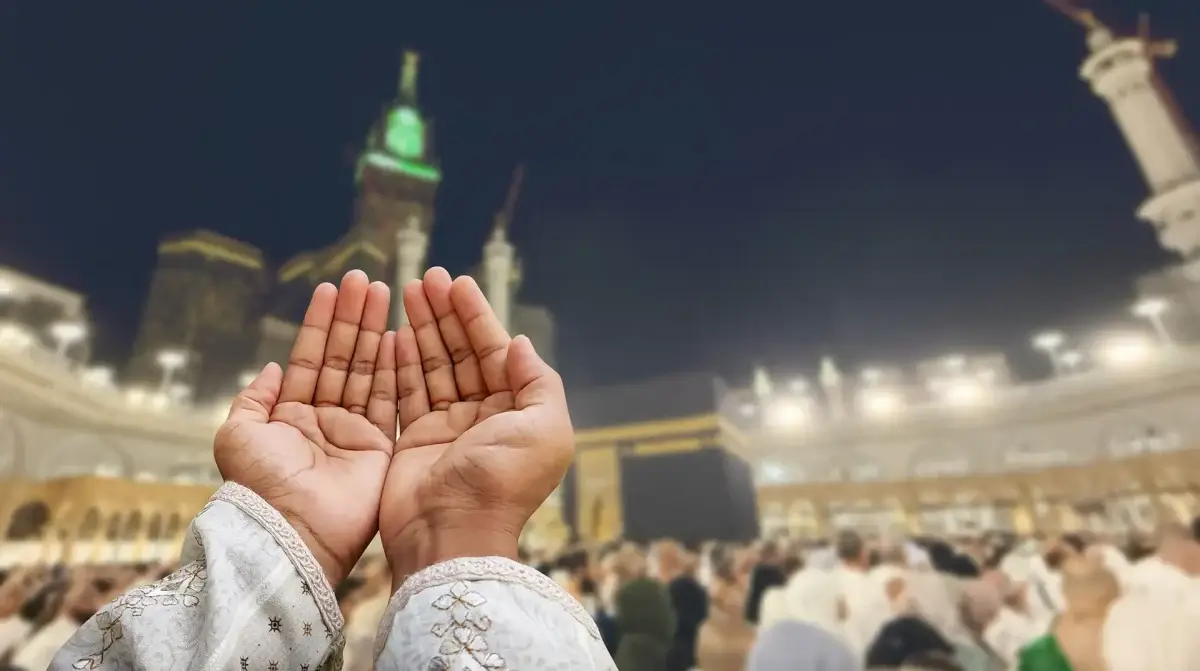
Umrah is a sacred Islamic pilgrimage performed in the holy city of Makkah, centered around Masjid al-Haram and the Kaaba, the spiritual heart of Islam. Often described as the “minor pilgrimage,” Umrah is not minor in its spiritual impact. It is a deeply transformative act of worship that allows Muslims to seek forgiveness, purify the soul, and renew their connection with Allah.
Unlike Hajj, which is obligatory and restricted to specific days in Dhul Hijjah, Umrah can be performed at almost any time of the year, making it accessible to millions of Muslims worldwide.
What Is Umrah in Islam?
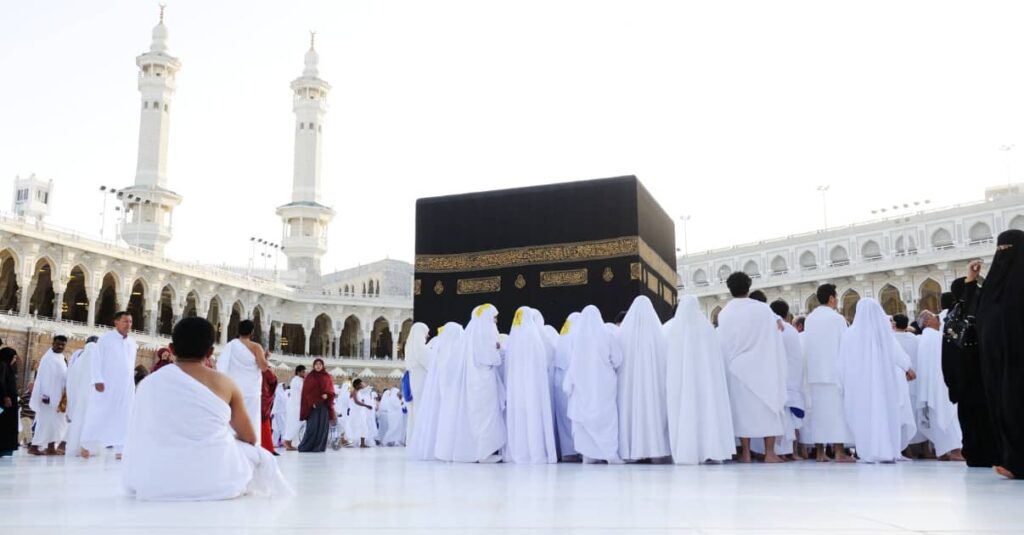
From a linguistic perspective, the Arabic word “Umrah” means to visit a populated or sacred place. In Islamic jurisprudence, Umrah refers to visiting the Sacred House of Allah and performing a defined set of rites that include Ihram, Tawaf, Sa’i, and Halq or Taqsir.
Scholars differ on its legal ruling. According to the Hanafi and Maliki schools, Umrah is a highly emphasized Sunnah, while the Shafi’i and Hanbali schools consider it obligatory at least once in a lifetime for those who are physically and financially capable. Despite this difference, all scholars agree on its immense virtue and reward.
Allah says in the Qur’an:
“And complete the Hajj and Umrah for Allah.”
(Surah al-Baqarah 2:196)
Spiritual Significance and Virtues of Umrah
Umrah holds a special place in Islam as a journey of humility, repentance, and submission. The Prophet Muhammad ﷺ performed Umrah four times in his life, demonstrating its importance through action.
Authentic hadith clearly describe its virtues. The Prophet ﷺ said:
“Umrah is an expiation for the sins committed between it and the previous one.”
(Sahih al-Bukhari)
Another narration describes pilgrims of Hajj and Umrah as guests of Allah, whose supplications are answered and sins forgiven. This spiritual status elevates Umrah beyond a physical journey—it becomes a divine invitation.
Performing Umrah during Ramadan carries even greater reward, as the Prophet ﷺ stated that it is equal in reward to performing Hajj with him, though it does not replace the obligation of Hajj.
History of Umrah in Islam
The first Umrah in Islamic history is closely tied to the Treaty of Hudaybiyyah. In 6 AH, the Prophet ﷺ and his companions set out with the peaceful intention of Umrah but were stopped outside Makkah. Rather than entering by force, the Prophet ﷺ chose diplomacy, resulting in a treaty that allowed Muslims to return the following year.
This event highlights Umrah’s foundations in peace, patience, and respect for the sanctity of the Kaaba—principles that remain central to the pilgrimage today.
When Can Umrah Be Performed?
Umrah may be performed throughout the year, except during the core days of Hajj (9th–13th of Dhul Hijjah), when access is restricted to manage crowds. Outside this period, pilgrims may choose quieter months or spiritually significant times such as Ramadan.
How to Perform Umrah – Step by Step
The rites of Umrah are precise yet spiritually profound.
A pilgrim begins by entering the state of Ihram at the designated Miqat, making the intention solely for Allah and reciting the Talbiyah. Upon reaching Masjid al-Haram, the pilgrim performs Tawaf, circling the Kaaba seven times in a counter-clockwise direction, symbolizing unity and devotion.
This is followed by Sa’i, walking seven times between the hills of Safa and Marwa, commemorating the perseverance of Hajar (RA). The pilgrimage concludes with Halq or Taqsir, where men shave or trim their hair and women trim a small portion, formally exiting the state of Ihram.
Though the rituals can be completed in a few hours, their spiritual effects last a lifetime.
Types of Umrah
There are two recognized types of Umrah. Umrah al-Mufradah is performed independently and can be undertaken any time of the year. Umrah al-Tamattu is performed as part of Hajj, followed later by the Hajj rituals in the same journey.
Difference Between Umrah and Hajj
While both pilgrimages take place in Makkah and share certain rituals, Hajj is a pillar of Islam, obligatory once in a lifetime for eligible Muslims, and performed only during specific dates. Umrah, by contrast, is shorter, flexible, and voluntary for most Muslims, yet immensely rewarding.
Practical Travel and Transportation for Umrah
Planning Umrah today involves visas, accommodation near the Haram, and efficient local transportation between Makkah, Madinah, Jeddah, and sacred sites such as Masjid Aisha for additional Umrah.
Reliable transportation plays a critical role in ensuring a smooth pilgrimage. Many pilgrims prefer private Umrah taxi services for airport transfers, hotel-to-Haram travel, and intercity journeys. Professional Umrah transport services provide air-conditioned vehicles, experienced drivers familiar with pilgrim routes, and flexible scheduling—especially valuable for families, elderly pilgrims, and groups.
For pilgrims seeking comfort, punctuality, and stress-free travel during Umrah, using a trusted Umrah and Ziyarat taxi service in Saudi Arabia significantly enhances the overall experience and allows full focus on worship.
Final Reflections on the Journey of Umrah
Umrah is not merely a visit to Makkah; it is a return to Allah. It strips away worldly distractions, reminds the believer of their purpose, and renews faith through sincere devotion. Whether performed once or multiple times, Umrah leaves a lasting imprint on the heart—an invitation to live with greater humility, gratitude, and obedience long after returning home.
FAQs
Is Umrah mandatory in Islam?
It depends on the school of thought, but all agree it is a highly virtuous act of worship.
How long does Umrah take?
Typically between 3 to 6 hours, depending on crowd conditions.
Can Umrah be performed multiple times?
Yes, by exiting the Haram boundary and re-entering Ihram, often via Masjid Aisha.

Zeeshan is a professional driver and tour guide who has been living and driving in Saudi Arabia for the past 5 years. With deep knowledge of the roads, landmarks, and Ziyarat locations across Makkah, Madinah, Jeddah, and Taif, he helps pilgrims and travelers enjoy safe, smooth, and well-organized journeys. His experience in Umrah transport, city tours, and airport transfers makes him a trusted expert for visitors exploring Saudi Arabia.