


What Is Hajj in Islam?
Hajj is the annual Islamic pilgrimage to the holy city of Makkah in Saudi Arabia and represents one of the most profound acts of worship in Islam. It is the Fifth Pillar of Islam, making it a fundamental religious obligation for every adult Muslim who has the ability to perform it. Hajj is not simply a journey or religious tour; it is a structured act of devotion performed at a specific time, in specific places, through specific rituals ordained by Allah and taught by the Prophet Muhammad ﷺ.
From a linguistic perspective, the Arabic word Hajj (حج) means to intend or set out toward a great purpose. In Islamic law, Hajj refers to visiting the Kaaba and other sacred sites during the month of Dhu al-Hijjah to perform prescribed acts of worship, collectively known as Manasik al-Hajj.
The Meaning and Obligation of Hajj

In Islam, Hajj is obligatory once in a lifetime for Muslims who meet the conditions of capability (Istita’ah). Unlike daily prayer or fasting, Hajj combines physical endurance, financial sacrifice, emotional patience, and spiritual submission into one comprehensive act of worship.
A Muslim is required to perform Hajj only if they are:
- Physically able to endure the journey and rituals
- Financially capable without neglecting dependents
- Mentally sound and safe to travel
This conditional obligation reflects Islam’s emphasis on mercy and practicality while maintaining the sacred importance of the pilgrimage.
Recommended: Miqat Guide for Hajj & Umrah
When Does Hajj Take Place?
Hajj takes place annually during Dhu al-Hijjah, the twelfth and final month of the Islamic lunar calendar. The main rites are performed between the 8th and 12th (or 13th) of Dhu al-Hijjah, depending on the sighting of the moon.
Because the Islamic calendar follows the lunar cycle, the dates of Hajj shift approximately 10–11 days earlier each Gregorian year. This fixed timing is a defining feature that distinguishes Hajj from other acts of worship, such as Umrah, which can be performed at any time of the year.
Recommended: Clothing Guide for Umrah & Hajj
Why Is Hajj Important in Islam?
Hajj holds immense spiritual importance because it represents complete submission to Allah. It commemorates the unwavering obedience of Prophet Ibrahim (Abraham), his wife Hajar, and their son Ismail, whose sacrifices form the foundation of many Hajj rituals.
The Qur’an affirms the sanctity of Hajj, and the Prophet Muhammad ﷺ emphasized its spiritual reward, teaching that a sincerely performed Hajj cleanses a person of sins. A Hajj accepted by Allah (Hajj Mabroor) carries no reward other than Paradise.
Beyond individual spirituality, Hajj reinforces universal Islamic values—equality, humility, patience, and unity—as millions of pilgrims, regardless of nationality or status, stand side by side in worship.
How Is Hajj Performed?
Hajj consists of a carefully ordered sequence of rituals performed across Makkah, Mina, Arafat, and Muzdalifah. These rites are both symbolic and practical, guiding the pilgrim through a journey of reflection, repentance, and renewal.
The Core Rituals of Hajj Explained
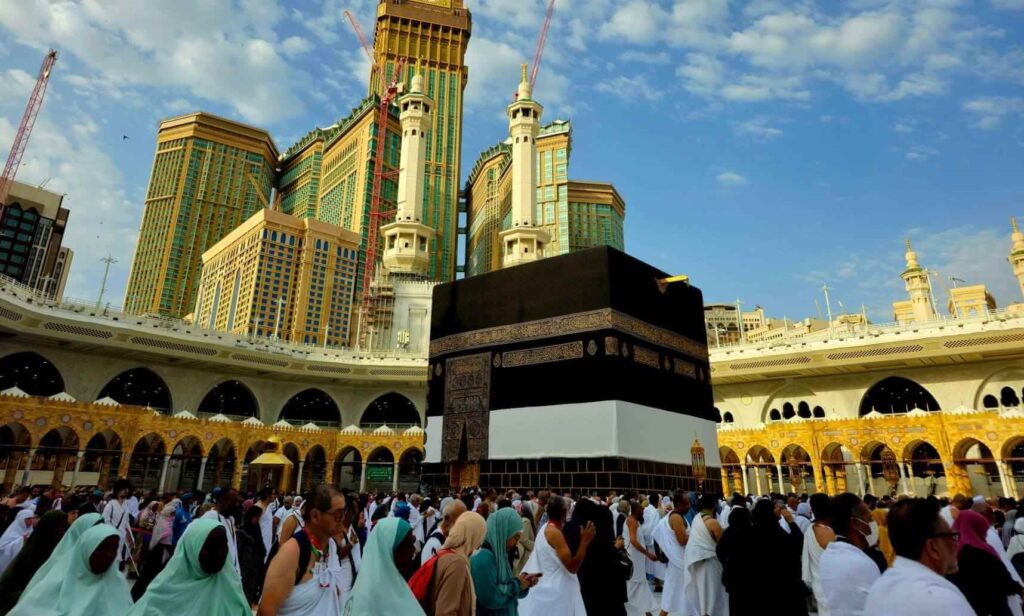
The pilgrimage begins with Ihram, a sacred state of purity marked by intention and specific dress. Men wear two simple white garments, while women observe modest attire, symbolizing equality before Allah.
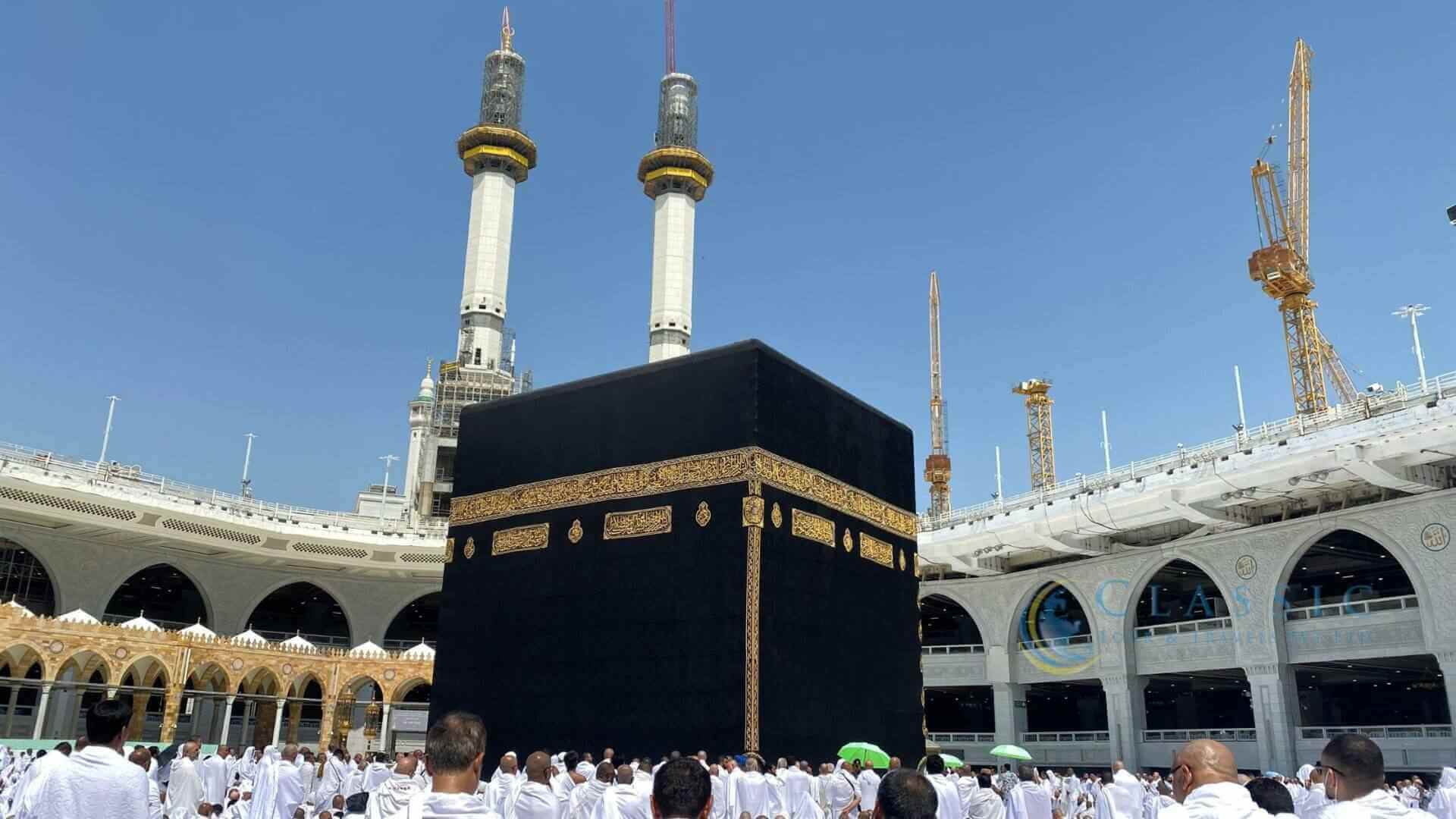
Pilgrims then perform Tawaf, circling the Kaaba seven times in a counter-clockwise direction, affirming that Allah is the center of a believer’s life. This is followed by Sa’i, walking between the hills of Safa and Marwa in remembrance of Hajar’s search for water.
The spiritual climax of Hajj occurs on the Day of Arafah, when pilgrims gather on the plain of Arafat to pray and seek forgiveness. The Prophet Muhammad ﷺ stated that “Hajj is Arafah,” highlighting its central importance.
After sunset, pilgrims travel to Muzdalifah, where they rest under the open sky and collect pebbles. These are later used for Ramy al-Jamarat in Mina, symbolizing the rejection of evil and temptation.
Hajj coincides with Eid al-Adha, during which an animal sacrifice commemorates Prophet Ibrahim’s devotion. The pilgrimage concludes with further Tawaf and a farewell circumambulation of the Kaaba before departing Makkah.
The Spiritual and Social Significance of Hajj
Hajj is designed to transform the believer. Spiritually, it offers a chance for forgiveness and renewal. Socially, it stands as the largest annual gathering of humanity, dissolving barriers of race, wealth, and nationality. Every pilgrim wears simplicity, reinforcing that true honor lies only in Taqwa (God-consciousness).
Difference Between Hajj and Umrah
While both Hajj and Umrah involve visiting the Kaaba, they differ in obligation and timing. Hajj is compulsory and restricted to specific days in Dhu al-Hijjah, lasting several days. Umrah is voluntary and can be performed at any time of the year, usually within a shorter duration. Despite these differences, both pilgrimages hold immense spiritual value.
Who Can and Cannot Perform Hajj?
Only Muslims are permitted to enter the holy city of Makkah and perform Hajj. Non-Muslims are not allowed within its sacred boundaries. Eligibility for Muslims depends on faith, capability, and safety, ensuring that Hajj remains an act of sincere devotion rather than hardship.
History and Origins of Hajj
The origins of Hajj trace back to Prophet Ibrahim (AS), who established the foundations of the Kaaba by Allah’s command. The rites were later restored and formalized by Prophet Muhammad ﷺ, who performed the first complete Islamic Hajj and taught the Ummah how to perform it correctly.
Preparing for Hajj – Spiritual and Practical Readiness
Preparing for Hajj involves more than intention. Pilgrims often walk several kilometers each day, making physical readiness important. Equally essential is spiritual preparation—learning the rites, purifying intentions, and seeking forgiveness before departure.
Travel and Transportation During Hajj and Umrah
Hajj involves movement between multiple holy sites, making reliable transportation a critical part of a smooth pilgrimage experience. Many pilgrims also perform Umrah, Ziyarat, and city visits before or after Hajj.
For pilgrims seeking comfortable and dependable travel across Makkah, Madinah, Mina, Arafat, Muzdalifah, and other Ziyarat locations, professional taxi and transport services play an essential role. Well-managed Umrah and Hajj transportation allows pilgrims to focus on worship without the stress of logistics, especially during peak seasons.
FAQs
What does Hajj mean in Islam?
Hajj means intending and undertaking a sacred pilgrimage to Makkah to perform specific acts of worship during Dhu al-Hijjah.
Is Hajj mandatory for all Muslims?
Yes, once in a lifetime for those who are physically, financially, and mentally capable.
How long does Hajj last?
Approximately five to six days, depending on moon sighting.
Why do Muslims perform Hajj?
To fulfill a pillar of Islam, seek forgiveness, and demonstrate submission to Allah.

Zeeshan is a professional driver and tour guide who has been living and driving in Saudi Arabia for the past 5 years. With deep knowledge of the roads, landmarks, and Ziyarat locations across Makkah, Madinah, Jeddah, and Taif, he helps pilgrims and travelers enjoy safe, smooth, and well-organized journeys. His experience in Umrah transport, city tours, and airport transfers makes him a trusted expert for visitors exploring Saudi Arabia.