




Rami al-Jamarat (رمي الجمرات), commonly known as the Stoning of the Jamarat, is one of the most profound and obligatory rites of Hajj. It is performed in Mina, where pilgrims throw small pebbles at three designated stone structures known as the Jamarat. While often misunderstood as an act of anger or symbolic violence, Rami al-Jamarat is, in essence, a ritual of obedience, submission, and spiritual resistance—a physical manifestation of rejecting Shaytan and the whispers of the ego.
What Is Rami al-Jamarat?
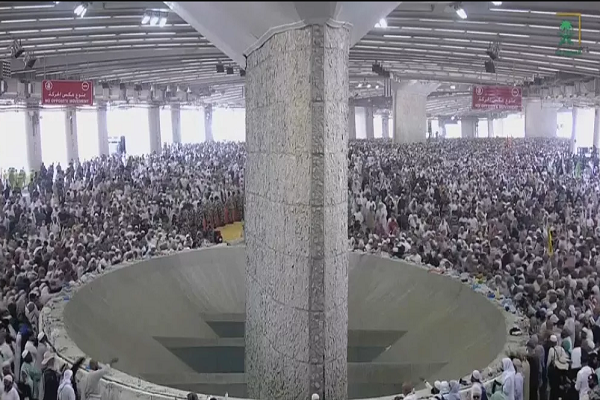
Linguistically, Rami means “to throw,” and Jamarat refers to marked stone structures. In Islamic jurisprudence, Rami al-Jamarat is a wajib act of Hajj, and abandoning it without a valid excuse requires compensation (dam).
This ritual is not directed at Shaytan as a physical entity, but rather at specific locations in Mina where Shaytan attempted to derail divine obedience.
The Spiritual Significance of Rami al-Jamarat

The origin of Rami al-Jamarat lies in the defining trial of Prophet Ibrahim (AS). When Allah commanded him to sacrifice his son, Ibrahim submitted completely to the divine will:
“Indeed, this was a clear trial.”
(Surah As-Saffat 37:106)
As Ibrahim (AS) proceeded to fulfill the command, Shaytan appeared repeatedly, attempting to sow doubt, fear, and hesitation. Under the guidance of Jibril (AS), Ibrahim cast stones at Shaytan, rejecting his whispers at three locations. Each rejection was an act of tawheed, certainty, and surrender.
Rami al-Jamarat therefore symbolizes:
- Rejection of Shaytan
- Resistance against desires (nafs al-ammārah)
- Commitment to Allah’s commands without compromise
Days of Rami al-Jamarat
Jabir ibn Abdullah I reported:
Allah’s Messenger ﷺ flung pebbles at Jamarat on the Day of Nahr after sunrise and after that (i.e. on the 11th, 12th and 13th of Dhul Hijjah when the sun had declined.)
[Narrated in Sahih Muslim]
The Three Jamarat in Mina
The Jamarat are not idols, representations of Shaytan, nor targets of rage. They are markers of spiritual trials:
Jamarah al-Sughra (Small Pillar)
Marks the first point of Shaytan’s temptation.
Jamarah al-Wusta (Middle Pillar)
Represents continued attempts to weaken obedience.
Jamarah al-Aqaba (Largest Pillar)
The final and strongest confrontation with Shaytan.
Modern reconstruction has transformed these pillars into large wall structures, facilitating safer and more accurate pelting while preserving the ritual’s essence.
Days of Rami al-Jamarat

Yawm al-Nahr (10th of Dhul Hijjah)
On the Day of Sacrifice, pilgrims stone only Jamarah al-Aqaba, throwing seven pebbles. This act coincides with Eid al-Adha and precedes sacrifice and partial exit from Ihram.
Ayyam al-Tashreeq (11th–13th of Dhul Hijjah)
On these days, pilgrims stone all three Jamarat, starting from the smallest and ending with the largest, throwing seven pebbles at each, totaling 21 per day.
The Qur’an refers to these blessed days:
“And remember Allah during the appointed days.”
(Surah Al-Baqarah 2:203)
Correct Timing of Rami
Timing is crucial for validity:
- Yawm al-Nahr: From Fajr of the 10th until Fajr of the 11th
- Ayyam al-Tashreeq: After Zawwal (midday) until Fajr
The Sunnah time is after midday, but flexibility exists for women, the elderly, and those facing hardship. Islam prioritizes safety and ease, not danger.
Pebbles for Rami al-Jamarat
The pebbles should be small, approximately the size of date stones.
Ibn Abbas (RA) narrated:
“The Messenger of Allah ﷺ said: ‘Pick up pebbles like these,’ and they were the size of fingertips.”
(Sunan an-Nasa’i)
Pebbles may be collected from Muzdalifah or anywhere permissible, and sharing is allowed.
How to Perform Rami al-Jamarat (Sunnah Method)
The Prophet ﷺ demonstrated Rami with clarity and calmness. Each pebble is thrown individually while saying “Allahu Akbar.”
After stoning the small and middle Jamarat, pilgrims should step aside, face the Qiblah, and make heartfelt du’a. There is no du’a after Jamarah al-Aqaba, as established by authentic Sunnah.
Rami must be performed with composure, awareness, and dignity—never with aggression or recklessness.
Jamarat Bridge and Crowd Safety
The multi-level Jamarat Bridge was engineered to protect pilgrims after past tragedies. Islam strictly forbids self-harm and harming others. Choosing less crowded times and maintaining discipline aligns with the Prophetic principle:
“There should be neither harm nor reciprocating harm.”
Important Rulings and Practical Guidance
Women in menstruation must still perform Rami, as it does not require purity. Delegating Rami is only allowed for those genuinely incapable due to illness or extreme weakness.
Throwing shoes, large stones, or objects out of anger is haram and stems from misunderstanding the ritual’s purpose.
The Inner Meaning of Rami al-Jamarat
Beyond the stones lies the heart of the ritual. Rami is a declaration that obedience to Allah supersedes desire, fear, and ego. Each pebble is a personal pledge to resist sin long after Hajj ends.
Rami al-Jamarat is not about Shaytan alone—it is about confronting the inner self and choosing Allah, again and again.
FAQs
What is the main purpose of Rami al-Jamarat in Hajj?
The primary purpose of Rami al-Jamarat is to symbolically reject Shaytan and all forms of disobedience to Allah. It commemorates the moment when Prophet Ibrahim (AS) resisted Shaytan’s repeated attempts to divert him from fulfilling Allah’s command. Through this act, pilgrims renew their commitment to obedience, patience, and submission, making Rami a ritual of spiritual discipline rather than physical aggression.
Is Rami al-Jamarat obligatory or Sunnah?
Rami al-Jamarat is wajib (obligatory) according to the majority of Islamic jurists. If a pilgrim deliberately abandons it without a valid excuse, a penalty (dam) becomes obligatory. However, allowances exist for those who are genuinely unable due to illness, old age, or extreme weakness.
Why are there three Jamarat?
The three Jamarat represent three separate locations in Mina where Shaytan attempted to mislead Prophet Ibrahim (AS) during his trial. Each Jamarah marks a distinct moment of resistance against temptation. They do not represent Shaytan himself, but rather the points of spiritual testing, reminding pilgrims that temptation can recur and must be rejected repeatedly.
Are the Jamarat actually Shaytan?
No, the Jamarat are not Shaytan, nor do they contain him. They are symbolic markers, not objects of worship or hatred. Islam strictly rejects the idea of Shaytan having a physical presence inside the pillars. Believing otherwise leads to incorrect behavior and contradicts Islamic theology.
How many pebbles are required for Rami al-Jamarat?
A pilgrim throws:
- 7 pebbles on the 10th of Dhul Hijjah (only at Jamarah al-Aqaba)
- 21 pebbles on each day of Ayyam al-Tashreeq (7 at each Jamarah)
This results in 49 pebbles if departing on the 12th, or 70 pebbles if staying until the 13th.
What size should the pebbles be?
The pebbles should be small, roughly the size of a date stone or fingertip. This is established by authentic hadith and reflects the Sunnah. Using large stones or objects is contrary to the Prophetic method and can cause harm, which is forbidden in Islam.
Where should pebbles be collected from?
Pebbles may be collected from Muzdalifah or any permissible area. They do not need to be from a specific location, nor do they need to be unique to the pilgrim. Sharing pebbles is allowed. However, collecting pebbles from near the Jamarat is considered makruh (disliked).
What is the best time to perform Rami al-Jamarat?
The Sunnah time for Rami is after Zawwal (midday). However, due to crowd safety, performing Rami in the evening or night is permissible, especially for women, the elderly, and those at risk. Islam prioritizes preservation of life over strict timing.
Can Rami al-Jamarat be performed at night?
Yes, Rami al-Jamarat can be performed at night and remains valid. Although daytime is more virtuous, nighttime pelting is permitted and often safer. The Prophet ﷺ allowed flexibility, demonstrating that ease is a principle of Islamic law.
What should be recited during Rami?
With each pebble, the pilgrim should say:
“Allahu Akbar”
Talbiyah is stopped after the first pebble at Jamarah al-Aqaba on Yawm al-Nahr. There is no specific du’a to be recited during the throw itself beyond Takbir.
Is du’a made after stoning the Jamarat?
Du’a is Sunnah after pelting the small and middle Jamarat during Ayyam al-Tashreeq. Pilgrims should move away from the crowd, face the Qiblah, and supplicate. No du’a is made after Jamarah al-Aqaba, as established by the Sunnah of the Prophet ﷺ.
What happens if a pebble misses the target?
If a pebble does not land inside the designated area, it does not count and must be thrown again. However, if it lands inside and later rolls out, it is still valid. Certainty is required that the pebble reached its intended place.
Can women perform Rami during menstruation?
Yes. Menstruation does not exempt a woman from Rami al-Jamarat. Since the ritual does not require a state of ritual purity, women must perform it themselves and cannot appoint someone else solely due to menstruation.
When is it allowed to appoint someone to perform Rami on your behalf?
Delegation is only allowed if a pilgrim is:
- Extremely old
- Severely ill
- Physically incapable
- Pregnant with medical risk
Fear of crowds alone is not a valid excuse. The person performing Rami on behalf of another must have clear permission from them.
What are common mistakes during Rami al-Jamarat?
Common errors include throwing large stones, aiming at people instead of the target, performing Rami in anger, pushing others, or believing the Jamarat physically represent Shaytan. Such actions contradict the Sunnah and undermine the spiritual purpose of the ritual.
What is the deeper lesson of Rami al-Jamarat?
Rami al-Jamarat teaches that obedience to Allah requires consistent resistance to temptation. Shaytan does not tempt once and disappear; he returns repeatedly. The ritual instills discipline, patience, humility, and awareness that the real struggle continues long after Hajj ends.

Zeeshan is a professional driver and tour guide who has been living and driving in Saudi Arabia for the past 5 years. With deep knowledge of the roads, landmarks, and Ziyarat locations across Makkah, Madinah, Jeddah, and Taif, he helps pilgrims and travelers enjoy safe, smooth, and well-organized journeys. His experience in Umrah transport, city tours, and airport transfers makes him a trusted expert for visitors exploring Saudi Arabia.